Support

Sverresborg Trøndelag Folk Museum

About

Spreading across the picturesque hills of Trondheim, the Sverresborg Trøndelag Folk Museum is one of the largest cultural treasures in Norway. This open-air museum covers a vast area and brings together more than 80 historical buildings relocated from across the Trøndelag region to preserve the unique spirit of past centuries.
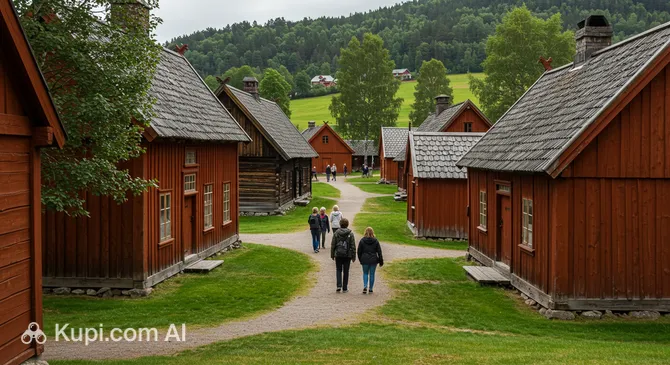
Sverresborg Trøndelag Folk Museum
Sverresborg Trøndelag Folk Museum. Иллюстрация. Источник: Kupi.com AI

The heart of the museum complex is the ruins of the medieval King Sverre’s Castle, built in the 12th century. Wandering through the grounds, visitors can see the full diversity of Norwegian architecture: from humble Sami huts and farmsteads to luxurious urban mansions. The crown jewel of the collection is the authentic Haltdalen Stave Church, built around 1170.

Sverresborg is not just a collection of houses but a living space where 18th and 19th-century history meets the present. The museum is divided into urban and rural sections, allowing guests to literally travel through time while exploring the lives of artisans, farmers, and the nobility. From the hilltops, a magnificent panorama of the fjord and city quarters opens up, making the walk not only educational but also aesthetically pleasing.

Contacts

To clarify visit details or book a tour, you can use the museum's official contact information.

How to contactContact
AddressSverresborg Alle 13, 7020 Trondheim, Norway
Phone+47 73 89 01 00
Websitesverresborg.no

What to Do

Here, history literally comes to life before your eyes. You can peek into an old confectionery, visit a unique ski museum, or explore the mysterious "house of the nightman." In the rural section of the museum, it’s fascinating to walk from one farm to another, examining traditional stabbur (storehouses) on high pillars and miners' huts brought from the famous town of Røros.

Be sure to climb up to the ruins of Sverresborg Castle — it's not only a historical monument but also the best vantage point for viewing the Trondheim Fjord. For children and fans of interactive experiences, the Birkebeiner camp is open, where you can meet animals and take part in old-fashioned games. Throughout the year, the museum hosts theatrical performances, craft workshops, and vibrant holidays, such as the Christmas Festival or celebrations in honor of the summer solstice.

Getting There

The attraction is located at Sverresborg Alle 13, which is about a 20–30 minute drive from the city center. If you prefer public transport, use the AtB bus network (routes #18, 42, 46, 47, 54, or 73). They depart regularly from the central station and stop in the immediate vicinity of the museum entrance.

For those arriving from Trondheim Airport (TRD), it is most convenient to take the Flybussen express bus to the center and then transfer to a local bus. A taxi ride from the city center will be quick and comfortable, and parking is provided on-site for motorists.

Outdoor enthusiasts can reach the museum on foot. The walk from the center takes about 4–5 kilometers and follows scenic routes such as the Gudbrandsdalsleden. In the warmer months, renting a bicycle is an excellent option, as the city is equipped with convenient bike lanes.

Ближайший город: Trondheim

History & Facts

The history of this remarkable place began in 1909 when a group of enthusiasts decided to preserve the region's architectural heritage. By 1914, the museum was established around the ruins of King Sverre’s Castle, originally built in 1182–1183. This castle was one of the first stone fortresses in Norway and served as an important defensive point during the civil war era.

The most precious and ancient exhibit in the collection is the Haltdalen Stave Church. This wooden church, dating back to 1170, was carefully moved to the museum grounds to save it from destruction. Its austere silhouette and tarred walls are a magnificent example of medieval architecture.

Interestingly, one of the museum's buildings — the Detli farm from Oppdal — gained international fame in an unusual way. An exact replica of it was built at Disney World in Florida as a model of traditional Norwegian architecture, highlighting the uniqueness and cultural significance of the Sverresborg collection.

Time Needed

To explore more than 80 historical buildings without rushing and to soak in the atmosphere of the past, we recommend setting aside 3 to 5 hours for your visit. This time is sufficient to step inside the key houses, climb up to the castle ruins, and take beautiful photos.

If you plan to visit during seasonal festivals or are traveling with children who will likely want to stay longer at the Birkebeiner camp or participate in workshops, you should allow for 6–7 hours or even a full day.

Working Hours

When planning your visit, please note that the museum is closed on Mondays. From Tuesday to Friday, the doors of Sverresborg are open from 10:00 to 15:00.

On weekends — Saturday and Sunday — the museum opens a bit later, at 11:00, and also welcomes guests until 15:00. Keep in mind that the schedule may change during public holidays and festivals, so it's worth checking the official museum website before your trip.

DayWorking hours
ПонедельникЗакрыто
Вторник10:00 – 15:00
Среда10:00 – 15:00
Четверг10:00 – 15:00
Пятница10:00 – 15:00
Суббота11:00 – 15:00
Воскресенье11:00 – 15:00

Nearby

After immersing yourself in the history of Trøndelag at the open-air museum, you can continue exploring the surrounding area. The district around the museum offers many interesting locations, from specialized museums to cozy parks and recreation areas.

NameDistance
The Armoury2 km
Trondheim Torg2.1 km
Nidaros Cathedral2.1 km
Work-Work2.2 km
Britannia Hotel2.4 km
Den Gode Nabo2.4 km
TAG Restaurant and Club2.4 km

Reached the end of the page?

That means the route is fully explored