Support

Sapantiana Aqueduct

About

Hidden among the colorful streets of the ancient city of Cusco, the Sapantiana Aqueduct is a unique historical hydraulic structure. It stands as a testament to ingenious engineering, allowing the ancient inhabitants to provide the city with water while overcoming the challenges of Peru’s mountainous terrain.
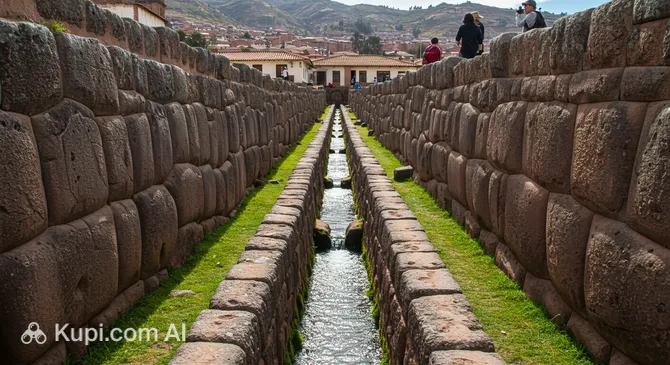
Sapantiana Aqueduct
Sapantiana Aqueduct. Иллюстрация. Источник: Kupi.com AI

Cusco itself, the former capital of the great Inca Empire, is recognized as a UNESCO World Heritage site. The aqueduct blends harmoniously into the city's historical landscape, serving as a reminder of the vital infrastructural achievements of ancient civilizations that laid the foundation for life in this high-altitude region at 3,400 meters above sea level.

Today, this site attracts travelers not only for its historical significance but also for its special atmosphere of tranquility. The stone arches of Sapantiana are a perfect example of how functional buildings of the past evolve over time into true architectural monuments worthy of admiration.

Contacts

To clarify information about visiting the site or organizing a tour, you can use the following contact details:

How to contactContact
AddressPlazoleta de San Blas, Cusco 08000, Peru
Phone+51 934 343 696

What to Do

When visiting the Sapantiana Aqueduct in Cusco, the main highlight is the opportunity to examine the ancient water supply system in detail. You will be able to appreciate the precision of the stonework and the skill of past builders who erected such structures in the challenging conditions of Peru.

Photography enthusiasts will find plenty of creative inspiration here: the play of light on the stone arches and the contrast of the ancient masonry with the surrounding greenery allow for unique shots. This spot is less crowded than the central squares, providing a chance to enjoy the silence and take photos without the tourist crowds.

A walk to the aqueduct is best combined with exploring the creative San Blas neighborhood. After viewing the hydraulic monument, it is pleasant to stroll through the narrow streets, peek into the workshops of local artists, or relax in one of the panoramic cafes offering breathtaking views of the old city's tiled roofs.

Getting There

This ancient monument is located in one of the most picturesque and bohemian districts of Cusco — San Blas. The exact address is: Plazoleta de San Blas, Cusco 08000. Finding it is quite easy if you are already in the historical center, as it is a popular spot for walking tours.

The easiest way to get there is by taxi or by walking from the central Plaza de Armas, enjoying the narrow streets along the way. If you prefer public transport, choose buses heading to the San Blas district. For precise navigation, you can use the coordinates: -13.5118658, -71.9780948.

Keep in mind that the city is at a significant altitude, so the walk up to the aqueduct may require some physical effort. It is recommended to take short breaks to adjust to the thin air and admire the colorful architecture along the way.

Ближайший город: Cusco

History & Facts

While the exact construction dates of the Sapantiana Aqueduct remain a subject of debate, it is a vivid testament to centuries-old water management traditions in the region. The engineering skill of ancient civilizations in Peru is astounding: similar systems began to appear here as early as 1500 BC, as evidenced by the aqueducts of Cajamarca.

The city of Cusco holds immense historical significance, dating back more than 3,000 years. As the capital of the great Inca Empire, it became a hub for advanced technologies of its time. The Incas were famous for their ability to build monumental structures without the use of mortar, and their hydraulic systems continue to be admired by scholars today.

According to indigenous legend, the city was founded by the first Inca, Manco Cápac. He arrived from the shores of sacred Lake Titicaca, searching for a place where his golden staff would easily sink into the ground, signaling fertility and the blessing of the gods. It was on these sacred lands that complex engineering projects, such as Sapantiana, eventually arose.

Time Needed

For a brief look at the Sapantiana Aqueduct and to take some commemorative photos, most tourists find 30 to 45 minutes sufficient. The site is not vast in scale, but its aesthetics and surrounding atmosphere invite leisurely contemplation.

If you plan to include a visit to the aqueduct as part of a larger walking route through the San Blas district, allow about 2 to 3 hours for this stroll. This will give you time to examine the masonry without rushing, relax by the water, and browse the local craft shops for which this part of the city is famous.

Working Hours

The site is located in an open area and is accessible daily and around the clock (24/7). You can visit early in the morning to catch the first rays of sun, or at dusk when the ancient stones look particularly mysterious.

Despite 24-hour access, the most comfortable time for a visit is considered to be during daylight hours, as this allows you to see the details of the stonework and move safely along the adjacent paths.

Круглосуточно

Nearby

A visit to the aqueduct can be easily combined with a tour of many other iconic sites located just a few minutes' walk away. The San Blas district and its surroundings are a true open-air museum, where every street corner reveals a new page of history.

NameDistance
Cristo Blanco Viewpoint0.2 km
Sacsayhuamán0.4 km
Inca Museum0.4 km
Museum of Pre-Columbian Art0.4 km
Twelve Angled Stone0.5 km
Molly's Irish Bar and Restaurant0.5 km
Kusykay Peruvian Craft Food0.5 km

Reached the end of the page?

That means the route is fully explored