Support

Batangas City

About

Batangas City is a true gem in the south of Luzon island, located on the coast of the South China Sea. Thanks to its strategic position, the city has become one of the country's largest port and industrial centers, yet it has retained the charm of a cozy coastal corner. Here, bustling fish markets, modern buildings, and quiet streets meet, where time seems to slow its pace.

With a population of about 351,000 people, Batangas City is the administrative center of the province of the same name and an important educational and religious hub for the region. The city is not only economically significant but also famous for its hospitality and special atmosphere: it's easy to feel like a welcome guest here, rather than just a tourist.
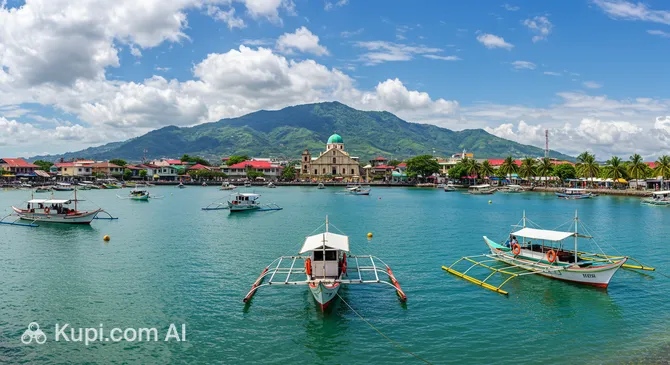
Batangas City. Illustration.
Source: Kupi.com AI

Upon arriving in Batangas City, travelers find themselves in an amazing world where picturesque white-sand beaches, lush tropical greenery, and majestic mountains combine. In the city's surroundings, there are many world-class resorts and dive sites. Its proximity to the famous Taal Volcano and the capital, Manila, makes Batangas City an excellent starting point for exploring the Philippines.

The city's atmosphere is filled with harmony: here you can enjoy leisurely strolls along the waterfront, explore ancient churches and colonial buildings, and in the evening, admire the sunset with a glass of fresh coconut juice. Batangas City is a wonderful opportunity to discover a hospitable country, its rich history, and natural beauty.

You can find more interesting facts on the history of Batangas City page.
Weather Overview

In Batangas City, a warm tropical climate awaits you. The rainy season usually lasts from May to October, bringing heavy rainfall, while from November to April, the weather becomes significantly drier, although it remains very warm. The air temperature is consistently high throughout the year, but the amount of precipitation varies significantly depending on the season.

The average monthly temperature ranges from about 25.6°C in January to 28.8°C in May. The hottest months are April and May, when maximum temperatures can reach 31.5°C (in April) and 31.8°C (in May). The highest amount of rainfall occurs from June to October, peaking in July (about 13 mm and 30 rainy days). The driest months are February and March, with minimum rainfall (about 1 mm) and the fewest rainy days (7 and 8 days respectively). You can find out more about the climate of Batangas City on a special page.

Average monthly temperature

Average monthly precipitation

Interesting Facts

In addition to its well-known attractions and lively atmosphere, Batangas City holds many surprising stories and little-known details. Ready to dive into some of the most intriguing facts about this Filipino city?

Plaza Mabini. Illustration.
Source: Kupi.com AI

Traveler photos:

  • The city owes its name to the word "batang," which refers to the large trees that once grew in abundance on this land. The first Spanish missionaries appeared here as early as 1572, and by 1581, the first settlement was founded, marking the beginning of the rich history of Batangas City.

  • Batangas City is a true paradise for diving enthusiasts. More than 300 species of coral have been registered in its coastal waters, including extremely rare ones discovered only recently. The colorful coral reefs and abundance of marine life make underwater excursions here unforgettable.

  • The city is one of the significant religious centers of the Philippines, home to the famous Montemaria International Pilgrimage & Conference Center. Additionally, Batangas City is famous for its historical churches and chapels, and places like Plaza Mabini allow you to feel the spirit of the colonial era.

  • Batangas City has given the Philippines many famous personalities: renowned artists, writers, actors, and political figures who made significant contributions to the country's development were born and lived here. Local residents are proud of their traditions and actively hold cultural festivals dedicated to the city's history and art.

How to Get There

Batangas City is an important transport hub on Luzon island, often called the "industrial gateway" of the region. Thanks to a developed road network and the port, getting here is quite simple. You can find out more about how to get to Batangas City on a special page, and below we will look at the main air gateways through which tourists enter this region.

Batangas City itself does not have its own airport, so travelers usually fly into the capital region. The main air gateway is Ninoy Aquino International Airport (MNL), located in Manila. It is situated about 83 km from Batangas City. This is the most convenient option: from here, you can reach your destination by bus or taxi in approximately 2 hours 30 minutes, depending on traffic. The airport receives flights from all over the world and has a huge passenger flow, being the largest in the country.

An alternative option could be Clark International Airport (CRK), located in Angeles City. It is significantly further away, about 167 km from Batangas City. A trip by car or bus from there will take about 4 hours 30 minutes. This airport is often chosen by travelers using low-cost airlines or those wanting to avoid the heavy traffic in central Manila. Despite the distance, its modern infrastructure makes it a worthy alternative for starting a journey across Luzon.

For clarity, here is summary information on the main airports located on Luzon island and neighboring islands:

AirportPassenger trafficDistance
Ninoy Aquino International Airport50.1 mln83 km
Clark International Airport2.4 mln167 km
Busuanga Airport341 546209 km
Boracay Airport3.8 mln225 km
Naga Airport71 487240 km

Since the railway connection in this direction for passenger transport is poorly developed and there are no direct trains to Batangas City, buses remain the main ground transport. Regular services depart from various terminals in Manila (for example, Buendia or Cubao) and deliver tourists directly to the ferry terminal or the city center. This is an affordable and popular way to travel among both locals and guests of the country.

Main Attractions

Batangas City offers its guests a variety of places to visit, from historical squares to modern shopping centers and cozy restaurants. Here are several key attractions to include in your itinerary to get to know this Philippine city better.

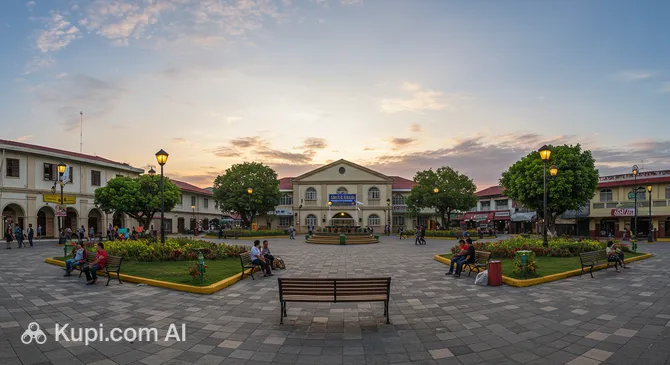
One of the iconic landmarks is Plaza Mabini, which is considered the heart of the city's social life. This bustling square, named after the Philippine hero Apolinario Mabini, serves as a popular meeting place for both locals and tourists. Here you can take a walk, relax on the benches while watching the daily life of the townspeople, and attend events that are often held in the square. It is a great place to feel the atmosphere of Batangas City.

Plaza Mabini. Illustration.
Source: Kupi.com AI

Traveler photos:

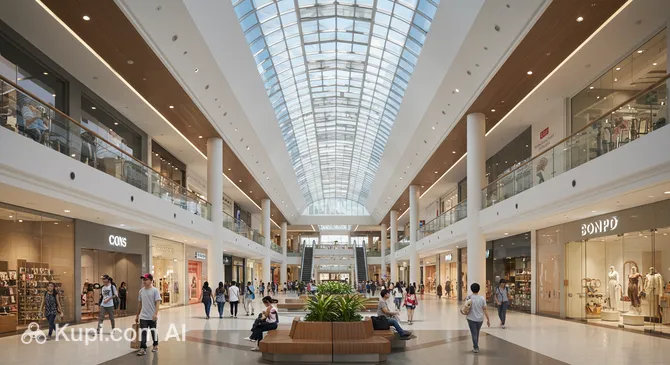
For fans of shopping and modern entertainment, a visit to SM City Batangas is a must. This large mall offers a wide selection of famous brand stores, restaurants for every taste, a cinema, and other entertainment zones. It is not just a place for shopping, but also a leisure center where you can spend several hours, especially on a hot day, or buy souvenirs to remember your trip.

City Batangas Mall. Illustration.
Source: Kupi.com AI

Traveler photos:

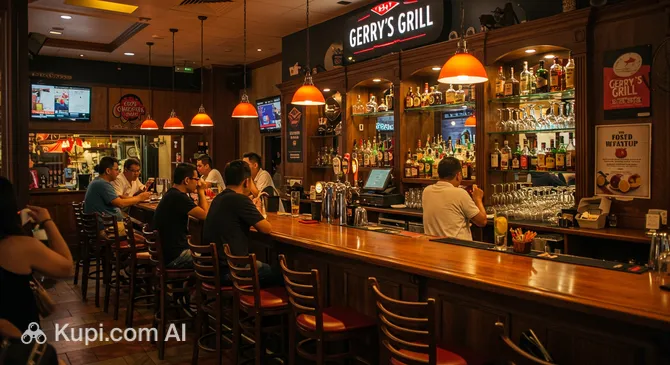
To get acquainted with the local cuisine and dive into the lively atmosphere, stop by Gerry's Grill. This popular establishment is known for its grilled dishes, especially seafood and Filipino-style meat delicacies. Gerry's Grill is an excellent place for dinner with friends or family, where you can enjoy delicious food and drinks in a relaxed setting while trying authentic dishes.

Gerry's Grill. Illustration.
Source: Kupi.com AI

Traveler photos:

Local Cuisine

The culinary scene in Batangas City is a real discovery for foodies eager to get acquainted with authentic Filipino cuisine. The city is famous for its hearty dishes made from the freshest local products and offers a gastronomic journey that will be remembered for a long time. Traditions are valued here, which is reflected in every recipe passed down from generation to generation.

The star of the local cuisine, without a doubt, is bulalo — a rich soup made from beef shanks with bone marrow and vegetables. It is slow-cooked for several hours, making the meat incredibly tender and the broth flavorful. Another iconic dish is Batangas tapang. This is thinly sliced marinated beef, fried until crispy, traditionally served for breakfast with garlic rice (sinangag) and a fried egg (itlog) — this set is called "tapsilog."

Seafood lovers will not be disappointed either. Thanks to its proximity to the sea, you can always find the freshest fish, shrimp, squid, and crabs in Batangas City. Especially popular are grilled dishes such as inihau na isda (charcoal-grilled fish). One cannot overlook lomi — a thick egg noodle soup with pieces of meat (usually pork or chicken), liver, meatballs, and vegetables. This hearty and warming dish can often be found in street stalls and small cafes.

For drinks, you must try the famous local coffee — kapeng barako (Barako coffee), known for its strong taste and rich aroma. Freshly squeezed juices from tropical fruits like mango, pineapple, and calamansi are also popular. Local beers and rum are common alcoholic beverages. Those with a sweet tooth will enjoy various rice cakes (kakanin) and desserts based on coconut milk.

Dining culture in Batangas City is diverse. Locals often eat at small family-run eateries called "carinderias," which serve home-cooked food at affordable prices. Street food is also very popular, especially stalls selling lomi and grilled dishes. Tourists can find many restaurants offering both traditional dishes and more modern interpretations of Filipino cuisine. For example, to try a variety of local specialties in a pleasant environment, you can visit Gerry's Grill.

The gastronomic face of Batangas City attracts tourists with its authenticity, use of fresh ingredients, and rich palette of flavors. The city is also known for its culinary festivals, where you can sample the full variety of local cuisine. A trip here is a great opportunity to immerse yourself in the culture of the Philippines through its unique dishes and hospitality.

Travel Tips

Welcome to Batangas City, a vibrant port city and the gateway to some of the best beaches and dive spots in the Philippines! To make your trip as comfortable and enjoyable as possible, we have prepared some practical tips.

  1. Clothing and Essentials: The tropical climate of Batangas City dictates the choice of light, breathable clothing made of natural fabrics (cotton, linen) year-round. Bring a swimsuit if you plan to visit nearby beaches or islands. Be sure to bring sunscreen with high SPF, a hat, sunglasses, and insect repellent. Comfortable shoes, such as sandals or light sneakers, are necessary for walking around the city and its surroundings. When visiting churches, for example, the Basilica of the Immaculate Conception (Basilica de la Inmaculada Concepcion), clothing that covers the shoulders and knees will be required. Don't forget a universal adapter for electronics (Type A, B, and sometimes C sockets are used in the Philippines).
  2. Transport in the City: It is convenient to get around Batangas City and its surroundings on the colorful jeepneys – the most common and authentic form of public transport. For short trips over small distances, tricycles are perfect. Taxis are also available, but always agree on the price in advance or insist on using the meter. A popular app for booking rides is Grab, which offers more predictable rates. Car rental is possible, but keep in mind that traffic can be quite intense and chaotic for an unaccustomed driver.
  3. Finances: The national currency is the Philippine Peso (PHP). You can exchange money at banks or official money changers; avoid exchanging currency with street changers. Credit and debit cards (Visa, Mastercard) are accepted in most large hotels, restaurants, and shopping centers. However, for paying fares in jeepneys, shopping at markets, or in small stores, always have enough cash with you. ATMs are widespread, especially in the city center and shopping areas. Tipping is not strictly mandatory but is always welcome for good service (usually 5-10% in restaurants if a service charge is not included in the bill).
  4. Health and Safety: There are many pharmacies in Batangas City; some belonging to large chains (e.g., Mercury Drug or Watsons) may work around the clock. Before your trip, it is strongly recommended to take out comprehensive medical insurance. Always drink only bottled or boiled water. The city is generally considered safe for tourists, but standard precautions should be followed: keep a close eye on your personal belongings, especially in crowded places (markets, transport), and avoid walking alone in poorly lit and deserted areas after dark.
  5. Communication: The official languages in the Philippines are Filipino (based on Tagalog) and English. English is very widely spoken, especially in the tourism sector, business, and among the younger generation, so you should not have serious communication problems. Nevertheless, locals will appreciate it if you learn a few basic phrases in Tagalog: "Salamat" (thank you), "Magandang umaga" (good morning), "Magandang hapon" (good afternoon), "Magandang gabi" (good evening), "Po" / "Opo" (polite particles used when talking to elders or to show respect). You can purchase a local SIM card (popular operators are Globe, Smart) with internet access at the airport or numerous mobile phone shops. Wi-Fi is available in most hotels, cafes, and shopping centers.
  6. Local Etiquette: Filipinos are known for their hospitality and friendliness. A smile and a polite address will always be appreciated. When communicating with elders or people in higher positions, it is customary to use the respectful particles "po" and "opo." Avoid public displays of anger, raising your voice, or heated arguments, as this is considered extremely impolite and can lead to "loss of face." When pointing at someone or something, try not to use your index finger; instead, it's better to use a nod of the head or a gesture with an open palm.
  7. What to Avoid: Refrain from criticizing local customs, traditions, religion, or the political situation. Always ask permission before taking photos of people, especially children or during religious ceremonies. Do not haggle too persistently or aggressively in small family shops or at markets if it is clearly not the custom; respect the set prices or haggle with a smile and within reasonable limits.
  8. Gastronomic Tip: Don't miss the chance to get to know the local cuisine! Batangas is famous for dishes such as "bulalo" (a rich beef shank soup with bone marrow) and "lomi" (a thick egg noodle soup). Also, be sure to try the famous "kapeng barako" coffee, fresh seafood, and exotic fruits that are abundant in the local markets.

We hope these tips will help you better prepare for your trip and fully enjoy the hospitality and unique atmosphere of Batangas City. We wish you an unforgettable experience in this vibrant corner of the Philippines!

Entertainment & Nightlife

Although Batangas City is better known as an important transport hub and business center, as evening falls, the city offers its guests and locals various opportunities for relaxation and entertainment. The nightlife here may not be as hectic as in the large metropolises of the Philippines, but it possesses its own special, more relaxed charm.

The main concentration of evening venues is found in the central areas of the city, for example, along busy streets such as P. Burgos Street, as well as near large shopping centers like SM City Batangas. The atmosphere in most places is quite laid-back. Here you can meet both young people and older crowds enjoying conversation and music. The dress code is usually casual, although some more upscale venues may have their own unspoken rules.

The choice of places for evening leisure includes bars with live music, cozy restaurants that stay open late, and karaoke bars, which are immensely popular in the Philippines. One such place where you can have a good evening is Gerry's Grill, known for its Filipino cuisine and pleasant environment for dinner with friends. Often, in such establishments, you can listen to performances by local musical groups. While specialized nightclubs in the European sense are not very common here, some hotels and resorts, such as the Batangas Country Club, may offer their guests evening entertainment programs or lounge areas with music. As for night markets, they are not a characteristic feature of entertainment in Batangas City; locals may visit small evening "tiangge" (flea markets), but this is more of a local phenomenon.

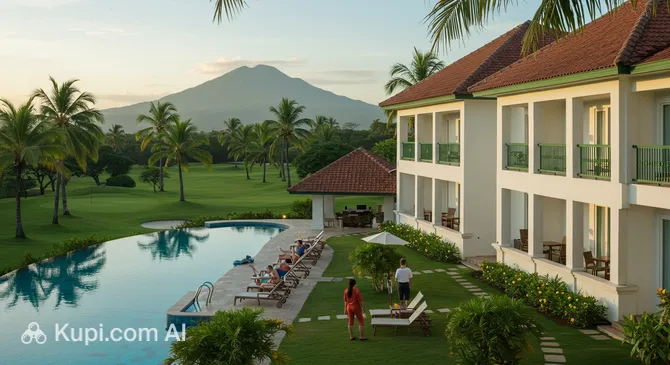
Batangas Country Club. Illustration.
Source: Kupi.com AI

Traveler photos:

The best time to start evening entertainment is after 7:00 PM - 8:00 PM, when the daytime heat subsides. Most establishments work until midnight or until the last customer, especially on weekends. Prices in the bars and restaurants of Batangas City are generally considered affordable. To get around the city at night, you can use the services of tricycles (moto-taxis) or order a taxi. It is recommended to agree on the cost of a tricycle ride in advance to avoid misunderstandings.

Batangas City is generally considered a relatively safe city for evening walks. However, as in any other place, you should observe standard precautions at night: avoid poorly lit and deserted streets and keep an eye on your belongings. To call a taxi, it is most reliable to contact your hotel reception or use the services of well-known local transport companies.

During the day in Batangas City, there is also plenty to do. You can visit local historical sites, such as taking a walk through the picturesque Plaza Mabini, which is a popular spot for residents to relax. You can also explore old churches or look into small museums that tell the history and culture of the region. There are few specialized large theaters in the city, but cultural events and performances sometimes take place in university auditoriums or multi-functional centers. As for amusement parks, there are no large-scale theme parks here, but for family relaxation and shopping, the aforementioned SM City Batangas is suitable, where, in addition to shops, there may be play areas for children and other entertainment options.

Parks & Museums

Batangas City offers its guests opportunities for both outdoor recreation and an introduction to the cultural and historical heritage of the region. The city, being an important port and economic center, carefully preserves its history and offers interesting places to explore.

Among the city's green zones, Plaza Mabini stands out. This public square is not just a place for walking, but also a center of city life, named after the Philippine hero Apolinario Mabini. Various events are often held here, and locals and tourists alike enjoy spending time in the shade of the trees. Although there are not many extensive park areas within the city itself, its coastal location and proximity to the natural attractions of Batangas province compensate for this, offering opportunities for beach holidays and ecotourism.

Plaza Mabini. Illustration.
Source: Kupi.com AI

Traveler photos:

As for museums, Batangas City may not boast large museum complexes with world-renowned names, but cultural heritage is represented here through historical landmarks and religious structures. You can immerse yourself in the city's history by visiting its ancient churches, which are often the guardians of important artifacts and works of art. For example, the Minor Basilica of the Immaculate Conception of Batangas City is not only an important religious center but also a significant architectural monument reflecting the city's rich past.

In addition to the basilica, it is worth paying attention to other historical buildings in the city center, many of which have preserved features of colonial architecture. A walk through the old streets will allow you to feel the atmosphere of the past. Plaza Mabini is also an important historical site around which many significant objects are concentrated.

For more authentic impressions, we suggest visiting the local markets, where real life is in full swing and you can get acquainted with local products and crafts. Sometimes the most interesting discoveries await away from the beaten tourist paths — these could be small chapels or old houses with a unique history.

Getting Around

You can get around Batangas City using several types of public transport, each with its own characteristics. The basis of the transport system is the colorful jeepneys — elongated jeeps left over from World War II and converted for passenger transport. They run along specific routes, but stops often happen on request. This is the most popular and budget-friendly way to move around the city.

Another common form of transport is tricycles — motorcycles with a passenger sidecar attached. They are ideal for short trips and can take you directly to your destination, as they work on a taxi principle but over shorter distances. Routes and the cost of a tricycle trip are usually negotiable, so it's better to clarify the price before starting the journey.

Buses in Batangas City are mainly used for intercity and suburban routes, connecting the city with other settlements in the province and Manila. Within the city, their role is less significant compared to jeepneys and tricycles. There are no subways, trams, or trolleybuses in the city.

The payment system for jeepneys and tricycles is predominantly cash. Payment in a jeepney is made directly to the driver or the conductor (if there is one). The fare for a jeepney is fixed for certain sections of the route and is very affordable. In tricycles, as already mentioned, the price is agreed upon in advance. Specialized travel cards or mobile apps for fare payment in Batangas City urban transport are generally not used.

Practical tips for tourists: To use a jeepney, simply wave your hand to the driver on their route. When getting off, tell the driver where you need to stop; usually, this is done with the phrase "para po," which means "stop, please." Jeepneys and tricycles run from early morning until late evening, but the frequency may decrease during the night hours. Tickets as such are not sold; payment occurs upon travel.

As an alternative to public transport, you can use taxi services, although they are less common than tricycles and can be more expensive. Also, mobile apps for booking rides like Grab are popular in Philippine cities, offering more predictable costs and comfort. Bicycle or scooter rentals may be available in some tourist areas or hotels, but this is not the primary form of transport for most.

Accommodation

In Batangas City, travelers will find various accommodation options to suit different preferences and budgets. The city offers a wide range, from inexpensive guesthouses and hostels for budget tourists to comfortable mid-range hotels and resort complexes for those seeking a higher level of service. Apartments and houses for short-term rent are also available, which can be a convenient option for families or large groups.

Many tourists prefer to stay in areas that provide easy access to main attractions, shopping centers, or transport hubs. While specific neighborhoods may vary in popularity, the central part of the city and its surrounding zones usually offer a good choice of housing. Among the well-known options is the Batangas Country Club, which offers a comfortable stay.

When planning a trip, especially during the peak tourist season, it is recommended to book accommodation in advance. This will help ensure availability and potentially secure better rates. Most hotels and guesthouses in Batangas City can be booked through popular international online platforms, as well as directly through hotel websites or by phone. The price range varies from budget options to rooms in higher-class hotels, allowing every traveler to find a suitable option.

Nearby Cities

For those looking to explore the surroundings, Batangas City serves as an excellent starting point for day trips to several interesting nearby locations. Among them, for example, is Bauan (just 10 km from Batangas City), which is famous for its beaches and diving opportunities, especially in the Anilao area. The city of Lipa (24 km) attracts visitors with its historical architecture, including the Metropolitan Cathedral of Saint Sebastian, as well as its cooler climate and rich coffee traditions. For a shorter outing, San Pascual (7 km) is suitable, allowing you to dive into the local flavor. More detailed information about some nearby cities is presented below:

CityPopulationDistance
San Pascual69 0097 km
Bauan90 81910 km
Ibaan58 50711 km
Alitagtag26 81913 km
Santa Teresita21 55916 km

These nearby destinations provide an insight into the region's diverse culture and landscapes.

Shopping & Souvenirs

Batangas City offers a variety of shopping opportunities, from modern shopping centers to lively local markets. The city is not famous for any exclusive goods, but you can find a good selection of clothing, electronics, home goods, as well as fresh local products and unique souvenirs.

The main shopping activity is concentrated in the city center, as well as along major transport arteries. The streets around Plaza Mabini and its adjacent areas offer many small shops, stalls, and eateries. Here you can feel the local flavor and find interesting goods at affordable prices.

For a more comfortable shopping experience with air conditioning and a wide choice of brands, you should visit the shopping malls. One of the main ones in the city is SM City Batangas. Here you will find supermarkets, department stores, clothing and shoe shops, electronics, as well as a food court and entertainment zones.

Be sure to stop by the local public markets, which are the heart of Filipino trade. In Batangas City, these markets offer a huge selection of fresh fruits, vegetables, seafood, and meat. This is a great place to get acquainted with local cuisine and culture, as well as to purchase inexpensive products and handmade souvenirs.

As souvenirs from Batangas City and the Philippines in general, you can bring back shell crafts, pearls (though be careful when buying), local "barako" coffee, which is famous for its strong taste, woven products, batik, as well as various sweets based on coconut and mango. T-shirts and other clothing with local symbols are also popular.

Most shops and shopping centers in Batangas City usually operate from 10:00 AM to 8:00 PM or 9:00 PM, seven days a week. Markets start working very early in the morning. Philippine Pesos (PHP) are accepted for payment. In large shopping centers and stores, you can pay with Visa and Mastercard, but in small stalls and markets, cash is preferred. ATMs are quite common in the city.

The possibility of a tax refund (Tax Free) for tourists in the Philippines is not a widespread practice for most everyday purchases. It is recommended to check this information in large department stores or specialized shops when making expensive purchases, but you should not count on it too much.

Reached the end of the page?

That means the route is fully explored