Support

Pasig

About

Pasig is a dynamic and rapidly developing city in the heart of the Philippines, part of the National Capital Region, Metro Manila. Located on the banks of the river of the same name, it has transformed from a modest agricultural settlement into a major economic hub. Today, the modern skyscrapers of the Ortigas Center business district and cozy residential neighborhoods coexist harmoniously, creating the atmosphere of a bustling metropolis looking toward the future.

The city occupies a favorable geographical position on the eastern border of the capital, bordering Quezon City and Mandaluyong. The population of Pasig is over 800,000 people, making it one of the most populous and active areas in the country. Tourists and expats appreciate the city for its developed infrastructure, abundance of shopping areas, and proximity to the region's main transport arteries.
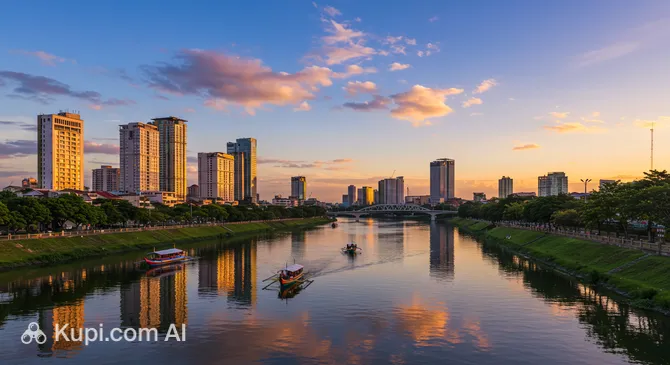
Pasig. Illustration.
Source: Kupi.com AI

The city's rich historical heritage can be traced in its ancient temples and traditional markets, which contrast with ultra-modern architecture. One of Pasig's main features is its focus on environmental initiatives, such as creating green recreational zones and parks amidst the dense urban development. Visiting this city is an excellent opportunity to see the "real" Manila in all its diversity.
Weather Overview

A typical tropical monsoon climate prevails in Pasig, characterized by high temperatures and significant humidity throughout the year. Average temperature readings usually fluctuate between 25°C and 33°C. The hottest period is considered to be from March to May, when the thermometer can rise above 34°C, creating a rather sweltering atmosphere in the city blocks.

The rainy season in the region lasts from June to November. During this time, heavy downpours and thunderstorms caused by monsoons and passing typhoons occur frequently. The highest rainfall occurs in July and August, which sometimes leads to flooding in low-lying parts of the city due to its proximity to rivers. If you are planning a trip, be sure to study the detailed city's climate to choose the most comfortable time.

The most pleasant time to visit Pasig is considered the dry season from December to February. During this period, the weather becomes more moderate, humidity decreases, and the average air temperature stays at a comfortable 26-27°C. These are ideal conditions for long walks around the city and outdoor sightseeing without the risk of getting caught in a tropical downpour.

Average monthly temperature

Average monthly precipitation

Interesting Facts

  • The name of the city Pasig has Sanskrit roots and translates as "a river flowing from one body of water to another," which perfectly describes its geographical position between Laguna de Bay and Manila Bay.

  • The city is one of the oldest settlements in the Philippines — it was officially founded by Augustinian monks back in 1572.

  • Pasig Cathedral is considered one of the oldest in the country; its construction began simultaneously with the founding of the settlement itself.

  • In the early 20th century, Pasig served as the capital of Rizal province before becoming part of the expanding Metro Manila region.

  • According to urban planners' forecasts, the city's population could reach the one million mark as early as 2030 due to the rapid development of the residential sector.

How to Get There

Pasig is conveniently located just 12 kilometers from the historical center of Manila, making it easily accessible for travelers. Thanks to a developed network of highways, such as the C-5 Road and Ortigas Avenue, the city can be reached by various modes of transport, including taxis, public buses, and traditional jeepneys.

For those arriving by air, the nearest hub is Ninoy Aquino International Airport (MNL). A taxi or Grab ride from the airport to Pasig usually takes 30 to 60 minutes, though this can increase to two hours during peak hours due to heavy traffic. If you are planning a complex route, it is useful to study general information on how to get to Pasig.

AirportPassenger trafficDistance
Ninoy Aquino International Airport50.1 mln11 km
Danilo Atienza Air Base21 km
Clark International Airport2.4 mln88 km
San Jose48 000245 km
Naga Airport71 487261 km

Rail service is represented by the MRT-3 line, with stations (such as Ortigas or Santolan) located in close proximity to the city limits in the neighboring districts of Mandaluyong and Quezon City. From these stations, you can quickly reach the central quarters of Pasig by tricycle or bus.

When planning your trip, be sure to consider the transport schedule and avoid traveling during morning and evening rush hours (7:00–9:00 and 17:00–20:00), when Metro Manila's roads are at their busiest.

Main Attractions

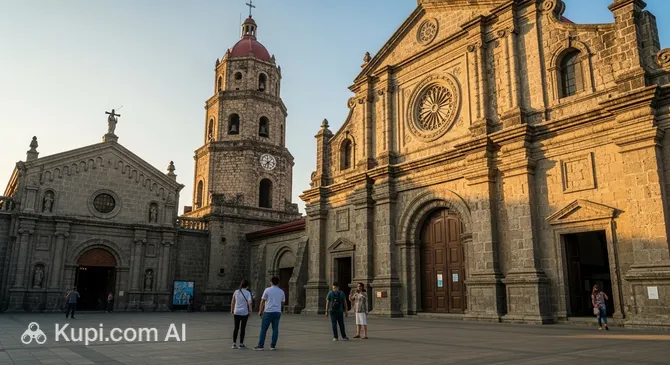
Pasig offers guests an interesting combination of historical architecture and modern spaces for relaxation. One of the main spiritual and architectural landmarks is Pasig Cathedral, built back in the 16th century. This site allows you to touch the city's colonial past and appreciate the craftsmanship of ancient builders.

Nuestra Señora de Gracia Church. Illustration.
Source: Kupi.com AI

Traveler photos:

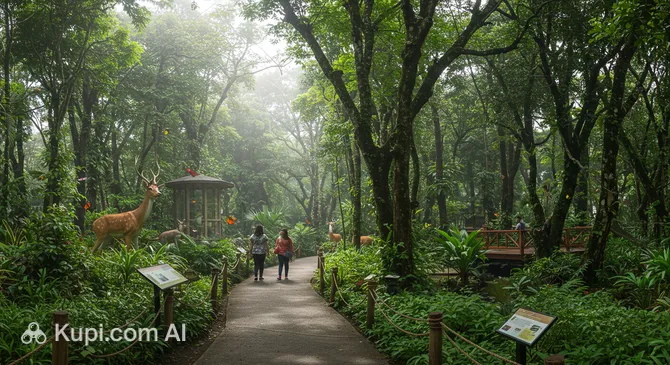
If you are looking for a place for a peaceful family holiday, be sure to visit Pasig City Rainforest Adventure Experience. This extensive complex includes not only green alleys but also a small zoo, a water park, and picnic areas. It is a true oasis in the urban jungle where you can spend the whole day in the fresh air.

Fans of old European architecture should pay attention to such a structure as Nuestra Señora de Gracia Church. Although it is located in the adjacent Makati district, it is often visited by guests of Pasig due to its unique Baroque facade and special atmosphere of tranquility that reigns within its walls.

Pasig Rainforest Park. Illustration.
Source: Kupi.com AI

Traveler photos:

For those who prefer modern urban landscapes, the Ortigas Center district is the perfect spot. Some of the city's tallest skyscrapers, headquarters of international companies, and endless shopping galleries are located here, making a walk through the business center an exciting adventure.

Local Cuisine

Pasig's culinary scene is a true melting pot of flavors, where traditional Philippine recipes meet international cuisine. The Kapitolyo district is considered the gastronomic heart of the city. Here, on a single street, you can find cozy cafes with home-cooked food, specialized bakeries, and stylish restaurants offering dishes from different parts of the world.

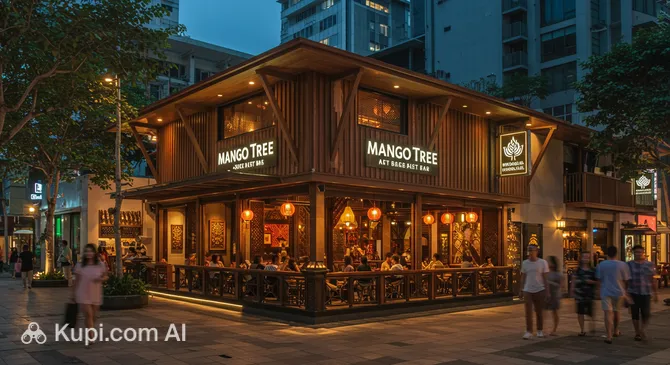
Be sure to try classic Filipino dishes: adobo (meat stewed in soy sauce and vinegar), hearty sinigang soup, and the famous halo-halo dessert. For those who appreciate high service standards and exquisite presentation, Mango Tree on Bonifacio High Street Central is an excellent choice, serving the best examples of Asian cuisine in an elegant setting.

Mango Tree Bonifacio High Street Central. Illustration.
Source: Kupi.com AI

Traveler photos:

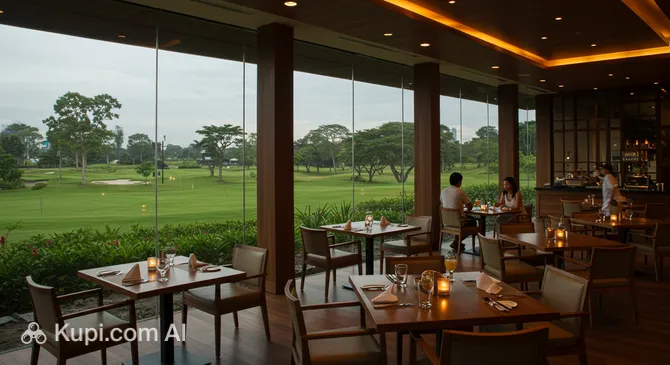
Fans of country-style leisure will appreciate the Valle Verde Country Club, where you can dine in a calm atmosphere away from the city noise. The local food culture also includes visiting food courts in shopping malls, which feature both budget chain eateries and stalls with authentic street food, such as fried squid balls or chicken skewers.

Valle Verde Country Club. Illustration.
Source: Kupi.com AI

Traveler photos:

Among drinks, fresh juices made from exotic fruits, local San Miguel beer, and strong Filipino coffee are popular in Pasig. Street food at the city's markets is the easiest way to get acquainted with the gastronomic habits of locals at an affordable price.

Travel Tips

Pasig is a bustling business and residential hub that can serve as an excellent base for exploring the Philippine capital. To ensure your trip is as comfortable as possible, we have prepared a few practical tips.

  1. Clothing and Essentials: Choose lightweight clothing made from natural fabrics, as it is almost always hot and humid in the city. Be sure to bring an umbrella or a light raincoat, especially during the rainy season. When visiting shopping malls, take a light sweater along—the air conditioners there run at full blast.
  2. Transport: Install the Grab app—it is the most reliable way to get around. If you decide to try a jeepney, check the route in advance and have small change ready. Avoid traveling during rush hours to keep from getting stuck in traffic for several hours.
  3. Finances: The official currency is the Philippine Peso (PHP). Cards are accepted in hotels and large malls, but for paying in jeepneys, tricycles, and at markets, you will always need cash. ATMs are widely available in shopping centers and banks.
  4. Health and Safety: Drink only bottled water. There are many pharmacies and modern medical centers in Pasig (for example, Medical City). The city is generally safe in business districts, but always watch your belongings in crowded places.
  5. Communication: English is widely spoken, and almost all service staff speak it. Local residents are very friendly; a few phrases in Tagalog (for example, Salamat — thank you) will elicit a sincere smile.
  6. Local Etiquette: Filipinos are very polite. It is customary to smile in return and avoid displays of anger in public—this is considered bad manners.
  7. What to Avoid: It is not advisable to walk alone in unfamiliar outlying areas at night. It is also not recommended to buy food from street vendors if you have a sensitive stomach.
  8. Additional Tip: Visit the Kapitolyo area on a weekday evening to try the best local food without the heavy crowds found here on weekends.

By following these simple rules, you will be able to fully enjoy Pasig's hospitality and discover all the facets of this amazing city. Have a great trip!

Entertainment & Nightlife

Nightlife in Pasig is concentrated in the business districts and gastronomic zones. The Kapitolyo area is rightfully considered the city's "restaurant mile," where young people and expats gather in the evenings to enjoy live music in cozy pubs and craft bars. A relaxed and friendly atmosphere prevails here, devoid of the pretentiousness of major capital clubs.

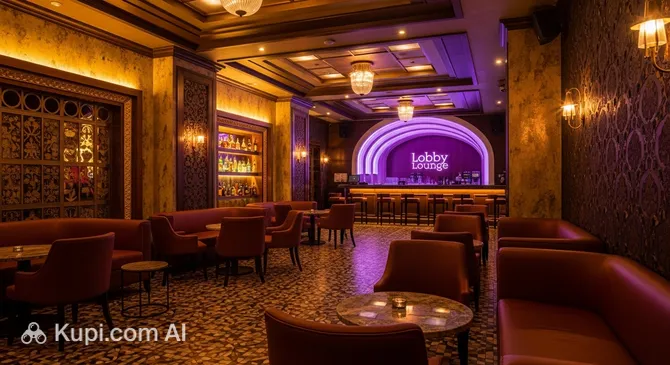
One of the popular spots for evening relaxation is the Tipsy Pig Gastropub, known for its excellent cuisine and wide selection of drinks. This place is ideal for unwinding after a working day in the company of friends. For a more sophisticated evening, you can choose The Lobby Lounge at the Edsa Shangri-La Hotel, where guests will find an elegant interior and a calm environment.

Lobby Lounge. Illustration.
Source: Kupi.com AI

Traveler photos:

Daytime entertainment lovers will find plenty of interest in the city's shopping malls, such as Robinsons Galleria, which features modern cinemas, bowling centers, and gaming zones. Security in popular areas like Ortigas is maintained at a high level, and for comfortable travel at night, it is best to use mobile taxi apps.

Tipsy Pig Gastropub. Illustration.
Source: Kupi.com AI

Traveler photos:

Parks & Museums

Despite its high building density, Pasig preserves several important cultural and natural spaces. The most popular place for walking is the Pasig City Rainforest Adventure Experience. This green space offers not only shaded alleys but also educational zones, including a botanical garden and a small open-air museum, making it a great place for family outings.

The city's cultural life is represented by the Pasig City Museum, located in a historical building. The museum's exhibition tells the story of the city's journey from an ancient settlement to a modern metropolis, featuring rare photographs, artifacts, and household items from different eras. It is a must-visit place for those who want to gain a deeper understanding of the area's identity.

For lovers of modern landscape design, ArcoVia City is of interest—a new urban space with open recreational areas and monumental sculptures. Although park zones in the city are not so numerous, small "islands" like Freedom Park or the squares in the Valle Verde area allow residents and tourists to find a quiet corner amidst the noise of the highways.

ArcoVia City. Illustration.
Source: Kupi.com AI

Traveler photos:

Getting Around

The transport system of Pasig reflects the dynamics of the entire capital region. The main means of transport for locals are jeepneys—colorful Filipino minibuses that run along fixed routes. Numerous buses also run through the city, connecting Pasig with other parts of Manila via key arteries like Ortigas Avenue and the C-5 Road.

For traveling short distances within residential neighborhoods, tricycles (motorcycles with sidecars) are indispensable. This is the fastest way to reach narrow streets where buses do not go. Payment in jeepneys and tricycles is made in cash to the driver, so it is always useful to have small coins and bills with you.

A modern alternative is using ride-hailing apps, the most popular of which is Grab. This is the safest and most comfortable way for tourists to move around, especially in hot weather or during the evening. Although there is no metro inside Pasig itself, the proximity to the MRT-3 line (Ortigas and Shaw Blvd stations) allows for quick travel to other areas of the metropolis.

The main tip for any traveler in Pasig is to allow extra time for the journey. Traffic jams are common here, especially during peak hours. If you need to make it to a meeting or the airport, it is better to leave early and use navigation apps like Waze to monitor the traffic situation in real time.

Accommodation

Accommodation options in Pasig are primarily geared toward business travelers and those planning a long-term stay. The majority of hotels are concentrated in the Ortigas Center district. Here you can find both luxury chain hotels and comfortable mid-range apartments. Staying in this area is convenient due to being within walking distance of the largest shopping centers and office buildings.

For family tourists and expats, serviced apartments in the Kapitolyo and Ugong areas are popular choices. They offer home-like comfort combined with hotel services: swimming pools, gyms, and 24-hour security. Budget options include small city hotels and guesthouses, which are often chosen by transit travelers.

If you plan to visit the city during major business exhibitions or national holidays, it is recommended to book accommodation in advance through international services. The price range varies greatly: from affordable condominiums on Airbnb to premium suites in 5-star hotels. Pay attention to the availability of parking if you plan to rent a car, as free space in the city center is a rarity.

Nearby Cities

Pasig is an excellent starting point for exploring the surroundings of Metro Manila, offering convenient access to neighboring cities with their unique attractions. Just a few kilometers away is the Ugong district, which transitions seamlessly into modern neighborhoods with business centers and parks, ideal for daytime strolls.

Only 3 kilometers away is Pateros, the only municipality in the capital region that has retained its "town" status. It is famous for its traditional crafts and culinary specialties, such as balut. It is also worth visiting Cainta in Rizal province, which is known for its festivals and delicious bibingka rice cakes.

CityPopulationDistance
Ugong22 2661 km
Pateros65 2273 km
West Rembo29 6493 km
Cainta376 9334 km
Guadalupe Nuevo18 3414 km

For those who want to swap the city bustle for a more tranquil atmosphere, a trip toward the eastern hills of Rizal province would be a great solution. Exploring nearby areas will allow you to better understand the multifaceted culture of the region and see how people live beyond the shining skyscrapers of the business center.

Shopping & Souvenirs

Shopping in Pasig is a large-scale and exciting activity that can take more than one day. The city is located at the intersection of the region's main trade routes. Part of the famous Ortigas Center is located here, where giant shopping complexes are concentrated, such as Robinsons Galleria and SM Megamall, located right on the city border and ranking among the largest malls in the world.

For those who prefer modern open spaces, ArcoVia City is an excellent choice. Here you can combine shopping at brand boutiques with relaxing in outdoor cafes. This place features a calmer rhythm compared to the crowded malls in the center and attracts visitors with its stylish architecture.

ArcoVia City. Illustration.
Source: Kupi.com AI

Traveler photos:

If you want to experience local flavor and purchase fresh products or inexpensive everyday goods, head to the Pasig Public Market. This huge market is one of the cleanest and most organized in Metro Manila. Popular souvenirs from the city often include pearl jewelry, accessories made from abaca fibers, and traditional Filipino sweets, which are abundantly represented in the specialized departments of large shopping centers.

Most shops in the malls are open from 10:00 to 21:00 or 22:00. Cards are accepted almost everywhere in large chains, but at local markets and in small shops, you will definitely need cash in Philippine pesos.

Reached the end of the page?

That means the route is fully explored