Support

Alcochete

About

Alcochete is a charming town with a rich history and a unique atmosphere, located on the picturesque south bank of the Tagus River. It attracts travelers with its tranquility, authenticity, and closeness to nature, offering a unique blend of traditional Portuguese lifestyle and modern amenities.

The town is situated in the Setúbal District, within the Lisbon metropolitan area, just a few kilometers from the capital of Portugal, to which it is connected by the famous Vasco da Gama Bridge. The population of Alcochete is approximately 17,500 people, giving it a cozy, almost homey character.
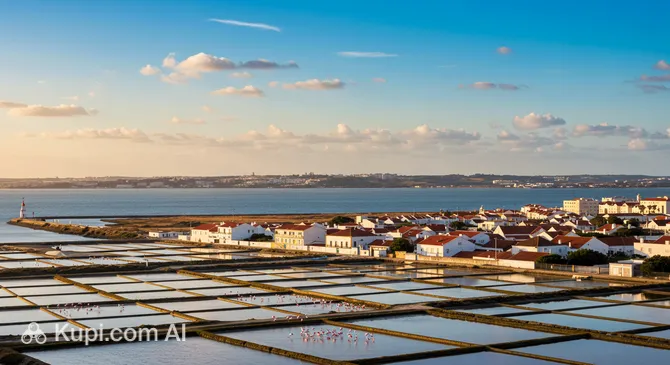
Alcochete. Illustration.
Source: Kupi.com AI

One of the main highlights of Alcochete is its historic center with narrow cobbled streets, traditional houses, and old churches, such as the Church of Mercy (Igreja da Misericórdia). Not far from the town lies the Tagus Estuary Nature Reserve (Reserva Natural do Estuário do Tejo), one of the most important wetlands in Europe. This place attracts birdwatchers from all over the world for the opportunity to observe flamingos and many other bird species in their natural habitat.

For bargain hunters, Alcochete is home to one of the largest outlets in Europe — Freeport Lisboa Fashion Outlet, featuring many well-known brands. The town is also famous for its traditional festivals, such as the Festa do Barrete Verde e das Salinas, which vividly showcase local culture and customs. Alcochete is a wonderful destination for those looking to escape the hustle and bustle of the city, enjoy beautiful landscapes, and experience authentic Portuguese culture.

Come to Alcochete to discover its quiet charm, stroll along the promenade, taste fresh seafood in local restaurants, and feel the spirit of old Portugal.

You can find more interesting facts on the history of Alcochete page.

Weather Overview

The weather in Alcochete is characterized by warm, dry summers and mild, wetter winters. The average annual temperature fluctuates, peaking in July and August, when the average maximum temperature rises to 28-29°C, and precipitation is practically non-existent. The coolest months are January and December, with an average minimum temperature around 8-9°C and a maximum around 15-16°C. During these months, there is a small amount of rainfall, averaging 1-2 mm, with 6-9 rainy days per month. Spring and autumn offer comfortable temperatures with moderate rainfall. Expect a hot and dry summer, and a mild, relatively wet winter.

To get more detailed information on weather conditions and forecasts, you can visit the Alcochete Climate page.

Average monthly temperature

Average monthly precipitation

Interesting Facts

Alcochete is not only a charming town on the banks of the Tagus with a rich history, but also a place that holds many surprising secrets and little-known details. Here are just a few that might interest you:

  • Few people know that Alcochete was the birthplace of King Manuel I of Portugal in 1469, known as "The Fortunate" (O Venturoso). His reign coincided with the Golden Age of Portuguese discoveries, and it is believed the future monarch spent a significant part of his youth here, enjoying the views of the Tagus River.

  • While the salt pans of Alcochete (salinas) are famous today for their picturesque landscapes and as a habitat for flamingos, historically they were of immense economic importance. For centuries, salt production here was so profitable that it was considered a royal prerogative, bringing significant revenue to the Portuguese crown and turning "white gold" into a vital export commodity.

  • Alcochete has deep roots in the traditional shipbuilding of the Tagus River. The town was known for craftsmen who built "varinos" — characteristic flat-bottomed cargo boats with high, curved bows and sterns. These vessels were once an integral part of river life, facilitating trade and communication between settlements along the Tagus.

  • The official history of Alcochete as a self-governing settlement began a very long time ago. The town received its first foral (a royal charter granting rights and privileges) from King Dinis I back in 1300. This important document confirmed the strategic and economic importance of Alcochete as early as the beginning of the 14th century.

How to Get There

When planning your trip, it is important to think through your route in advance. You can find all the ways to reach the town by following the link: more details on how to get to Alcochete.

Since Alcochete does not have its own airport, the main air hub for arrival is Lisbon Portela Airport (LIS). This is a major international airport located in Lisbon, just 15.5 km from Alcochete. Due to its proximity to the capital, a transfer by taxi or bus will not take much time — approximately 45 minutes, considering the crossing of the Vasco da Gama Bridge. You can find more information about the region's main air gateway on the Lisbon Portela Airport page.

As an alternative for travelers planning a more complex route through the country, Faro Airport (FAO), located in the south, can be considered. It is in the city of Faro, about 212 km from Alcochete. A car trip from there will take about 5.5 hours. Porto Airport (OPO) in the city of Porto also operates in the north of the country (distance about 277 km). You can learn more about these airports via the links: Faro Airport and Porto Airport.

For convenience, here is a summary of the main airports:

AirportPassenger trafficDistance
Lisbon Portela Airport35.1 mln16 km
Cascais Municipal Aerodrome35 00034 km
Badajoz Airport75 416186 km
Faro Airport9.8 mln212 km
Porto Airport15.9 mln278 km

Rail travel can also be part of your itinerary, although there is no direct station in Alcochete. The nearest major station on the list is Badajoz Railway Station, located in the city of Badajoz. The distance to the center of Alcochete is about 172.5 km, which would require a long transfer (approximately 4.5–5 hours by car). Another option is Merida Railway Station in the city of Merida, located about 228 km away.

Below is a table with information on the nearest railway stations:

StationPassenger trafficDistance
Badajoz Railway Station125 198172 km
Mérida Railway Station470 592228 km
Cáceres Railway Station426 505236 km
Huelva Station295 000243 km

Main Attractions

Alcochete, a charming town on the banks of the Tagus River, offers its guests several interesting places to visit. Here you can find both historical monuments and modern entertainment, as well as unique natural spots.

One of the main architectural landmarks of the town is the Church of St. John the Baptist (Igreja Matriz de São João Batista). This church, with elements of the Manueline style, impresses with its history dating back to the Middle Ages and its beautiful interior decoration. It serves not only as an important religious center but also as a testament to Alcochete's rich past.

Nature lovers and fans of unusual landscapes should definitely visit the Samouco Salt Pans (Salinas do Samouco). This is a vast area where salt is still extracted using traditional methods. Additionally, the salt pans are an important habitat for many bird species, including elegant flamingos. An excursion here allows you to learn about an ancient craft and enjoy birdwatching in their natural environment.

For those who can't imagine a trip without shopping, Alcochete offers the Freeport Lisboa Fashion Outlet. It is one of the largest outlet centers in Europe, where you can find products from world-famous brands at significant discounts. This is a great opportunity to update your wardrobe and purchase high-quality items at attractive prices.

The picturesque Alcochete promenade, stretching along the Tagus River, is also not to be missed. It is an ideal place for leisurely strolls, offering peaceful views of the river and the Vasco da Gama Bridge in the distance. Here you will also find the small river beach, Praia dos Moinhos, where you can relax in warm weather and feel the laid-back atmosphere of the Portuguese province.

Local Cuisine

The cuisine of Alcochete is a true gastronomic journey, steeped in the aromas of the Tagus River and the Atlantic Ocean. Located on the banks of the estuary, the town is famous for its dishes made from the freshest seafood and fish, which form the basis of the local diet and attract foodies.

Be sure to try traditional dishes that best reflect the culinary soul of Alcochete. Among them, Caldeirada de peixe stands out — a rich and flavorful fish stew made with several types of fish, potatoes, and vegetables. No less popular is Arroz de Marisco — succulent rice with a variety of seafood, from shrimp to mussels. Of course, you cannot miss fresh grilled fish (peixe grelhado) — a simple yet incredibly delicious way to enjoy the bounty of local waters. Delicacies such as Amêijoas à Bulhão Pato (clams in a garlic and cilantro sauce) are also frequently found on the table.

The gastronomic scene in Alcochete is characterized by a prevalence of traditional restaurants and "tascas," many of which are located along the promenade, offering beautiful river views. Here, they value fresh ingredients and a homemade approach to cooking. Locals and tourists alike prefer to have lunch and dinner in such establishments, enjoying the authentic atmosphere and hospitality. While street food is not as common here as in major metropolises, local markets offer fresh produce and local specialties.

Meals in Alcochete are typically accompanied by local drinks. Portuguese wines are highly regarded here: from the light and refreshing Vinho Verde (green wine) to full-bodied reds and whites from nearby regions like Tejo. Moscatel de Setúbal deserves special mention — a sweet dessert wine from the neighboring region that perfectly complements your dinner. Among non-alcoholic drinks, freshly squeezed juices and traditional Portuguese lemonades are popular.

For tourists, the gastronomy of Alcochete is attractive for its authenticity and high quality of products, especially seafood. It's an opportunity to taste real Portuguese cuisine in its coastal variation, enjoy dishes prepared according to ancient recipes, and feel the slow pace of life in a Portuguese town by the water. The combination of delicious food, good wine, and picturesque views makes dining in Alcochete a truly unforgettable experience.

Travel Tips

Planning a trip to charming Alcochete, nestled comfortably on the banks of the Tagus River? To ensure your journey through this picturesque corner of Portugal goes smoothly and leaves only pleasant impressions, we have prepared a few practical tips.

  1. Clothing and Essentials:

    The climate in Alcochete is mild and Mediterranean. In summer (June-August), bring light, breathable clothing made of cotton or linen, swimwear, sunscreen, a hat, and sunglasses. In spring and autumn, the weather is changeable, so layered clothing is useful: t-shirts, light sweaters, jeans, and a windbreaker or light jacket. Winters can be cool and rainy, so pack warm clothes and a raincoat. Comfortable shoes are extremely important for walking on the cobbled streets. Don't forget a European adapter (Type F). When visiting churches, such as the Igreja Matriz de Alcochete, it is customary to cover shoulders and knees.

  2. Transportation around Town and Surroundings:

    Alcochete is a small town that is easy to explore on foot. For trips to Lisbon or other neighboring cities, you can use the Carris Metropolitana bus network, which regularly runs across the Vasco da Gama Bridge. You can also consider the ferry from the neighboring town of Montijo to Lisbon. Taxis are available, and apps like Bolt or Uber may work, though their availability might be lower than in the capital. Renting a car would be a good choice if you plan to actively explore the Setúbal region and the coast; parking in Alcochete is usually easier than in large cities.

  3. Finances: Currency, Cards, and Tipping:

    The official currency in Portugal is the Euro (EUR). You can exchange money at banks or exchange offices (câmbios), although the selection in small Alcochete may be limited — it's better to do this at the airport or in Lisbon. Credit and debit cards (Visa, Mastercard) are widely accepted in most shops, restaurants, and hotels. ATMs (Multibanco) are easy to find and offer a wide range of services. An approximate daily budget is 50-80 euros per person (excluding expensive accommodation). Tipping is not mandatory but welcomed: 5-10% in restaurants for good service or rounding up the amount in a taxi.

  4. Health and Safety:

    Alcochete is considered a very safe town. Nevertheless, always follow standard precautions: keep an eye on your belongings, especially in crowded places. Pharmacies (Farmácia) are easy to find by the green cross; there is always a duty pharmacy (farmácia de serviço) open 24/7 (information can be found on the doors of other pharmacies). EU citizens are recommended to have a European Health Insurance Card (EHIC). For other tourists, having travel insurance is mandatory. In emergencies, call 112. There is a local health center (Centro de Saúde) in town.

  5. Communication and Language:

    The official language is Portuguese. In tourist areas and among young people, many speak English, but knowing a few basic phrases in Portuguese (e.g., "Olá" – hello, "Obrigado/Obrigada" – thank you (m/f), "Por favor" – please, "Quanto custa?" – how much does it cost?) will be very useful and warmly welcomed by the locals. SIM cards from local operators (MEO, Vodafone, NOS) can be purchased at Lisbon Airport or in specialized stores. Wi-Fi is available in most hotels, cafes, and restaurants.

  6. Local Etiquette and Interaction:

    Portuguese people are friendly and hospitable. A handshake is common when meeting. For closer acquaintances or among friends, two symbolic kisses on the cheeks (starting with the right) are the norm. In public places, politeness and respect for others, especially the elderly, are valued. Try not to be excessively noisy. Use polite forms when addressing strangers.

  7. What to Avoid:

    Try not to compare Portugal with Spain — the Portuguese are very proud of their unique culture and history. Also, be careful with football topics unless you are sure of your interlocutor's club affiliation; Alcochete is home to the famous Sporting CP football academy, and the sport is very popular here. Avoid loud criticism of local cuisine or traditions.

  8. A Special Tip for Alcochete:

    Don't miss the chance to visit the Estuário do Tejo Nature Reserve, located nearby. It is one of the largest wetlands in Europe, an ideal place for birdwatching, including impressive flamingos. If your visit coincides with August, try to attend the Festas do Barrete Verde e das Salinas — a vibrant and authentic local festival with traditional bull runs in the streets (largadas) and folk celebrations.

We hope these tips help you better prepare for your trip and enjoy every moment in Alcochete, discovering its quiet charm, rich history, and the hospitality of its residents. Have a great journey!

Entertainment & Nightlife

The nightlife in Alcochete is significantly different from the boisterous parties of Lisbon. This cozy town in Portugal offers a more relaxed and authentic form of recreation. You won't find massive night clubs with techno music until dawn here; instead, there are many atmospheric spots where you can enjoy excellent wine, snacks, and conversation. Most of the evening activity is concentrated along the Tagus River promenade, which offers a stunning view of the Vasco da Gama Bridge, especially beautiful when illuminated at night.

The historic center and the coastal zone, particularly Avenida dos Combatentes da Grande Guerra, become the hub of evening activity. Here, you'll find cozy bars and restaurants with open-air terraces. A popular form of leisure is visiting "tascas" — traditional taverns where locals gather to discuss the news and listen to music. The atmosphere here is very casual and friendly; most establishments do not have a dress code (casual style is appropriate everywhere), and the crowd consists mainly of locals and tourists seeking tranquility.

If you are looking for a more modern entertainment format, it's worth checking out the area where the Freeport Lisboa Fashion Outlet is located. Although primarily a shopping center, in the evening it turns into an entertainment zone with a cinema and many restaurants operating until late. It is a great place for those who want to combine shopping with dinner and a movie. In the town itself, it's worth stopping by the riverside bars, such as Bar do Rio (if open during the season), to enjoy a cocktail to the sound of the waves.

Prices in Alcochete establishments are generally lower than in the capital. A glass of wine or beer will cost less, while the quality of the drinks remains high. The best time to start your evening is around 8:00 PM – 9:00 PM, when the heat subsides and the town comes alive. Regarding transportation, bus service to Lisbon can be limited at night, so if you plan to return to the capital late, it's best to pre-install taxi apps like Uber or Bolt — this is the most reliable way to travel at odd hours.

In terms of safety, Alcochete is a very peaceful place. The crime rate is low, and you can walk through the illuminated streets of the center or the promenade without fear even late at night. Nevertheless, as everywhere, it's worth using common sense and not leaving personal belongings unattended.

During the day, the town offers just as many interesting activities. Nature lovers and those enjoying quiet walks should visit the Salinas do Samouco nature reserve, where you can see flamingos and learn about the history of salt mining. For those interested in culture, the Municipal Museum (Museu Municipal de Alcochete) is worth a visit, telling the story of the region and its fishing traditions.

Parks & Museums

Alcochete, a charming town on the banks of the Tagus River, offers its guests a pleasant combination of natural beauty and an introduction to local culture. Here, you can enjoy quiet walks along the promenade, explore unique ecosystems, and immerse yourself in the region's history through its small but significant museums and monuments.

One of the main natural attractions near Alcochete is the Tagus Estuary Nature Reserve (Reserva Natural do Estuário do Tejo). This is a vast wetland area of immense importance for migratory birds, including the famous pink flamingos. Visitors can enjoy birdwatching, walking along specially designed trails, and peaceful landscapes. Alcochete's own promenade, Frente Ribeirinha, is also a wonderful place to relax: here you can stroll while admiring the views of Lisbon on the opposite bank and feeling the fresh river breeze. Small green zones and parks where you can rest are often located along the waterfront.

Regarding cultural heritage, the Alcochete Municipal Museum (Museu Municipal de Alcochete) is worth your attention. The museum's exhibitions are usually dedicated to the town's rich history, its connection to the river, traditional crafts such as salt mining and fishing, as well as local customs and daily life. It is a great place to gain a deeper understanding of Alcochete's identity. Another important cultural and architectural site is the Main Church of St. John the Baptist (Igreja Matriz de São João Batista). This church is typically the oldest and most significant religious building in the town, housing elements of various architectural styles and works of art.

The salt pans (Salinas de Alcochete) also cannot be overlooked, as they are an integral part of the region's landscape and history. Although not a museum in the traditional sense, these active or historical salt works are a living testament to a centuries-old trade and create unique landscapes, especially at sunset. A walk around their surroundings can be a very authentic experience.

For a deeper immersion into the atmosphere of Alcochete, we recommend simply wandering through the narrow streets of the historic center. Here you will find traditional houses, small squares, and you can feel the leisurely rhythm of local life, perhaps by stopping at one of the cozy local taverns.

Getting Around

When planning your movement around Alcochete and its surroundings, you will find that the public transport system here is quite simple and primarily focused on bus services. The town does not have its own metro or tram system, which is typical for settlements of this size, but this does not prevent you from comfortably reaching key points and neighboring cities, including Lisbon.

The main form of public transport in Alcochete is buses. They connect various districts of the town and provide service to larger transport hubs such as Montijo, from where you can, for example, reach Lisbon by ferry or bus. Bus routes serve both local needs and trips to the capital and other nearby settlements.

The fare payment system in the region is generally integrated into the broader Lisbon Metropolitan Area system. This means that for paying for trips, it is convenient to use the Navegante transport card, which can be topped up. This card is valid on various types of transport in the capital region. Single tickets are also usually available for purchase directly from the driver (which may be slightly more expensive) or at special sales points and machines, if available at stops or stations.

Tourists are advised to check bus schedules in advance, especially if planning trips in the evening or on weekends when service intervals may be longer. Tickets or the Navegante card must be validated upon entering the bus. Information about routes and schedules can often be found at stops or on the websites of the transport companies serving the region.

In addition to buses, other methods of transportation are available in Alcochete and its vicinity. Taxis and ride-hailing services (such as Uber or Bolt, if active in the area) offer a more personalized, though more expensive, option. For exploring the town itself and its picturesque surroundings over short distances, a bicycle may be suitable – there are pleasant routes for riding. If you plan to travel actively throughout the region, renting a car can also be a convenient solution. For trips to Lisbon, besides buses, consider taking the ferry from the neighboring town of Montijo, which can be an interesting experience.

Accommodation

When planning a trip to Alcochete, you will find a variety of accommodation options to suit different preferences and budgets. The town offers a cozy atmosphere, and the choice of lodging reflects this character.

In Alcochete, you can find traditional guest houses (pensions) and rental apartments, as well as small hotels. Many options provide an authentic staying experience, allowing you to dive deeper into the local culture. Apartments are especially popular among families and those who prefer more independence during their travels. The selection varies from budget options to mid-range accommodations.

For tourists, the most convenient areas to stay are considered to be those near the historic center of the town or along the Tagus River promenade. This allows you to be within walking distance of the main attractions, restaurants, and shops, while also enjoying the picturesque views. Transport accessibility in these areas is usually good.

As for prices, you can find accommodation for different budgets in Alcochete. In general, prices here are more affordable compared to the major tourist centers of Portugal. It is recommended to book accommodation in advance, especially if your trip falls during the peak tourist season (summer and major holidays), to ensure you get the best selection and prices. Most accommodation options can be found and booked through popular online platforms, although some smaller guest houses may offer direct booking.

Nearby Cities

For those who wish to explore the surroundings, Alcochete serves as an excellent starting point for day trips to several interesting nearby locations:

CityPopulationDistance
Montijo51 2226 km
Moita66 02912 km
Sacavém18 46913 km
Pinhal Novo25 00014 km
Barreiro78 76415 km

These nearby destinations offer a glimpse into the diverse culture and landscapes of the region. Every trip promises new discoveries, whether it's the historical sights of the vibrant capital or the charm of smaller towns.

Shopping & Souvenirs

General Overview: Shopping in Alcochete is a unique blend of traditional Portuguese flavor and modern opportunities for bargain hunting. The town is widely known beyond the region thanks to one of the largest outlets in Europe, which attracts brand hunters. However, beyond this, the atmosphere of cozy provincial trade remains: small family shops, craft workshops, and stores with local products allow you to take home a piece of the soul of this place.

Main Shopping Areas and Streets: The heart of traditional trade beats in the historic center (Centro Histórico). Walking through the cobbled streets around Largo de São João and adjacent alleys, you will find many small shops. These sell clothing, footwear, accessories, and home goods. It is an ideal place for leisurely shopping combined with architectural sightseeing and relaxing in outdoor cafes.

Shopping Centers: The absolute center of attraction for tourists is the Freeport Lisboa Fashion Outlet. It is not just a shopping center, but a real open-air city with streets, squares, and fountains. Here, dozens of boutiques from global brands offer clothing, shoes, and perfumes at significant discounts year-round. The complex is so large that you should set aside a full day or at least several hours for your visit.

Markets: To get to know the region's gastronomic culture, be sure to visit the Municipal Market (Mercado Municipal). Here, locals buy the freshest fish and seafood caught in the Tagus estuary, as well as farm-grown vegetables and fruits. The market atmosphere is lively and authentic. Periodically, craft and antique fairs are held in the town, where you can find unique handmade items.

Souvenirs: From Alcochete, it's worth bringing back the famous local salt — Flor de Sal, harvested from the Samouco salt pans; it is considered one of the best in the world and makes an excellent gift for foodies. Don't forget the traditional Fogaças de Alcochete — sweet buns with the aroma of cinnamon and lemon. Cork products, ceramics, and wines from the Setúbal Peninsula region, known for their rich flavor, are also popular.

Opening Hours and Payment: Shops in the town center typically operate from 9:00 or 10:00 AM to 7:00 PM, often with a lunch break from 1:00 PM to 3:00 PM. The large Freeport outlet is open daily from 10:00 AM to 10:00 PM (often later on weekends) without breaks. Visa and Mastercard bank cards are accepted almost everywhere; however, it is better to have cash euros for purchases at the market or in small kiosks.

Tax Free: Tourists residing outside the European Union can take advantage of the tax refund system (Tax Free) for purchases over a certain amount (usually over 50-60 euros in one receipt). Most shops in the Freeport outlet support this system: look for the "Tax Free Shopping" logo on storefronts and don't forget to ask for the special form when paying for your goods.

Reached the end of the page?

That means the route is fully explored