Support

Fatima

About

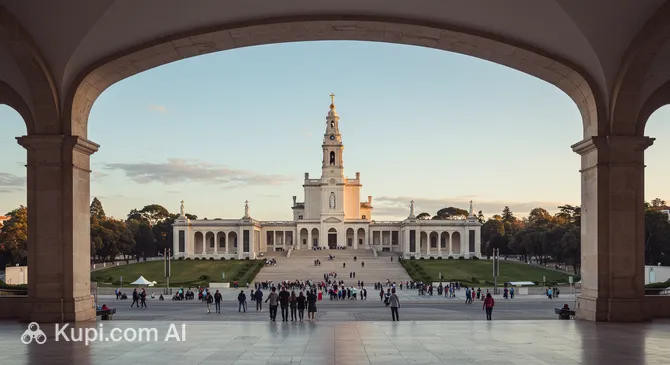
Fatima is a small town in central Portugal, world-renowned as one of the most important Catholic pilgrimage sites. The area possesses a special, peaceful atmosphere that attracts millions of believers and tourists every year. Located in the Santarém District, about 130 km north of Lisbon, Fatima has a population of approximately 13,000 and features a mild Mediterranean climate.

Fatima. Illustration.
Source: Kupi.com AI

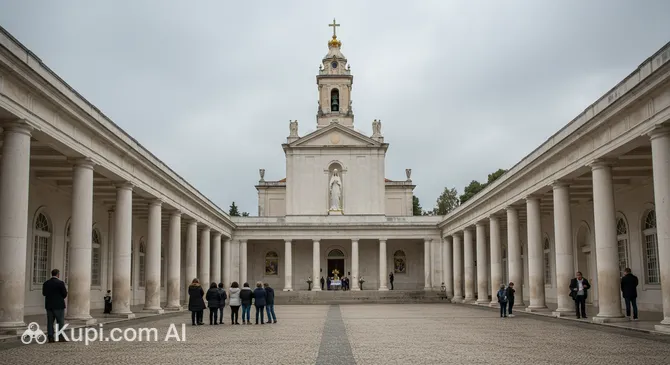
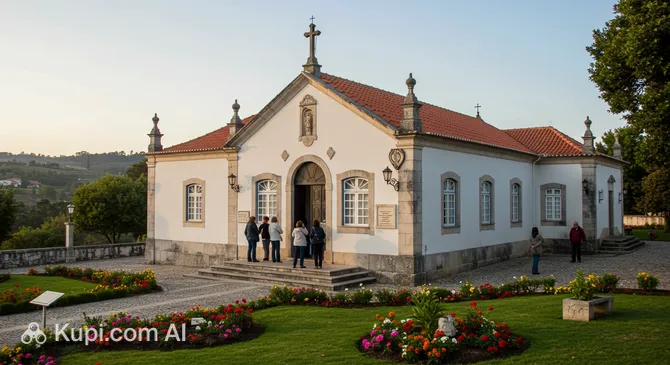
The main attraction in Fatima is undoubtedly the Sanctuary of Fatima (Santuário de Fátima). This grand complex includes the Basilica of Our Lady of the Rosary (Basílica de Nossa Senhora do Rosário), where the remains of the three visionary shepherd children rest, and the modern Basilica of the Most Holy Trinity (Basílica da Santíssima Trindade), one of the largest Christian churches in the world. A special place is held by the Chapel of the Apparitions (Capelinha das Aparições), built on the site where, according to tradition, the Virgin Mary appeared to the children in 1917.

Beyond the Sanctuary itself, pilgrims and tourists often visit the houses where the shepherd children—Lucia, Francisco, and Jacinta—lived, and walk the Sacred Way (Via Sacra), which leads to the site of the Angel of Peace's appearance in Valinhos. These locations allow for a deeper immersion into the history of Fatima and its spiritual significance.

Fatima is not just a city; it is a place of deep faith, hope, and reflection. A visit to Fatima leaves a lasting impression regardless of religious beliefs, offering a unique experience of touching history and spirituality.

You can find more interesting facts on the history of the city of Fatima page.
Weather Overview

The weather in Fatima is typically characterized by warm, dry summers and mild, wetter winters. The summer months, especially July and August, are the hottest and sunniest, with average temperatures around 21-22°C and minimal rainfall. In winter, from December to February, the average temperature stays around 10-12°C, with November being one of the rainiest months. Spring and autumn offer pleasant moderate weather, ideal for visiting the city.

Overall, Fatima features warm summers with minimal precipitation and mild, rainier winters. The average annual temperature ranges from approximately 10°C in January to 22°C in August. The highest amount of rainfall occurs during the autumn-winter period, particularly in November, while July and August are virtually rain-free. To learn more about weather conditions, you can check the detailed climate of Fatima.

Average monthly temperature

Average monthly precipitation

Interesting Facts

In addition to its worldwide fame as a pilgrimage center, Fatima hides many surprising details and stories that not everyone knows. Discover some of them:

  • The name of the town Fatima has Arabic roots. It is believed to originate from the name of a Moorish princess, Fatima, who lived during the Reconquista, converted to Christianity, and married a Portuguese count.

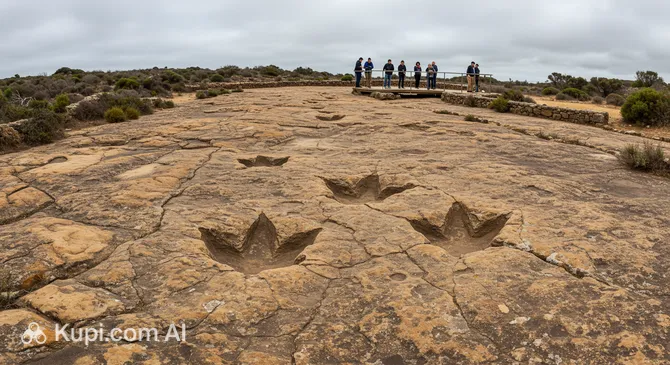
  • In the vicinity of Fatima, specifically at the Dinosaur Footprints Natural Monument (Ourém/Torres Novas), you can see real dinosaur footprints left millions of years ago. This is a fascinating juxtaposition of the planet's ancient history and one of the world's major spiritual centers.

  • Near the Chapel of the Apparitions in the Sanctuary of Fatima, a fragment of the Berlin Wall is installed. This 2.6-ton segment was donated by a Portuguese emigrant living in Germany and was placed in 1991 as a symbol of the fall of communism, which was mentioned in one of the "secrets of Fatima."

  • Not far from the main sanctuary complex, in the village of Valinhos, lies the Hungarian Calvary (Kálvária built by Hungarian emigrants), also known as the Hungarian Golgotha. This complex of chapels was built by Hungarian refugees after World War II as a gesture of gratitude for the hospitality they received and in memory of the suffering in their homeland.

Natural Monument of Dinosaur Footprints (Ourém/Torres Novas). Illustration.
Source: Kupi.com AI

Traveler photos:

How to Get There

Fatima is one of the most famous pilgrimage centers in the world, located in the central part of Portugal. Thanks to the country's developed transport network, getting here is quite easy. To plan your route in maximum detail, you can find more about how to get to Fatima by considering various transport options.

The majority of tourists and pilgrims arrive in the region via international airports. There is no airport in the town of Fatima itself, but you can fly into Lisbon Portela Airport (LIS) in Lisbon, which is approximately 102 km from Fatima. This is the country's main aviation hub, receiving flights from all over the world. The journey from the airport to the shrine by taxi or intercity bus usually takes about 1 hour and 30 minutes.

An alternative option is Porto Airport (OPO), located in the city of Porto. it is approximately 181 km from Fatima. The drive by car or bus from this airport will take about 2 hours. This is an excellent choice for those who want to combine a visit to northern Portugal with their pilgrimage.

For convenience, here is a summary of the main airports:

AirportPassenger trafficDistance
Lisbon Portela Airport35.1 mln102 km
Cascais Municipal Aerodrome35 000116 km
Badajoz Airport75 416177 km
Porto Airport15.9 mln181 km
Vigo Airport1.1 mln290 km

Regarding rail travel, it is worth considering the location of the nearest major hubs. There is no railway station from the provided list in the town of Fatima itself, but you can travel to the Badajoz Railway Station in the city of Badajoz, which is about 165 km from Fatima. This requires additional transfer planning.

Also in the region (though at a significant distance) is the Vigo Railway Station in the city of Vigo, located about 290 km from the town. Travelers should think through the logistics of moving from these stations to their final destination in advance.

Below is a table with information on the nearest major railway stations:

StationPassenger trafficDistance
Badajoz Railway Station125 198165 km
Cáceres Railway Station426 505196 km
Mérida Railway Station470 592214 km
Vigo Railway Station1.3 mln291 km
Salamanca Railway Station296 km

Main Attractions

Fatima is more than just a city; it is a place with a deep spiritual heritage that attracts pilgrims and tourists from all over the world. The key attractions of Fatima are inextricably linked to the events of 1917 and offer a unique opportunity to experience a history of faith and hope.

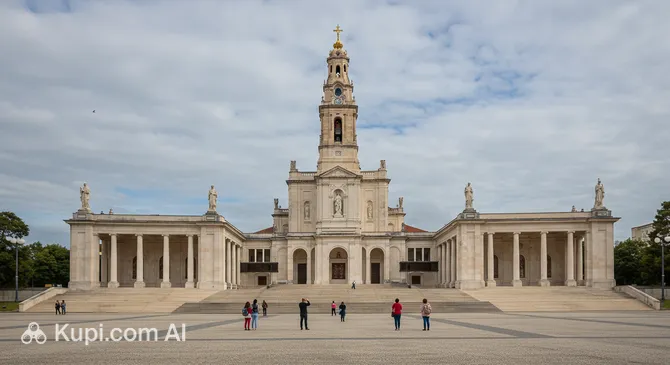
The heart of the city is the Sanctuary of Our Lady of Fatima. This vast complex, comprising several significant structures, attracts millions of pilgrims annually. An atmosphere of prayer and tranquility prevails here, while its scale and architectural design leave a lasting impression. A visit to the Sanctuary allows you to connect with the history of the apparitions and feel the special energy of this place.

Sanctuary of Our Lady of Fátima. Illustration.
Source: Kupi.com AI

Traveler photos:

A central site within the Sanctuary is the Chapel of the Apparitions (Capelinha das Aparições). It was built on the exact spot where, according to tradition, the Virgin Mary appeared to the three shepherd children in 1917. This small but incredibly significant structure is the focal point of prayer life in Fatima. Believers from around the world come here to pray at the statue of Our Lady of Fatima installed in the chapel.

Chapel of the Apparitions. Illustration.
Source: Kupi.com AI

Traveler photos:

The majestic Basilica of Our Lady of the Rosary (Basílica de Nossa Senhora do Rosário) is one of the Sanctuary's dominant features. Built in a Neo-Baroque style, it is crowned by a 65-meter tower. Inside the basilica are the tombs of the three visionary shepherd children: Lucia, Francisco, and Jacinta. Its interior is decorated with stained glass and mosaics depicting scenes from the apparitions and the prayers of the Rosary.

Basilica of Our Lady of the Rosary of Fatima. Illustration.
Source: Kupi.com AI

Traveler photos:

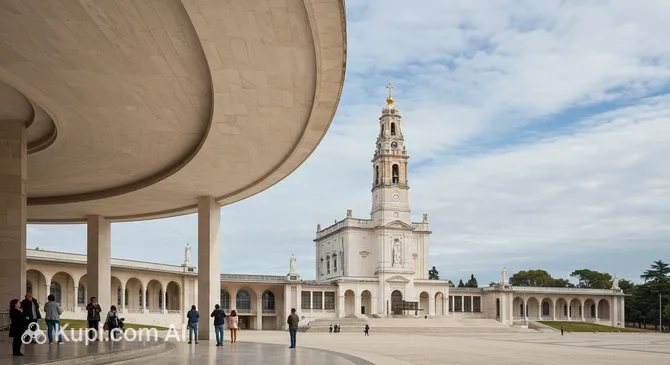
Another important part of the Sanctuary is the modern Basilica of the Most Holy Trinity (Basílica da Santíssima Trindade). Opened in 2007, it is striking in size—one of the largest Christian churches in the world, capable of seating about 9,000 people. Its modern architecture, designed in a minimalist style, aims to create a space for prayer and contemplation. The basilica is also known for its religious artworks by contemporary masters.

Basilica of the Most Holy Trinity. Illustration.
Source: Kupi.com AI

Traveler photos:

To gain a deeper understanding of Fatima's history, it is worth visiting the homes where the shepherd children lived. Lucia's House (Casa de Lúcia) in the village of Aljustrel, as well as the nearby homes of Francisco and Jacinta Marto, have been preserved in their original state. These modest dwellings allow visitors to imagine life at the beginning of the 20th century and the environment in which the children who witnessed the miraculous events grew up. This is a touching reminder of simplicity and faith.

House of Lucia. Illustration.
Source: Kupi.com AI

Traveler photos:

Local Cuisine

The cuisine of Fatima, like in many cities in Portugal, is characterized by its heartiness, use of fresh ingredients, and loyalty to tradition. Although the town is primarily known as a spiritual center, gastronomic experiences here can also be a pleasant part of your trip. Local culinary offerings include simple yet delicious dishes capable of restoring strength after long walks and visits to the shrines.

Among the dishes worth trying in Fatima, classic Portuguese specialties stand out. Be sure to look for bacalhau—dried salted cod, which is prepared here in hundreds of ways: fried, baked, or with potatoes and vegetables. Meat dishes are also popular, such as cozido à portuguesa—a hearty stew made from various types of meat, sausages, and vegetables. Don't miss the chance to try local soups, which are often thick and rich, as well as fresh bread and regional cheeses. And, of course, don't forget the famous Portuguese pastries—a variety of cakes and buns that perfectly complement a cup of coffee.

Regarding drinks in Fatima, as throughout Portugal, local wines are widely represented—from light green wines (vinho verde) to full-bodied reds from various regions of the country. Fans of stronger spirits can try ginjinha—a sour cherry liqueur. Among non-alcoholic options, fresh juices, lemonades, and, of course, excellent Portuguese coffee served in numerous cafes are popular.

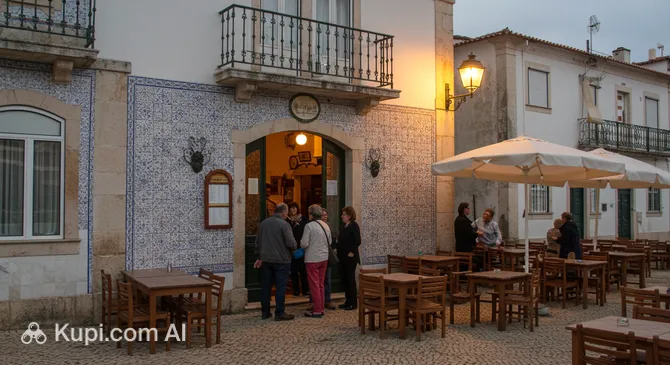
The food culture in Fatima caters to both locals and the numerous pilgrims and tourists. Here you will find many traditional restaurants (restaurantes) and small snack bars (tascas) where you can taste authentic dishes at reasonable prices. Many establishments offer set lunches (prato do dia). Street food is less common; the emphasis is on full meals in a cozy atmosphere. One place where you can get acquainted with local cuisine is the restaurant O Benfica-stá, which offers traditional Portuguese dishes.

O Benfiquista. Illustration.
Source: Kupi.com AI

Traveler photos:

The gastronomic scene in Fatima may not overwhelm you with high-end culinary innovations, but it will undoubtedly charm you with its sincerity and the quality of traditional dishes. It is a cuisine designed to nourish and warm, offering travelers a delicious and satisfying introduction to the culinary heritage of Portugal. Try the fried cod or a hearty meat stew—these dishes will be a great addition to your impressions of the city.

Travel Tips

Welcome to Fatima, a unique place with deep spiritual significance! To make your journey to this special town in Portugal as comfortable and memorable as possible, we have prepared some practical tips. They will help you navigate better and enjoy every minute of your stay.

  1. Clothing and Essentials: The climate in Fatima is mild, but the weather can change. In summer (June-August), bring light clothing, a hat, and sunscreen. In the transitional seasons and winter (November-February), layered clothing, a jacket, and an umbrella will be useful. A key point is comfortable shoes, as you will be doing a lot of walking, especially around the Sanctuary. When visiting churches and the Sanctuary of Fatima, follow the dress code: clothing should cover shoulders and knees. Don't forget a European power adapter (type F).

  2. City Transport: Fatima is a small town, and most of the main shrines and hotels are within walking distance of each other. For traveling longer distances, such as to the shepherd children's houses in Aljustrel, you can use local buses or taxis. Ride-hailing apps may also be available. Renting a car can be convenient if you plan to explore the surrounding area, but note that parking in the center can be difficult during major pilgrimage days.

  3. Financial Matters: The official currency in Portugal is the Euro (EUR). You can exchange money at banks or exchange offices, but it's more profitable to do so outside the airport. Credit and debit cards (Visa, Mastercard) are widely accepted in most hotels, restaurants, and shops. ATMs (Multibanco) are easy to find throughout the town. An approximate daily budget depends on your preferences, but Fatima is considered a relatively affordable city. Tipping in restaurants is not mandatory but appreciated (usually 5-10% of the bill for good service), or you can simply round up the amount.

  4. Health and Safety: Fatima is a very safe city, especially in the Sanctuary area. Nevertheless, always take basic precautions: keep an eye on your personal belongings, especially in crowded places. Pharmacies (Farmácia) are easy to find by the green cross symbol; there are always duty pharmacies open 24/7. Be sure to get travel medical insurance before your trip. In emergencies, you can contact the local medical center (Centro de Saúde) or a hospital in the nearest major city.

  5. Communication and Connectivity: The official language is Portuguese. In tourist areas, hotels, and restaurants, many people speak English, especially the youth. Learn a few simple phrases in Portuguese: "Olá" (Hello), "Bom dia" (Good morning), "Por favor" (Please), "Obrigado/Obrigada" (Thank you - masc./fem.). A local SIM card can be purchased at the airport or in town. Wi-Fi is available in most hotels, cafes, and some public areas.

  6. Local Etiquette and Respect: Portuguese people are generally friendly and hospitable. When greeting, you can say "Olá" or use a handshake. Fatima is primarily a place of pilgrimage, so it is extremely important to show respect for the religious feelings of believers, especially within the Sanctuary. Maintain silence in temples and do not disturb those praying.

  7. What to Avoid: Refrain from loud talking and laughter within the grounds of the Sanctuary of Fatima and inside churches. Do not photograph people during prayer or religious services without their permission. Inappropriate (too revealing) clothing may also draw disapproval. It is strongly recommended to avoid entering into discussions on religious topics if you do not share local beliefs.

  8. Special Tip for Fatima: If your trip is not timed to major pilgrimages (especially May 13th and October 13th), try to visit the town on other dates—this way you can enjoy its atmosphere without the huge crowds. If you are going specifically for a pilgrimage, book accommodation and transport well in advance. Many believers buy and light candles near the Chapel of the Apparitions—this is an important part of the local religious experience.

We hope these tips help you plan an unforgettable trip to Fatima. May your journey be filled with peace, light, and vivid impressions!

Entertainment & Nightlife

Fatima, being a world-famous pilgrimage center, offers its guests a special atmosphere that extends into the evening hours. Here you won't find loud nightclubs or districts filled with bars open until dawn, as seen in major metropolises. The nightlife in Fatima is more suited for quiet relaxation, soul-searching conversations, and reflecting on the day's experiences. Evenings here pass in a peaceful setting, consistent with the spirit of this holy place.

Evening entertainment in Fatima is mainly centered around restaurants and cafes, many of which stay open until late evening, offering guests traditional Portuguese cuisine. The atmosphere in such establishments is usually calm and welcoming, ideal for dinner with family or friends. Some hotels also have their own bars where you can spend an evening with a drink in a quiet environment. There are no specialized "nightlife districts" in Fatima; most establishments are located near the Sanctuary and on the central streets. The dress code is generally casual but neat.

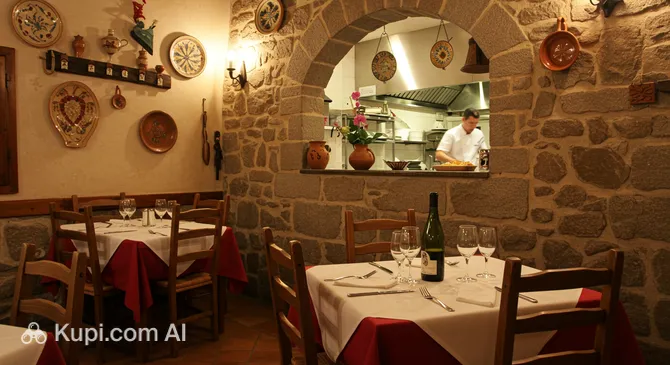
Among the places where you can enjoy a pleasant evening and dinner, restaurants offering local cuisine are worth noting. For example, you can visit O Benfica-stá, known for its traditional Portuguese dishes, or the restaurant A Cave, where you can also enjoy an authentic atmosphere and delicious food. These establishments are usually open until 10:00 PM - 11:00 PM, but it is always best to check operating hours in advance, especially during the off-season.

A Cave. Illustration.
Source: Kupi.com AI

Traveler photos:

When planning your evening leisure, keep in mind that most activities in Fatima wind down relatively early. The best time for dinner is between 7:00 PM and 9:00 PM. Average prices in restaurants are moderate. It is safe to move around the city at night, especially in the central part and around the Sanctuary. If your hotel is further away, you can use the taxi services available in the city.

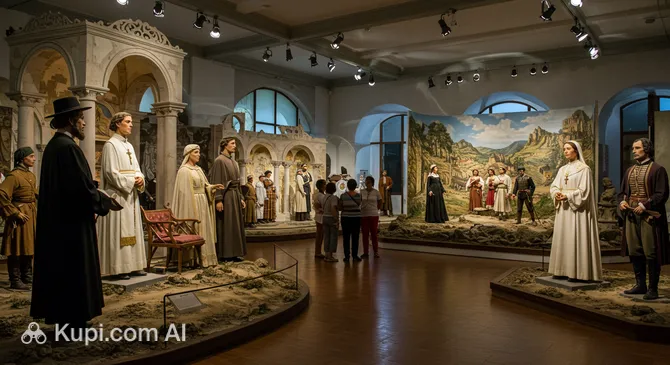
Regarding daytime entertainment, besides visiting the shrines, Fatima and its surroundings offer several interesting options. You can visit, for instance, the Fatima Wax Museum, which presents scenes related to the history of the apparitions. For nature and outdoor enthusiasts, the Pia do Urso Sensory Ecopark offers walks through picturesque landscapes. The region also features several amazing caves, such as the Moeda Caves and the Santo António Caves, which are open for daytime visits.

Wax Museum of Fátima. Illustration.
Source: Kupi.com AI

Traveler photos:

Pia do Urso Sensory Ecopark. Illustration.
Source: Kupi.com AI

Traveler photos:

Overall, entertainment in Fatima reflects its unique character—it is a place for quiet and meaningful relaxation, where evening hours are a harmonious continuation of a day filled with spiritual experiences and cultural discoveries.

Parks & Museums

While Fatima is primarily known as a global center for spirituality and pilgrimage, the town and its surroundings also offer opportunities to connect with nature and cultural heritage. Here, you can find peaceful green corners and museums that help provide a deeper understanding of the history and culture of this unique region of Portugal.

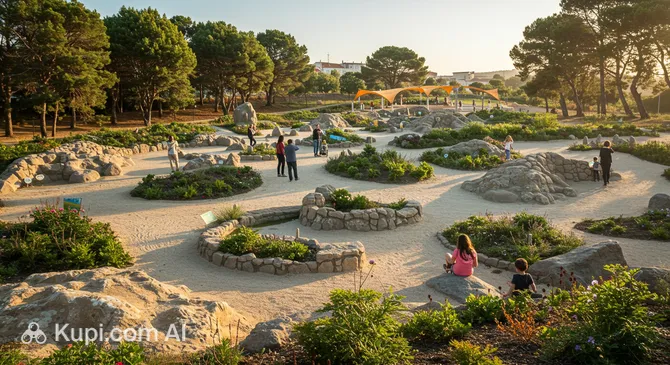
The surroundings of Fatima are rich in natural beauty, largely due to its proximity to the Serras de Aire e Candeeiros Natural Park. One notable place for family recreation and nature walks is the Pia do Urso Sensory Ecopark. It offers visitors a unique experience of interacting with nature through specially equipped trails and installations designed to engage the senses. It is a wonderful place to take a break from the city bustle and enjoy the silence.

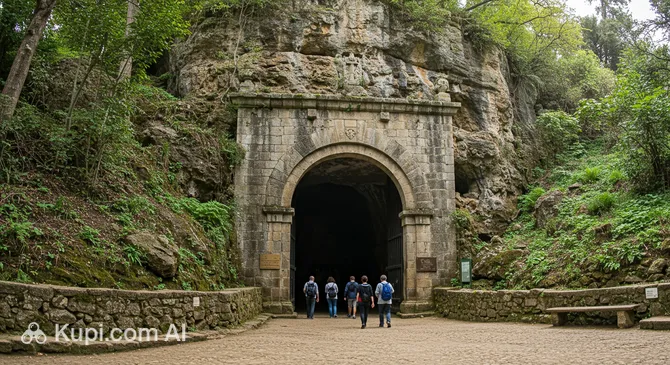
Geology enthusiasts and lovers of mysterious underground worlds should pay attention to the region's numerous caves. Among the most famous are the Moeda Caves, discovered in 1971, which impress with their spacious chambers and beautiful limestone formations. A tour of these caves allows a glimpse into a stunning subterranean world. Equally impressive are the Santo António Caves, as well as the grand Mira de Aire Caves, some of the largest in Portugal. For those interested in the planet's ancient history, visiting the Dinosaur Footprints Natural Monument (Ourém/Torres Novas), where real dinosaur tracks can be seen, is a unique experience.

Grutas da Moeda. Illustration.
Source: Kupi.com AI

Traveler photos:

To better understand the history of the events that made Fatima world-famous, it is worth visiting the Fatima Wax Museum. The museum's exhibition uses realistic wax figures to recreate key moments of the Virgin Mary's apparitions and the lives of the shepherd children. This is a visual and accessible way to learn about Fatima's history, especially if traveling with children.

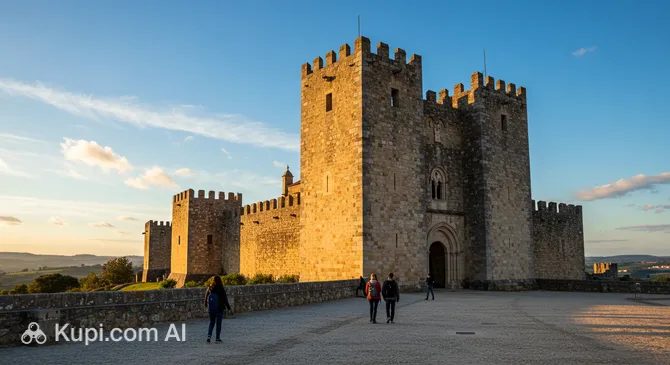
In addition to museums directly related to the apparitions, the region's cultural heritage is represented by historical monuments. Near Fatima, in the town of Ourém, stands the majestic Ourém Castle. This medieval fortress with a rich history offers visitors not only a journey through time but also breathtaking panoramic views of the surroundings. A walk along its walls and towers allows you to feel the spirit of past eras.

Castle of Ourém. Illustration.
Source: Kupi.com AI

Traveler photos:

Furthermore, Fatima is home to the Museum of the Sanctuary of Fatima (Museu do Santuário de Fátima), which houses important artifacts related to the history of the pilgrimage, including gifts from pilgrims and personal belongings of the visionaries. This museum provides a deeper insight into the spiritual significance of Fatima and its development as a center of faith.

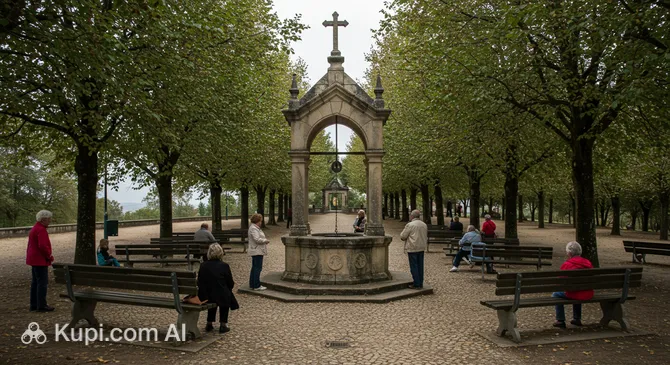
For those seeking lesser-known but charming natural spots, the Bear Well (Poço do Urso) or the Source of the Lis River are worth visiting. These locations offer opportunities for quiet walks and nature enjoyment away from the main tourist routes, allowing you to see another, more secluded side of the region.

Bear Well. Illustration.
Source: Kupi.com AI

Traveler photos:

Getting Around

Getting around Fatima is quite simple, especially if your primary goal is to visit the shrines. The town is compact, and many key locations are within walking distance of each other. However, for longer trips or for convenience, there are several transport options.

Main types of transport in Fatima:

There is no metro, tram, or trolleybus system in Fatima. The basis of the transport system consists of:

  • Walking: The central part of the town, including the territory of the Sanctuary of Fatima, is best explored on foot. This allows you to slowly soak in the atmosphere of this special place.
  • Local Buses: There are several bus routes that can be useful for trips to more distant areas, such as the village of Aljustrel, where the shepherd children's homes are located. The network is not very extensive but covers basic needs.
  • Tourist Train (Comboio Turístico de Fátima): This is a popular and convenient way for tourists to reach key pilgrimage-related points, such as the Sanctuary, Valinhos (the site of the Angel's apparition), and the shepherd children's houses in Aljustrel. The train runs along a specific route with designated stops.
  • Intercity Buses: For arriving in Fatima from other cities in Portugal, such as Lisbon or Porto, and for trips from Fatima, comfortable intercity buses are the main mode of transport. The town has a central bus station (Rodoviária de Fátima) where these buses arrive and depart.

Payment system and tickets:

The fare payment system in Fatima is fairly straightforward:

  • Local Buses: Tickets are usually purchased directly from the driver upon boarding. The fare is typically low.
  • Tourist Train: Tickets can be bought from the driver or at specific sales points (if available at stops). Single-trip or full-route tickets are often offered.
  • Intercity Buses: Tickets for companies like Rede Expressos or FlixBus can be purchased at the bus station ticket offices, online on carrier websites, or through their mobile apps. It is recommended to buy tickets in advance, especially during peak pilgrimage seasons.

Specialized transport cards or complex pass systems for local transport in Fatima generally do not exist, which simplifies use for tourists.

Practical tips for tourists:

  • Schedule: The schedules for local buses and the tourist train should be checked on-site as they may change depending on the season and day of the week. Information can be found at stops, in tourist information centers, or at hotels. Intercity buses run on a clear schedule available online.
  • Bus Station: The main transport hub for bus services is the Fatima Bus Station (Terminal Rodoviário de Fátima), located near the Sanctuary.
  • Operating Hours: Local transport usually runs from morning until evening, but services may be less frequent in the early morning and late evening hours. The tourist train also has its own operating schedule, which is best checked in advance.
  • Validation: Tickets for local buses and the tourist train usually do not require special validation after being purchased from the driver.

Alternative ways to move around:

  • Taxis: It is quite easy to find a taxi in Fatima, especially near the Sanctuary, major hotels, and the bus station. This is a convenient, albeit more expensive, way to get around, particularly for small groups or those with luggage.
  • Car Rental: If you plan to explore the surroundings of Fatima and the Centro region of Portugal, renting a car can be a good option. There are several rental points in the town.
  • Bicycle Rental and Carsharing: These services are poorly developed in Fatima, as the town is primarily oriented toward walking and pilgrimage routes.

Overall, the transport system in Fatima is well-adapted to the needs of tourists and pilgrims, making movement around the town and its surroundings quite convenient.

Accommodation

In Fatima, travelers will find a wide range of accommodation options to suit various preferences and budgets. As one of the world's most important pilgrimage centers, the city offers everything from modest and inexpensive guesthouses and hostels to comfortable mid-range hotels and more refined options, including holiday apartments. This allows every guest to find housing that meets their needs, whether it's a short-term visit or a longer stay for spiritual practices.

The most popular and convenient areas for tourists to stay are those located in the immediate vicinity of the Sanctuary of Fatima. Staying here provides easy access to the main shrines, such as the Chapel of the Apparitions, the Basilica of Our Lady of the Rosary, and the Basilica of the Most Holy Trinity. Many hotels and guesthouses are literally just a few minutes' walk from the Sanctuary esplanade, which is especially valued by pilgrims. The areas adjacent to the central streets, where restaurants, cafes, and shops are concentrated, are also convenient for living.

Fatima features many hotels across various categories, from small family-run inns to large hotel complexes. While specific examples of famous hotels are not listed in the available data, tourists can easily find suitable options through popular online booking systems. The price range varies from budget options to mid-range and high-end offers, allowing you to choose the best value for your money.

It is recommended to book accommodation in advance, especially if your trip coincides with the peak of the pilgrimage season (for example, May 13th and October 13th) or on weekends when the city receives a large number of visitors. The main booking methods are popular international online platforms as well as direct booking through hotel websites. This will help you guarantee availability and potentially secure more favorable terms.

Nearby Cities

For those looking to explore the surroundings, Fatima serves as an excellent starting point for day trips to several interesting nearby locations. Among them, the following stand out:

Nearby is Leiria, a charming city whose main attraction is an impressive medieval castle overlooking the historic center and offering magnificent panoramic views. In Alcobaça, the famous Monastery of Santa Maria de Alcobaça awaits you—a masterpiece of Gothic architecture and a UNESCO World Heritage site of great historical significance. Meanwhile, the city of Caldas da Rainha attracts tourists with its thermal springs, known since the Middle Ages, and its traditional production of colorful ceramics, offering a unique blend of wellness and art.

CityPopulationDistance
Ourem45 9328 km
Batalha15 80515 km
Porto de Mós24 34215 km
Alcanena13 86818 km
Torres Novas36 71718 km

In addition to these cities, places like Santarém, with its rich historical heritage, or Pombal, known for its imposing castle, also offer interesting routes for day excursions. These destinations allow for a deeper acquaintance with the diverse culture and picturesque landscapes of the Portugal region, making your journey from Fatima even more rewarding and memorable.

Shopping & Souvenirs

Shopping in Fatima has its own distinct character, closely linked to its status as a world pilgrimage center. You won't find huge shopping malls or fashion boutiques here like in large cities. Instead, trade in Fatima is focused on religious artifacts, souvenirs, and goods related to the apparitions of the Virgin Mary and the history of the holy site. This is a place where purchases often carry deep personal or spiritual meaning.

The main commercial activity is concentrated on the streets adjacent to the Sanctuary of Our Lady of Fatima. It is here that numerous shops and stalls are located, offering a wide range of goods for pilgrims and tourists. Walking through these streets, you will find everything from small kiosks to larger shops specializing in religious items. There are no specific street names known as major shopping arteries in Fatima, but the entire area around the sanctuary effectively functions as one large retail space.

There are no large modern shopping centers in the traditional sense in Fatima. Shopping here is more intimate and specialized. Instead of malls, visitors will find many small family-owned shops that have passed down their traditions through generations, offering unique items and a special atmosphere.

Traditional markets, such as food or flea markets, are not a primary feature of the Fatima shopping scene, which is geared toward pilgrims. However, especially during major religious holidays and mass pilgrimages, temporary stalls and tables may appear on the streets selling various souvenirs, local products, and snacks.

The main souvenirs brought from Fatima are undoubtedly religious items. Most popular are rosaries of all types and materials, figurines of Our Lady of Fatima, saints and angels, medallions, crosses, icons, and religious books. Many also purchase candles of various sizes, which are then lit in specially designated areas near the Chapel of the Apparitions. Besides these, you can find works by local craftsmen, ceramics, embroidery, and other mementos with Fatima and Portugal symbols.

Shops in Fatima, especially those near the Sanctuary, usually operate daily, including weekends, to serve the constant stream of pilgrims. Typical working hours are from morning (around 9:00-10:00 AM) until evening (7:00-8:00 PM), and some may stay open longer during peak season. Most shops accept both cash (Euros) and credit/debit cards from international payment systems (Visa, Mastercard).

Tourists from countries outside the European Union may be eligible for a Value Added Tax (Tax Free) refund when making purchases of a certain amount in participating stores. Usually, you need to ask for a special Tax Free check in the store and present it along with your purchases and passport to customs when leaving the EU. Check the conditions and minimum purchase amount directly in the shops.

Nearby cities

Reached the end of the page?

That means the route is fully explored