Support

Lamego

About

Lamego is a charming ancient city located in northern Portugal, in the Viseu district, just 12 kilometers from the picturesque Douro River. Surrounded by the green hills and vineyards of the famous Douro Valley, this city is renowned for its rich history, impressive architecture, and, of course, its magnificent wines. Lamego has a population of about 26,700, which gives it the cozy atmosphere of a small but culturally significant regional center.
Lamego. Illustration.
Source: Kupi.com AI

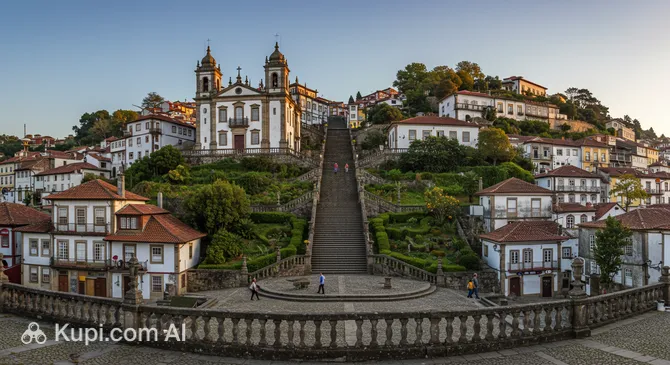
The atmosphere of Lamego is steeped in antiquity and winemaking traditions. Strolling through its narrow streets, you can admire old buildings and visit a medieval castle and numerous churches. The city is one of the oldest in the country and bears traces of many historical eras. One of Lamego's main gems is the majestic Sanctuary of Nossa Senhora dos Remédios, reached by an impressive Baroque staircase of 686 steps. This pilgrimage site is one of the most recognizable landmarks in Portugal. Also worth visiting are the Lamego Cathedral, founded in the 12th century, and the city museum, located in the former Episcopal Palace.

Lamego is not just a historical city; it is a place where you can feel the true Portuguese soul, enjoy the tranquility and magnificent landscapes, and, of course, taste local gastronomic delights and the famous Port wine. This city is definitely worth a visit for anyone wanting to experience the rich culture and traditions of Portugal away from the noisy tourist centers.

You can find more interesting facts on the Lamego city history page

Weather Overview

The weather in Lamego is characterized by distinct seasonality. Summer, especially July and August, is warm and sunny here, with average temperatures around 21-21.5°C and maximum values reaching 27-28°C. Precipitation in the summer months is minimal, and the number of rainy days is small. Winters, by contrast, are cool and more humid. The average temperature in January is about 6.5°C, with minimum values around 2.5°C. The highest amount of precipitation and rainy days occur between October and April. Spring and autumn are transitional seasons with moderate temperatures and changeable weather.

Expect a warm and predominantly dry summer, as well as cool and more humid winters. To better plan your trip, you can check the detailed weather forecast for Lamego.

Average monthly temperature

Average monthly precipitation

Interesting Facts

Lamego, a city with a rich and ancient history, holds many surprising secrets and little-known details that make it even more attractive to curious travelers. Beyond the famous landmarks, here are a few facts you might not have heard of.

  • Few people know that Lamego became a diocesan center as early as the 7th century, during the Visigothic reign. This fact, which predates the founding of the Portuguese kingdom itself, highlights the city's ancient status and early significance. The majestic Lamego Cathedral stands as a witness to this long history.

  • It was in Lamego in the 18th century that the drink that became the predecessor to world-famous Port wine was born. Local "refined wine" (vinho fino) was produced here and gained recognition long before Port acquired its current name and fame. Thus, Lamego can be considered one of the cradles of this famous Portuguese beverage.

  • One of Lamego's most vibrant traditions is the September pilgrimage to the Sanctuary of Our Lady of Remedies. This is not just a religious procession but a grand festival with music and fairs. Pilgrims and tourists climb to the sanctuary via the impressive Baroque staircase of 686 steps, decorated with magnificent azulejo panels.

Sanctuary of Our Lady of Remedies. Illustration.
Source: Kupi.com AI

Traveler photos:

How to Get There

When planning a trip to this picturesque corner of the Douro Valley, it is important to think about your route in advance. You can find more details on how to get to Lamego to choose the most convenient mode of transport for you.

The most convenient way to reach Lamego for most tourists is by flying into the nearest international airports. The best option is Porto Airport (OPO), located in the city of Porto. This is a major international hub receiving flights from all over the world. It is located about 75 km from Lamego. A taxi or transfer from the airport takes about 2 hours, making it the main gateway to the region.

An alternative option is Vigo Airport (VGO), located in the Spanish city of Vigo. The distance to Lamego is about 143 km, and the driving time exceeds 3.5 hours. Keep in mind that this route involves crossing the border from Spain, but it may be convenient if you are planning a combined tour of the Iberian Peninsula.

For convenience, here is summary information on the main airports:

AirportPassenger trafficDistance
Porto Airport15.9 mln75 km
Vigo Airport1.1 mln143 km
Matacan Airport21 100195 km
Santiago de Compostela Airport3.6 mln206 km
Leon Airport63 442244 km

If you are considering traveling by train, take note of the nearest major railway hubs listed. The closest is Orense Railway Station (IATA: OUQ), located in Orense (Spain), at a distance of about 137 km from Lamego. The driving time from the station to the city is over 3.5 hours. Another option is Vigo Railway Station in Vigo, approximately 147 km away. It is important to note that these stations are located in Spain, so an additional transfer or car rental will be required for the final leg of the journey to Lamego.

Below is information on the nearest railway stations from the available list:

StationPassenger trafficDistance
Ourense Railway Station2.2 mln137 km
Vigo Railway Station1.3 mln147 km
Pontevedra Railway Station1.6 mln162 km
Zamora Railway Station397 428180 km
Salamanca Railway Station182 km

Main Attractions

Lamego, a charming city in Portugal, is rich in historical and religious attractions that draw tourists with their beauty and significance. Here, everyone will find something of interest, from majestic sanctuaries to ancient castles.

One of Lamego's most iconic landmarks is the Sanctuary of Our Lady of Remedies (Santuário de Nossa Senhora dos Remédios). This impressive Baroque complex, situated on a hilltop, is famous for its monumental staircase of 686 steps, decorated with azulejo tiles, statues, and fountains. The climb is rewarded not only by a visit to the beautiful 18th-century church but also by breathtaking panoramic views of the city and its surroundings. This site is an important pilgrimage center, especially during the annual festival in honor of Our Lady of Remedies.

Sanctuary of Our Lady of Remedies. Illustration.
Source: Kupi.com AI

Traveler photos:

Equally important is the Lamego Cathedral (Sé Catedral de Lamego), founded in the 12th century by Portugal's first king, Afonso Henriques. Although the cathedral has undergone changes over the centuries—retaining its original Romanesque tower while acquiring a Gothic-Renaissance facade—it remains an essential historical and architectural monument. Inside, visitors will be captivated by the magnificent 18th-century frescoes by Nicolau Nasoni and the intricate gilded carvings.

Lamego Cathedral. Illustration.
Source: Kupi.com AI

Traveler photos:

For lovers of medieval history, Lamego Castle (Castelo de Lamego) is a must-visit. This ancient fortress, with Moorish roots and later rebuilt by Christians, towers over the city, offering magnificent views. The well-preserved keep (Torre de Menagem) and the remains of the fortress walls serve as reminders of the region's rich military past and the castle's role in the formation of the Portuguese state. A walk along its walls allows you to immerse yourself in a medieval atmosphere.

Lamego Castle. Illustration.
Source: Kupi.com AI

Traveler photos:

In addition to these key sites, Lamego offers other interesting corners, such as cozy restaurants where you can enjoy local cuisine. One such place is Vindouro Restaurant, offering refined dishes and regional wines.

Local Cuisine

The gastronomy of Lamego is a true discovery for connoisseurs of Portuguese cuisine, based on the use of the freshest local products. The heart of regional culinary traditions lies in meat dishes, with "arroz de salpicão" (rice with smoked sausage) and the famous "bola de Lamego"—a hearty pie with various meat fillings baked in a wood-fired oven—standing out. You should also try the river fish dishes and, of course, the traditional veal prepared according to a special recipe—"vitela à Lamego"—often served with potatoes and local herbs.

Lamego is located in the famous Douro wine region, so it is no surprise that wine plays a key role here. Be sure to taste the local sparkling wines, known as "Raposeira", which are produced right here. Besides sparkling wines, the region offers excellent red and white dry wines, as well as traditional Port. Popular non-alcoholic drinks include freshly squeezed juices and herbal teas.

The food culture in Lamego centers around traditional restaurants, taverns (tascas), and family cafes where you can enjoy authentic dishes in a cozy atmosphere. Locals often shop at markets where you can find fresh cheeses, sausages, olive oil, and homemade pastries. Street food consists mainly of meat or fish pastries, as well as sweets like "pastel de nata" and other local desserts. Gastronomic fairs and festivals dedicated to wine and local products are an important part of the city's cultural life.

To fully experience the hospitality and culinary traditions of Lamego, visit one of the local restaurants. For example, Vindouro Restaurant offers guests regional cuisine with a modern interpretation.

Vindouro Restaurant. Illustration.
Source: Kupi.com AI

Traveler photos:

Travel Tips

Welcome to Lamego! To make your journey to this charming Portuguese city as comfortable and memorable as possible, we have prepared some practical tips.

  1. What to pack: The climate in Lamego is temperate. In summer, pack light clothing, a hat, sunglasses, and sunscreen. In the off-season and winter, layered clothing, a waterproof jacket, and an umbrella will be useful. The key is comfortable shoes, as the city is hilly with cobbled streets, and you will surely want to climb the famous staircase to the Sanctuary of Nossa Senhora dos Remédios. When visiting churches and the sanctuary itself, choose modest clothing that covers shoulders and knees. Don't forget a Type F European power adapter.

  2. Getting around Lamego: Lamego is a small city, and its historical center is best explored on foot. Public transport consists mainly of buses, which can be useful for trips to more distant areas or if you are tired. Taxis are also available. Renting a car can be a good idea if you plan to explore the scenic Douro region, but keep in mind that parking in the center of Lamego can be limited.

  3. Money and expenses: The official currency in Portugal is the Euro (EUR). Credit and debit cards (Visa, Mastercard) are widely accepted in hotels, restaurants, and most shops. However, it is always useful to have some cash on hand for small cafes, markets, or souvenir shops. ATMs (marked as "Multibanco") are easy to find throughout the city. An approximate daily budget (excluding accommodation) can be 40-80 Euros per person. Tipping in restaurants is usually 5-10% of the bill if you enjoyed the service, but it is not strictly mandatory.

  4. Health and safety: Lamego is considered a fairly safe city. Pharmacies (farmácias) are easy to find and are marked with a green cross; information on duty pharmacies can be obtained at your hotel or searched online. If you need medical assistance, contact the local medical center (Centro de Saúde) or call the pan-European emergency number 112. Follow standard precautions: watch your belongings, especially in crowded tourist areas, and do not leave valuables unattended.

  5. Language and connectivity: The official language is Portuguese. In the tourism sector, especially in hotels and restaurants, many people speak English. Nevertheless, locals will appreciate it if you learn a few basic phrases in Portuguese: "Olá" (Hello), "Bom dia" (Good morning), "Por favor" (Please), "Obrigado/Obrigada" (Thank you, male/female). You can buy a local SIM card for mobile internet at telecom operator shops. Wi-Fi is generally available in hotels, cafes, and restaurants.

  6. Local etiquette: Portuguese people are generally friendly and polite. It is customary to say hello when entering small shops or cafes. A handshake is a common form of greeting. When interacting, try to be tactful and respectful of local traditions. Special respect should be shown when visiting religious sites.

  7. What to avoid: It is better not to loudly discuss controversial political topics, especially if you are unsure of the other person's position. Also, as in many tourist places, be vigilant about pickpockets, especially in crowded areas. When photographing locals, it is always best to ask for permission.

  8. Local highlight: Be sure to try the local sparkling wine ("espumante") that the Lamego region is famous for, such as the "Raposeira" brand. If your trip coincides with the beginning of September, you can catch the grand festival in honor of Nossa Senhora dos Remédios (Festa de Nossa Senhora dos Remédios)—it is one of the largest pilgrimages in Portugal, accompanied by fairs and processions.

We hope these tips help you plan an unforgettable trip to Lamego and fully enjoy its beauty and hospitality!

Entertainment & Nightlife

Nightlife in Lamego offers guests a cozy and relaxed atmosphere, perfect for those who appreciate quality time, good wine, and heartfelt conversations. Instead of noisy mega-clubs, you will find charming bars, traditional restaurants where you can linger late, and cafes with pleasant music. Lamego is especially beautiful in the evening when the lights come on, illuminating the old streets and creating a romantic mood.

The main evening activity is concentrated in the historical city center, particularly along Avenida Dr. Alfredo de Sousa and its adjacent streets. Here you can find many establishments for every taste. The atmosphere is usually very friendly and welcoming, attracting both locals and tourists. The dress code in most places is casual, but you might choose an elegant outfit for dinner in a more refined restaurant.

Many establishments stay open until late evening, especially on weekends. Bars are usually open until one or two in the morning, offering a wide selection of local wines, including the famous Port from the Douro region, as well as various cocktails and snacks. The music ranges from traditional Portuguese music to modern lounge tracks.

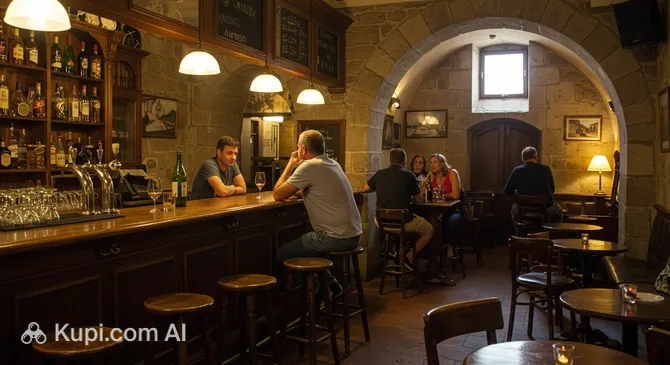
Among the places where you can enjoy a pleasant evening is Vindouro Restaurant, which is also classified as a bar and offers an excellent selection of drinks and a cozy setting for evening relaxation. For dinner and a pleasant evening, Casa da Rua is also a great choice, where you can enjoy local cuisine in an authentic atmosphere. These establishments reflect the hospitable spirit of Lamego.

Vindouro Restaurant. Illustration.
Source: Kupi.com AI

Traveler photos:

Regarding practical tips, the best time to visit bars is after 9:00 PM or 10:00 PM when the main crowd gathers. Prices in Lamego are generally moderate. It is safe to move around the city center at night, but if you are staying on the outskirts, it is better to use a taxi. They can be ordered by phone or found at designated taxi stands.

During the day, Lamego also offers many interesting activities. The city is rich in historical sights: you can visit impressive churches like the Cathedral, explore the ancient Lamego Castle, or climb to the famous Sanctuary of Our Lady of Remedies for magnificent views. There are also museums in the city that introduce you to local culture and history, making Lamego an attractive destination for a well-rounded vacation.

Parks & Museums

Lamego is a city where ancient history is harmoniously interwoven with the natural beauty of the Douro Valley. Portugal is known for its skill in integrating architecture into the landscape, and here travelers will find not only majestic monuments but also peaceful green zones ideal for walks, as well as museums with collections of national importance.

The city's main natural gem is the park surrounding the famous Sanctuary of Our Lady of Remedies. This place, known as "Mata dos Remédios," is a dense forest area through which the monumental Baroque staircase runs. Here you can escape the summer heat in the shade of centuries-old trees, enjoy the sound of fountains and birdsong, while slowly ascending to the hilltop.

Sanctuary of Our Lady of Remedies. Illustration.
Source: Kupi.com AI

Traveler photos:

For fans of wilder nature and fauna, the Serra das Meadas Biological Park (Parque Biológico da Serra das Meadas), located just a few kilometers from the center, is of interest. This is a vast protected area where local animal species live in their natural environment. It is also worth visiting the Jardim da República—an elegant city park in the center of Lamego, surrounded by historical buildings, where locals love to relax on benches by the bandstand.

A cultural immersion is impossible without visiting the Lamego Museum (Museu de Lamego), located in the former Episcopal Palace. It is one of the best regional museums in the country. Its collection includes unique 16th-century Flemish tapestries, paintings by the famous Portuguese artist Grão Vasco (Vasco Fernandes), and rich collections of jewelry, illustrating the city's religious significance over the centuries.

The architectural face of the city is formed by iconic historical sites. On the hilltop stands the medieval Lamego Castle, from whose towers a breathtaking panorama of the city and surrounding vineyards opens up. Equally impressive is the Lamego Cathedral (Sé de Lamego), combining Gothic and Renaissance elements. Its facade and interior serve as a living chronicle of Portugal's architectural styles.

Lamego Castle. Illustration.
Source: Kupi.com AI

Traveler photos:

Insider Tip: When visiting the castle, be sure to find the entrance to the ancient cistern (Cisterna de Lamego). This stone underground reservoir with incredible acoustics and vaulted ceilings is often overlooked by regular tourists, though it is one of the most atmospheric spots in the city.

Getting Around

When planning your travel around Lamego, it is worth considering that it is a relatively small historical city where many attractions are within walking distance, especially in the central part. However, for longer trips or for convenience, you can use public transport and taxis.

The main form of public transport in Lamego is buses. Local bus routes connect various districts of the city and may also link Lamego with nearby towns. The network is not very extensive but covers the main directions. Information on routes and schedules is best checked on-site, for example, at bus stops or at the tourist information center, as it can change.

The bus fare payment system is generally simple. Tickets can usually be purchased directly from the driver when boarding. It is recommended to have small change for payment. Specialized travel cards or mobile apps for fare payment may not exist in small towns like Lamego, or they may not be as common as in large metropolises. Fares are usually low, but it's best to check the exact price before your trip.

Buses in Lamego typically run throughout the day, with less frequent intervals in the evening and on weekends. Ticket validation, if not electronic, is usually not required as payment happens upon boarding. However, always follow the driver's instructions or the information signs inside the bus.

An alternative to public transport is taxis. They can be found at stands in key city locations or called by phone. This is a more expensive but also more comfortable way to get around, especially if you are traveling with luggage or in a group. Car-sharing services or developed bike rental systems in Lamego may be limited or absent given the city's size. However, walking is a great way to discover the charm of Lamego, especially its historical center and the famous staircase to the Sanctuary of Nossa Senhora dos Remédios.

Accommodation

When planning a trip to Lamego, you will find a variety of accommodation options to suit different preferences and budgets. The city offers a wide selection ranging from cozy guesthouses (known as "alojamento local") and apartments, ideal for those seeking home comforts, to traditional mid-range hotels. While Lamego is not known for large luxury resorts, you can find charming boutique hotels and quality accommodations that reflect the local character.

For tourists, the most convenient areas to stay are those located near the historical city center. By choosing accommodation here, you will be within walking distance of the main attractions, such as the majestic Sanctuary of Our Lady of Remedies and the historic Lamego Cathedral. This will allow you to explore the city easily, enjoying its atmosphere without the need for frequent transport.

The price range for accommodation in Lamego varies from budget options to mid-range and upper-mid-range offers. You can find and book suitable accommodation through popular international online booking platforms, as well as directly on the websites of local hotels and guesthouses. It is recommended to book your accommodation in advance, especially if your trip coincides with the peak tourist season (usually the summer months) or during major local festivals, to ensure the best choice and more favorable prices.

Nearby Cities

For those looking to explore the surroundings, Lamego serves as an excellent starting point for day trips to several interesting nearby locations:

Among them, Amarante stands out—a picturesque town on the Tâmega River with its famous São Gonçalo bridge and rich historical heritage—along with Penafiel, known for its Vinho Verde winemaking traditions and interesting municipal museum. These towns offer great opportunities for cultural enrichment and getting to know the local flavor.

CityPopulationDistance
Peso da Régua17 1318 km
Resende11 36411 km
Baiao20 52215 km
Moimenta da Beira10 21221 km
Cinfães20 42723 km

These nearby destinations, as well as other cities on the list, allow for a more complete picture of the region's diverse culture and scenic landscapes.

Shopping & Souvenirs

Shopping in Lamego offers travelers the chance to immerse themselves in the local atmosphere and find authentic goods rather than just a standard set of international brands. The city is famous for its traditional products, especially wines (including the renowned "Raposeira" sparkling wine) and local delicacies like "Bola de Lamego" (a savory pie). Here you will find many small family-run shops offering handmade items and regional specialties.

The main shopping spots in Lamego are concentrated in its historical center. Stroll through the narrow streets around Lamego Cathedral and the main square, where numerous shops offer souvenirs, local products, and handicrafts. It is also worth looking at the shops in the area leading to the famous Sanctuary of Our Lady of Remedies, where religious items and commemorative souvenirs can often be found.

There are no large modern shopping centers typical of big cities in Lamego. The charm of shopping here lies in visiting small, independent shops where you can chat with the sellers and find unique items. If you need a wider selection of goods, you may have to head to larger cities in the region.

In Lamego, as in many Portuguese cities, there is a municipal market (Mercado Municipal). Here you can buy fresh fruits, vegetables, cheeses, meat delicacies, and perhaps some local handicrafts. Visiting the market is a great way to experience the city's daily life and try local products.

As souvenirs from Lamego, it is worth bringing back local gastronomic specialties: sparkling wine, cured meats (presunto), and cheeses. Ceramic items, textiles with traditional patterns, and religious souvenirs related to the Sanctuary of Our Lady of Remedies are also popular. Don't forget high-quality olive oil and canned goods, for which Portugal is famous.

Shops in Lamego typically operate Monday through Friday from about 9:00-10:00 AM to 7:00 PM, with a mandatory lunch break (siesta) that can last from 1:00 PM to 3:00 PM. On Saturdays, many shops close earlier, around 1:00 PM, and on Sundays, most are closed, except for some souvenir shops in tourist zones. Both cash (Euro) and bank cards are accepted, especially in tourist-oriented shops.

Tourists from non-European Union countries can use the Tax Free system when making purchases of a certain amount at participating stores. To do this, you need to ask the seller for a special Tax Free form and present it along with your purchases at customs when leaving the EU to receive a VAT refund. Check the details and minimum purchase amount directly in the stores.

Reached the end of the page?

That means the route is fully explored