Support

Dhahran

About

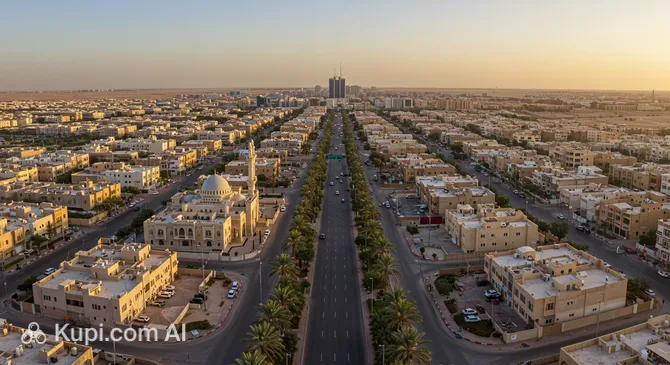
Dhahran is a true oasis of modernity and Arabian traditions located in the east of the Arabian Peninsula. The city is nestled in the Eastern Province, just eight kilometers from the picturesque coast of the Persian Gulf. For many travelers attracted to Saudi Arabia, Dhahran becomes a discovery thanks to its strategic position and surprisingly cosmopolitan atmosphere.

Dhahran. Illustration.
Source: Kupi.com AI

Despite its compact size and population of just over 32,000, the city plays a key role in the economy of the entire region. It is home to the headquarters of the famous Saudi Aramco company and one of the country's leading technical universities — King Fahd University of Petroleum and Minerals. Industrial development is closely intertwined with the past: the rich history of Dhahran has led to the creation of a unique environment where you can meet specialists from all over the world on the streets, and a variety of cultural influences is felt at literally every step.

Dhahran seems designed for those who appreciate a combination of modern comforts and Oriental flavor. Walks through well-maintained green parks, viewing architectural masterpieces, and visiting unique museums make a stay here rich and interesting. A developed gastronomic scene and proximity to the sea add to the city's appeal, making it an excellent choice for both business trips and family tourism.

Weather Overview

The climate in Dhahran is typical of desert regions: it is an eternal summer transitioning into a mild and comfortable winter. When planning your trip, it is important to consider seasonal characteristics to choose the most suitable time for your visit and activities.

The summer months, from June to September, are a true test of heat. During this time, the average temperature stays well above 33°C, and at the height of July and August, daytime highs often exceed 42°C. There is no rain at all during this period, so the sun shines brightly and constantly. Tourists are advised to plan excursions for the early morning or evening, and spend the day enjoying the coolness of modern shopping centers and museums.

Winter and the shoulder seasons bring long-awaited freshness. From December to February, the air cools to a pleasant 17–19°C, although at night the thermometer can drop to 12°C. This is an ideal time for walks along the waterfronts and in parks. To know exactly what to expect from the skies, we recommend checking what weather in Dhahran is forecast for the time of your trip.

Expect very hot, dry summers and mild, cool winters with the possibility of rare, short-lived rain in January and February.

Average monthly temperature

Average monthly precipitation

Interesting Facts

In addition to its status as a major industrial center, Dhahran holds many fascinating secrets and unexpected discoveries for travelers. This city, which rose from the desert, can surprise you with its unique blend of history, technology, and multicultural atmosphere.

  • Born from the sands. Dhahran is a city with an unusual destiny, practically built from scratch following the discovery of oil. Most of the local infrastructure was created through the efforts of the giant Saudi Aramco, which turned a lifeless desert into a thriving oasis and one of the region's key economic hubs.

  • Architecture of the future. The King Abdulaziz Center for World Culture (Ithra) has become a true symbol of the city. This futuristic building captures the imagination with its forms and content: inside are museums, a library, and exhibition halls. The center regularly hosts global cultural events, serving as a bridge between the Kingdom's past and future.

  • A global village. Thanks to the oil industry, Dhahran has become one of the most international cities for which Saudi Arabia is famous. Specialists from all over the world live and work here, creating a unique environment where you can meet people of many different cultures and nationalities.

  • A show of water and light. The city features the famous Rashid Dancing Fountain, which hosts mesmerizing performances for spectators in the evenings. These light and music shows have become a popular entertainment, bringing a touch of magic to the warm Arabian nights.

How to Get There

Thanks to the developed transport infrastructure of the Eastern Province, getting to the city is quite simple. Dhahran is part of a large metropolitan area, so travelers can use the transport hubs of neighboring cities. You can find all the details and plan your route by following the link: more on how to get to Dhahran.

The city itself does not have its own civilian airport for regular flights. The main hub for tourists is King Fahd International Airport (DMM), located in Dammam. It is one of the largest airports in the world by land area. It is located just 35.5 km from Dhahran. A taxi or transfer will take approximately 30–45 minutes depending on traffic.

Another popular option is arriving via the neighboring country of Bahrain. Bahrain International Airport (BAH) is located in Manama, about 60 km from Dhahran. The cities are connected by the famous King Fahd Causeway. The drive takes about 2 hours, though you should allow extra time for passport control at the border.

For those traveling on complex routes, Hamad International Airport (DOH) in Doha is available. This is a massive international hub, but it is significantly further away — 190 km from the city — and a transfer from there will take more than 5 hours.

For convenience, here is a summary of the main airports:

AirportPassenger trafficDistance
King Fahd International Airport12 mln35 km
Bahrain International Airport9.4 mln59 km
Al-Ahsa Airport1 mln119 km
Hamad International Airport52.7 mln191 km
Jam Airport289 km

Regarding rail connections, there is no passenger station directly in Dhahran. However, the city is served by the rail network through neighboring Dammam. High-speed trains connect Dammam with the Saudi capital, Riyadh. Upon arriving at the station in Dammam, you can easily reach Dhahran by taxi or local transport in a short time.

Main Attractions

Dhahran offers travelers a unique combination of educational tourism and entertainment. The city, known as the oil capital, has today transformed into an important cultural hub where modern technology coexists with the natural beauty of the coast.

The undisputed landmark of the city is the King Abdulaziz Center for World Culture, also known as Ithra. This architectural wonder, resembling wind-worn desert stones, has become a symbol of the cultural renaissance that Saudi Arabia is undergoing. Inside the futuristic complex are a massive library, a cinema, a theater, a museum, and a Knowledge Tower. This place is a must-visit for anyone who wants to experience art, history, and innovation in ultra-modern surroundings.

Next to the cultural center is the Energy Exhibit. This is an interactive museum created by Saudi Aramco that tells the story of the oil industry and energy in an engaging way. Both adults and children will find it interesting: the exhibits allow visitors to learn about geology, resource extraction, and future technologies through modern multimedia installations and gaming simulators.

Shopping enthusiasts should check out the Mall of Dhahran — one of the largest shopping centers in the Eastern Province. It is not just a place for shopping, but a complete entertainment complex with hundreds of international brand stores, diverse restaurants, and family attractions. It is a great place to spend time escaping the daytime heat in the cool of the spacious galleries.

Although Dhahran is an industrial city, its proximity to the sea provides excellent opportunities for outdoor recreation. Just a few minutes' drive away is the famous Half Moon Bay. This popular resort area with sandy beaches is ideal for picnics, swimming, and water sports. The picturesque crescent-shaped shoreline attracts both locals and tourists looking to enjoy the calm waters of the Persian Gulf.

Local Cuisine

Dhahran's gastronomic scene is a vivid reflection of its multicultural character, where ancient Bedouin traditions harmonize with culinary trends from around the world. A journey here would be incomplete without tasting the Kingdom's main dish — Kabsa. This hearty and fragrant dish of spiced rice with meat, usually lamb or chicken, is served in both the city's finest restaurants and cozy family eateries. Thanks to the proximity to the Persian Gulf, the menu also frequently features fresh seafood, masterfully prepared over an open flame with a pinch of Eastern spices.

For those who prefer a quick and flavorful snack, Dhahran offers a rich variety of street food. Local markets and small shops always offer freshly baked flatbreads, crispy falafel, and juicy shawarma. Traditional appetizers like smooth hummus, typically eaten by dipping bread into it, remain consistently popular. The city regularly hosts gastronomic festivals where you can try both classic mansaf and modern interpretations of Arabian dishes.

Sweets and hospitality rituals hold a special place in the food culture. Any visit to a local home or traditional cafe is likely to begin with an offer of fresh dates and a cup of aromatic Arabic coffee with cardamom. For desserts, those with a sweet tooth should look out for baklava and melt-in-the-mouth sesame halva.

When it comes to drinks, it is important to remember the cultural specifics of the region: alcohol is strictly prohibited in Saudi Arabia and is not served anywhere. Instead, the local drinking culture centers around tea, coffee, and a variety of refreshing beverages. Tourists should try fresh juices with exotic fruit combinations or "Saudi Champagne" — a popular non-alcoholic cocktail made with apple juice and sparkling water with fruit pieces and mint.

Travel Tips

Dhahran is a city with a unique business and academic atmosphere, where modern comfort exists alongside Eastern traditions. To ensure your journey is smooth and leaves only pleasant impressions, we have prepared a list of practical recommendations to help you feel confident in any situation.

  1. Wardrobe and Dress Code. Given the hot climate, opt for loose clothing made from natural fabrics (cotton, linen) in light tones. Although Dhahran is an expat-friendly city, modesty should be observed in public places (malls, parks): shoulders and knees should be covered for both women and men. Don't forget to bring sunglasses and a hat, as well as a light sweater or cardigan — indoor air conditioning is often set to full power.
  2. Transportation. Public transport in the city is underdeveloped and not very convenient for tourists. The most comfortable way to get around is by taxi, which is best called via the Uber, Careem, or Kaiian apps. If you are a confident driver and plan to visit neighboring cities (Dammam, Al Khobar) or beaches, it makes sense to rent a car — the roads here are of excellent quality and gasoline is cheap.
  3. Finances and Payment. The national currency is the Saudi Riyal (SAR). A cashless payment system is widespread in Dhahran: international cards (Visa, Mastercard) and contactless payments (Apple Pay, Google Pay) are accepted even in small coffee shops. Cash may only be needed at markets or for tips, which are welcomed but left to your discretion (usually around 10-15% of the bill).
  4. Health and Safety. Dhahran is one of the safest cities in the region with a low crime rate. Pharmacies, such as the Nahdi chain, are common, and many operate 24/7. The main danger for tourists is dehydration and heatstroke, so always carry water with you. Drinking tap water is not recommended; it is better to buy bottled water.
  5. Communication and Language. Due to the presence of Saudi Aramco and the university, English is understood almost everywhere, often even better than in other cities in the country. For stable internet, we recommend buying a local SIM card from providers like STC, Mobily, or Zain immediately upon arrival. Wi-Fi is available in most hotels and cafes, but mobile internet is more reliable for navigation.
  6. Local Etiquette. It is customary to greet locals with the phrase "As-salamu alaykum." An important rule: you should greet people, hand over money, or pass food exclusively with your right hand, as the left is considered "unclean." In public places, try to behave discreetly; loud talking and active gesturing may be perceived poorly.
  7. What to Avoid. The consumption and import of alcohol is strictly forbidden — it is a criminal offense. Also, avoid photographing locals (especially women) without their explicit permission. Public displays of affection between couples (hugging, kissing) are discouraged and may result in comments from bystanders or the police.
  8. Life Rhythm Specifics. Remember that the weekend in Saudi Arabia is Friday and Saturday. On Friday before lunch (the time of the main prayer), most shops and entertainment centers are closed. Life in the city "wakes up" closer to the evening when the heat subsides: shops and restaurants often stay open until midnight and later.

Following these simple rules will help you show respect for the local culture and avoid awkward situations. Dhahran is a welcoming and modern city, ready to reveal its secrets to everyone who travels with an open heart and attention to traditions.

Entertainment & Nightlife

Nightlife in Dhahran has its own unique character, dictated by the country's cultural traditions and laws. You won't find the typical European-style nightclubs or bars serving alcohol here, as Saudi Arabia enforces strict prohibition. However, this doesn't mean the city goes to sleep at sunset. On the contrary, life here truly begins after the evening prayer, when the daytime heat subsides and locals head out to socialize and relax.

The focal point for evening leisure is the coffee shops and lounge zones, which serve as social clubs here. The Al-Doha and Al-Dana districts are home to many trendy establishments serving specialty coffee, signature non-alcoholic cocktails (mocktails), and exquisite desserts. The atmosphere in such places is very lively and modern, attracting young people, petroleum university students, and expats. Many establishments stay open until 1:00 AM or 2:00 AM, offering cozy terraces and stylish interiors for long conversations.

A special place in the evening program is occupied by the King Abdulaziz Center for World Culture (Ithra). In the evening, this architectural wonder is illuminated, turning into a futuristic backdrop. Concerts, theater productions, and film screenings are held here regularly. Attending a late-night screening at the Ithra cinema or dining at one of the complex's restaurants is a popular cultural leisure option for the intellectual crowd.

For those who prefer a more buzzing environment, the Mall of Dhahran is the ideal spot. In the evening, this retail giant turns into a city within a city. It features Muvi Cinemas, large entertainment zones, and food courts that stay open until late at night. It is an excellent place for family outings, where you can combine shopping with dinner at a restaurant.

Practical tips for tourists:

  • Opening hours: Most entertainment venues open after 4:00 PM and operate until midnight or 2:00 AM. Peak activity occurs on Thursday and Friday (the weekend).
  • Dress code: Modest clothing requirements remain even at night. A "smart casual" style is appropriate for most coffee shops and restaurants.
  • Safety: Dhahran is exceptionally safe. You can comfortably walk through the well-lit streets of Al-Doha or the campus areas even late at night.
  • Transport: Public transport is virtually non-existent at night. The most reliable way to get back to your hotel is to use the Uber or Careem taxi apps.

While the main focus in Dhahran is on evening leisure, the city also offers interesting opportunities during the day. You can visit interactive museum exhibits, stroll through the air-conditioned galleries of shopping malls, or head to nearby amusement parks that begin operating closer to sunset.

Parks & Museums

Dhahran, contrary to desert landscape stereotypes, surprises guests with well-maintained green spaces and a deep immersion into the cultural context. The city is actively developing public areas where modern technology harmoniously coexists with nature, while world-class museums tell stories connecting the region's past and future.

Green Oases and Natural Areas

One of the most impressive places for a stroll is the Ithra Gardens, surrounding the famous Center for World Culture. This is not just a park, but a landscape masterpiece where winding paths are laid out among hundreds of palms and local plants. The gardens serve as an open-air gallery for art installations and sculptures by contemporary artists. An atmosphere of tranquility and inspiration prevails here, making the park an ideal place for leisurely walks, reading a book outdoors, or a morning run.

For those seeking larger natural locations, Modon Lake Park is of great interest. This is the largest artificial lake in the Kingdom's industrial cities, transformed into a picturesque recreation area. The vast territory with greenery, walking trails, and picnic spots attracts families and nature lovers. Here you can observe migratory birds (in season) and enjoy the contrast between the region's industrial power and the calm surface of the water.

Museums and Galleries

The cultural heart of the city is undoubtedly the Ithra Museum, located inside the Center for World Culture. This space consists of four main galleries, each dedicated to a specific theme: contemporary Saudi art, Islamic heritage, the natural history of the Arabian Peninsula, and archives. The exhibits use cutting-edge technology to immerse visitors in context, and the majestic Great Hall regularly hosts exhibitions of global masterpieces.

Equally fascinating for tourists is a visit to the Alfelwah and Aljowharah Museum. This is a unique private collection in the Al-Nuzha district that has grown into a full-fledged heritage museum. Its halls house thousands of exhibits: from antique carpets and traditional clothing to rare editions of the Quran and vintage cars that belonged to the royal family. This place literally allows you to touch the everyday life and traditions that Saudi Arabia is proud of.

The technological side of history is revealed by the Energy Exhibit. While this place is often called a science center, it is essentially a modern museum of the oil industry and energy. Through interactive games, 3D films, and simulators, it tells the story of how the Earth's depths were formed and how resource extraction changed the face of the region. It is a great example of how complex technical topics can be made exciting for a wide audience.

Insider Tip

If you find yourself in Dhahran, try to visit the Ithra Gardens at sunset. At this time, the soft lighting of the building and paths turns on, and the heat subsides, creating a magical atmosphere. Also, pay attention to the architecture of the Ithra building itself: the stones it is composed of symbolize unity, and their arrangement is no accident — it is an excellent backdrop for conceptual photos.

Getting Around

The public transport system in Dhahran, as in the entire Greater Dammam metropolitan area (which also includes Al Khobar and Dammam), has been actively modernized in recent years; however, the city remains primarily car-oriented. For a tourist, this means that walking between attractions is virtually impossible due to long distances and the hot climate, and the main methods of travel remain taxis and rental cars.

Nevertheless, a large-scale project called Eastern Province Bus has been launched in the region. This is a modern network of bus routes connecting Dhahran with neighboring cities. The red buses are comfortable, air-conditioned, and equipped with Wi-Fi, which is critical in the local weather. They run along main highways, stopping at key locations such as shopping malls and public institutions. This is the most budget-friendly way to get around, though intervals can reach 30–60 minutes, which is not always convenient for short trips.

The payment system on buses is entirely digital. To travel, you need to purchase a smart card, which can be topped up, or use the special Eastern Province Bus mobile app. In the app, you can plan a route, check the schedule, and pay for a ticket via QR code. The fare is fixed and very affordable. You must validate your ticket or scan the code upon entering the bus through the front door.

There is currently no metro, tram, or trolleybus system in Dhahran itself. Rail travel is represented only by intercity lines: the nearest station is in neighboring Dammam, from where high-speed trains depart for Riyadh. Therefore, there is no need to look for subway stations in the city — their functions are performed by wide high-speed highways.

The most popular alternative to public transport is ride-hailing services. Apps like Uber, Careem, and local equivalents like Jeeny or Kaiian work flawlessly. This is the most recommended option for tourists: you see the cost of the trip in advance, can pay with a linked card, and avoid any language barrier with the driver. Regular city taxis (white cars with roof signs) are also available, but you must insist on using the meter or agree on a price in advance.

Renting a car is an excellent choice for those who feel confident behind the wheel. The roads in Dhahran are wide and of excellent quality, and gasoline is inexpensive. All major international rental companies are represented in the city. Car-sharing is also beginning to develop (e.g., the ekar service), but it is currently less common than traditional rentals. Bicycle rental as a means of transport is virtually non-existent due to the heat and lack of bike lanes on main roads; bicycles are used more for sport in gated parks or along the waterfronts.

If you plan to visit restricted areas, such as the campus of King Fahd University of Petroleum and Minerals (KFUPM) or the Saudi Aramco residential complex, keep in mind that they have their own internal bus shuttle systems available only to residents and employees. For tourists moving within these zones (if you have a pass), it is better to use a taxi or personal transport.
Accommodation

The choice of accommodation in Dhahran is largely dictated by its status as the regional business and industrial capital. It is difficult to find classic budget hostels familiar to backpackers here. The bulk of the hotel stock consists of modern business hotels in the 4 and 5-star categories, as well as high-quality serviced apartments aimed at engineers, consultants, and long-term specialists. The level of service in local hotels is traditionally high and meets strict international standards.

When planning your trip, it is important to choose the right location. The most convenient areas for tourists are those adjacent to the large Mall of Dhahran complex (the Al-Doha and Al-Dana districts). Staying here provides walking distance to restaurants, shops, and entertainment, as well as proximity to the main attraction — the Ithra cultural center. The zone bordering the neighboring city of Al Khobar is also popular; due to the lack of visible borders between the cities, tourists often choose hotels along the coastal strip, from where it is easy to reach the business center of Dhahran.

Since Saudi Arabia is rapidly developing its digital infrastructure, you can book accommodation through any popular international online platforms or directly on hotel websites. Global hotel chains are widely represented in the city, guaranteeing a familiar level of comfort and loyalty.

Useful information for booking:

  • Price range: Dhahran falls into the category of cities with above-average prices. The main segment is "mid-to-high" and "luxury." Budget travelers should consider furnished apartments, which often offer more affordable prices with a high level of convenience, including private kitchens.
  • Timing advice: During the winter season (from November to February), when the weather becomes ideal for walking and festivals are held at cultural centers, demand for rooms rises sharply. It is recommended to book accommodation at least 2–3 weeks in advance to ensure the best choice and avoid overpaying.

Nearby Cities

For those looking to explore the surroundings, Dhahran serves as an excellent starting point for day trips to several interesting nearby locations:

Just a 20-minute drive away is Dammam — the administrative capital of the Eastern Province. This dynamic port city is known for its picturesque Corniche, where you can enjoy the sea breeze and picnics. It is also home to the Heritage Village, a museum-restaurant that immerses guests in the atmosphere of traditional Saudi Arabian life.

A bit further, about an hour and a half away, lies Al Hofuf — the heart of the famous Al-Ahsa Oasis, a UNESCO World Heritage site. This is an ideal destination for nature and history lovers: here you can wander through the cool caves of Al-Qarah Mountain, visit the historic Qaisariya Souq, and see the endless date palm groves that create a unique green landscape in the middle of the desert.

It is also worth noting the ancient city of Qatif, located north of Dhahran. It is famous for its rich history dating back millennia and the renowned Tarout Castle on Tarout Island. Qatif is also known for its colorful fish market, which is considered one of the largest in the region.

CityPopulationDistance
Al Khobar219 67916 km
Dammam903 31221 km
Saihat115 00028 km
Al Awjam25 50037 km
Qatif524 18238 km

These nearby destinations provide an insight into the diverse culture and landscapes of the region, from modern metropolises to ancient oases.

Shopping & Souvenirs

Shopping in Dhahran is not just a quest for purchases, but an important part of social life and a way to escape the daytime heat. In this modern city, trade is primarily concentrated in massive air-conditioned complexes that offer the highest level of service. Here you can find everything from luxury global brands to high-quality local goods. A feature of shopping in Saudi Arabia is the special emphasis on perfumery and jewelry, so even in ordinary shopping centers, you will encounter luxurious displays of gold and oud fragrances.

The city's main commercial life is concentrated along major highways and in the Al-Doha district. This is where popular shopping galleries and boutiques are located. Unlike old Arab cities with their tangled streets, Dhahran's shopping areas are planned spaciously and are convenient for motorists. Prince Faisal Bin Fahd Road, which transitions into neighboring Al Khobar, is known for its concentration of electronics stores, fashion boutiques, and restaurants, serving as one of the main commercial arteries of the metropolitan area.

The undisputed king of shopping in the region is the Mall of Dhahran. This is one of the largest shopping centers in the Eastern Province, occupying a vast territory. Inside this single-story giant are hundreds of mass-market and premium stores, a hypermarket, and an extensive entertainment area. The mall's architecture with high ceilings and wide corridors allows families to comfortably spend entire hours here. Another notable place is the Amwaj Mall complex, located nearby, where you can find more affordable brands and household goods.

Although Dhahran is a modern industrial city, tourists won't have to go far for the atmosphere of a traditional Eastern bazaar. There are virtually no classic ancient markets (souqs) in the city itself, but locals often visit neighboring Dammam (just 15–20 minutes away) for the famous Souq Al Hob ("Love Market"). There you can wander between stalls with spices, fabrics, and incense, experiencing the true flavor of Arabia. In Dhahran itself, farmers' markets and pop-up markets are periodically held in parks, selling fresh produce and handicrafts.

When choosing what to bring back from your trip, look for traditional Saudi souvenirs. Primarily, these are elite varieties of dates (such as Ajwa or Sukkari), which are often sold in beautiful gift boxes filled with nuts or chocolate. Also popular is oud — a precious perfume oil with a deep woody aroma, and bakhoor incense for the home. Coffee lovers should look for elegant "dallah" coffee pots and sets of small cups, which make a beautiful addition to any interior.

Shops in Dhahran usually operate from 9:00 or 10:00 AM until 10:00–11:00 PM without breaks. However, small private shops may close for a afternoon siesta from 12:00 PM to 4:00 PM. On Friday — the holy day for Muslims — shopping centers open their doors only after noon prayer, closer to 2:00 PM or 4:00 PM. Payment is possible almost everywhere via bank cards (Visa, Mastercard, Mada) and contactless methods via smartphone. Cash (Saudi Riyals) may only be needed at small markets or for minor purchases.

Saudi Arabia has a Value Added Tax (VAT) of 15%. Tourists have the opportunity to reclaim paid tax upon leaving the country through the Tax Free system. To do this, you must make purchases in shops participating in the program (look for stickers in windows) and keep your receipts along with special refund forms. You can process the refund at special kiosks at the airport before departure.

Reached the end of the page?

That means the route is fully explored