Support

Muharraq

About

Muharraq is not just a city, but the true heart of ancient Bahrain, nestled comfortably on the island of the same name in the Persian Gulf. It is located just a few kilometers from the modern capital, Manama, to which it is connected by the Sheikh Hamad Bridge. Until 1923, Muharraq proudly served as the country's capital and maintains its cultural and historical significance to this day. With a population of about 75,000, it is Bahrain's second-largest city, attracting visitors with its authentic atmosphere filled with tranquility, oriental hospitality, and the scent of spices.
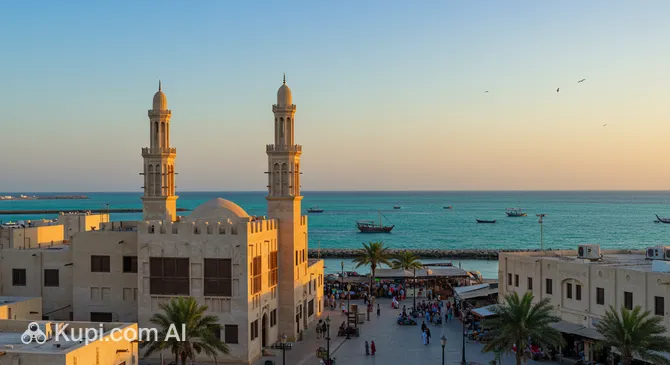
Muharraq. Illustration.
Source: Kupi.com AI

The narrow streets of Muharraq seem designed for leisurely strolls and discoveries. The city's historical center is a labyrinth of beautifully restored traditional Arabic houses with carved wooden windows, ancient mosques, and cozy courtyards. One of the city's hallmarks is its unique architectural character, where centuries-old traditions harmoniously intertwine with modernity. A striking example of this juxtaposition is the Khalifiya Library, with its unusual rusted metal facade contrasting with classical buildings.

Muharraq is also renowned as a center for the pearling industry, which defined the lives of local residents for centuries. You can immerse yourself in this history by visiting specialized museums and workshops. The city offers many interesting spots: from colorful traditional markets where you can find unique souvenirs and local delicacies to modern art galleries and inviting cafes.

A visit to Muharraq is an opportunity to touch the authentic culture and history of Bahrain, feel the unique charm of an old Eastern city, and find something of your own, whether it be an admiration for architecture, an interest in history, or simply a desire to enjoy a peaceful atmosphere away from the tourist bustle.

You can find more interesting facts on the Muharraq city history page.
Weather Overview

In Muharraq, you can expect a hot and dry summer, with average temperatures reaching 32-34°C, especially in July and August. Winters here are mild, with average temperatures around 18-20°C in January and December. Precipitation in the city is minimal throughout the year, with very few rainy days, primarily during the winter months.

For a more detailed forecast and monthly weather information, you can visit the Muharraq climate page.

Average monthly temperature

Average monthly precipitation

Interesting Facts

Beyond its modern amenities and bustling markets, Muharraq hides fascinating stories and facts that don't always make it into standard guidebooks. This city, once the heart of Bahrain, is ready to share its secrets with inquisitive travelers.

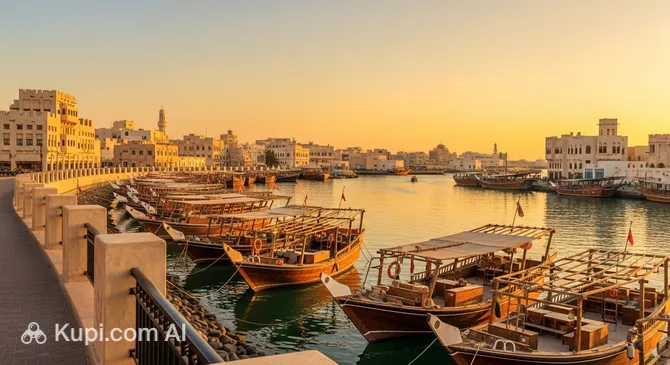
Bahrain Harbour. Illustration.
Source: Kupi.com AI

Traveler photos:

  • Few people know that Muharraq remained the capital of Bahrain until 1923, and it was from here that the legendary dhow boats set out to sea for centuries in search of the precious pearls that made the region famous.

  • The city takes pride in a unique UNESCO World Heritage site – the "Pearling Path." This 3.5-kilometer route is not just a walk, but a true immersion into the history of the pearl industry, passing through restored historical buildings of merchants and pearl divers.

  • In Muharraq, you can see magnificent examples of traditional Bahraini architecture, such as the House of Sheikh Isa bin Ali. This is not just an old building, but a living testament to the daily life and culture of noble families in 19th-century Bahrain, allowing you to touch the authentic atmosphere of the past.

  • Muharraq is not just about history; it is also an important cultural center. The city has given Bahrain many famous artists and craftsmen, and its art galleries and craft workshops still carefully preserve and develop unique traditions of local decorative and applied arts.

How to Get There

The most convenient way to reach the city of Muharraq, one of Bahrain's historical centers, is by air, as the city is located on an island of the same name and is closely linked to the mainland by modern bridges. The main international gateway is in the immediate vicinity, and there are also alternative options via airports in neighboring countries.

The primary and most convenient way to get to Muharraq is to fly into Bahrain International Airport (BAH). This major international airport is located in Manama, just 3.2 km from the center of Muharraq. A taxi ride from the airport to your hotel in Muharraq will take only about 10-15 minutes. The airport handles numerous international flights and serves as a hub for the national carrier, Gulf Air.

Another option is to fly into King Fahd International Airport (DMM) in Dammam, Saudi Arabia. This large airport is approximately 84.4 km from Muharraq. The journey from there involves crossing the border via the King Fahd Causeway, which connects Saudi Arabia and Bahrain. The entire trip by car or taxi can take about 1.5-2 hours, excluding time for border formalities.

You can also consider flying via Hamad International Airport (DOH) in Doha, Qatar. This is one of the largest aviation hubs in the Middle East, located about 148.3 km from Muharraq. Traveling from Doha to Muharraq by car requires crossing the Qatari-Saudi border and then the Saudi-Bahraini border via the King Fahd Causeway, which can take 3-4 hours or more depending on border processing times.

For convenience, here is a summary of the main airports you can use to reach Muharraq:

AirportPassenger trafficDistance
Bahrain International Airport9.4 mln3 km
King Fahd International Airport12 mln84 km
Hamad International Airport52.7 mln148 km
Al-Ahsa Airport1 mln156 km
Jam Airport245 km

As for rail connections, they are not a common way for tourists to reach Muharraq or Bahrain directly. The main focus of international transport is on air travel and road transport, especially via the King Fahd Causeway linking Bahrain to Saudi Arabia.

Main Attractions

Muharraq, one of Bahrain's oldest cities and its former capital, offers tourists not only a deep dive into history but also modern opportunities for relaxation and entertainment. Among the interesting places worth visiting, the following stand out:

One of the modern points of attraction in the Muharraq region is Bahrain Harbour. This area is a picturesque harbor where you can enjoy walks along the promenade, admire modern yachts, and take in the impressive architecture. It often features cozy cafes and restaurants overlooking the water, making it a wonderful place for evening relaxation and enjoying the sea breeze.

Bahrain Harbour. Illustration.
Source: Kupi.com AI

Traveler photos:

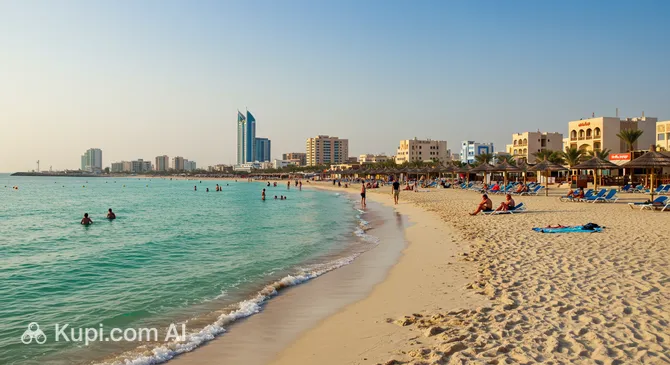
For sun and sea lovers, Muharraq offers Juffair Beach. This is a popular spot for relaxation among both locals and tourists. Here, you can not only sunbathe and swim in the waters of the Persian Gulf but also simply unwind and enjoy the calm atmosphere. The beach is particularly attractive for those who want to take a break from the city's hustle and bustle and spend time outdoors.

Juffair Beach. Illustration.
Source: Kupi.com AI

Traveler photos:

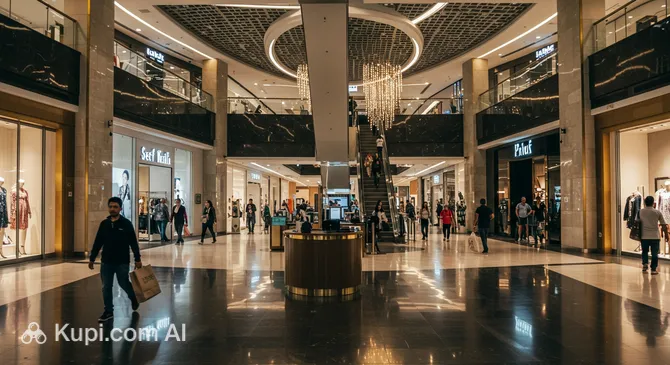
If you are interested in shopping and entertainment, Seef Mall Arad is worth your attention. This modern shopping center offers a wide selection of international and local brand stores, various restaurants and cafes for every taste, and entertainment zones for the whole family. It is an excellent place to spend a few hours, especially on a hot day, combining shopping with pleasant leisure.

Seef Mall Arad. Illustration.
Source: Kupi.com AI

Traveler photos:

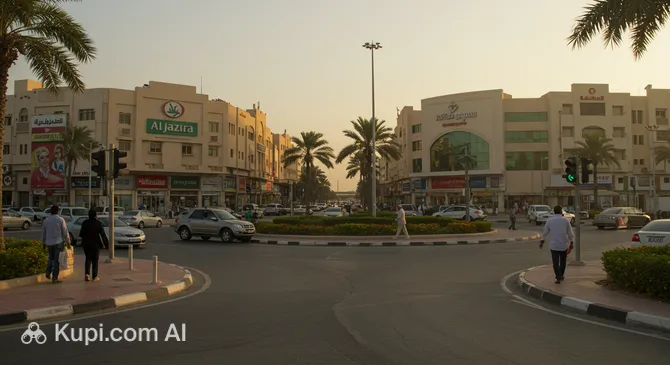
Another popular spot for leisure and meetings is Juffair Square. This lively plaza or shopping area attracts visitors with its variety of restaurants, cafes, and shops. It becomes especially crowded in the evening, creating a pleasant atmosphere for walking and socializing. Juffair Square serves as a hub in the district of the same name, offering guests of the city many options for rest and entertainment.

Juffair Square. Illustration.
Source: Kupi.com AI

Traveler photos:

Local Cuisine

The culinary scene in Muharraq is a true immersion into a world of oriental aromas and flavors. Closely tied to the sea, the city offers an abundance of fresh fish and seafood dishes that form the basis of the local cuisine. The air here is often filled with the scents of spices, grilled fish, and sweet desserts, creating the atmosphere of a bustling Middle Eastern bazaar.

Be sure to try machboos – the signature dish of Bahraini cuisine. It consists of fragrant, fluffy rice cooked with fish or meat, generously seasoned with turmeric, cinnamon, and saffron. Another popular treat is sambusek, crispy pastries with various fillings, most often meat or cheese. You should also definitely try the traditional Bahraini soup harees, thick and hearty, made from wheat with chicken or lamb. For dessert, locals prefer sweets like halwa or umm ali – a delicate oriental bread pudding with nuts and dried fruits.

Among drinks, coffee with cardamom is particularly popular and served almost everywhere. Gahwa (Arabic coffee) is also traditional. On a hot day, it is pleasant to refresh yourself with freshly squeezed fruit juices or mint tea. Alcoholic beverages are mainly available in hotels and licensed restaurants.

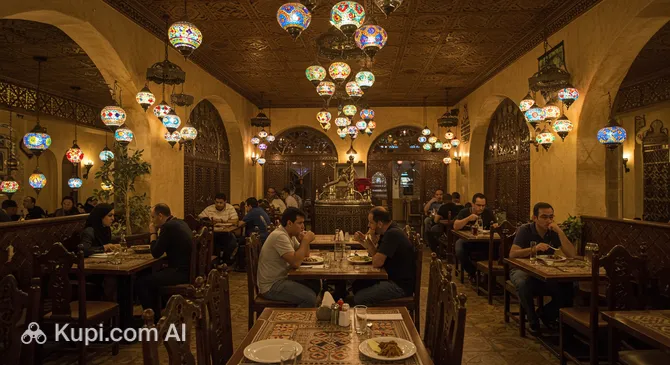
Palestine Nights Restaurant. Illustration.
Source: Kupi.com AI

Traveler photos:

Dining culture in Muharraq is diverse. Locals often eat in small traditional cafes and eateries where you can taste authentic dishes at affordable prices. Street food also plays an important role, offering quick and delicious snacks. The markets of Muharraq are a treat in themselves; here you can buy fresh dates, aromatic spices, nuts, and various Persian sweets. For a more refined dinner, tourists can visit restaurants offering both local and international cuisine, such as the Palestinian Nights Restaurant, where you can delve deeper into regional culinary traditions. Many dishes are prepared according to old family recipes, giving them a special, home-cooked taste.

Travel Tips

Welcome to Muharraq, one of Bahrain's oldest and most authentic cities! To ensure your journey through this historical pearling hub goes smoothly and leaves only pleasant impressions, we have prepared some practical tips.

  1. Clothing and Essentials:

    The climate in Muharraq is hot desert. In summer (May-September), it is truly hot and humid, so choose light, breathable clothing made from natural fabrics (cotton, linen). In winter (December-February), the weather is comfortable, but you might need a light jacket in the evening. Don't forget sunglasses, a hat, and high SPF sunscreen. Comfortable shoes are essential for walking through the ancient streets. When visiting mosques and other religious sites, observe the dress code: women are advised to cover their head, shoulders, and knees; men should cover their shoulders and knees. Bring a universal adapter (Bahrain uses type G, the "British" socket).

  2. Transport in the City:

    The main way for tourists to get around Muharraq is by taxi. You can use official taxis (ensure the driver turns on the meter or agree on a price in advance) or popular Middle Eastern ride-hailing apps like Careem. Public transport in the form of buses exists, but the routes may not always be convenient for sightseeing. Car rental is possible, but keep in mind that traffic in the old parts of the city with narrow streets can be heavy, and parking is limited.

  3. Finance and Payments:

    The official currency of Bahrain is the Bahraini Dinar (BHD). You can exchange money at banks, exchange offices at the airport, or large shopping malls. Credit and debit cards (Visa, Mastercard) are widely accepted in hotels, restaurants, and big shops. However, it's better to carry cash for purchases in markets and small stalls. ATMs are easy to find throughout the city. A rough daily budget (excluding accommodation) can range from 50 to 100 BHD. Tipping is welcome: in restaurants, it's usually 10-15% of the bill (sometimes it's already included), and you can round up the fare for taxi drivers.

  4. Health and Safety:

    Muharraq, like Bahrain as a whole, is considered a safe city with a low crime rate. Nevertheless, always follow standard precautions: keep an eye on your belongings, especially in crowded places, and don't leave valuables unattended. Pharmacies are numerous, and some are open 24 hours. Medical care is available to tourists; it is recommended to have valid travel insurance. The emergency number for police, ambulance, or fire services is 999. It is best to buy bottled drinking water.

  5. Communication and Connectivity:

    The official language is Arabic. However, English is widely spoken, especially in tourist areas, hotels, restaurants, and among the youth. Many signs and menus are duplicated in English. For convenience, you can learn a few simple phrases in Arabic: "As-salamu alaykum" (Hello), "Shukran" (Thank you), "Min fadlik" (Please). A local SIM card can be purchased at the airport or at mobile operator stores. Wi-Fi is available in most hotels, cafes, and shopping centers.

  6. Local Etiquette and Traditions:

    Bahrainis are very hospitable. Show respect for the local culture and Islamic traditions. When greeting local men, you can shake hands. In communication with women, it is better to wait for them to initiate a handshake. Avoid overly revealing clothing in public places (outside of beaches and hotel pools). Do not photograph people, especially women, without their explicit permission. If you are invited to someone's home, it is customary to remove your shoes at the entrance.

  7. What to Avoid:

    It is extremely important to avoid any criticism of religion, the royal family, or local politics – this can lead to serious consequences. Also, refrain from consuming alcohol in public places (it is only allowed in licensed establishments like hotels and some restaurants) and do not appear in public in a state of severe intoxication.

  8. Special Tip for Muharraq:

    Muharraq is the heart of Bahrain's pearling industry. Be sure to set aside time for a walk along the "Pearling Path" – a UNESCO World Heritage site. This route includes restored traditional pearl merchant houses, warehouses, and mosques, telling the unique history of the city that was once the country's capital.

We hope these tips help you better prepare for your trip and enjoy every moment of your stay in amazing Muharraq, as you discover its rich history and culture!

Entertainment & Nightlife

Muharraq, being a city with deep historical roots, offers a more traditional atmosphere compared to the bustling nightlife of Manama. However, this doesn't mean your evenings here will be dull. The city and its surroundings provide several options for relaxation and entertainment after sunset.

Nightlife in Muharraq is often centered around high-end hotels and standalone entertainment venues. You will find a mix of chic lounges, relaxing bars, and restaurants that stay open late, offering a diverse atmosphere to suit any taste. While Muharraq itself is not known for extensive nightclub districts like some other cities, it boasts quality establishments perfect for an enjoyable evening.

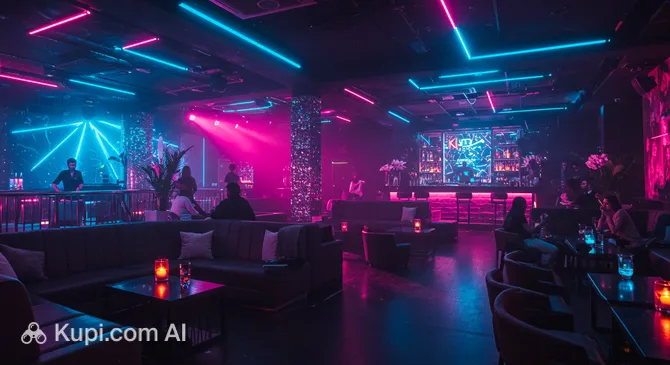
For example, if you're looking for a lively bar atmosphere, McGettigan's offers a classic Irish pub experience, often with live music and sports broadcasts. For a more sophisticated evening, consider visiting KYRO Lounge & Restaurant – a stylish venue known for its ambiance, music, and often trendy crowd. Another popular choice for an evening out is Oliveto, which offers a vibrant club-like atmosphere. The vibe in these places is generally welcoming, with a mix of locals and expatriates. The dress code usually leans toward smart-casual, especially in the more upscale lounges and clubs.

KYRO Lounge & Restaurant. Illustration.
Source: Kupi.com AI

Traveler photos:

Most nightlife venues come alive later in the evening, particularly on weekends (Thursday and Friday nights in Bahrain). It is recommended to check their schedules for special events or themed nights. Prices can vary, but expect them to be in line with international standards for such venues. Getting around at night is best done by taxi or ride-hailing apps, which are widely available. For safety, it's always advisable to use licensed taxis or reliable apps, especially when returning late. Although Muharraq is generally considered a safe city, staying in well-lit and crowded areas at night is a sensible precaution.

During the day, Muharraq offers an entirely different charm. You can explore its rich historical heritage by following the "Pearling Path" – a UNESCO World Heritage site, wandering through the traditional Souq Al Qaisariya, or visiting beautifully restored traditional Bahraini houses. For modern amenities and shopping, places like Seef Mall Arad offer a wide range of stores and dining options. While major theme parks might be closer to Manama, the cultural immersion in Muharraq is a unique experience in itself.

Parks & Museums

Muharraq, the former capital of Bahrain, enchants travelers with its unique blend of carefully preserved heritage and modern amenities. The city offers both green corners for relaxation and numerous cultural sites that allow you to immerse yourself in its rich history, particularly that associated with the pearl diving era.

Among the noteworthy green zones and outdoor recreation spots, Dohat Arad Park stands out. This picturesque park with a lagoon, walking paths, and playgrounds is a favorite place for family vacations and peaceful strolls. Also, not far from the main part of Muharraq, you can visit Juffair Beach. This is a popular spot for those who want to enjoy the sun, sea, and various water activities. In addition to these large areas, small public gardens and promenades can be found within Muharraq itself, offering a respite from the city's hustle and bustle.

The cultural heart of Muharraq beats to the rhythm of its illustrious pearling past. A key site for understanding this era is the Pearling Path – a UNESCO World Heritage site. This route connects many historical buildings. Among them, the House of Sheikh Isa bin Ali Al Khalifa is particularly prominent; it is a beautifully preserved residence of a former ruler of Bahrain, built around 1800. A visit to this house allows you to dive into the atmosphere of 19th-century life. Another iconic museum is Bin Matar House (Memory House), the former residence of one of the major pearl merchants, which today hosts exhibitions telling the history of the pearling industry. The Abdullah Al-Zayed House, dedicated to the heritage of the Bahraini press and its founder, is also of interest.

Beyond the specialized museums, the old town of Muharraq itself is a living architectural monument. A stroll through its narrow streets with traditional houses decorated with wooden mashrabiya balconies and carved doors will provide an unforgettable experience. These historical quarters contrast vividly with modern areas, such as the developing Bahrain Harbour, which can be reached to explore new architectural projects.

For authentic impressions and a deeper immersion into local life, be sure to visit Souq Muharraq. This traditional market is a great place to buy souvenirs, spices, local sweets, and simply observe the daily life of the townspeople. Don't miss the chance to have a cup of aromatic "gahwa" Arabic coffee in one of the old coffee shops to feel the true spirit of old Muharraq.

Getting Around

When planning your travel around Muharraq, it's worth looking into the public transport system, which can help you reach the city's main points and its surroundings. The primary mode of public transport here is modern and comfortable buses. They are easily recognizable by their red color and are operated by the Bahrain Public Transport Company (BPTC). The bus network is well-developed and connects Muharraq with Manama and other important districts.

For paying fares on Muharraq buses, the most convenient and economical way is using the GO Card smart card. The cost of a single trip using the card is typically around 0.300 Bahraini Dinars (BHD). This is a rechargeable card that can be purchased and topped up at bus terminals, certain bus stations, and authorized retail outlets. Cash payment to the driver is also possible, but it is generally more expensive – a trip may cost around 0.500 BHD or slightly more, and is intended more for one-off occasions. It is recommended to carry small change if you plan to pay in cash.

Using buses in Muharraq is quite simple. When boarding the bus, you need to tap your GO Card against a special reading device (validator). Bus stops are usually marked, and schedules and routes can be checked on the official transport company website or at information centers. Buses run from early morning until late evening, though the frequency can vary depending on the route and time of day. For more precise trip planning, it is recommended to check the current schedule in advance.

In addition to buses, taxi services are widespread in Muharraq. You can hail a car on the street or book one through specialized apps. Most taxis are equipped with meters, and it is strongly recommended to ensure the driver turns it on at the start of the trip. The estimated starting fare for a taxi is around 1-1.5 BHD, with the subsequent rate being approximately 0.200-0.300 BHD per kilometer. However, these figures can vary, so it is always useful to clarify the approximate cost with the driver before the trip, especially if a meter is absent or you are agreeing on a fixed price. Ride-hailing services like Uber or Careem are also popular, offering a convenient and often more price-predictable way to get around. For short distances, particularly in the historical parts of the city, walking can be a pleasant alternative. Car rental can also be considered if you plan to travel around the island independently a lot.

Accommodation

Muharraq offers a diverse range of accommodation options to suit the needs and budget of any traveler. Here, you can find everything from affordable guesthouses and serviced apartments to mid-range hotels and more luxurious establishments.

When choosing a place to stay in Muharraq, look for areas that offer convenient access to historical sights, local markets, and the waterfront. Some parts of the city are located closer to Bahrain International Airport, which can be convenient for short trips or early departures. Areas near places like Bahrain Harbour or Juffair Beach can be particularly attractive to tourists.

Bahrain Harbour. Illustration.
Source: Kupi.com AI

Traveler photos:

Although specific hotels were not provided for mention, Muharraq and its surroundings have many options, from well-known international hotel chains to cozy local boutique hotels. The choice is truly wide, and everyone will be able to find something to their liking.

It is recommended to book accommodation in advance, especially if your trip falls during the peak tourist season or coincides with major local events. This not only guarantees room availability but often allows you to secure better rates.

The price range for accommodation in Muharraq varies from budget options to luxury offerings. You can book accommodation through popular online travel platforms, hotel comparison sites, or directly through the official websites of the hotels.

Nearby Cities

For those looking to explore the surroundings, Muharraq serves as an excellent starting point for day trips to several interesting nearby locations:

CityPopulationDistance
Manama436 0004 km
Jidd Hafs44 7698 km
Sitrah20 00010 km
Karranah12 00010 km
Madinat Isa40 00011 km

These nearby destinations provide an insight into the region's diverse culture and landscapes.

Shopping & Souvenirs

Shopping in Muharraq is a fascinating immersion into an atmosphere where modern shopping malls stand alongside traditional Eastern bazaars. The city offers diverse shopping opportunities, from authentic local goods to products from global brands. Muharraq, like all of Bahrain, is particularly famous for its pearl jewelry, gold ornaments, Arabic perfumes, and spices.

The main shopping area where you can experience true Eastern flavor is undoubtedly the old Muharraq Souq. The narrow streets of this market are filled with the aromas of spices and incense, and the stalls are bursting with a variety of goods. You can find everything here: from fresh produce and sweets to clothing, fabrics, souvenirs, and handicrafts. A stroll through the market is an interesting experience in itself, even if you don't plan on any major purchases.

Despite its historical character, Muharraq also offers modern shopping spaces. Among them, Seef Mall Arad stands out, offering a good selection of clothing, electronics, and home goods stores, as well as a food court. Another popular spot is Juffair Square, which is more focused on restaurants and cafes but also has several shops.

The heart of traditional shopping in Muharraq is the Muharraq Souq. It is not just a market, but a whole labyrinth of shops and stalls where you can buy fresh dates, local sweets (such as halwa), spices, Arabic coffee, incense (oud and bakhoor), traditional clothing, carpets, and unique handmade items. Bargaining is expected here, so don't hesitate to discuss the price.

As souvenirs from Muharraq, it's worth bringing back natural pearl items, for which Bahrain is famous. Also popular are oil-based Arabic perfumes (attars), incense, beautifully packaged dates, spices, "dallah" coffee pots, traditional ceramics, and textiles. Look out for models of traditional "dhow" boats – these are also popular souvenirs.

Shops in the markets are usually open from the morning (around 9:00-10:00) until the evening (20:00-21:00), often with a lunch break during the hottest hours (roughly from 13:00 to 16:00). Shopping centers generally operate without a break from 10:00 to 22:00, and may close later on weekends (Friday and Saturday). Bahraini Dinars (BHD) are accepted for payment, and bank cards are widely used.

For tourists in Bahrain, a Value Added Tax (VAT) refund system is in place. When making purchases at shops participating in the Tax Free program, you can obtain special receipts and claim a portion of the tax back upon leaving the country. Check with the sellers for details and look for the Tax Free Bahrain logo.

Reached the end of the page?

That means the route is fully explored