Support

Tzaneen

About

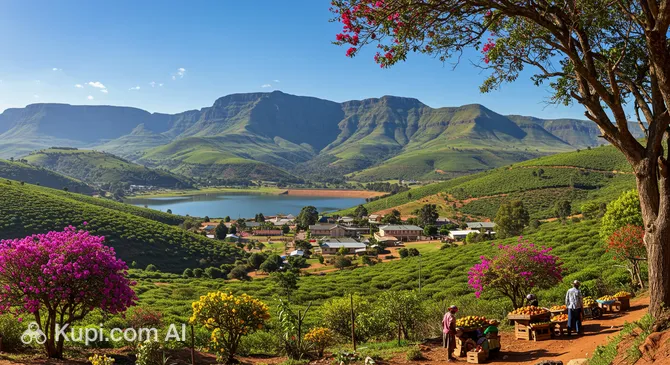
Tzaneen, located in the picturesque Limpopo province, is often called the "tropical garden" and a true oasis of freshness. This cozy town in northeastern South Africa is nestled at the foot of the majestic Drakensberg Mountains, attracting travelers with its incredible greenery and peaceful atmosphere.

Thanks to its mild subtropical climate, the region is literally blanketed in forests, and vast tea plantations and fruit farms stretch out around the town. Here, among banana groves and mango orchards, live approximately 67,000 people. The town is an important administrative center, yet it retains a soulful and hospitable feel, and the history of Tzaneen is inextricably linked with the development of agriculture on these fertile lands.

Tzaneen. Illustration.
Source: Kupi.com AI

Tzaneen's main feature is its unique natural surroundings. The town serves as a convenient gateway for visiting the famous Kruger National Park, which can be reached in just a couple of hours. Outdoor enthusiasts will find scenic hiking trails, hidden waterfalls, and excellent opportunities for spotting rare birds here.

Tzaneen is ideal for those who want to escape the hustle and bustle and enjoy authentic African flair surrounded by lush nature. Be sure to include this town in your itinerary to taste the freshest local fruits and breathe in the clean mountain air.

Weather Overview

Tzaneen's climate is favorable for travel year-round thanks to its mild subtropical character. If you want to know what the weather in Tzaneen will be like during your trip, you should look at the clearly defined wet and dry seasons.

The summer months, from December to February, are the warmest here. During the day, the air warms up to 26–27°C, while the average temperature stays around 22°C. This is a time of lush greenery, but also frequent precipitation: in December and January, it can rain for up to 17–19 days a month, refreshing the air after a hot day.

Winter, lasting from June to August, brings clear and sunny weather. Daytime temperatures remain very comfortable, within 20–23°C, however, nights become brisk—the thermometer can drop to 8°C. Overall, expect a warm summer with occasional rain and cool, dry winters, when the probability of precipitation is minimized.

Average monthly temperature

Average monthly precipitation

Interesting Facts

In addition to its main natural attractions, Tzaneen holds many fascinating secrets and unique traditions that reveal the soul of this region. Here are a few curious facts to help you better get to know this colorful corner of Africa.

  • The "Fruit Basket" of South Africa. The town bears this unofficial but well-deserved title thanks to its incredible abundance of orchards. Tzaneen is one of the country's key centers for growing mangoes, avocados, macadamia nuts, and citrus fruits, so the air here is often filled with the sweet scents of blooming plantations.

  • The Legend of the Rain Queen. Near Tzaneen lies the Modjadji Nature Reserve, known for its population of rare cycads—ancient plants that grew on Earth millions of years ago. According to local beliefs, these lands are protected by the hereditary Queen Modjadji, who is credited with the magical ability to control the weather and summon life-giving rain.

  • A Scenic Gateway to the Savanna. Tzaneen is considered one of the best starting points for a trip to Kruger National Park. The route leading from the town to the park is an attraction in itself: it winds through green hills and authentic villages, allowing travelers to immerse themselves in the atmosphere of real Africa even before the safari begins.

  • Living Traditions. The cultural heritage of the Pedi and Tsonga peoples is carefully preserved in the region. At local fairs and festivals, you can not only see traditional dances in bright costumes but also purchase exquisite beadwork and wood carvings created by local artisans using ancient techniques.

How to Get There

When planning a trip to this picturesque corner of Limpopo province, it is important to think through the logistics in advance. You can find full information and choose the best route on the how to get to Tzaneen page, and below we will look at the main transport hubs located nearby.

There is no civilian airport in the town of Tzaneen itself, so travelers usually fly into neighboring cities. The nearest and most convenient option is Polokwane International Airport (PTG), located in the city of Polokwane. The distance to the center of Tzaneen is only 69.1 km. A trip by taxi or rental car along a scenic road will take approximately 2 hours.

Another popular option, especially for those planning to visit safari parks, is Hoedspruit Airport (HDS). It is located in the town of Hoedspruit, about 110.4 km from Tzaneen. This airport receives a significant number of nature-seeking tourists. A transfer from here to your destination will take about 3 hours of travel time.

For convenience, here is a summary of the main airports in the region:

AirportPassenger trafficDistance
Polokwane Airport59 00069 km
Hoedspruit Airport264 992110 km
Singita Safari Lodge15 000169 km
Arathusa Safari Lodge7 600172 km
Londolozi Airport19 900175 km

As for rail connections, direct passenger trains to Tzaneen are not the primary mode of travel for tourists. Most often, travelers prefer to reach the town via intercity buses or rental cars from Johannesburg or Pretoria. The drive by car will give you unforgettable views, passing through mountain passes and the green valleys of the province.

Main Attractions

Tzaneen offers tourists a wonderful combination of natural beauty and modern comfort. From majestic waterfalls to cozy urban spots—everyone will find a place to their liking here. A walk through the local attractions will allow you to immerse yourself deeper into the atmosphere of the Limpopo province.

One of the region's most impressive natural gems is the Debengeni Waterfalls. Located at the foot of the Magoebaskloof mountain range, they are a picturesque cascade of crystal-clear water descending into a deep stone pool. This is an ideal spot for picnics and photo sessions surrounded by dense subtropical forest. Tourists come here to enjoy the cool on a hot day and listen to the soothing sound of the water.

For lovers of water activities and peaceful relaxation in nature, the Tzaneen Dam is a must-see. This vast reservoir, surrounded by a nature reserve, attracts fans of camping, fishing, and boating. Here, you can not only try to catch a large carp or bass but also observe hippos and many species of waterfowl in their natural habitat.

Tzaneen Lifestyle Centre. Illustration.
Source: Kupi.com AI

Traveler photos:

If you want to take a break from the wild and return to urban civilization, it's worth visiting the Tzaneen Lifestyle Centre. This modern shopping complex has become a popular meeting place for both locals and visitors. It’s a convenient place to buy travel essentials, find interesting souvenirs, or simply enjoy a coffee in a relaxed setting.

Those seeking thrills and an educational experience should check out the Agatha Crocodile Ranch. It is one of the oldest farms of its kind in the region, located on scenic slopes. Experienced guides conduct fascinating tours here, where you can learn a lot about the life of reptiles, watch the feeding of huge Nile crocodiles, and even take a photo with baby reptiles.

Local Cuisine

Tzaneen's cuisine is a bright reflection of its status as the "tropical garden" of South Africa. The town's gastronomic scene is built around an incredible abundance of fresh produce grown on local farms. The main stars of the table here are invariably exotic fruits: sweet mangoes, juicy pineapples, avocados, and bananas, which can be sampled fresh or in original desserts and jams.

To truly understand the flavor of the region, tourists should pay attention to the traditional dishes of the Pedi and Tsonga peoples. Be sure to try "pap"—a thick corn porridge often served with spicy sauces, and "morogo"—stewed wild green leaves resembling spinach. For lovers of meat delicacies, the "braai"—a local version of barbecue where meat and vegetables are cooked over an open fire, gaining a unique smoky aroma—will be a real discovery.

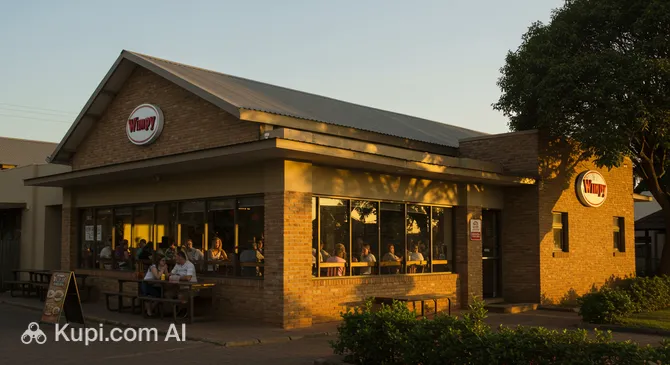
Wimpy. Illustration.
Source: Kupi.com AI

Traveler photos:

Dining culture in Tzaneen ranges from lively farmers' markets to cozy family establishments. At street stalls, you can snack on fried corn cakes, meat samoosas, or buy the famous macadamia nuts. If you are looking for familiar comfort and want to lunch in a quiet setting, you can stop by the Wimpy restaurant, which serves classic dishes familiar to any traveler.

As for drinks, the region is famous for its coffee made from beans grown on nearby plantations. On a hot day, natural passion fruit or guava juices, or spicy ginger drinks, are perfectly refreshing. A special time for foodies occurs during harvest periods, when mango and avocado festivals take place in the town, turning the streets into one large tasting area.

Travel Tips

Preparing for a trip to the "tropical garden" of Limpopo province requires attention to detail to ensure your holiday is as comfortable and carefree as possible. We have compiled a list of key recommendations to help you feel confident in this picturesque corner of South Africa.

  1. Clothing and Gear. The climate here is subtropical, so in summer (December to February), prioritize light clothing made of natural fabrics, but be sure to bring a raincoat or umbrella—showers can be sudden. In winter (June to August), days are warm, but nights can be cold, so a warm sweater or light jacket is essential. Also, don't forget comfortable trekking shoes if you plan to walk in the mountains and forests.
  2. Transport. Public transport in Tzaneen is poorly developed and geared mainly toward locals (minibus taxis). For tourists, renting a car is the optimal option. This will give you freedom of movement between waterfalls, farms, and parks. Roads are mostly paved, but for trips to remote lodges, it's better to choose a high-clearance vehicle.
  3. Finance and Payment. The local currency is the South African Rand (ZAR). International bank cards are accepted without issues in Tzaneen's shopping centers, supermarkets, and restaurants. However, be sure to carry cash in small denominations: you will need it for purchases at roadside fruit markets, paying for parking, and tipping (usually 10–15% of the bill).
  4. Health and Safety. Tzaneen is in a low-risk malaria zone, but if you plan to travel further east toward Kruger Park, consult a doctor about taking preventative medication. Always use repellents and sunscreen with a high protection factor. It is recommended to drink bottled water, although tap water in South African cities is usually of high quality.
  5. Communication and Internet. The main language of communication is English, which is understood almost everywhere. For mobile internet, it's best to buy a local SIM card (Vodacom or MTN provide the best coverage in the region). You can buy one at any supermarket or official mobile store, but remember: your passport will be required for RICA registration by law.
  6. Local Etiquette. South Africans are very friendly and value politeness. It's customary to start a conversation with a greeting ("Hello" or "How are you?") before getting down to business. Don't rush when interacting: the pace of life here is more measured than in big cities, and showing impatience can be perceived as rudeness.
  7. What to Avoid. Strictly do not feed wild animals, especially monkeys and baboons, which can be found even on the outskirts of town or by the roads. This makes them aggressive and dangerous. Also, do not leave valuables, bags, or phones in plain sight in your car, even if you are stepping out for just a few minutes.
  8. Fruit Hack. Don't just buy fruit in supermarkets. Tzaneen is famous for its roadside farm stalls, where farmers sell the freshest avocados, mangoes, lychees, and macadamia nuts at prices significantly lower than in shops. This is not only economical but also a great way to support local producers.

Tzaneen is a place where nature dictates its own rules, and respecting local characteristics will make your trip truly soulful. Follow these simple tips, enjoy the juicy fruits, and discover the beauty of the African tropics without unnecessary hassle!

Entertainment & Nightlife

Tzaneen is a quiet town where nightlife flows at a measured and relaxed pace. You won't find massive night clubs with laser shows roaring until dawn, like in Johannesburg or Cape Town. Evening entertainment in Limpopo's "tropical garden" consists primarily of cozy gatherings in pubs, dinners at restaurants with open terraces, and socializing in hotel and lodge bars.

The epicenter of evening activity for locals and tourists often centers around major shopping and entertainment complexes. One of the most popular spots is the Tzaneen Lifestyle Centre. It is safe here in the evening, with secure parking, and people flock here to dine, meet friends, or visit the cinema. The atmosphere is casual and friendly: there is no dress code in most establishments, and the style is "smart casual" or simply comfortable everyday wear.

Fans of classic bars should look into establishments at local hotels (such as the Fairview Hotel or Coach House), where a sophisticated crowd often gathers to enjoy a glass of South African wine or craft beer. Live music sometimes plays in such places, creating a pleasant backdrop for conversation. If you are looking for something very simple and familiar for an evening snack, you can stop by Wimpy—this establishment is popular for its predictability and family atmosphere, though it is not a night club in the traditional sense.

Practical Tips and Safety:

Nightlife in Tzaneen winds down quite early, with many kitchens closing by 9:00 PM – 10:00 PM. When planning your evening, keep the following in mind:

  • Transport: Taxi services like Uber do not operate as consistently here as in the major cities. The best way to get around at night is by rental car or a pre-booked transfer from your hotel.
  • Safety: Tzaneen is considered a relatively calm town, but walking on unlit streets outside of secured zones (hotels or shopping centers) at night is not recommended. Move door-to-door by car.
  • Prices: The average bill in bars and restaurants here is lower than in South Africa's major cities. A glass of beer or wine is quite affordable, which encourages long sittings.

Regarding daytime entertainment, it prevails over the nightlife in Tzaneen. The town offers a visit to the small but interesting Tzaneen Museum, which houses ethnographic artifacts of the Lemba and Tsonga peoples. Daytime walks through tea plantations and picnics in parks by the dam are also popular, providing a boost of energy before a quiet evening.

Parks & Museums

Tzaneen rightfully bears the title of "garden city," and its cultural life is inextricably linked to the magnificent nature of this region of South Africa. Here you won't find massive museum complexes on a capital scale, but you will discover cozy galleries and unique nature reserves that tell the story of the land through plants, crafts, and ancient legends.

Parks and Natural Areas

One of the region's main natural treasures is the Modjadji Cycad Reserve. This place is unique on a global scale: it is home to the largest and oldest forest of cycads on the planet. A walk along specially laid paths immerses you in a prehistoric atmosphere, and breathtaking views of the valley open up from the hilltops. Tourists come here not only for botanical wonders but also to touch the legend of the mysterious Rain Queen.

For connoisseurs of landscape design, Kings Walden Garden is a must-visit. This historic garden, created with incredible love and skill, combines elements of an English park with wild African nature. Mirror-like ponds, shaded alleys, and the famous sphinx sculptures create an incredibly romantic atmosphere. From here, arguably one of the best panoramic views of the Wolkberg Mountains opens up, making the garden an ideal place for peaceful contemplation.

Museums and Galleries

The main keeper of the town's history is the Tzaneen Museum. Despite its modest size, it possesses a rich ethnographic collection. The exhibition is dedicated to the culture of the Lemba and Tsonga peoples: here you can see ancient pottery, ritual masks, weapons, and the famous sacred drums. The museum is interesting for its authenticity—many exhibits were collected by enthusiasts directly from surrounding villages, allowing for a deep dive into the lives of local residents of past centuries.

Art and handicraft lovers should visit the Kaross studio. Although not a museum in the classic sense, this initiative has become an important cultural phenomenon in the region. It is a collective of local embroiderers who create stunning works of art reflecting African folklore. Visitors can observe the painstaking process of creating masterpieces and visit the gallery of finished works, each telling its own unique story through vibrant threads and images.

Historical Heritage

A special place in the region's history is occupied by the old tea estates in the nearby Magoebaskloof area. Although many are private properties, the colonial-era architecture and old factories serve as living monuments to Tzaneen's agrarian past, which transformed wild lands into a thriving agricultural center.

Insider Tip

If you find yourself in Tzaneen in spring (September-October), be sure to visit Cheerio Gardens. At this time of year, they turn into a real fairytale thanks to the blooming of thousands of azaleas and Japanese cherry blossoms. This place is not as widely known among foreign tourists as Kruger Park, but locals consider it the most beautiful corner of the province for spring photo sessions.

Getting Around

The public transport system in Tzaneen differs significantly from the infrastructure typical of large metropolitan areas. You won't find subways, trams, or trolleybuses here. The town lives to the rhythm of car traffic, and the main way for locals without personal vehicles to get around is by minibus taxis. These white minibuses function as shared taxis and connect the town center with residential areas and surrounding farms.

Payment for travel in minibus taxis is made exclusively in cash. Transport cards, passes, or mobile apps do not work here. Money is handed to the driver or their assistant directly upon boarding or during the journey. The fare is fixed for specific routes, but it's best to have small bills and coins with you, as the driver may not have change for large banknotes.

For a tourist, using local minibuses can be a specific kind of experience. They don't have a strict schedule: transport departs as the cabin fills up, which can take some time. There are few official stops with signs; most often, boarding and alighting occur at spontaneous transport hubs (taxi ranks) or upon passenger request. If you decide on a trip, be prepared for cramped conditions and loud music in the cabin.

A more comfortable and predictable alternative is private taxis. However, unlike in big cities, catching a car on the street with a wave of your hand is practically impossible here. Taxis must be booked in advance by phone or found at parking lots near large shopping centers. Popular international ride-hailing apps work inconsistently in Tzaneen or may be completely unavailable, so it's better to have the contact details of local dispatch services, which your hotel reception can provide.

Given that the region's main attractions—waterfalls, forests, and fruit plantations—are scattered at considerable distances from each other, renting a car is the most sensible choice for a traveler. This will ensure your safety and freedom of movement. Rental points are available in the town center, and roads in the region generally have good asphalt surfaces, although a high-clearance vehicle may be required for trips to remote mountain lodges.

In the very center of town, where shops and cafes are concentrated, you can move around on foot—this is quite convenient during daylight hours. As for bike rentals, it is not developed as urban transport, but many country hotels offer mountain bike rentals for sporty rides along scenic forest trails.

Accommodation

The choice of accommodation in Tzaneen will pleasantly surprise travelers with its variety and character. Unlike major metropolises with their standardized chain hotels, this "tropical garden" focuses on comfort and closeness to nature. Charming guesthouses, country lodges, and boutique hotels nestled in lush gardens predominate here. Tourists can find both budget overnight options and luxurious estates offering spa treatments and panoramic mountain views.

Regarding neighborhoods, the choice depends on the purpose of your visit. For those traveling in transit or preferring walking distance to shops and restaurants, it is best to stay in the town center or in residential quarters like Arbor Park. This is convenient for logistics and proximity to main roads.

However, if you want to experience the true atmosphere of the region, you should look into the surroundings of the town and the area around the Magoebaskloof mountain pass. Accommodation here often consists of cottages on fruit farms or forest chalets. Staying in such a place, you will wake up to birdsong with views of misty valleys or avocado and mango plantations. This is an ideal choice for a romantic getaway or relaxation after a safari.

The price range in Tzaneen varies from budget to mid-range, although there are some exclusive expensive lodges. Most options offer excellent value for money. You can book accommodation through popular international online platforms, but many small guesthouses also take direct bookings through their websites or by phone, which can sometimes result in a discount.

Booking Tip: Tzaneen is a popular destination for domestic tourism, especially during school holidays and public holidays (December, Easter weekend). Additionally, during the orchard blossom season or fruit festivals, the best spots are taken very quickly. Therefore, if your trip falls during high season, it is strongly recommended to book your stay in advance, at least a few weeks before arrival.

Nearby Cities

For those who want to explore the surroundings, Tzaneen serves as an excellent starting point for day trips to several interesting nearby locations:

Just an hour's drive away is Polokwane—the administrative capital of Limpopo province. This is an ideal destination for those who want to combine shopping with cultural leisure. Here you can visit the Bakone Malapa Open-Air Museum, which tells the story of the traditions of the Northern Sotho people, or take a walk through the Polokwane Game Reserve.

If you are interested in authentic culture, it is worth heading to Giyani. This town, located northeast of Tzaneen, is the cultural center of the Tsonga people. A trip here is a chance to see a different side of life in the region, visit local markets, and feel the atmosphere of the real African heartland, located very close to tourist routes.

For a longer but scenic trip, Mbombela (formerly Nelspruit) is suitable. The city is famous for its magnificent botanical gardens and serves as a gateway to the southern part of Kruger Park. Along the way, you can enjoy breathtaking views of mountain passes and valleys.

CityPopulationDistance
Ga-Kgapane9 87923 km
Polokwane220 04570 km
Giyani76 07082 km
Lebowakgomo33 30885 km
Makhado25 36090 km

These nearby destinations provide insight into the diverse culture and landscapes of the region, making your journey through Limpopo province even more rich and memorable.

Shopping & Souvenirs

Shopping in Tzaneen represents a harmonious blend of modern comfort and rural charm. Since the town is a major agricultural center in Limpopo province, you won't find endless rows of high-fashion boutiques like in the metropolises. However, Tzaneen is famous for the superior quality of local produce and handicrafts. For tourists, this is an excellent opportunity to purchase not only travel essentials but also unique "edible" souvenirs directly from producers.

The main shopping life of the town is concentrated in its central part and along the main highways leading to popular tourist locations. The streets in the center are lively and offer many small shops selling clothes, electronics, and home goods. However, for a more relaxed and familiar European-style shopping experience, travelers usually choose large shopping complexes where everything you need is collected under one roof.

The main point of attraction for shopping enthusiasts is the Tzaneen Lifestyle Centre. This modern mall serves not just as a place for shopping but also as a center of social life. It houses large supermarkets of popular South African chains, clothing stores, sporting goods, and pharmacies. It's an ideal place to stock up on provisions before a trip to Kruger National Park or simply to stroll through the air-conditioned galleries on a hot day.

Special attention should be paid to local markets and farm stalls, which are a hallmark of the region. Unlike traditional city bazaars, trade here is often conducted right by the roads passing through fruit plantations. This is where you can find the freshest and cheapest avocados, mangoes, lychees, and papayas. Visiting these stalls is a pleasure in itself, where you can chat with farmers and taste products that were picked from the branch just a couple of hours ago.

If you are looking for what to bring from Tzaneen as a souvenir, bet on the gifts of nature and local handicrafts. The region is famous for its macadamia nuts and dried mangoes—these treats travel well. Local honey, homemade jams, and chili sauces are also highly valued. Art lovers should look at pottery and embroidery created by Tsonga and Pedi artisans. Vibrant fabrics and beadwork will be a great reminder of Limpopo's colorful culture.

Opening hours and payment in Tzaneen follow national standards. Large shopping centers are usually open from 09:00 to 17:00 or 18:00 on weekdays; on Saturdays, working hours may be reduced until 15:00, and on Sundays, many shops work until lunch or are closed (except for major supermarkets). Bank cards are widely accepted in official shops and restaurants, however, for purchases at markets and roadside kiosks, you will definitely need cash in Rand (ZAR).

Tourists should also remember the Tax Free system. In South Africa, Value Added Tax (VAT) is 15% and is included in the price of goods. Foreign visitors can claim a refund of the tax for purchases totaling more than 250 Rand when leaving the country. Be sure to keep original tax invoices and present them along with the goods at the special office at the international airport (e.g., in Johannesburg) before departure.

Reached the end of the page?

That means the route is fully explored