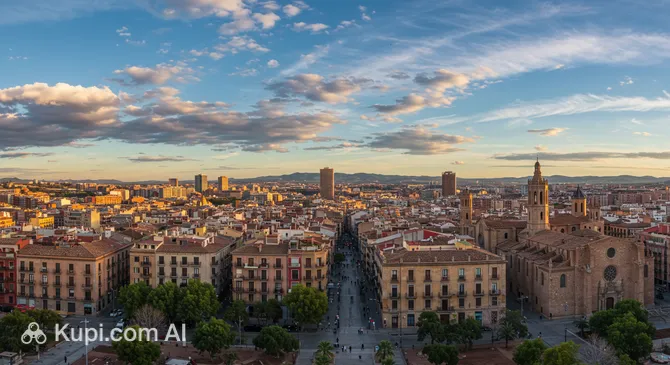
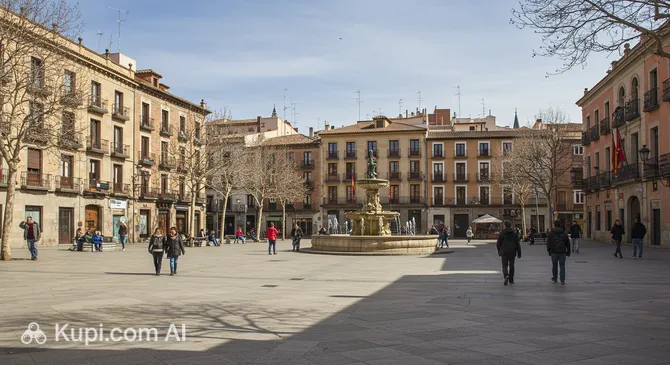
Terrassa is a dynamic and distinctive city in the heart of Catalonia, Spain. It often remains in the shadow of its famous neighbor, Barcelona, but possesses no less charm. Located just 30 kilometers northwest of the regional capital, it is the third-largest city in Catalonia. Terrassa is nestled at the foot of the Sant Llorenç del Munt mountain range, offering guests a unique blend of industrial heritage and natural beauty.
The city is famous for its rich history, which can be traced from ancient Roman times to the era of industrial prosperity in the 19th century. Today, Terrassa is not just a suburb but an important cultural and economic center with a population of over 220,000. An abundance of Modernist architecture creates a special atmosphere here: old textile factories and mansions have been carefully restored and transformed into museums and cultural spaces.
Terrassa. Illustration.
Source: Kupi.com AI
One of the city's main points of pride is its status as a UNESCO "City of Film," highlighting the significance of local film studios and festivals. Tourists are drawn here by the superbly preserved medieval churches and industrial monuments. Visiting Terrassa is a wonderful opportunity to see the authentic, non-touristy Catalonia, enjoy its gastronomy, and experience its relaxed pace of life.
Weather Overview
Terrassa is located in a Mediterranean climate zone, ensuring mild travel conditions throughout the year. Summers here are usually hot and dry: in July and August, temperatures often reach +29°C...+30°C, and the sun shines almost every day. This is a wonderful time for those who love warmth, but remember that city walks during the daytime can be tiring.
Winters in the city are cool but rarely truly harsh. The average January temperature ranges between +8...+10°C, and night frosts are extremely rare. The rainiest seasons are considered spring (especially April) and autumn (October). Before planning your trip, be sure to check the current city climate to choose your wardrobe correctly and prepare for potential precipitation.
Autumn in Terrassa is particularly picturesque, although October can bring heavy but short-lived downpours. Due to its location in a basin at the foot of the mountains, the city is well protected from strong winds, though morning fog can sometimes occur in the winter months. Overall, the most comfortable months for sightseeing are considered May, June, and September, when the air temperature is most pleasant for long walks.
Average monthly temperature
Average monthly precipitation
Interesting Facts
UNESCO City of Film: Terrassa is part of the prestigious Global Creative Cities Network thanks to its developed film industry and numerous filming locations.
Roman Heritage: In antiquity, the settlement of Egara stood on the site of the modern city; by 450 AD, it had already become the center of a bishopric.
Textile Capital: In the 19th century, Terrassa was the "engine" of Catalan industry, with over 40 large factories operating here, many of which survive today as museums.
Architectural Sanctuary: The city is considered one of the best places in the world to study industrial modernism, embodied in the works of the famous architect Lluís Muncunill.
Museum in a Castle: The local Soler i Palet Museum is located in a 12th-century medieval castle building and houses unique collections of Catalan ceramics and sculpture.
How to Get There
Terrassa boasts excellent transport accessibility, making it a convenient destination for short trips from the regional capital. The city is located just 25–35 kilometers from Barcelona, and you can get here in less than an hour. If you are planning a visit to Terrassa, it will be useful to check the how to get to the city section to choose the best route.
While Terrassa itself does not have its own international airport, most tourists arrive via Barcelona–El Prat Airport (BCN). From the airport, you can reach the city by taxi in about 40 minutes or use a combination of train and bus, which takes about an hour and a half. You could also consider Girona or Reus airports if traveling with low-cost carriers, but the journey from there will require a transfer in Barcelona.
The railway is the most popular and efficient way to reach Terrassa. The city has several stations served by FGC lines (Line S2) and Rodalies Renfe (Line R4). Trains from central Barcelona (for example, from Plaça de Catalunya) run every 10–15 minutes, and the journey time is about 35–45 minutes. The train stations are conveniently located in the city center, allowing you to start your walk immediately.
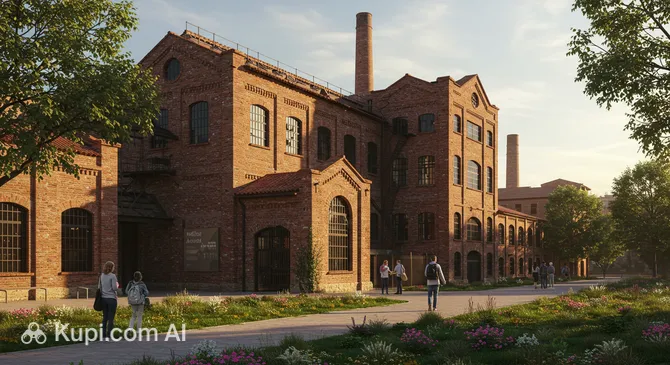
Although Terrassa is not as famous as Barcelona, it hides true architectural gems. One of the most unusual attractions is the Museum of Science and Technology of Catalonia. It is located in the building of the former Vapor Aymerich, Amat i Jover textile factory, which is considered a masterpiece of Catalan Modernism in its own right. Its wave-shaped roof, supported by numerous columns, creates an incredible industrial landscape inside the premises.
Catalonia Museum of Science and Technology. Illustration.
Source: Kupi.com AI
Traveler photos:
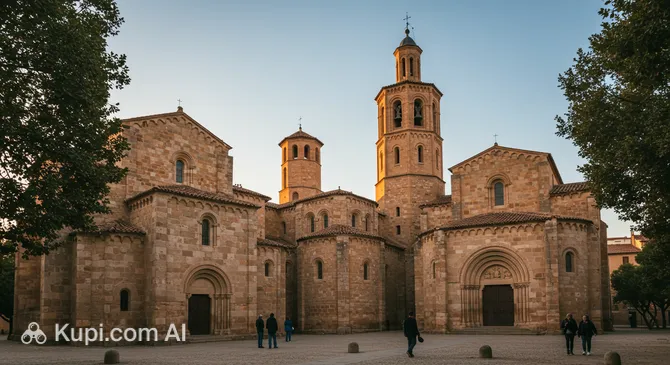
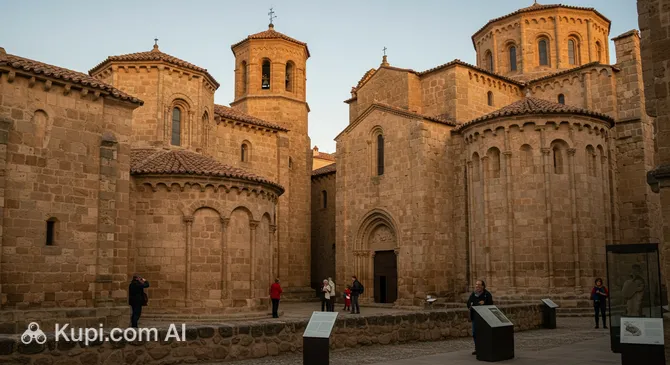
For those who appreciate ancient history, a visit to the unique temple complex, the Churches of Sant Pere (Seu d’Ègara), is a must. This is an ensemble of three churches built on the foundations of the ancient Roman city of Egara. Here, you can see rare wall paintings from the 6th–8th centuries and feel the early medieval spirit that has been preserved within these walls for over a thousand years.
Churches of Sant Pere (Seu d’Ègara). Illustration.
Source: Kupi.com AI
Traveler photos:
If you are looking for modern entertainment and want to experience something truly exciting, check out Zero Latency Terrassa. This is a state-of-the-art virtual reality center where you can immerse yourself in other worlds with friends. This combination of centuries-old traditions and future technologies makes Terrassa a truly multifaceted city for any traveler.
Zero Latency Terrassa. Illustration.
Source: Kupi.com AI
Traveler photos:
Local Cuisine
The gastronomy of Terrassa is a true feast for the senses, deeply rooted in the traditions of Catalan cuisine. The proximity of both sea and mountains allows local chefs to use the freshest ingredients. Be sure to try a classic paella or its Catalan variant, fideuà, which uses short noodles instead of rice with seafood. A special place on the menu is held by botifarra, a local pork sausage traditionally served with white beans.
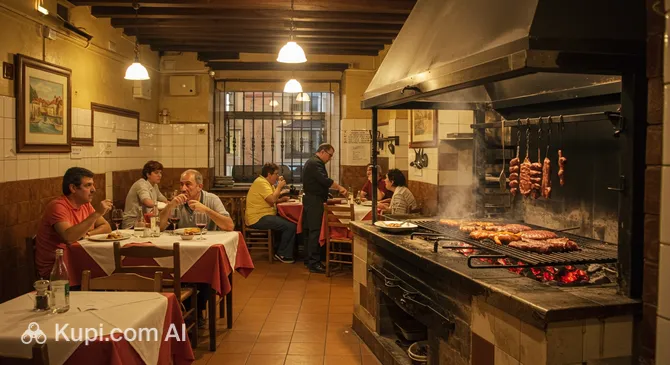
For an authentic culinary experience, head to Restaurant Els 4 Vents. This establishment is famous for its attention to detail and traditional recipes, which are transformed here into modern culinary masterpieces. If you are looking for a more casual setting with an emphasis on charcoal-grilled meat, stop by Restaurant Braseria Parada. Locals value such places for their simplicity, quality, and soulful atmosphere.
Braseria Parada Restaurant. Illustration.
Source: Kupi.com AI
Traveler photos:
Don't forget to complement your dinner with a glass of chilled Cava—the famous Catalan sparkling wine—or local red wines from the Priorat region. The food culture in Terrassa is closely linked to the rhythm of life: during the day, many cafes offer a great value "menu of the day" (menú del día), while in the evenings, the city fills with the sound of voices in tapas bars, where food becomes a reason for long conversations.
Travel Tips
Preparing for a trip to Terrassa will be easier if you use these practical tips, which will help you quickly adapt to the Catalan pace of life.
Clothing and Essentials: Choose clothing according to the season: it can be very hot here in summer, so light natural fabrics, sunglasses, and comfortable shoes for walking on cobbled streets are essential. Winter in Terrassa is mild but windy, so a light jacket is useful.
Transport: Use FGC or Renfe trains for trips to Barcelona—it is faster and cheaper than driving. Within the city, it is most convenient to travel on foot or by bus.
Finance: The official currency is the Euro (€). Credit cards are accepted almost everywhere, but it's better to have some cash for small purchases at markets. The tipping culture is moderate: 5-10% in restaurants is quite sufficient.
Health and Safety: The city is generally very safe. Pharmacies (Farmàcia) are easy to recognize by their flashing green crosses; there are several 24-hour pharmacies in the center.
Communication: The main languages are Catalan and Spanish. English is spoken in tourist spots and hotels. It's useful to learn a few phrases in Catalan, such as "Bon dia" (good morning/day)—the locals will appreciate it.
Local Etiquette: It is customary to say hello when meeting and goodbye when leaving shops or cafes. Keep the siesta in mind—many small shops and museums may close for a break from 14:00 to 17:00.
What to Avoid: Don't try to plan important business or shopping for Sunday—most shops will be closed. Also, avoid leaving valuables unattended at train stations, although the crime rate is low.
Extra Tip: Be sure to check the weather in the city section before your trip to know exactly if you need an umbrella, as sudden showers occur in the region during spring and autumn.
May your introduction to Terrassa be filled with pleasant discoveries and inspiring moments in the heart of Catalonia!
Entertainment & Nightlife
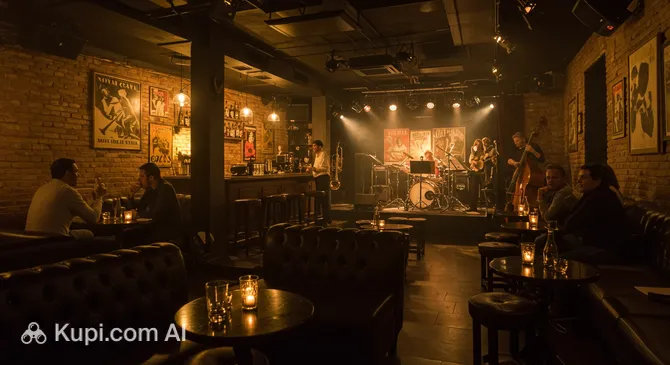
The entertainment scene in Terrassa is characterized by a cozy and intellectual atmosphere, where live music and cinema play the leading roles. The city is known for its love of jazz, and the best place to experience this is the legendary Nova Jazz Cava. This club is considered one of the best jazz venues in Europe, regularly hosting performances by both local talents and international stars. The atmosphere here is always friendly, and the music plays until late at night.
Nova Jazz Cava. Illustration.
Source: Kupi.com AI
Traveler photos:
For those who prefer cultural evenings with a bohemian touch, the Amics de les Arts i Joventuts Musicals center is well worth a visit. This space brings together lovers of art, music, and theater, offering a rich program of exhibitions and chamber concerts. After a busy day, you can head to the cozy Restaurant El Propio, where locals love to spend time over a glass of wine and traditional tapas, discussing the latest city news.
Terrassa's nightlife is mainly concentrated around the Rambla d'Ègara area. While there are no giant dance floors operating until dawn, local bars and pubs delight with an excellent selection of craft beer and warm energy. For daytime family leisure, large cinemas like Heron City perfectly suit the city's status as a UNESCO film hub. Safety in the city is high, so night walks through the well-lit center are quite comfortable.
Parks & Museums
The green heart of the city is Parc de Vallparadís, one of the largest urban parks in Catalonia. It stretches through the entire center of Terrassa in a former riverbed. It is an ideal place for walking, picnics, and sports. The park even features an outdoor swimming pool and a small railway that children love. Additionally, the Monumental Complex of Sant Pere de Terrassa, which combines a museum with unique early Christian churches, is located right on the park grounds.
Monumental Complex of Sant Pere de Terrassa. Illustration.
Source: Kupi.com AI
Traveler photos:
For those interested in the history of industry and science, the Museum of Science and Technology of Catalonia will be a true discovery. Housed in a masterpiece Modernist building, it tells the story of how the textile industry changed the face of the region. The museum's exhibitions are interactive and informative for both adults and children, covering topics from the first steam engines to modern energy sources.
In addition to urban parks, nature lovers should look toward the Sant Llorenç del Munt natural reserve, located right on the city's doorstep. There are numerous hiking and cycling trails leading to mountain peaks that offer breathtaking views of the entire Barcelona province. This combination of well-equipped urban spaces and wild nature makes a holiday in Terrassa perfectly balanced.
Getting Around
The transport system in Terrassa is designed to provide maximum convenience for both daily trips to Barcelona and travel within the city. The basis of internal transport is the city bus network (operated by Moventis), which covers all districts from the center to the peripheral industrial zones. Buses run regularly, and intervals during the day usually do not exceed 15–20 minutes.
For the best value, use an integrated transport card, such as the T-Casual for 10 trips. It allows transfers between buses and trains within the same zone for a certain period. Terrassa is located in Barcelona's Transport Zone 3, which is important to consider when buying tickets for trips to the Catalan capital. Tickets can be purchased at machines in train stations or directly from bus drivers (though a single ticket will cost more).
Terrassa's center is quite compact, so many attractions are easily reachable on foot within 20–30 minutes. The city is also actively developing its cycling infrastructure, and renting a bike is becoming an increasingly popular way for tourists to get around. If you need to quickly reach a distant area or the airport at night, taxis are always available through official city services or apps, with the cost of a trip within the city usually ranging from 10 to 15 euros.
Accommodation
The accommodation options in Terrassa are primarily geared toward business travelers and those seeking a comfortable stay at more affordable prices than in central Barcelona. Modern mid-range hotels and apartments predominate here. Choosing to stay in Terrassa can save you about 30-40% of your budget compared to the Catalan capital while maintaining a high level of service.
For tourists, the most convenient areas to stay are the city center (Eixample) and the neighborhoods near the train stations. This ensures a quick connection to Barcelona and easy walking distance to all major attractions, museums, and restaurants. The city features both well-known chain hotels, such as the comfortable IBIS Budget, and 4-star business hotels with conference rooms and swimming pools.
If you plan to visit during major festivals, such as the Terrassa Jazz Festival or the Modernism Fair, it is recommended to book your accommodation in advance. During these periods, the city's popularity increases significantly. Most hotels and apartments are available for booking through popular international services, and the staff usually speaks English well.
Nearby Cities
Terrassa serves as an ideal starting point for exploring central Catalonia, offering travelers easy access to many interesting sites. Thanks to the developed network of railways and highways, you can diversify your holiday with trips to neighboring cities, each possessing its own unique character.
Just 9 kilometers away is Sabadell—Terrassa's twin city and historical rival. Here, you can also enjoy magnificent Modernist architecture and stroll through the cozy center. If you want peace and luxurious views, head to Matadepera. This town is located right at the entrance to the Sant Llorenç del Munt natural park and is considered one of the most prestigious places in the region. It is also worth visiting Rubí to get acquainted with its industrial past and local cultural traditions.
Don't forget that bustling Barcelona, with its beaches and cathedrals, is just a 30-minute train ride away, and the majestic Montserrat mountains are very close by. Exploring the surroundings of Terrassa will give you a more complete picture of the diversity and richness of Spain.
Shopping & Souvenirs
Shopping in Terrassa is a pleasant mix of modern shopping malls and traditional markets. With its rich textile past, the city still maintains traditions of quality, so you can find excellent wool and fabric products made locally. The main shopping areas are concentrated along Rambla d'Ègara and the adjacent pedestrian streets, where brand boutiques sit alongside cozy artisan shops.
For those who prefer a "one-stop shop" format, the Terrassa Plaça shopping center is a great choice. It offers a wide selection of international clothing brands, home goods, and electronics, as well as a spacious food court and a cinema. Another popular spot is the Heron City complex, which combines shopping opportunities with various entertainment options for the whole family.
Terrassa Plaça. Illustration.
Source: Kupi.com AI
Traveler photos:
The true soul of the city can be felt at the central market (Mercat Central de Terrassa). This magnificent Modernist building is worth seeing in its own right, but the main highlights here are the stalls with fresh seafood, local cheeses, sausages, and fragrant vegetables. As a souvenir from Terrassa, consider bringing back Catalan ceramics, a bottle of local wine, or textile accessories that will long remind you of this hospitable city.