Support

Neuchatel

About

Neuchâtel is a true best-kept secret that Switzerland has reserved for connoisseurs of refined beauty and tranquility. The city is nestled on the northern shore of the lake of the same name, surrounded by picturesque hills and vineyards. It is often called the "yellow city" thanks to its unique architecture: most of the historic buildings in the center are built from golden sandstone, which gives the streets a special warm glow and unmistakable charm.
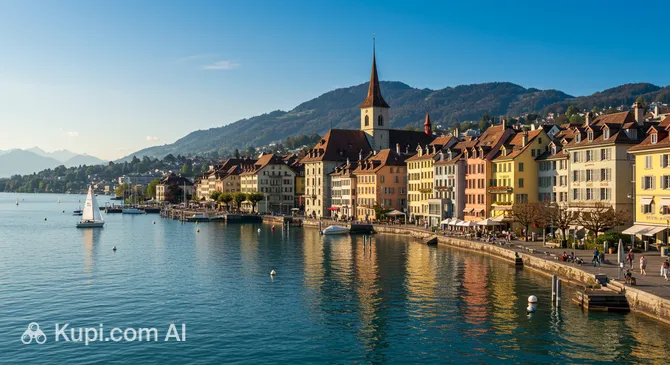
Neuchâtel. Illustration.
Source: Kupi.com AI

As the capital of the canton, this city of about 33,500 people harmoniously combines medieval heritage with the energy of a modern university center. Here, in the heart of the country's French-speaking region, an elegant atmosphere and a measured pace of life prevail. The rich history of Neuchâtel dates back to the 11th century, when the castle that gave the city its name (Neuchâtel translates as "new castle") was built.

The city's main charm lies in the opportunity to get lost in the labyrinth of its narrow streets. Tourists should definitely climb up to the historic castle and the 12th-century collegiate church, which offer magnificent views of the lake and the distant Alps. For those interested in the past, the Laténium is open—the country's largest archaeological museum. And fans of leisurely walks will appreciate the beautiful lakeside promenade and cozy cafes where you can relax after sightseeing.

Coming to Neuchâtel is worth it for the sense of authenticity and the vibrant character of a city not overwhelmed by tourist bustle. It is an ideal place to enjoy culture, gastronomy, and nature in a setting that looks like it came straight off a vintage postcard.
Weather Overview

When planning a trip, it's useful to know that the climate here is temperate and mild, without extreme heat or severe frost. To choose the best time for your visit and pack your suitcase, we recommend checking in advance what the weather in Neuchâtel is expected to be for your travel dates.

Summer in the city is usually warm and pleasant: in July and August, the air warms up to a comfortable 23°C during the day, though nights can be cool (around 14°C). In winter, the city plunges into a chill: in January, the average temperature stays around 1°C, and at night the thermometer often drops to -2°C.

A characteristic feature of the local climate is the fairly high frequency of precipitation throughout the year. Expect a warm summer with periodic rain and cool, often cloudy winters. The number of rainy (or snowy) days varies from 12 in February to 19 in May, so an umbrella or waterproof jacket will be a tourist's faithful companion in any season.

Average monthly temperature

Average monthly precipitation

Interesting Facts

Beyond the main attractions, Neuchâtel holds many fascinating secrets and unique stories that will surprise even seasoned travelers.
Neuchâtel Castle. Illustration.
Source: Kupi.com AI

Traveler photos:

  • Neuchâtel is often called the most "French" city in Switzerland. Not only do people speak the language of Molière here, but they also maintain a special lifestyle infused with French charm—from exquisite gastronomy to architectural designs reminiscent of neighboring France.

  • The city is the birthplace of the legendary watchmaker Abraham-Louis Breguet, founder of the famous Breguet brand. Watchmaking traditions are so strong here that the local Museum of Art and History houses the unique Jaquet-Droz automata—18th-century mechanical dolls that still function and amaze with their complexity.

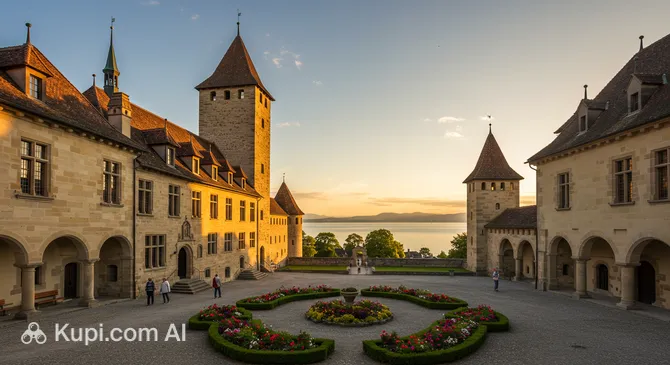
  • The majestic Neuchâtel Castle, founded in 1011, not only gave the city its name but also became the subject of mystical stories. According to local legend, a ghost inhabits the ancient walls of the fortress, giving walks here a special romantic and mysterious hue.

  • Located in the suburbs is the Laténium, the country's largest archaeological museum. Its exhibition covers 50,000 years of regional history, and its name refers to the famous La Tène Celtic culture, traces of which were first discovered in these parts.

How to Get There

You can reach this picturesque corner of Switzerland in various ways, enjoying the views along the way. To find out all the details and plan your perfect route, visit the page on how to get to Neuchâtel; below, we will look at the most popular options.

The city of Neuchâtel itself does not have an airport that handles regular international flights, so travelers usually fly into one of the country's major aviation hubs. One of the most convenient options is Geneva Airport (GVA), located approximately 104 km from the destination. Thanks to excellent Swiss roads and high-speed trains, the journey from there takes only about 1 hour and 15 minutes.

Another popular choice is Zurich Airport (ZRH), which is 134 km away. This is the country's largest aviation hub with a huge passenger flow, from which you can reach your destination in roughly 1.5–2 hours. You can also consider EuroAirport Basel-Mulhouse-Freiburg (EAP) in Basel (about 81 km), a trip from which lasts around 1 hour.

For clarity, here is summary information for the main airports:

AirportPassenger trafficDistance
Bern Airport57 00044 km
EuroAirport Basel–Mulhouse–Freiburg8.1 mln81 km
EuroAirport Basel Mulhouse Freiburg8 mln81 km
EuroAirport Basel-Mulhouse-Freiburg8.1 mln81 km
Sion35 92991 km

The railway connections in the region are superbly developed and characterized by high speed. Although Neuchâtel has its own station, in the context of major international hubs, it's worth mentioning Bern Station in the city of Bern. It is just 39 km from Neuchâtel, and the journey from there takes about 35–45 minutes.

Another important transport hub is Basel SBB Station, located about 80 km away. From here, you can comfortably continue your journey to Neuchâtel, which will take about 1 hour and 15 minutes.

Below is information about the nearest major railway stations:

StationPassenger trafficDistance
Bern Railway Station69 mln39 km
Oerlikon Railway Station34.4 mln44 km
Basel SBB station40 mln80 km
Basel Badischer Bahnhof7.3 mln82 km
Sion Railway Station4.5 mln91 km

Main Attractions

Neuchâtel is a city where history comes alive at every step, and nature harmoniously complements architectural masterpieces. Exploring the local sights will give you vivid impressions and allow you to dive deeper into the atmosphere of this picturesque Swiss corner.

The undisputed landmark and symbol of the city is the majestic Neuchâtel Castle, proudly overlooking the city from a hill. This architectural complex not only gave the city its name but also serves as a magnificent observation deck. Tourists climb up here to stroll through the inner courtyards, appreciate the might of the medieval walls, and enjoy the breathtaking panorama of the lake and the tiled roofs of the Old Town.

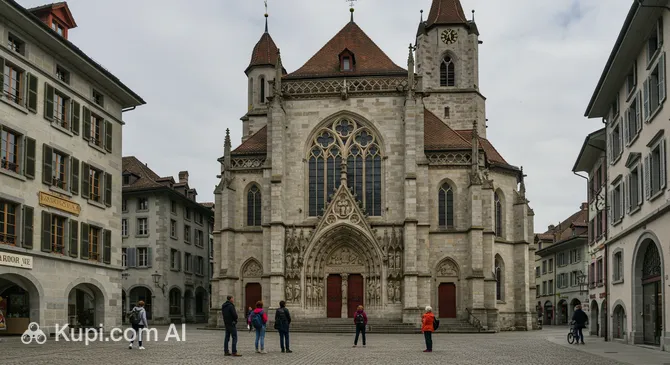
In close proximity to the castle is the Neuchâtel Collegiate Church, consecrated back in the 12th century. It is an impressive example of Gothic architecture, housing a true treasure within its walls—the cenotaph of the Counts of Neuchâtel. This painted 14th-century sculptural ensemble is considered one of the most significant monuments of medieval art in the region and invariably draws the gaze of visitors.

Collegiate Church of Neuchâtel. Illustration.
Source: Kupi.com AI

Traveler photos:

Lovers of peace and natural beauty should visit the Neuchâtel Botanical Garden. Located in a scenic spot, it offers guests tranquil walks among a variety of plants. It is the perfect space to catch your breath after excursions and enjoy the scents of flowers and bird songs away from the city noise.

For those interested in nature and science, the Natural History Museum of Neuchâtel is open. Its exhibitions fascinatingly tell the story of local fauna and geology. The realistic dioramas are especially interesting, allowing you to see animals in their natural habitats, making the museum an excellent place for educational family leisure.

Local Cuisine

Local Cuisine:

Neuchâtel is a true paradise for gourmets, where Swiss heartiness harmoniously intertwines with French refinement. The main gastronomic hallmark of the city is considered to be Neuchâtel fondue. It is prepared here according to a special recipe using a blend of two legendary cheeses—Gruyère and Emmental. Its rich flavor and creamy texture are perfectly revealed in cozy traditional restaurants, especially on a cool evening.

Winemaking in the region is a source of local pride. The surrounding hills are covered with picturesque vineyards that produce excellent white wines. However, Neuchâtel's most famous drink is Oeil-de-Perdrix ("Partridge's Eye"). This refined wine with a delicate pink hue is characterized by its lightness and refreshing bouquet, perfectly complementing local dishes.

The food culture in the city is diverse: from snacks on the go to long dinners. At farmers' markets and bakeries, you can buy fresh baguettes, croissants, nut pastries, and farmhouse cheeses. The menus of Old Town bistros often feature fresh lake fish caught directly in Lake Neuchâtel, as well as magnificent chocolate desserts.

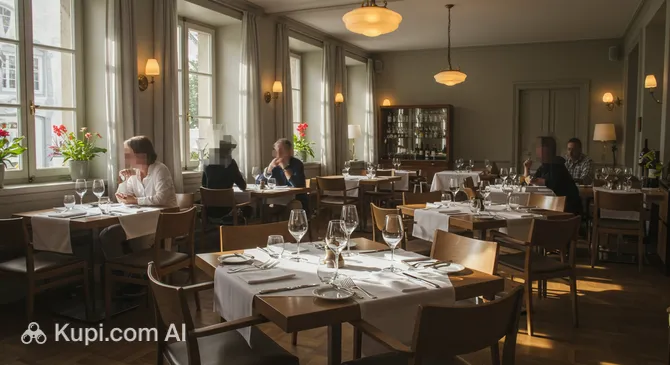
Restaurant of Hôtel DuPeyrou. Illustration.
Source: Kupi.com AI

Traveler photos:

For those looking for a special atmosphere and a touch of history, the Hôtel DuPeyrou Restaurant is an excellent choice. This establishment is located in a magnificent 18th-century mansion and offers guests not only fine dining but also the opportunity to dine in authentic aristocratic interiors. Furthermore, the city's gastronomic life is enlivened by regular wine and cheese festivals where tourists can participate in tastings and discover new facets of Swiss cuisine.

Travel Tips

Neuchâtel is an incredibly welcoming and peaceful city, but like any corner of Switzerland, it has its own rules and peculiarities that will make your trip much more comfortable if known. To help you feel confident from the first minutes of your stay, we have prepared a list of practical recommendations.

  1. Clothing and items. The weather by the lake can be changeable, so dress in layers so you can easily remove or add them. Be sure to bring comfortable flat shoes: the historical center is paved with cobblestones, and the walk to the castle requires an uphill climb. Don't forget a travel adapter: the country uses the Type J standard (three-pin), and standard European plugs may not fit into the recessed sockets.

  2. Transport. You don't need to rent a car to see the city—the historical center is compact, and public transport runs like clockwork. Be sure to ask at your hotel or apartment about the Neuchâtel Tourist Card. This card is often given to guests for free upon check-in and entitles you to unlimited travel within the canton (including buses, trams, and funiculars), as well as free entry to many museums.

  3. Finances. The currency is the Swiss franc (CHF). Although euros may be accepted in many places, you will receive change in francs and at an unfavorable exchange rate. Bank cards (Visa, Mastercard) are accepted almost everywhere, even at kiosks, but having a little cash for street markets or storage lockers doesn't hurt. Be prepared for local prices: an average lunch will cost 25–30 francs. Tips are usually included in the bill, but rounding up the amount is welcomed.

  4. Health and safety. Neuchâtel is a very safe city where you can walk peacefully even late in the evening. You can and should drink water straight from the tap or from numerous city fountains—it's of Alpine quality here. Pharmacies are easy to recognize by the green cross; duty pharmacies are open 24/7, but it's better to check their addresses at the hotel reception.

  5. Communication. The main language here is French. English is well understood in tourist areas, hotels, and restaurants, but learning a couple of phrases like "Bonjour" (Hello) and "Merci" (Thank you) will immediately endear you to the locals. For navigation, download offline maps as roaming can be very expensive.

  6. Local etiquette. Politeness is the foundation of everything here. When entering a shop or cafe, it's customary to greet the staff. Residents highly value peace and personal space, so try not to talk loudly on the phone in public transport. Punctuality is also strictly observed: if you have a table or tour booked, arrive on time.

  7. What to avoid. Do not cross the road on a red light, even if no cars are on the horizon—this is considered bad form and can result in a fine. Also, avoid making noise on Sunday and after 10:00 PM: local residents jealously guard their right to rest, and loud music or conversations under windows may cause dissatisfaction.

  8. Useful tip. Take note of the shop opening hours. Unlike many countries, most supermarkets and shopping centers here close quite early (around 6:30–7:00 PM) and do not open on Sundays. The exception is small shops at the station, where you can buy essentials on weekends.

By following these simple tips, you can avoid minor troubles and focus entirely on enjoying the atmosphere of the "yellow city." Neuchâtel knows how to make those who respect its traditions and pace of life fall in love with it!

Entertainment & Nightlife

The nightlife in Neuchâtel, while not matching the 24/7 frenzy of large metropolises, possesses a special charm and elegance. In the evening, the city is transformed: historic buildings are illuminated with soft light, and the lakeside promenade becomes the perfect spot for romantic walks. Most activity is concentrated in the historical center, particularly around Place des Halles. Here, amidst medieval architecture, you'll find numerous bars and pubs where both local students and tourists love to gather.

The atmosphere in these establishments ranges from relaxed and casual to sophisticated. Student bars are filled with boisterous fun, live music, and flowing local beer, while the lounge areas by the lake are perfect for enjoying cocktails in a calmer setting. The dress code in most places is smart casual, though you might want to choose a more polished look for visiting clubs or the casino.

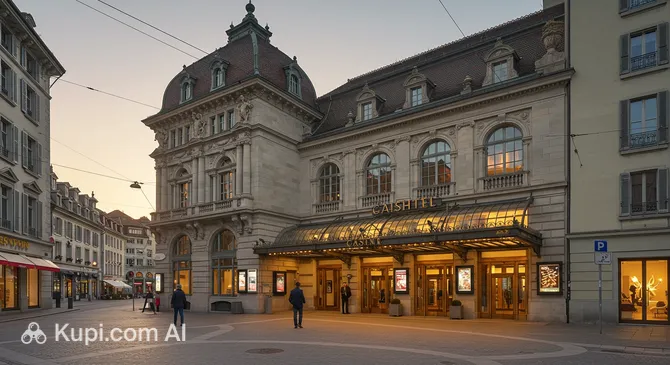
One of the centers for evening leisure is Casino Neuchâtel. It is not just a place for gambling, but a full entertainment complex with a restaurant and bar that often hosts themed nights. Here, you can try your luck at roulette or blackjack while immersing yourself in an atmosphere of chic.

Casino Neuchâtel. Illustration.
Source: Kupi.com AI

Traveler photos:

For those who prefer dancing and modern beats, the Villa club is worth checking out. This popular venue attracts a young crowd with its high-quality sound and a summer terrace overlooking the lake. Nightlife in the city picks up toward Thursday and reaches its peak on Friday and Saturday. It's best to head to clubs after 11:00 PM when the main crowd arrives.

Regarding safety, Neuchâtel is exceptionally peaceful. You can safely walk through the well-lit streets of the center even late at night. If your hotel is far away, it's better to take a taxi, as public transport is rare at night (there is a Moonliner night bus network on weekends, but you should check the schedule in advance). The average price for a cocktail in a bar is 12–18 francs, and club entry can cost around 15–20 francs.

During the day, the city offers just as many interesting activities. Shopping enthusiasts will appreciate the Maladière Centre—one of the largest in the region, bringing dozens of boutiques under one roof. For cultural enrichment, the Natural History Museum of Neuchâtel is ideal, offering engaging interactive exhibitions that will interest both adults and children.

Parks & Museums

The cultural landscape and green zones of Neuchâtel are as impressive as its ancient architecture. The city offers travelers a harmonious blend of educational leisure and relaxation in nature, inviting them to stroll through tranquil gardens and visit world-class exhibitions.

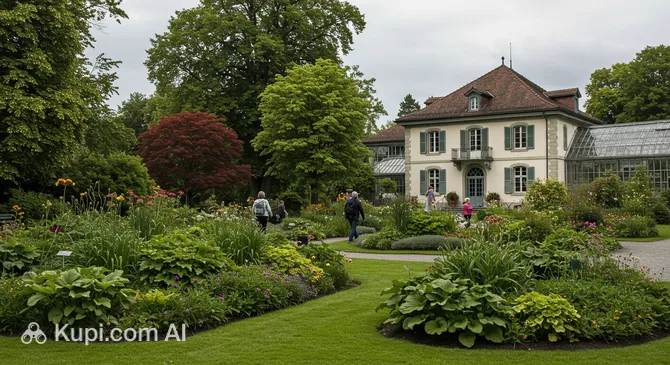
For those seeking peace and union with nature, a must-visit is the Neuchâtel Botanical Garden. Situated on the hillsides above the city, it is a true green oasis. Here you can take a leisurely walk among Alpine flora, study a rich collection of medicinal plants, and peek into tropical greenhouses. This place is perfect for catching your breath and enjoying the scents of flowers away from the tourist hustle.

Neuchâtel Botanical Garden. Illustration.
Source: Kupi.com AI

Traveler photos:

Another magnificent area for walking is the Esplanade du Mont-Blanc. This spacious promenade stretching along the lake is a favorite spot for local residents. From here, you get perhaps the most breathtaking views of the water and, on a clear day, the majestic panorama of the Alps. Wide alleys, sculptures, and proximity to the water make the esplanade a great location for morning runs or evening sunset picnics.

The city's museum scene is rich and diverse, reflecting the region's deep historical roots. The Natural History Museum of Neuchâtel deserves special attention. Its halls are far from boring academic displays: realistic dioramas immerse visitors in the habitats of Swiss fauna. The interactive approach and engaging temporary exhibitions make this museum an excellent choice for a family visit, interesting for both adults and children.

Art and technology enthusiasts should visit the Museum of Art and History (Musée d'Art et d'Histoire), located in a majestic building on the quay. The pride of the collection is the famous Jaquet-Droz automata: three 18th-century mechanical dolls ("The Writer," "The Draughtsman," and "The Musician") that still function and amaze with the engineering genius of their creators. We also recommend visiting the Laténium—Switzerland's largest archaeological museum. It is located in the suburbs and is surrounded by a magnificent archaeological park where prehistoric dwellings have been recreated in the open air.

If you want to see something unusual, look for the "Evolution Garden" inside the Botanical Garden. It's not just flower beds, but a landscaped narrative of the development of life on Earth, allowing you to trace the path from simple organisms to flowering plants in just one walk.

Getting Around

Getting around Neuchâtel is a pleasure, as the public transport system here is organized with the typical Switzerland precision and comfort. The city network is managed by the company transN and includes buses, a modern tram line, and unique funiculars that connect the lower part of the city by the lake with the upper districts and the railway station.

The main means of transportation for tourists will be the yellow buses and the famous tram (line 215), which locals call "Littorail." The tram route runs along the picturesque lakeshore and connects the city center with the town of Boudry. This is not just transport, but a great opportunity to enjoy panoramic views of the water and vineyards right from the carriage window.

Due to the city's hilly terrain, funiculars play a vital role. The most popular of these is Fun’ambule, a futuristic carriage that will take you from the university and the lake directly to the railway station in just a couple of minutes. There are also the Ecluse-Plan lines (for ascending to residential quarters) and La Coudre-Chaumont, which leads to Mount Chaumont, offering the best view of the region.

The main lifehack for travelers is the Neuchâtel Tourist Card. If you stay in a hotel, hostel, or apartment (Airbnb) in the canton for at least one night, this card will be given to you for free. It entitles you to unlimited travel on all public transport within the Canton of Neuchâtel (including trains, buses, and funiculars) for the duration of your stay. This is incredibly beneficial and eliminates the need to figure out zones and fares.

If you don't have a tourist card, tickets must be purchased before boarding. This can be done at machines at stops (they accept coins and cards) or via mobile apps such as SBB Mobile or FAIRTIQ. The payment system is zonal: the city center and immediate surroundings are in zone 10 (Onde Verte). A single ticket is valid for one hour and costs about 4.20 francs, but it's much more convenient to use a day pass if you plan to travel a lot.

For fans of an active lifestyle, the city has a free (or very cheap) bike rental system called Neuchâtelroule. From May to October, bicycles can be taken at special stations by leaving a small deposit. This is an ideal way to explore the promenade. Taxis are available in the city, but they are quite expensive, so they are usually used only for night trips or transfers with heavy luggage. Car-sharing services like Mobility are also popular, but for short tourist visits, public transport remains unrivaled.

Accommodation

Where to stay:

Neuchâtel offers travelers a decent selection of accommodation ranging from luxury historic hotels to budget-friendly hostels and cozy guesthouses. Although the city is relatively small, you can find an option for every taste and budget, though it's worth remembering the generally high price level typical of all of Switzerland.

When choosing an area to stay, focus on the goals of your visit. The most picturesque and prestigious hotels are located along the lake promenade. By staying here, you will get magnificent views of the Alps and the water, as well as quick access to the promenade. History lovers and fans of medieval atmosphere should look for accommodation in the Old Town (Vieille Ville). Here you will live surrounded by historic yellow sandstone buildings, near cafes and shops, but keep in mind that many streets are pedestrianized and paved with cobblestones.

For those planning to travel actively around the region by train, the railway station area is a convenient option. It is located on an elevation, from where you can easily reach the center via the Fun’ambule funicular in just a couple of minutes. Also, campgrounds are popular in the city's outskirts and on the lakeshore, offering excellent conditions during the summer season.

An important bonus when booking any official accommodation (hotels, hostels, campgrounds, and even many Airbnb apartments) is receiving the Neuchâtel Tourist Card. This card is issued for free upon check-in and allows you to save significantly on transport and museums, which partially compensates for accommodation costs.

Booking tips: Neuchâtel is a popular destination, especially in the summer months and during wine festivals. It is recommended to book accommodation in advance, 2–3 months before the trip, to get the best prices. The price range can be described as "mid-plus" and "high": finding budget lodging on the same day can be problematic. For your search, it's better to use major international booking platforms where it is clearly stated whether city taxes are included in the price.

Nearby Cities

For those who want to explore the surrounding area, Neuchâtel serves as an excellent starting point for day trips to several interesting nearby locations. Thanks to its convenient location and developed transport network, you can easily reach iconic Swiss cities, each with its own unique character.

Just a 40-minute drive away is Bern—the de facto capital of the country, whose historical center is listed as a UNESCO World Heritage Site. It is a city with a unique atmosphere: here you can stroll under 6 kilometers of medieval arcades, see the famous Clock Tower (Zytglogge), and observe the city's symbols in the Bear Park.

Very close by, in the Jura Mountains, lies La Chaux-de-Fonds. This is a true mecca of watchmaking, also under UNESCO protection. The city is unique for its chessboard layout, created specifically to ensure maximum light in watchmakers' workshops, and is the birthplace of the famous architect Le Corbusier.

Lovers of medieval romance should visit Fribourg. This bilingual city, perched on a rocky promontory above the Sarine River, is famous for one of the largest ensembles of medieval architecture in Europe. Here you can walk across ancient bridges, see the Gothic St. Nicholas Cathedral, and ride the unique funicular that runs on sewage power.

CityPopulationDistance
La Chaux-de-Fonds38 96514 km
Le Locle10 43315 km
Estavayer-le-Lac9 71217 km
Payerne9 94319 km
Fribourg38 36527 km

These nearby destinations provide an insight into the diverse culture and landscapes of the region, from capital grandeur to the cozy charm of mountain towns.

Shopping & Souvenirs

Shopping:

Shopping in Neuchâtel is more about the pleasure of a leisurely stroll than an exhausting marathon through stores. The city doesn't aim to compete with world fashion capitals in scale but wins with quality and atmosphere. Here, boutiques of famous international brands, elegant watch salons, and cozy shops of local artisans where you can find truly unique items coexist harmoniously.

The heart of commercial life beats in the pedestrian zone of the historic center, where cars give way to shop windows. The main shopping artery is considered Rue des Seyon and the adjacent Rue de l'Hôpital. Strolling here under historic signs, you will find clothing stores, perfume shops, bookstores, and, of course, numerous confectioneries tempting you with the aroma of chocolate.

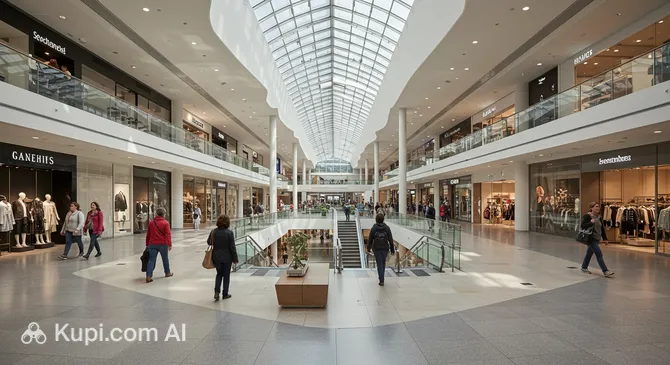
If you prefer to do your shopping in a modern "all under one roof" format, visit the Maladière Centre. This is the largest mall in the city, located a bit away from the old center but easily accessible by transport. Inside the complex, which shares a building with a football stadium, there are over 50 stores, including supermarkets, electronics stores, fashion clothing, and sporting goods.

Maladière Shopping Mall. Illustration.
Source: Kupi.com AI

Traveler photos:

The city markets deserve special attention, as they are an integral part of the local culture. The most colorful one unfolds on the central Place des Halles on Tuesday and Saturday mornings. Here, farmers sell fresh vegetables, fruits, flowers, and homemade cheeses. It's the perfect place to experience the true taste of the region and buy gastronomic souvenirs directly from the producers.

Speaking of souvenirs, it's impossible to leave Neuchâtel without a few iconic items. Primarily, these are Swiss watches—after all, the city is in the very heart of the country's watchmaking region. You should also look for local wine, especially the pink Oeil-de-Perdrix, and, of course, handmade chocolate from local chocolatiers. History buffs will appreciate a bottle of absinthe, the production of which is historically linked to the neighboring Val-de-Travers valley.

When planning your shopping trip, take note of the operating hours. Most retail outlets are open from 9:00 AM to 6:30 PM or 7:00 PM on weekdays. The exception is Thursday, when shops stay open longer (usually until 8:00 PM or 9:00 PM)—these are the so-called "night shopping" (Nocturnes) hours. On Saturday, the working day is shortened to 5:00 PM or 6:00 PM, and Sunday is a day off for everyone except for small shops at the station. Cards (Visa, Mastercard) are accepted almost everywhere, but it's better to have cash francs at the market.

Tourists residing outside Switzerland can use the Tax Free system. If the purchase amount in one store exceeds 300 Swiss francs, you are entitled to a VAT refund. Be sure to ask the salesperson for a special receipt (Tax Free Form) and present it along with your passport and purchases at customs when leaving the country.

Reached the end of the page?

That means the route is fully explored