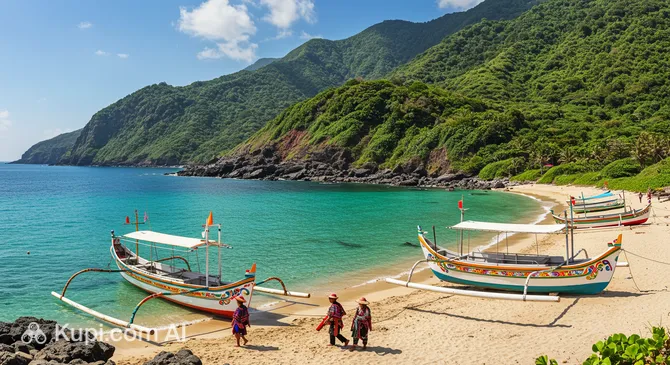
Lanyu is a true Taiwanese secret, often called Orchid Island. This picturesque spot, located in the Pacific Ocean about 60 kilometers southeast of mainland Taiwan, offers travelers a unique opportunity to escape the hustle and bustle of megacities and mass tourism.
Lanyu. Illustration.
Source: Kupi.com AI
With a population of about 4,800 people, Lanyu maintains a surprising atmosphere of seclusion and peace. Administratively part of Taitung County, the island is famous for its volcanic landscapes, bizarre rock formations, and crystal-clear waters. There are no noisy avenues or skyscrapers here; instead, there are cozy fishing villages and emerald forests where time flows at a completely different, leisurely pace.
Of special value to guests is the unique culture of the indigenous people—the Yami (Tao). Lanyu's rich history and the islanders' traditions are inextricably linked to the sea, making this one of the most authentic corners of the region. A trip here is the perfect choice for those seeking harmony with nature, wanting to enjoy the silence of white-sand beaches, and experiencing a real adventure away from civilization.
Weather Overview
The weather on Lanyu Island is determined by its tropical location and its close proximity to the Pacific Ocean. The climate here is mild and humid throughout the year, without sharp temperature changes. Winter on the island is very comfortable: in January and February, the average temperature stays around 22.2–22.5°C, and nighttime minimums rarely drop below 21.4°C. However, this period is characterized by high rainfall frequency—up to 27 rainy days are recorded in January, so an umbrella or raincoat will be indispensable.
With the arrival of spring and summer, it gets hotter. By May, the average temperature rises to 27.2°C, and in June and July, it reaches peak values of about 28.4°C with maximums up to 29.1°C. Summer months are also characterized by high humidity: around 21 rainy days are observed in July and August. Before planning outdoor activities, it is recommended to check the detailed weather in Lanyu, as island weather can be changeable. In the autumn, the temperature gradually decreases, reaching a comfortable 25°C by November.
Expect warm but humid weather year-round with minimal seasonal temperature fluctuations and a high probability of short rains in any month.
Interesting Facts
Beyond its main attractions, Lanyu holds many fascinating secrets. This island is a true volcanic oasis living by its own unique ancient laws, where nature and culture are inseparable.
Underground Architecture. Traditional Yami (Tao) houses are built in depressions in the ground, so often only the roof is visible from the outside. This unusual construction is not a whim but a necessity: for centuries, it has protected residents from the scorching heat and the destructive typhoons that often hit the region.
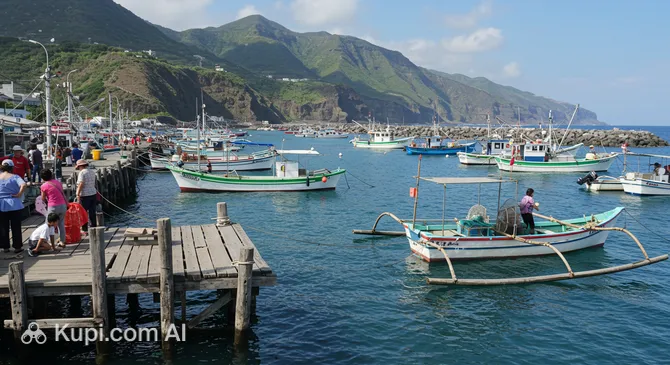
Boats Without a Single Nail. The islanders' famous canoes are assembled by hand from wooden planks held together by wooden pegs and resin. Each boat is decorated with intricate carvings of traditional eye-shaped patterns, designed to ward off evil spirits. You can see these unique vessels by visiting the Iranmeylek Fishing Harbor.
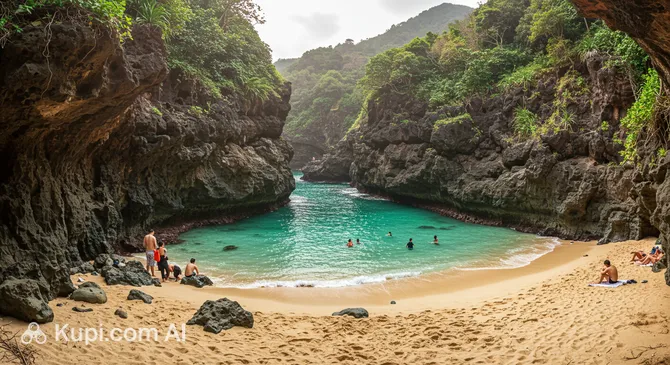
Volcanic Heritage. Lanyu was formed by the eruption of underwater volcanoes, which shaped its dramatic landscape. Hardened lava formed bizarre coastlines and natural pools, such as the Dongqing Secret Place, where the water is crystal clear and the black rocks create a contrasting and picturesque landscape.
Flying Fish Calendar. Life on the island is governed not by the usual months, but by the migration seasons of the flying fish. This sacred time is accompanied by strict taboos and rituals: locals believe that following ancient fishing rules ensures the favor of the sea gods and a bountiful catch.
Endemic Fauna. Island isolation has allowed rare animal species to survive. Lanyu is one of the few places where you can encounter the unique Lanyu scops owl (Otus elegans). Additionally, nature lovers come here to watch giant sea turtles and thousands of fireflies in the night jungle.
Iranmeylek Fishing Port. Illustration.
Source: Kupi.com AI
Traveler photos:
How to Get There
A trip to Lanyu Island is an exciting adventure that begins with route planning, as this picturesque spot is remote from Taiwan's main coast. Since there is no direct international connection to the island, tourists must first reach key transport hubs on the mainland. You can learn more about how to get to Lanyu by studying all available options, but the main routes lead through the cities of Taitung and Kaohsiung.
The primary air gateway for traveling to Lanyu is Taitung Airport (TTT), located in Taitung City. Although the airport itself is on the main island (about 91 km from Lanyu), this is where small planes fly from, delivering tourists directly to the island. The flight takes only about 20–30 minutes, but tickets should be booked in advance due to high demand and limited seating.
For international travelers, a convenient entry point to the region is Kaohsiung International Airport (KHH). This is a major air hub located in Kaohsiung City, about 137 km from Lanyu. After flying here, you will need to reach Taitung by train or bus (travel time about 2.5–3 hours) to transfer to a local flight or ferry to the island.
You can also consider Tainan Airport (TNN) in Tainan City. It is located slightly further away, about 171 km from Lanyu, and serves regional flights. This could be an alternative if you plan to travel along Taiwan's west coast before heading to the islands.
For clarity, here is a summary of the main airports through which you can build a route:
There is no rail service on Lanyu itself due to its small size and terrain. The closest and most important railway station for tourists is in Taitung on mainland Taiwan. Travelers often use comfortable trains to reach Taitung from Taipei (about 3.5–4.5 hours) or Kaohsiung (about 2–3 hours). From Taitung Station, you can easily reach the airport or the Fugang ferry pier by taxi or bus, where the final part of the journey to Lanyu begins.
In addition to flights, the ferry crossing is an extremely popular way to get to Lanyu. Vessels depart regularly from Fugang Port (Taitung) and seasonally from Houbihu Port (Kenting). The sea journey takes about 2–2.5 hours and allows you to enjoy views of the Pacific Ocean, but weather conditions should be considered, as trips can be canceled during storms.
Main Attractions
Lanyu's attractions are an amazing symbiosis of rugged volcanic nature and the unique culture of the Tao people. The island is small and can be circled by scooter in just a couple of hours, but every turn of the road reveals new breathtaking views: from bizarre rocks resembling animals to hidden turquoise lagoons.
One of the most photographed and alluring spots is the Dongqing Secret Place. Despite the name, this location has long been popular with travelers but has not lost its charm. It is a natural pool formed by coral reefs, protected from strong ocean waves. The water here is crystal clear and calm, making it perfect for safe swimming and snorkeling, while the contrast of dark rocks and azure water creates an incredible backdrop for photos.
Dongqing Secret Spot. Illustration.
Source: Kupi.com AI
Traveler photos:
To touch upon local traditions, it is worth heading to Iranmeylek Fishing Harbor. This is the heart of Dongqing village's cultural life, where you can often see the famous tatala on the shore—traditional wooden Tao canoes decorated with intricate carvings and characteristic eye-shaped patterns. The harbor is the best place to watch fishermen prepare for sea and feel the slow pace of island life. Remember that the boats are considered sacred, and touching them without permission is strictly forbidden.
For those who want to see the island from a bird's-eye view, the Lanyu Weather Station is a must-visit. It is located at the top of a mountain, reached by a steep winding road through the jungle. This is the highest point on the island accessible by transport. The white station building offers a breathtaking 360-degree panorama: the endless Pacific Ocean on one side and green mountain ridges piercing the clouds on the other. It is especially beautiful here at dawn, when the sun rises directly from the water.
The best way to end a busy day is at the southern tip of the island, where the Green Green Grassland (Qingqing Grassland) stretches out. This vast grassy plateau, dropping straight into the sea, is known for its stunning sunsets. In the evening, the grass turns golden, and the sky plays with all shades of red and purple. Wild goats often graze here, adding pastoral charm to the landscape, and the outlines of the uninhabited Lesser Lanyu island can be seen in the distance.
Local Cuisine
Lanyu's cuisine is a true ode to the ocean, where the freshest seafood plays the leading role. The basis of the local diet is simplicity taken to an absolute and exceptional product quality. Gourmets here will get to try tuna, sea urchins, and various mollusks that hit the table just a few hours after being caught. However, the true gastronomic symbol of the island is the flying fish. Smoked according to ancient recipes over wood chips, it has a unique aroma and is usually served with fluffy rice and local herbs.
In addition to seafood, the island's cuisine is famous for dishes made from root vegetables grown in fertile volcanic soils. Taro and sweet potato replace usual bread here and serve as a side dish for almost any treat. It is definitely worth ordering traditional soups made with rich fish broth, seaweed, and taro chunks—locals consider this hearty dish a source of strength and health. Such soups are often a real discovery for tourists seeking authentic flavors.
For a snack on the go, street food found at small evening markets is perfect. Exotic lovers should try fried sea snails or dried fish with savory spices. For dessert, local sweets are often offered, such as rice flour cakes filled with tropical fruits. Popular drinks include refreshing cold herbal teas that save you from the heat, as well as Taiwanese beer, which pairs perfectly with salty sea snacks.
The food culture on Lanyu is devoid of the pretension of expensive restaurants. It’s customary to eat slowly here, enjoying the sea breeze on open terraces or in simple family cafes. The center of attraction for those wanting to see the origins of local cuisine is the Iranmeylek Fishing Harbor. Although it is primarily a working space for fishermen, this is where the best catch is brought, and in the vicinity of the harbor, you can often find places where they will grill the freshest fish for you right on the spot.
Travel Tips
A trip to Lanyu is an immersion into a unique world where nature and the ancient traditions of the Tao people dictate their own terms, different from the usual way of life on the mainland. To ensure your vacation on this unique island is as comfortable as possible and free of surprises, we have prepared a list of important practical recommendations.
Clothing and Equipment. The island's climate is tropical and humid, so prefer light, breathable clothing made of natural fabrics. Be sure to bring a high-quality raincoat or windbreaker: tropical downpours here are sudden and intense. For walking on volcanic rocks and coral reefs (for example, at the Dongqing Secret Place), special water shoes or sturdy sandals with thick soles are necessary to avoid injuring your feet.
Transport and Getting Around. The most efficient way to explore the island is by renting a scooter. The public bus runs rarely, and taxis are non-existent. Note that for renting a bike, you will definitely be asked for an international driving permit with an open Category A (motorcycles). Be extremely careful on the roads: the asphalt can be uneven, and herds of wild goats or pigs often rest around the bend.
Finance and Cash. Lanyu is a cash-only territory. Credit cards are only accepted in a couple of chain stores (7-Eleven) and rare hotels. Be sure to withdraw enough local currency (New Taiwan Dollar) before boarding the ferry or plane. There are only two or three ATMs on the island (at the 7-Eleven store and the post office in Hongtou village), and they may not always serve international cards.
Health and Protection. There is no large hospital on the island, only a small medical post for basic aid, so serious issues are resolved by evacuation to Taiwan. Pack a first-aid kit: painkillers, motion sickness medicine (for the ferry), and band-aids. It is critically important to have a powerful repellent: small biting midges (muggies) inhabit the beaches, and their bites cause severe itching. Also, don't forget sunscreen with high SPF—the tropical sun is very intense.
Connectivity and Internet. Purchase a SIM card from one of the major Taiwanese operators (e.g., Chunghwa Telecom) in advance at your arrival airport in Taiwan. The signal on Lanyu is good in the villages but can disappear on remote stretches of road. Wi-Fi is available in most guesthouses, but speed can be unstable. Download offline maps and a translator, as not all locals know English, especially the older generation.
Respect for Traditions (Taboos). This is the most important point. Never touch traditional canoes without the owner's direct permission—they are sacred to the Tao people, and the touch of a stranger (especially a woman) is considered a bad omen. It is also strictly forbidden to photograph locals and their traditional semi-underground houses without asking. This is seen as a gross invasion of privacy.
Local Etiquette. Life on the island flows slowly. It is not customary here to shout loudly or show impatience. When meeting locals, a smile and a simple nod of the head work wonders. Learn the word “Ayoy” (A-yoy)—in the Tao language, it means “thank you” and “hello.” Using this word will show your respect for the culture and immediately win over your interlocutor.
Seasonality and Rules. If you visit during the Flying Fish Season (usually March to June), respect the special rules. Strict restrictions on fishing and water activities in certain zones apply during this time. Do not attempt to fish independently and do not swim in ports where boats are moored to avoid disrupting sacred rituals meant to attract the catch.
Lanyu opens up to those who come with an open heart and respect for its ways. Following these simple tips, you can avoid awkward situations and become a welcome guest on this amazing island, enjoying its wild beauty and hospitality.
Entertainment & Nightlife
Nightlife on Lanyu Island is significantly different from the bustling megacities that Taiwan is famous for. You won't find the neon signs of massive nightclubs or discos thumping until morning. Evening entertainment on Orchid Island is imbued with a relaxed "island vibes" atmosphere: cozy open-air bars, the sound of the surf, acoustic music, and an incredible starry sky that replaces any laser show.
The center of evening activity is rightfully the village of Dongqing on the east coast. This is where the island's most popular Dongqing Night Market takes place. It is a meeting spot for both tourists and locals. The market starts at sunset, offering a variety of street food, handmade souvenirs, and casual socializing. The location is in close proximity to the Iranmeylek Fishing Harbor, which takes on a special charm in the evening: the silhouettes of traditional boats look mysterious in the dark, and the pier is a pleasant place for a walk while listening to the ocean.
Iranmeylek Fishing Port. Illustration.
Source: Kupi.com AI
Traveler photos:
If you are looking for classic bars, pay attention to the village of Hongtou. Several popular establishments are concentrated here, serving craft beer and cocktails. The style of most places is extremely casual and "beachy." There is no dress code: shorts and flip-flops are appropriate everywhere. Many bars are open terraces or wooden decks overlooking the sea, where you can sit on mats or in hammocks.
A special type of "nightlife" on Lanyu is nature watching. Since light pollution on the island is minimal, tourists often go on night tours in search of the endemic Lanyu scops owl or simply drive to dark stretches of the road to admire the Milky Way. This is safe but requires caution on the roads.
Practical tips and safety:
Transport: Public transport does not run at night, and taxis are extremely hard to find. The only way to get around is by rented scooter. Be extremely careful: roads are often unlit, and wild goats and dogs like to come out onto the asphalt.
Prices and Payment: The average check in bars is slightly higher than on the mainland due to logistics. Bring cash—cards are rarely accepted.
Opening Hours: Island life winds down early. Most kitchens close by 8:00–9:00 PM; bars may stay open until midnight, but rarely longer.
As for daytime entertainment, on Lanyu, it completely replaces the usual urban theaters, cinemas, or shopping malls, which simply don't exist here. The main stage is nature, and the best "productions" are the sunrises over the ocean and the underwater world of coral reefs.
Parks & Museums
Lanyu is not just an island, but a real nature reserve and an open-air ethnographic museum. Here, amidst wild volcanic landscapes and traditional villages, the boundaries between parks and cultural sites blur, offering travelers a unique experience of union with nature and the history of the Tao people.
Among the natural zones, the Dongqing Secret Place is particularly popular. Despite its mysterious name, this location is well known for its beauty: a natural lagoon separated from ocean waves by coral reefs, which has turned into a calm pool with emerald water. It is an ideal spot for safe swimming and observing marine life surrounded by black volcanic rocks.
Dongqing Secret Spot. Illustration.
Source: Kupi.com AI
Traveler photos:
Another important natural attraction is the Green Green Grassland (Qingqing Grassland) on the southern tip of the island. This is a vast grassy plateau where the landscape changes from lush greenery to dramatic cliffs over the sea. People come here to watch the sunset: the sun sinking into the ocean paints the sky in incredible colors, while the wild goats grazing nearby add a pastoral charm to the place.
Speaking of cultural heritage, one cannot fail to mention the Lanyu Museum. This is the island's main institution, housing artifacts that tell of the life, beliefs, and crafts of the indigenous population. The museum building itself is interesting, and inside you can see traditional clothing, tools, and learn about the famous flying fish festival. This is a great starting point for understanding local traditions before visiting the villages.
The role of an open-air living gallery is performed by the Iranmeylek Fishing Harbor. Here you can see the famous tatala canoes, decorated with intricate carvings and symbolic patterns. The harbor is not just a parking lot for boats, but a center of cultural life where fishermen prepare their gear and discuss the catch. Observing their work provides more insight into the island's culture than any classic museum.
For those who want to see the island's unique architecture, the village of Yeyin (Yeyin) is a must-visit. This is where traditional semi-underground houses, built in hollows in the ground for protection against typhoons, are best preserved. A walk through the historical part of this village will allow you to see authentic dwellings and literally touch the living history of Lanyu, carefully preserved by the locals.
Getting Around
The transport system on Lanyu is drastically different from what residents of megacities are used to. You won't find subways, trams, or trolleybuses here. Island life dictates its own rules, so public transport is minimally developed and represented by a single bus route connecting the main villages and key transport hubs.
The main and, essentially, the only type of public transport is the Lanyu Round-Island Bus. It runs along the ring road, connecting the airport, the ferry pier, and the six main villages of the island. Buses run quite rarely, usually only 4–5 times a day, so relying on them for active sightseeing is difficult. The schedule is usually tied to the arrival of planes and ferries but can change depending on the season.
To pay for the bus, it is most convenient to use small change or popular contactless cards such as EasyCard or iPASS, which also work on the "mainland." If you don't have a card, prepare the exact amount in cash, as drivers often do not have change. The fare depends on the distance but remains quite nominal.
In reality, the main means of transportation for 90% of tourists is a rented scooter. Rental points are located right at the ferry pier and near the airport. This gives complete freedom of movement and allows you to explore the island at your own pace. To rent one, you will need an international driving permit (Category A/Motorcycles). The rental cost is fixed and quite affordable, usually calculated daily.
As an alternative, you can consider a bicycle, but consider the terrain: the road goes up and down sharply, and the tropical heat can make the ride exhausting. Electric bikes are becoming increasingly popular and can be a great compromise. There are no classic taxis or services like Uber on the island. If you need a car, it usually needs to be ordered through the owner of your guesthouse (minsu).
An important practical tip concerns refueling. There are only one or two gas stations on Lanyu (the main one is near Kaiyuan Port), and they have limited operating hours, usually closing in the evening (around 8:00 PM). Keep an eye on your fuel level and try not to put off refueling until the last moment.
Be extremely careful on the roads: local "pedestrians" are often wild goats and pigs that can unexpectedly walk onto the roadway. Additionally, there can be strong crosswinds on open stretches of the coast. Road lighting between villages is practically non-existent, so night trips require extra caution.
Accommodation
Accommodation on Lanyu Island is not about faceless chain hotels or luxury all-inclusive resorts. The island offers travelers the chance to immerse themselves in an atmosphere of home comfort and simplicity. The main and most popular type of housing here is minsu (minsu), or traditional guesthouses run by local families. This is a great opportunity not only to spend the night but also to interact with indigenous residents, learn about Tao culture firsthand, and perhaps arrange a private tour or transfer.
Typical housing ranges from budget options to comfortable middle-class:
Budget Hostels: Ideal for solo travelers and backpackers. Often offer a bed in a dormitory room and basic amenities. This is the most economical way to stay on the island.
Guesthouses (Minsu): The most common category. Conditions can vary widely: from a simple room with a fan to modern rooms with air conditioning, a private bathroom, and an ocean view.
Eco-campgrounds: For those who love complete immersion in nature, there are several places where you can stay in a tent, falling asleep to the sound of the surf.
When choosing an area, focus on transport accessibility and your plans. The village of Yeyou (Yeyou) is convenient due to its proximity to Kaiyuan Port—this is where ferries arrive, and there is also a gas station and a 7-Eleven supermarket. The village of Hongtou (Hongtou) is considered the administrative center with a post office, a clinic, and a good selection of cafes.
For romantics and sunrise lovers, the east coast is ideal, especially the area around the village of Dongqing. By staying here, you will be within walking distance of the most picturesque locations, such as the Iranmeylek Fishing Harbor, where you can watch magnificent sunrises against the backdrop of traditional boats in the morning. Additionally, the lively night market is held in this area.
Booking Tips:
Demand for housing on Lanyu often exceeds supply, especially during the "high season" (April to September) and during the flying fish festival. It is strongly recommended to book accommodation 2–3 months before your trip. If you plan to visit on weekends or Taiwan's national holidays, it’s best to take care of this even earlier.
The price range on the island can be described as moderate, but slightly higher than average for provincial Taiwan due to complex logistics. Many guesthouses are listed on international booking platforms, but many of the best "minsu" only work through direct contact via social networks or messaging apps (Line). Important: most hosts only accept cash, so make sure to withdraw money in advance.
Nearby Cities
For those who want to explore the surroundings, Lanyu serves as an excellent starting point for day trips or short visits to several interesting nearby places located on the "mainland"—the island of Taiwan. Thanks to air and ferry connections, travelers can diversify their vacation by visiting the region's colorful cities.
Taitung is the nearest major city and the main transport hub connecting Lanyu with the outside world. A flight here takes only about 20 minutes, making it an ideal option for a change of scenery. Taitung is famous for its relaxed pace, the "Tiehua Music Village" park with hundreds of glowing lanterns, and its proximity to famous hot springs. It is a wonderful place to get acquainted with the indigenous culture of the east coast and enjoy natural parks.
Donggang, located further on the southwestern coast, is a true mecca for seafood lovers. The city is known for its fish market, where you can try the freshest bluefin tuna and other oceanic delicacies. In addition to gastronomy, Donggang attracts tourists with the majestic Donglong Temple, covered in gold leaf, which is an important spiritual center of the region.
Chaozhou offers immersion into the atmosphere of a traditional Taiwanese town with its ancient streets and unique cuisine. It's worth trying the famous local shaved ice dessert with hot tofu here. The city is also known for its cultural park dedicated to traditional opera art and puppet theater, making it an interesting destination for history and ethnography lovers.
These nearby destinations provide a glimpse into the diverse culture and landscapes of the region, complementing a secluded island holiday with vivid impressions of city life and the gastronomic discoveries of southern Taiwan.
Shopping & Souvenirs
General Overview: Shopping on Lanyu is fundamentally different from the usual urban experience. You won't find multi-story malls or world-brand boutiques here. Purchases on the island are more of a way to touch local culture and support small businesses. The town (or rather, the island settlements) is famous for authentic Tao handicrafts, local agricultural products, and unique souvenirs related to the sea. This is a place for those looking for something soulful and handmade rather than mass-produced goods.
Main Shopping Areas/Streets: There are no dedicated shopping streets on Lanyu in the classic sense. All commercial life is concentrated in the main villages through which the ring road passes. The most bustling are the village of Hongtou (Hongtou), where you can find souvenir shops and the island's only post office with an ATM, and the village of Yeyou (Yeyou) near the port. This is where the main shops, cafes, and rental points are located, where tourists can purchase everything needed for their vacation.
Shopping Centers: There are no major shopping centers or department stores on Lanyu. The role of "supermarkets" is played by 24-hour chain stores like 7-Eleven, of which there are only two on the island. They are centers of civilization where you can buy food, drinks, toiletries, and even withdraw cash. For more serious shopping, locals and tourists use small private grocery stores scattered throughout the villages.
Markets: The main point of attraction for shopping and street food lovers is the Dongqing Night Market. It opens at sunset in the square in Dongqing village. This is the most colorful place on the island, where you can not only have a delicious dinner but also buy local craftsmen's products. The market is located in a picturesque spot, in close proximity to the location Iranmeylek Fishing Harbor, so shopping here can be combined with an evening stroll by the ocean.
Iranmeylek Fishing Port. Illustration.
Source: Kupi.com AI
Traveler photos:
Souvenirs: You should bring unique items from Lanyu that reflect the Tao culture. The most popular souvenir is miniature models of traditional canoes with their characteristic red-white-black patterns. Also, look for bead jewelry, wood carvings, and textiles with ethnic patterns. Edible souvenirs often bought by tourists include flying fish crackers, dried fish, and taro chips—a local root vegetable that is an important part of the islanders' diet.
Opening Hours and Payment: Shops on the island live at a relaxed pace. Small private shops may open around 10:00 AM and close as early as 6:00–7:00 PM, often taking a siesta break. Chain stores are open 24/7. It is important to know that cash is the main and often the only method of payment. Card terminals are only in 7-Eleven and some large guesthouses. There are very few ATMs on the island, so it is recommended to withdraw a sufficient amount while still on the "mainland."
Tax Free: Since Lanyu is a remote territory without large retail chains participating in the international tax refund system, Tax Free service is not available here. All purchases are made at the final price, which, however, remains quite affordable.