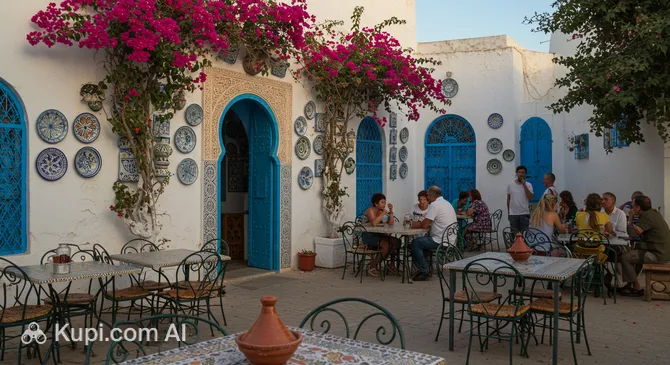
Houmt Souk is a true paradise for lovers of authentic shopping and those looking for unique souvenirs with local flavor. The city is famous for its lively traditional markets, known as "souks," where you can find everything: from colorful handmade crafts and aromatic spices to high-quality textiles and original jewelry. Shopping in Houmt Souk is not just about acquiring goods, but an exciting immersion into the atmosphere of an Eastern bazaar and local culture.
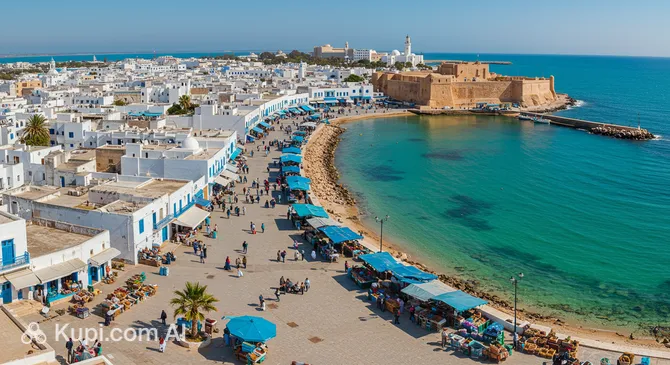
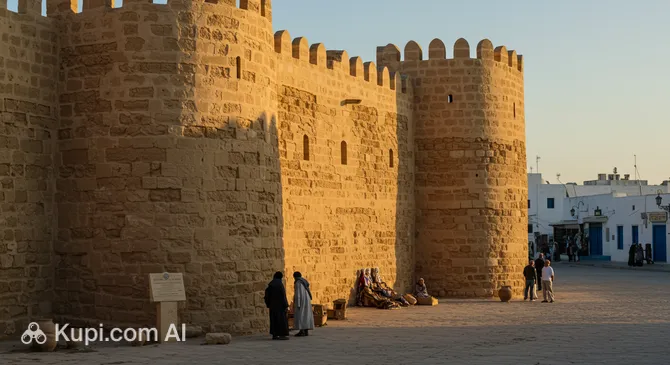
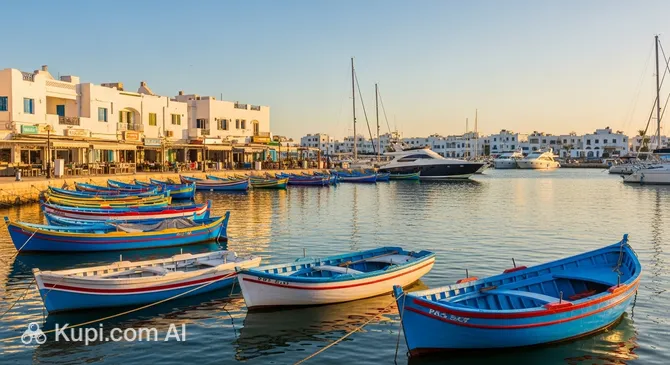
The main and most colorful shopping destination in Houmt Souk is undoubtedly its medina—the old town. The labyrinth of narrow medina streets is literally dotted with numerous stalls, small shops, and craft workshops. You can wander here for hours, choosing goods and observing the work of local masters. A number of shops and boutiques offering a more modern range can also be found in the area of Djerba Marina, which is a popular walking spot for tourists.
In Houmt Souk, you won't find large modern shopping centers in their classic sense. All the charm of local shopping is concentrated specifically in traditional trading formats—in the markets and small family-run shops, where personal communication and the chance to bargain are valued over faceless malls with global brands.
The heart of the city's commercial life is the central souk (market) of Houmt Souk, located in the very center of the medina. This is an incredibly atmospheric place where you can buy practically everything: from fresh fruits, vegetables, and aromatic spices (including the famous harissa) to colorful ceramics, leather goods, Berber silver jewelry, traditional clothing, and carpets. The market is often intuitively divided into quarters by type of goods: spice rows, ceramic shops, leatherworkers' workshops, and so on. The atmosphere here is always lively, and bargaining is not only appropriate but an integral part of the buying process.
From Houmt Souk, tourists most often bring back as souvenirs and gifts: Djerbian ceramics (plates, vases, tiles with characteristic blue, green, and yellow patterns), genuine leather products (bags, wallets, belts, babouche slippers), colorful foutas (traditional Tunisian wraps or beach towels), Berber silver jewelry with semi-precious stones, natural extra virgin olive oil, local sweets, dates, as well as various small souvenirs like the "Hand of Fatima" (hamsa) or camel figurines.
Shops and stalls in Houmt Souk are typically open from the morning, around 9:00 or 10:00, and stay open until evening, around 18:00 or 19:00. It is important to remember that many of them, especially in the medina, may close for a long lunch break (siesta), usually from 13:00 to 15:00 or even 16:00, especially during the hot summer months. On Friday, which is the holy day for Muslims, some shops may be closed or work on a reduced schedule. Regarding payment, larger shops and tourist stores may accept credit cards. However, in markets and small private shops, it is preferable to pay in cash—Tunisian Dinars (TND). Don't forget to bargain, especially in the markets—it is an expected part of the buying process and allows you to get a better price.
Tourists shopping in Tunisia may be eligible for a value-added tax (Tax Free) refund on certain goods purchased in participating stores. This usually applies to more expensive purchases. Look for a special "Tax Free Shopping" sign in windows or ask the staff. To process a refund, you will need a special receipt and a completed form, which must be presented at customs upon leaving the country. Keep all receipts and documents until your departure.