Support

Aydin Archaeological Museum

About

The Aydın Archaeological Museum is the primary cultural treasure and a point of pride for modern-day Aydın. Located in the heart of the region, this modern museum complex serves as the guardian of the priceless heritage of the ancient regions of Ionia and Caria.
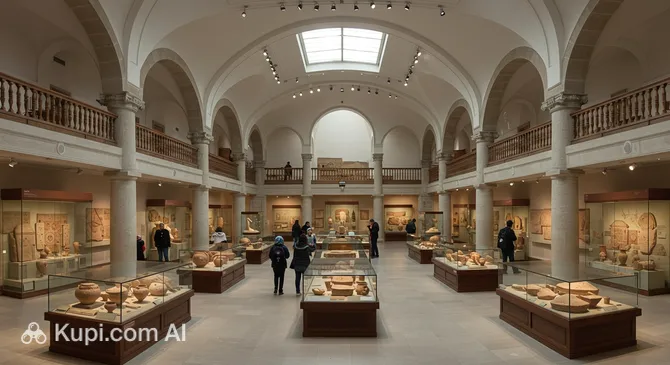
Aydın Archaeological Museum
Aydın Archaeological Museum. Иллюстрация. Источник: Kupi.com AI

Thousands of unique artifacts are housed within the museum walls: from exquisite sculptures and monumental mosaics to ancient ceramics and inscriptions that have reached us through the millennia. The exhibition spans a vast period of time, starting from prehistoric eras and ending with the Islamic period, allowing visitors to trace the continuous thread of history in this part of Turkey.

The museum's role in preserving finds from the ancient city of Tralles and other significant archaeological zones gives it special importance. Thanks to its well-thought-out structure and rich collections, it is rightfully considered a must-visit destination for anyone wishing to touch the authentic past of Anatolia.

Contacts

To plan your visit, you can use the institution's official contact details. The museum is open for inquiries and welcomes tourists interested in the region's history.

How to contactContact
AddressIlıcabaşı, Müze Blv. No:4, 09010 Efeler/Aydın, Türkiye
Phone+90 256 225 22 59
Websitewww.aydinarkeolojimuzesi.gov.tr

What to Do

Inside the museum halls, visitors can embark on an exciting journey through time, following a chronologically organized route. Particular attention should be paid to the ancient sculpture halls, which feature magnificent statues and reliefs unearthed during the excavations of the ancient city of Tralles. These works of art allow you to appreciate the skill of ancient sculptors and the aesthetics of the classical world.

The halls containing ancient mosaics are of particular interest, as their colors and patterns have remained remarkably well-preserved. By examining the detailed images, you can learn about the daily life, mythology, and beliefs of the people who inhabited this region thousands of years ago. Each display is accompanied by informative explanations, making a walk through the museum not only pleasant but also educational.

Fans of small-scale art and numismatics will enjoy the sections featuring collections of ceramics, jewelry, and ancient coins. Here, you can see how technology and crafts evolved over the centuries and how the appearance of everyday objects changed from the Bronze Age through to the Byzantine and Ottoman eras.

Getting There

Finding the Aydın Archaeological Museum is quite easy, as it is located in the heart of the city at Ilıcabaşı, Müze Blv. No:4. The primary landmark for travelers is the popular Forum shopping center, which is situated directly opposite the museum complex.

If you are in the center of Aydın, the most convenient way to reach it is by taxi or public transport—numerous city minibuses (dolmuş) pass along the museum boulevard. For those traveling by private car, parking areas are available nearby.

The museum's location in the Büyük Menderes (Great Meander) River valley makes it easily accessible not only for city residents but also for tourists traveling through the western part of Turkey.

Ближайший город: Aydin

History & Facts

The history of these lands dates back to deep antiquity, when the powerful kingdom of Lydia stood on the site of the modern city. In ancient times, this settlement was known as Tralles. It was here, in the second half of the 5th century, that the outstanding architect Anthemius was born; he became world-famous as one of the creators of the majestic Hagia Sophia in Constantinople.

One of the most remarkable facts is that the Seikilos epitaph was discovered in Tralles at the end of the 19th century. This epitaph is recognized as one of the oldest completely preserved examples of ancient Greek music in the world, featuring both musical notation and lyrics carved onto a tombstone.

Over the centuries, the city changed its appearance and names. In the 13th century, it was known as Güzelhisar, which translates to "beautiful fortress." The city received its current name in the early 14th century in honor of Aydın Bey, whose troops captured the Byzantine settlement, marking the beginning of a new chapter in the region's chronicles.

Time Needed

To fully appreciate the scale of the collection and study the most significant exhibits in detail, guests are recommended to set aside approximately 2–3 hours for their visit. This is enough time for a leisurely walk through the halls and to read the information plaques.

If you are a passionate lover of ancient sculpture or have a professional interest in archaeology, your visit could easily last half a day. The museum is well-structured, so even in a short time, you can gain a comprehensive understanding of the region's historical journey.

Working Hours

The Aydın Archaeological Museum operates on a consistent schedule, welcoming visitors seven days a week. However, please note a slight change in the timetable mid-week.

Standard opening hours are from 8:30 to 17:30, Monday through Sunday. The only exception is Wednesday, when the museum doors close slightly earlier at 17:00. This is worth keeping in mind when planning your cultural itinerary.

DayWorking hours
Понедельник8:30 – 17:30
Вторник8:30 – 17:30
Среда8:30 – 17:00
Четверг8:30 – 17:30
Пятница8:30 – 17:30
Суббота8:30 – 17:30
Воскресенье8:30 – 17:30

Nearby

After immersing yourself in ancient history within the museum's halls, it's worth taking some time to explore other interesting sites in the vicinity. A walk through these historic locations will help you better feel the atmosphere of the city and see how different eras have intertwined in its architecture.

NameDistance
Forum Aydin0.1 km
Aytepe Picnic Area1.1 km
17 April Village Institutes Forest1.2 km
Ziyafet Pide1.6 km
Ramazan Pasha Mosque1.6 km
Seyyah Cafe1.7 km
Süleyman Bey Mosque1.7 km

Reached the end of the page?

That means the route is fully explored