Support

Necip Paşa Cami

About

In the very heart of Çanakkale, in the quiet Cevat Paşa neighborhood, lies a stunning architectural monument — the Necip Pasha Mosque. This active Muslim house of worship was built at the beginning of the 20th century and is a beautiful example of the late Ottoman style. The mosque is not only an important religious center for local residents but also a significant cultural landmark reflecting the region's history.
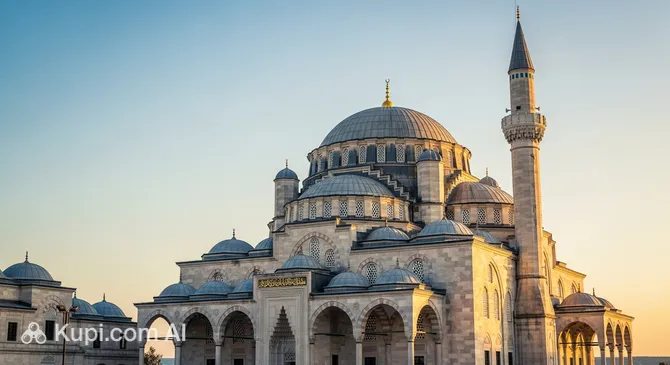
Necip Pasha Mosque
Necip Pasha Mosque. Иллюстрация. Источник: Kupi.com AI

The mosque's architectural appearance draws attention with its harmony: the tall, elegant minaret and traditional prayer hall create an atmosphere of peace amidst the city noise. Although Turkey is rich in grand structures, this place stands out for its intimacy and carefully restored details following historical damage.

Today, the building is in excellent condition and holds a high rating among travelers who appreciate it for its authenticity and the chance to touch a living heritage of the past. It is an ideal stop for those who want to see the "real" city beyond the main tourist trails.

Contacts

For those planning a visit to this historical site, it is helpful to have the exact coordinates on hand. The mosque is located in one of the central districts and is easy to find by its distinctive minaret.

How to contactContact
AddressCevat Paşa, Gazi Blv. 12/A, 17100 Çanakkale Merkez/Çanakkale, Турция
Websitewww.canakkaleicinde.com

What to Do

A visit to this place offers a chance to immerse yourself in an atmosphere of tranquility and spirituality. First and foremost, it is worth noting the architectural details of the exterior: take a look at the stonework and the graceful shape of the minaret, which looks striking against the sky. Inside the mosque, visitors will find a spacious prayer hall decorated with traditional ornaments and calligraphy — an excellent spot for those interested in photography or the history of Islamic art.

Beyond exploring the building itself, it is interesting to simply observe the steady flow of life in the Cevat Paşa Mahallesi district. Here you can see local residents gathering for prayer or read information plaques telling the story of the temple's past. In the evening, when the illumination is turned on, the mosque takes on a special, solemn charm.

To complete your experience, you can stop by the small shops or cafes on the neighboring streets, such as Atatürk Caddesi, after your visit. This allows you to combine your cultural program with a taste of Turkish tea or sweets, fully immersing yourself in the local flavor of Çanakkale.

Getting There

Reaching this architectural landmark is easy, as it is situated in a lively part of the city at Gazi Blv. 12/A. If you are staying in the center, the best option is a leisurely walk: from the waterfront or the popular Atatürk Caddesi, the walk takes about 15–20 minutes. A stroll along Gazi Boulevard allows you to better feel the rhythm of local life.

For those who prefer public transport, city buses or minibuses (dolmuş) are available. The ride from the central bus station (Çanakkale Otogarı) to the mosque takes only 5–10 minutes. Taxis are also readily available and operate 24/7 in the city.

If you are traveling by rental car, there are parking spaces on the streets of the Cevat Paşa district. You can use the coordinates 40.1566667, 26.41 for navigation.

Ближайший город: Canakkale

History & Facts

The history of this spiritual center began in 1903. The mosque was established on the initiative of Necip Pasha, a prominent Ottoman statesman of the time. Unfortunately, the founder did not live to see the work completed, and construction was finished in 1902 (according to historical records of the final stages) by his wife, Habibe Hanım. This fact makes the mosque not only a religious site but also a touching monument to family devotion and charity.

Throughout its more than century-long history, the building has faced serious challenges. In 1953, a powerful earthquake struck the region, almost completely destroying the original structure. However, local residents and authorities made great efforts to restore it, striving to preserve the spirit of early 20th-century Ottoman architecture.

Today, the Necip Pasha Mosque is a living example of resilience and generational continuity. It has been carefully reconstructed and remains an important landmark in the historical landscape, serving as a reminder of the late Ottoman Empire and the strength of a community that managed to rebuild its temple from ruins.

Time Needed

A thoughtful visit to the Necip Pasha Mosque usually takes about 30–45 minutes. This is enough time to appreciate the exterior, step inside (outside of prayer times), examine the calligraphy and architectural details, and take some photos in the courtyard.

If you decide to combine your visit with a slow walk through the charming Cevat Paşa neighborhood or a break at one of the nearby cafes, plan to spend about an hour and a half in this part of the city. The atmosphere encourages quiet contemplation, so there is no need to rush.

Working Hours

Like most active houses of worship, the Necip Pasha Mosque is open to visitors daily. The doors are typically open from dawn until dusk (roughly from 05:00 to 20:00), following the schedule of the five daily prayers.

Tourists are advised to plan their visit during the intervals between prayers so as not to disturb the worshippers. The most suitable time for a quiet interior tour is late morning or mid-afternoon. Before your trip, it is also worth checking the city's information resources for any possible changes in access during religious holidays.

Nearby

The mosque's location in the heart of the city makes it easy to combine your visit with an exploration of other iconic sites. A walk through the neighborhood will reveal the region's rich history and cultural diversity.

NameDistance
Çanakkale Ceramic Museum0.2 km
Rotary Park0.5 km
Public Garden0.7 km
Liberty Park0.8 km
Çanakkale Clock Tower1 km
Hayal Kahvesi Canakkale1 km
Mor Salkım Meyhane1.1 km

Reached the end of the page?

That means the route is fully explored