Support

Mardin Museum

About

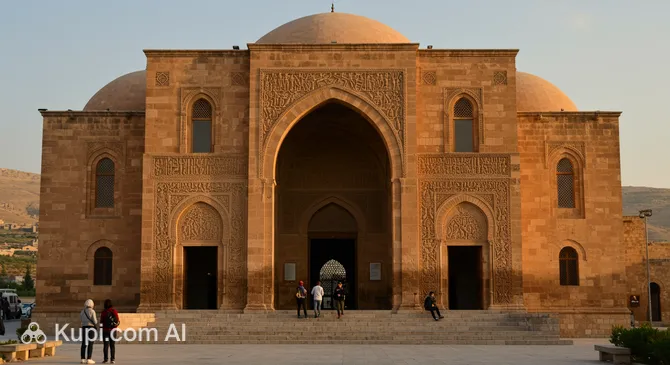
In the heart of the old city of Mardin lies one of the region's most significant cultural spaces — the Mardin Museum. This major archaeological and ethnographic complex is housed in a magnificent historical building constructed at the end of the 19th century and is a must-see for anyone wanting to understand the centuries-old history of Upper Mesopotamia.
\n
Mardin Museum
Mardin Museum. Иллюстрация. Источник: Kupi.com AI
\n

The museum building itself is a work of art: its unique stone decorations, arched vaults, and elegant columns reflect the best traditions of local architecture. Located in the former patriarchal center of the Church of the Virgin Mary, the museum in Turkey brings together treasures from various eras, from the Neolithic to the Ottoman period, under one roof.

\n

The museum's collection is impressive in its diversity, featuring thousands of artifacts found during excavations in Southeastern Anatolia. This site is rightfully considered a key cultural center where the legends of ancient civilizations that once flourished on these lands come to life.

Contacts

To plan your visit to the Mardin Museum, it is helpful to have up-to-date contact information on hand. This will allow you to check in advance for special exhibitions or rules regarding photography in the galleries.

Below are the official details to help you easily find the museum and contact its administration if needed.

How to contactContact
AddressCumhuriyet Meydanı üstü, Şar, 47100 Artuklu/Mardin, Türkiye
Phone+90 482 212 16 64

What to Do

In the halls of the Mardin Museum, visitors can embark on a true journey through time. Be sure to pay attention to the collection of archaeological finds: it features rare clay tablets with cuneiform script, cylinder seals, delicate ceramics, and ancient oil lamps. Each detail tells a story of the daily life and beliefs of people who lived here thousands of years ago.

The museum's ethnographic department offers a glimpse into a more recent past. Here, you can see magnificent examples of traditional jewelry: silver bracelets, headbands, and necklaces crafted using the unique filigree technique. Ottoman-era household items, such as copper coffee sets, bath accessories, and embroidered clothing, provide a complete picture of the culture and aesthetics of past centuries.

In addition to the permanent exhibition, the museum often serves as a venue for temporary exhibitions by contemporary artists and educational workshops. A walk along the building's open terraces will offer not only new knowledge but also inspiring views of the old city's architecture, making a visit to the museum an excellent starting point for further exploration of the region.

Getting There

Located in the heart of the historic part of the city, the Mardin Museum is situated on Cumhuriyet Square. This makes it one of the most accessible attractions: if you are staying in one of the old city's historic mansion-hotels, the walk to the museum will take only a few minutes.

For those traveling from more distant districts or the new city, it is most convenient to take a taxi or local minibuses that run to the central square. Thanks to its central location, the museum serves as an excellent landmark for starting any walking route through the labyrinth of ancient streets.

Travelers arriving in the region by plane via Mardin Airport or Midyat are recommended to use a shuttle or bus to the city center. Once at the main square, you will easily see the majestic museum building rising above the cityscape.

Ближайший город: Mardin

History & Facts

The history of the museum building itself is just as fascinating as its exhibits. The majestic three-story structure was built in 1895 and originally served as the patriarchal center of the Christian Church of the Virgin Mary. It was only a century later, in 1995, after thorough restoration, that the building opened its doors as a state museum.

The architecture is a classic example of Mardin stonemasonry. The facades are adorned with intricate stone carvings, and the internal halls impress with massive arches and elegant column capitals, highlighting the building's status as an important architectural monument of Southeastern Anatolia.

The museum's collections span a vast historical period, starting from 4000 BC and ending with the late Ottoman period. Traces of ancient civilizations—Assyrians, Urartians, Romans, and Byzantines, who succeeded one another on this land over millennia—come to life here. The exhibition vividly demonstrates how Mesopotamia became the cradle of cultures and technologies.

Time Needed

To leisurely explore all three floors of the exhibition and enjoy the architectural details of the building itself, the average tourist will need about 1.5 to 2 hours. This is enough time to get acquainted with the key artifacts and take memorable photos in the courtyard.

However, if you are a true archaeology enthusiast or plan to study the ethnographic collection and rare coin descriptions in detail, it is worth setting aside half a day for your visit. The museum has a special atmosphere that encourages a thoughtful study of Northern Mesopotamian history.

Working Hours

When planning your cultural leisure, keep in mind that the Mardin Museum is open to visitors from Tuesday to Sunday. Monday is traditionally a day off when the museum is closed for maintenance.

On other days, the museum doors are open from 8:30 AM to 5:10 PM. It is recommended to arrive an hour before closing to have enough time to explore the main halls and the unique architecture of the building.

DayWorking hours
ПонедельникЗакрыто
Вторник8:30 – 17:10
Среда8:30 – 17:10
Четверг8:30 – 17:10
Пятница8:30 – 17:10
Суббота8:30 – 17:10
Воскресенье8:30 – 17:10

Nearby

A visit to the museum is just the beginning of your acquaintance with the unique atmosphere of the region. Many historical sites are concentrated around it, each complementing the overall picture of the city's rich past and allowing for a deeper feel of its authenticity.

A walk through the surrounding area will reveal views of ancient madrasas, old markets, and the fortress walls that have protected the local residents for centuries.

NameDistance
Republic Square0.1 km
Hubo Syriac Winery0.2 km
Old Mardin0.4 km
Hamdani Restaurant – Sıra Night Every Evening0.4 km
Zinciriye Madrasa0.5 km
Carpenters' Café0.5 km
Mardin Living Museum0.6 km

Reached the end of the page?

That means the route is fully explored