Support

Sakıp Sabancı Mardin Kent Müzesi

About

Exploring the soul of this ancient cliffside metropolis is impossible without visiting the place where traditions come to life. The Mardin City Museum (Sakıp Sabancı Mardin Kent Müzesi) is not just an exhibition space, but a bridge between the past and the present, located in a magnificently restored building of former cavalry barracks from the late 19th century.
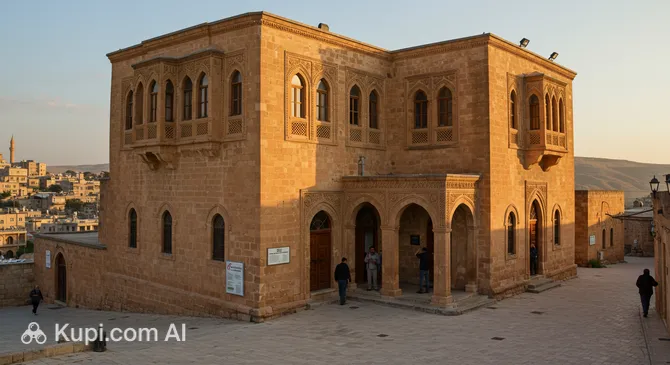
Mardin City Museum
Mardin City Museum. Иллюстрация. Источник: Kupi.com AI

Situated in the very heart of Mardin, this private museum, opened by the Sabancı Foundation, has become an important cultural hub representing the full diversity of the region. Turkey takes pride in such sites, where the history of multicultural heritage and the ancient civilizations that succeeded one another on these lands is captured in stone and exhibits.

The museum is divided into two thematic levels: the ground floor houses the Dilek Sabancı Art Gallery, which hosts rotating exhibitions of contemporary art and photography, while the second floor is entirely dedicated to the ethnography and history of the city. Here, you can see unique examples of local crafts, traditional costumes, and household items that have shaped the character of this amazing region for centuries.

Contacts

For up-to-date information regarding special exhibitions or events, you can use the following contact details:

How to contactContact
AddressŞehidiye, Hükümet Cd. No:10, 47100 Mardin Merkez/Mardin, Türkiye
Phone+90 482 212 93 96
Websitewww.sakipsabancimardinkentmuzesi.org

What to Do

Visitors can expect a fascinating immersion into the atmosphere of Mesopotamia through detailed reconstructions of social life and daily routines. In the museum halls, you can see firsthand how the masters of ancient crafts worked, study collections of antique clothing, and examine unique tombstones representing different faiths, which highlights the remarkable tolerance of this region.

The architectural design of the interiors deserves special attention: the displays are masterfully integrated into the original niches of the building, and the long arched corridors create a sense of a single historical space. In the Dilek Sabancı Art Gallery on the lower level, exhibitions are regularly updated, presenting works by both Turkish and international photographers and artists.

Besides contemplating the exhibits, the museum invites guests to participate in educational events. Seminars and lectures dedicated to the preservation of cultural heritage are often held here. It is the perfect place to take a break from your walk through the city and, in a peaceful setting, realize the scale of history that surrounds you in every alley of Mardin.

Getting There

Finding this cultural heritage site is easy, as it is located in the heart of the historical center at Şehidiye, Hükümet Cd. No:10. Thanks to its central location, the museum can be easily reached on foot from most popular tourist spots in the old town.

If you are arriving in Mardin by plane, the journey from the airport to the center takes about 20–30 minutes by taxi or shuttle bus. For those traveling between cities by bus, the terminal will be the Mardin Bus Station (Mardin Otogar), from where you can reach the museum by taxi or local minibuses in just a few minutes.

Even though the city is quite compact and pleasant for walking, keep in mind the terrain with its narrow streets and stairways. During the hotter months, it is best to plan your visit for the morning hours, when the walk to the museum complex will be most comfortable.

Ближайший город: Mardin

History & Facts

The majestic building that houses the exhibition today has a rich military and administrative history. It was built in 1889 by order of Sultan Abdulhamid II and originally served as cavalry barracks (Süvari Kışlası). The project was designed by the talented Armenian architect Sarkis Elyas Lole, whose influence is evident in many of the region's iconic structures.

Over the decades of its existence, the building's walls have seen many owners: until 1991, it served as a gendarmerie post, and later as a tax office. A new chapter in the building's history began in 2006, when a protocol was signed to transform the former barracks into a cultural center. The restoration process was fully funded by the Sabancı Foundation, fulfilling the wish of philanthropist Sakıp Sabancı to create a worthy museum space in the city.

The grand opening took place on October 1, 2009. Today, the museum is a key institution preserving the memory of Mardin as one of the few city-museums in the world. Its mission is to showcase the thousand-year experience of coexistence between different civilizations and religions at this ancient crossroads of trade routes.

Time Needed

To leisurely explore all levels of the museum and the temporary exhibitions, travelers are recommended to set aside about 1.5–2 hours. This is quite enough time to immerse yourself in the ethnographic details and enjoy the contemporary art in the gallery.

Usually, a visit is divided into two parts: about one hour is spent studying the main exhibition dedicated to daily life and crafts, and another 45 minutes for viewing the Dilek Sabancı Art Gallery. If you plan to attend one of the lectures or seminars occasionally held at the museum, you should factor in extra time.

Working Hours

When planning your visit, keep in mind that the museum follows a schedule standard for many cultural institutions. The complex is open to guests from Tuesday to Sunday.

Opening hours: from 09:00 to 17:00. Please note that Monday is a day off, and the museum is closed to visitors at this time.

DayWorking hours
ПонедельникЗакрыто
Вторник9:00 – 17:00
Среда9:00 – 17:00
Четверг9:00 – 17:00
Пятница9:00 – 17:00
Суббота9:00 – 17:00
Воскресенье9:00 – 17:00

Nearby

The museum's location in the historical core of the city allows tourists to create a packed itinerary without spending much time on travel. Just a few hundred meters away, views of the famous stone mansions and ancient madrasas open up.

Exploring the surroundings will help you better feel the unique vertical landscape of the city, where the roof of one house often serves as the courtyard for another.

NameDistance
Sitti Radviyye Hatuniyya Madrasa0.1 km
Şehidiye Madrasa0.2 km
Mardin Houses0.3 km
Mardin Living Museum0.4 km
Zinciriye Madrasa0.5 km
Carpenters' Café0.5 km
Old Mardin0.6 km

Reached the end of the page?

That means the route is fully explored