Support

Pasaoglu Mansion & Ethnography Museum

About

On the picturesque Black Sea coast in the cozy city of Ordu lies a true architectural gem — the Paşaoğlu Mansion and Ethnography Museum. This majestic three-story building, constructed at the end of the 19th century, serves as a magnificent example of Ottoman civil architecture. Its austere stone facade, decorated with elegant carvings and wooden elements, immediately catches the eye and transports visitors to the era of Turkey's noble families.
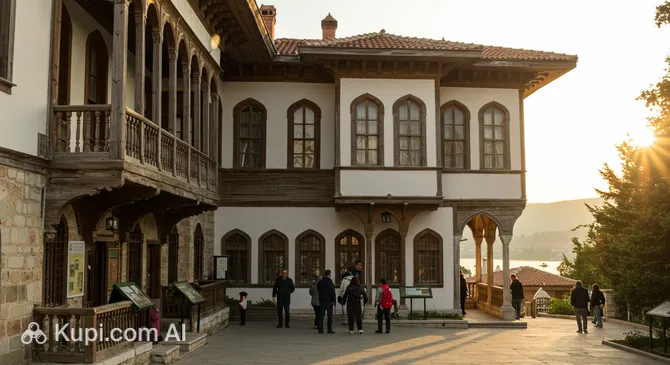
Pasaoglu Mansion and Ethnography Museum
Pasaoglu Mansion and Ethnography Museum. Иллюстрация. Источник: Kupi.com AI

Built in 1896 for Hüseyin Efendi, the mansion remained a private residence for a long time until it was restored and converted into a museum in the 1980s. Today, it is a cultural hub for the region, housing unique artifacts across more than 600 square meters that tell stories of local traditions, crafts, and daily life from past centuries.

The Paşaoğlu Mansion is rightfully considered a must-visit for any tourist. Here, you can not only see rare archaeological finds but also feel the authentic atmosphere of an old Turkish home that has preserved its spirit for over a century.

Contacts

To clarify visit details or organize group tours, you can use the museum's official contact information.

How to contactContact
AddressSelimiye, Taş Ocak Cd. No:22, 52100 Ordu Merkez/Ordu, Турция
Phone+90 452 223 25 96
Websitewww.ordukulturturizm.gov.tr

What to Do

A stroll through the museum's halls becomes a fascinating immersion into history. On the first floor, visitors are greeted by the ethnographic section, featuring an impressive collection of household items: from antique weapons and exquisite jewelry to traditional men's and women's clothing. Artifacts found during excavations of the ancient Kurul Fortress — terracotta busts and masks over 2,000 years old — are of particular interest.

Moving up to the second floor, you enter the mansion's living space, where the interiors have been recreated with striking precision. Here, you can peek into the pasha's grandmother's room, see the formal sofa, the guest bedroom, and even the dressing room. Each room is decorated in 19th-century style, showing the daily comfort of a noble Ottoman family.

After touring the interior, be sure to spend some time in the inner courtyard. It's a lovely place to relax in the shade of the mansion walls and take souvenir photos against the old stonework. Thanks to its convenient location, a visit here can easily be combined with a walk to the nearby Hazelnut Museum to get a complete picture of the region's cultural wealth.

Getting There

Located in the colorful Selimiye district, this historic site sits in the very heart of the old city. Finding it is easy: the building stands at the intersection of Taş Ocak and Erkoçak streets. If you are staying in the central part of the city, a walk to the museum will take very little time and allow you to enjoy the atmosphere of the old quarters.

For those who prefer comfort, you can quickly reach it by taxi from the central bus station or any point along the coast. City buses also run regularly in this direction. If you arrive in the region by plane, the nearest airport is just a few kilometers away, from where the museum is easily accessible by transfer or rental car.

The Hazelnut Museum, located next door, can serve as a landmark. Using GPS navigation will help you find the most accurate route through the narrow but picturesque streets of the old town.

Ближайший город: Ordu

History & Facts

The history of this grand building began in 1896, when construction of a family residence started at the request of Paşaoğlu Hüseyin Efendi, an influential local nobleman. No expense was spared: the best stones were brought from the Ünye district, and high-quality timber was delivered directly from Romania. An invited master from Istanbul oversaw the project, highlighting the owners' high status.

The building is considered one of the most striking examples of late Ottoman civil architecture. The facade is adorned with elegant semi-columns with carved capitals, and the windows are framed by console cornices with floral motifs, creating a unique look. The mansion's impressive area of 625 square meters allowed for both spacious living quarters and a magnificent garden.

In 1982, the mansion became state property. After a thorough restoration lasting four years, it opened its doors on November 18, 1987, as an ethnography museum. Masters succeeded in fully preserving the building's original character, turning it into a living monument of the region's history.

Time Needed

To leisurely explore all the exhibitions and soak in the atmosphere of the historic mansion, visitors typically need about 1 to 2 hours. This is plenty of time to see both the ethnographic collection on the first floor and the detailed living interiors on the upper levels.

If you plan to take many photos in the authentic settings or linger in the cozy courtyard, it's worth setting aside a bit more time. Given the proximity to other city attractions, a visit to the museum fits perfectly into a half-day walking tour of the old center.

Working Hours

The museum doors are open to guests throughout the week. You can visit the exhibition on any convenient day, as the museum is open daily from 08:00 to 17:00.

The operating schedule remains consistent on both weekdays and weekends. However, before planning a visit on public holidays, it is recommended to check the official website of the Ordu cultural department for any potential changes to the schedule.

08:00–17:00

Nearby

The surroundings of the museum form the historical core of the city, where every turn of the street reveals new interesting locations. A walk through this area will allow you to delve deeper into the culture and life of the Black Sea coast, combining visits to ancient monuments with cozy modern establishments.

NameDistance
Orta Mosque0.3 km
Ordu Upside Down House0.8 km
Taşbaşı Church1 km
Kok Cag Kebab Ordu1.3 km
Boztepe Cable Car1.6 km
Roka Balik Ordu3.1 km
Memorial Woods National Park3.7 km

Reached the end of the page?

That means the route is fully explored