Support

Tokat Museum

About

Located in the heart of the ancient city of Tokat, the Tokat Museum (Tokat Müzesi) is a remarkable archaeological and ethnographic complex. Established back in 1944, it has become the primary guardian of the region's cultural heritage, housing over 20,000 unique exhibits. This is a place where history comes to life—a history shaped by Turkey over centuries at the crossroads of great civilizations.
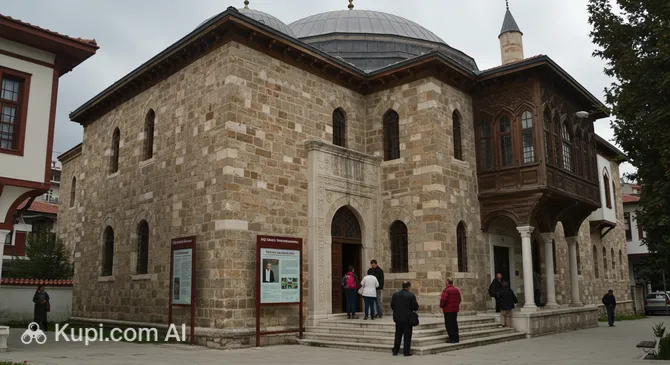
Tokat Museum
Tokat Museum. Иллюстрация. Источник: Kupi.com AI

The museum's exhibition is masterfully divided into two sections. The Archaeological Department invites you on a journey through millennia: from the mysterious Neolithic and Hittite periods to the grandeur of Byzantium and Seljuk rule. Here, you can see exquisite sculptures, ancient coins, and fragments of architectural structures that once adorned ancient cities.

The second part of the museum—the Ethnographic section—is dedicated to the life and traditions of the local people. The halls display national costumes, household items, musical instruments, and magnificent examples of textiles. Modern multimedia displays and interactive elements make the walk through the halls engaging and accessible, even for those just beginning their acquaintance with Anatolia's rich heritage.

Contacts

For the latest information regarding special exhibitions or group visits, you can use the following contact details:

How to contactContact
AddressCamiikebir, 60200 Tokat Merkez/Tokat, Türkiye
Phone+90 356 214 15 09

What to Do

A visit to the Tokat Museum offers an immersive journey into the past. History buffs can examine Hittite cuneiform tablets and a collection of Roman coins, as well as appreciate the intricate craftsmanship of Seljuk artisans. As you wander through the halls, be sure to notice the preserved mosaic fragments and ancient ceramics—their detail and condition are truly impressive.

The ethnographic section introduces visitors to "living" history: here, you can see how Tokat's residents dressed across different eras, what tools they used to farm the land, and which crafts flourished in the region. Of particular interest are the traditional musical instruments and local textile samples that have retained their vibrant colors over decades.

The museum is excellent for families, thanks to multimedia panels that explain the significance of each artifact in an accessible way. It is an ideal spot for cultural travelers looking to take high-quality photos (following museum rules) and soak in the atmosphere of the old city without leaving the city center.

Getting There

Finding the Tokat Museum is easy, as it is conveniently located in the historical city center at Camiikebir, 60200 Tokat Merkez/Tokat. If you are arriving in the region via Tokat Airport, the museum is about 10–15 kilometers away. The fastest way to cover this distance is by taxi (roughly 20–30 minutes) or by a regular bus heading to the central districts.

The city itself has a well-developed public transport network. You can use local minibuses (dolmuş) that run regularly, or simply walk if you are already exploring the historic quarter. The trip from the main bus station (Otogar) by taxi or bus takes no more than 10–15 minutes.

For those traveling by private or rental car, parking spaces are available near the museum complex. Using GPS coordinates will help you navigate precisely to this cultural landmark.

Ближайший город: Tokat

History & Facts

The history of the Tokat Museum began in 1944 when there was a pressing need for a centralized repository for the numerous artifacts unearthed during regional excavations. Over the decades, the museum's collection has grown significantly and now boasts more than 20,000 items, each telling its own chapter of Anatolian history.

The collection's uniqueness lies in its incredible chronological span. It features evidence of human life dating back to the Neolithic era. A special place is reserved for Hittite cuneiform tablets and artifacts from the Phrygian and Persian periods. Finds from the Greek, Roman, and Byzantine eras allow visitors to trace the evolution of aesthetic ideals and technologies over millennia.

The Seljuk and Ottoman Empire periods are represented with equal brilliance. Ethnographic exhibits document the evolution of local crafts and traditions. The museum does more than just store antiquities; it serves as an important educational center, continuously expanding its collection through ongoing archaeological research in the surrounding areas.

Time Needed

To explore the museum's rich collections without rushing, it is recommended that visitors set aside between 1.5 and 2.5 hours. This is sufficient time to carefully examine both the archaeological and ethnographic sections, read the information panels, and appreciate the skill of ancient creators.

If you are a serious history enthusiast or plan to take detailed photographs of the exhibits, your visit might last half a day. The museum is organized logically and chronologically, making it easy to navigate the halls and set your own pace.

Working Hours

The museum is open to visitors throughout the week, except on Mondays. When planning your visit, please refer to the following schedule:

Tuesday – Sunday: 08:00 AM to 04:45 PM.
Monday: Closed.

DayWorking hours
ПонедельникЗакрыто
Вторник8:00 – 16:45
Среда8:00 – 16:45
Четверг8:00 – 16:45
Пятница8:00 – 16:45
Суббота8:00 – 16:45
Воскресенье8:00 – 16:45

Nearby

The area surrounding the museum is steeped in history, and a short walk will lead you to even more architectural masterpieces. Exploring the neighboring streets will greatly enrich your understanding of the city's ancient character.

NameDistance
Yagbasan Madrasa0.1 km
Tokat Castle0.3 km
Ali Pasha Mosque and Tomb0.3 km
Taşhan Caravanserai0.5 km
Latifoglu Mansion0.6 km
Mevlevi Lodge0.8 km
Tokat Clock Tower0.8 km

Reached the end of the page?

That means the route is fully explored