Support

Amasya Archeology Museum

About

In the heart of the ancient city of Amasya lies a treasure trove of history—the Amasya Archaeological Museum. Founded back in 1926, this museum is rightfully considered one of the richest and most interesting in northern Turkey. Within its walls, artifacts spanning a colossal period of time are carefully preserved: from the Neolithic era to the majestic Ottoman period.
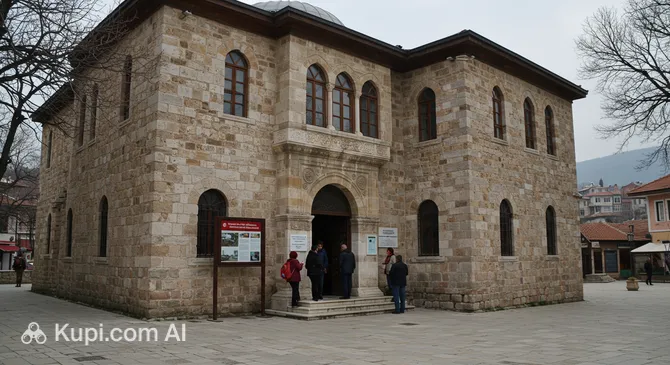
Amasya Archaeology Museum
Amasya Archaeology Museum. Иллюстрация. Источник: Kupi.com AI

The museum's exhibition is thoughtfully divided into two large sections. On the first floor, visitors will find amazing archaeological finds, including evidence from the Hittite, Urartian, and Phrygian eras. The second floor is dedicated to ethnography and the lifestyle of past centuries, but the main "gem" attracting travelers from all over the world remains the unique mummy hall.

In total, the museum collection numbers more than 30,000 items. Thanks to such an incredible variety of exhibits, the museum has become a cultural center for the province and a vital point of attraction for everyone who wants to touch the authentic heritage of Anatolia.

Contacts

To plan your visit and check current information, you can use the following contact details:

How to contactContact
AddressÜçler, Mustafa Kemal Paşa Cd. D:No.91, 05100 Amasya Merkez/Amasya, Türkiye
Phone+90 358 218 45 13

What to Do

A visit to the museum offers a deep dive into the material culture of ancient civilizations. Here, you can examine Hellenistic sarcophagi in detail, as well as Phrygian stone lions and exquisite Copper Age ceramics. One of the collection's most prized exhibits is a bronze statuette of the Hittite storm god Teshub, which showcases the stunning craftsmanship of ancient masters.

The undisputed center of attention for visitors is the mummy hall on the second floor. It features eight mummified bodies dating back to the 13th century (the Seljuk period). Among them are four child mummies, which is an exceptional rarity. This exhibition serves as unique evidence that mummification traditions also existed in the Muslim culture of that time.

In the ethnographic department, pay attention to items from the Ottoman period: richly decorated swords, daggers, bows and arrows, as well as magnificent examples of wood carving. After touring the indoor halls, be sure to walk through the museum garden, which houses the türbe (tomb) of the Seljuk Sultan Mesud I, which seamlessly complements the architectural ensemble of the complex.

Getting There

The museum is located in the heart of Amasya at: Üçler, Mustafa Kemal Paşa Cd. D:No.91. The city is nestled in the picturesque and narrow gorge of the Yeşilırmak river, making a walk to the museum visually stunning regardless of where you are staying in the center.

The archaeological museum is easily accessible by taxi from any part of the city—this is the fastest and most comfortable method. If you prefer public transport, you can use local buses or minibuses (dolmuses) that run through the central streets and stop within walking distance of the entrance.

For those traveling by private or rental car, use the riverfront and the main bridges as landmarks. Keep in mind that streets in the historical center can be narrow, so it is best to look for parking in designated lots nearby.

Ближайший город: Amasya

History & Facts

The history of the area where the Amasya Archaeological Museum stands today is rooted in deep antiquity. The first settlements on the banks of the Yeşilırmak River emerged during the Neolithic era, about five thousand years ago. Over the centuries, this land witnessed the rise and fall of great civilizations: Hittites, Phrygians, Lydians, and Persians.

The city gained particular significance in 302 BC, when it became the first capital of the powerful Pontic Kingdom. It was during this period that large-scale construction began, and the famous royal tombs were carved into the steep cliffs overlooking the city. Later, the city came under the rule of the Roman Empire, successively becoming part of various provinces under Emperors Trajan and Hadrian.

In the Ottoman era, the city received the prestigious status of "City of Shehzades" (heirs to the throne). Future sultans were sent here to study the intricacies of state administration in practice. It is also worth noting that Amasya is the birthplace of Strabo, the famous ancient geographer and historian who lived here in the 1st century BC.

The museum itself was founded in 1926 to preserve this colossal heritage. Today, its halls house more than 30,000 artifacts that chronologically tell the history of the region from the Copper Age to the final years of the Ottoman sultans' rule.

Time Needed

To leisurely explore all the exhibits, including the archaeological and ethnographic sections, and to spend time in the mummy hall, it usually takes 2 to 3 hours. This is enough time to get acquainted with the collection's main masterpieces and take a stroll through the courtyard.

If you are a history buff and plan to study the explanatory plaques in detail, examine the intricate carvings on Ottoman weapons, or the architectural details of the sarcophagi, we recommend setting aside about 4 hours. Although the museum may seem small, it has a very high density of valuable exhibits.

Working Hours

The museum maintains a very convenient schedule, welcoming visitors seven days a week. The doors are open daily, from Monday to Sunday.

The working day begins at 8:15 AM and ends at 6:45 PM. Such a stable schedule throughout the week makes it easy to include a visit to the museum in any sightseeing itinerary around the city.

8:15 – 18:45

Nearby

Exploring the surroundings of the archaeological museum will give you a complete impression of the unique character of this "museum city." Many iconic sites are just a few minutes' walk away, allowing for a rich walking route through the historical center.

NameDistance
Beyazid II Complex (Amasya)0.2 km
Teşup Mansion Hotel0.3 km
Amasya Miniature Museum0.3 km
Şehzadeler Promenade Route0.4 km
Hazeranlar Mansion0.5 km
Ziyagil Mansion0.5 km
Amasya Riverside Houses0.6 km

Reached the end of the page?

That means the route is fully explored