Support

Amasya Kalesi

About

The majestic Amasya Fortress (Amasya Kalesi) is an ancient citadel that is rightfully considered the symbol of Amasya. Perched atop Mount Harşena at 700 meters above sea level, this grand defensive structure has stood watch over Northern Turkey for more than three millennia.
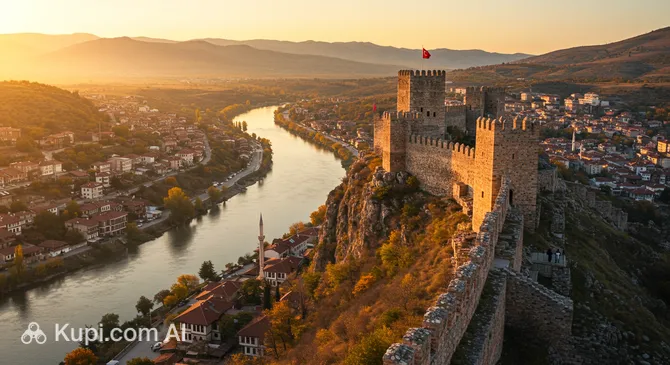
Amasya Castle
Amasya Castle. Иллюстрация. Источник: Kupi.com AI

This historical stronghold is a complex architectural site divided into three main sections: the inner fortress, the elegant "Palace of the Maidens" tower, and the upper Harşena tower. The fortress walls, built from stone and brick, descend the mountain slopes toward the Yeşilırmak River, creating a unique landscape where the rugged power of the cliffs meets the skill of ancient builders.

As one of Anatolia's oldest fortifications, the fortress has witnessed the rise and fall of many civilizations. Today, it is more than just an open-air museum; it is the best vantage point for spectacular views of the city's old quarters and the famous rock-cut tombs of the Pontic kings.

Contacts

Having up-to-date contact information is helpful for planning your visit to this historic location. Although the fortress is an open-air museum, it is best to consult official government tourism resources for information regarding special events or changes in access.

How to contactContact
AddressHatuniye, 05000 Yuvacık/Amasya District/Amasya, Türkiye
Websitewww.kulturportali.gov.tr

What to Do

Exploring the fortress grounds is a true journey back in time. You can touch the ancient masonry of well-preserved wall fragments and massive gates. Inside the citadel, the ruins of an old mosque, remnants of Ottoman baths, an arsenal, and clever water supply systems with cisterns and reservoirs that allowed the garrison to withstand long sieges will surely catch your eye.

The 18 royal tombs, carved directly into the monolithic rock on the mountain slopes, are particularly awe-inspiring. These monumental structures from the Pontic Kingdom era impress with their precision and grandeur. For mystery seekers, there is access to a secret passage and dungeon dating back to the 3rd century BC, which once led from the fortress down to the river.

Beyond the archaeological discoveries, people come to the summit for the incredible panoramas. From here, Amasya is visible at a glance: the winding ribbon of the Yeşilırmak River, the doll-house-like Yalıboyu residences, and the surrounding mountains create a perfect backdrop for photos. Routes within the complex are well-marked, making it easy to navigate between the ruins of the madrasah and fragments of the ancient palace.

Getting There

The attraction is located in the very heart of the city, atop Mount Harşena. Thanks to its central location, Amasya Fortress is visible from almost any point in the old center, making it an excellent landmark for tourists.

You can reach the foot of the mountain on foot while strolling through the historic Hatuniye district. The path to the citadel itself involves climbing specially equipped trails with signage. The incline can be quite steep, so wearing comfortable shoes is recommended. The entire route fits logically into a walking tour of the old town.

If you prefer comfort or want to save your energy for exploring the fortress grounds itself, you can use a local taxi. Drivers can easily take you as close to the entrance as possible. Public transport brings passengers to the central districts of the city, from where only a short walk or a quick taxi ride to the fortress remains.

Ближайший город: Amasya

History & Facts

The history of this fortification is impressive in its longevity: Amasya Fortress has existed for more than 3,200 years. Its foundation was laid during the Hellenistic period, and the inner part of the citadel was significantly rebuilt by order of the Pontic King Mithridates around 250 BC. Since then, every era—from the Roman Empire to Byzantium—has left its mark here.

A new period of prosperity began in the 12th century when the Seljuk Sultan Mesud I chose the city as his center. In 1146, he initiated a large-scale renovation of the fortifications, adding a mosque, a madrasah, and palace buildings. It was during this period that the fortress finally took shape as a powerful administrative and religious hub for the region.

The fortress played a special role during the Ottoman Empire. For over 150 years, it served as a residence for the shehzade—heirs to the throne who came to the city to learn the art of governance. Future sultans, their families, and governors lived here, transforming the military site into an important political center where the empire's destiny was shaped.

Time Needed

Most travelers need about 1.5–2 hours for a thoughtful exploration of the site. This time is sufficient to leisurely complete the climb, inspect the preserved defensive walls, and look into the ruins of ancient structures within the citadel.

If you plan a long photo session or simply want to enjoy the panoramic views of the Yeşilırmak valley for longer, it is worth budgeting a bit more time. Also, consider weather conditions: on hot days, the climb may take longer due to the need for rest stops in the shade.

Working Hours

Currently, the exact operating schedule for Amasya Fortress is not formally specified in open sources. Typically, such open-air sites welcome visitors during daylight hours; however, opening and closing times may vary depending on the season.

Before planning your trip, we strongly recommend checking for current information on Turkey's official tourism portal or clarifying details at a local tourist information center upon arrival in the city.

Nearby

The city nestled at the foot of Mount Harşena is literally steeped in history, and exploring the areas surrounding the fortress will allow you to fully immerse yourself in the atmosphere of ancient Anatolia. After descending from the citadel, it is definitely worth spending time at the sites located within walking distance.

Here you will find both unique ancient monuments and charming examples of Ottoman architecture, which sit harmoniously side-by-side along the riverbanks.

NameDistance
Rock Tombs of the Pontic Kings0.4 km
Teşup Mansion Hotel0.4 km
Hazeranlar Mansion0.4 km
Ziyagil Mansion0.4 km
Amasya Riverside Houses0.5 km
Museum of the Ottoman Princes0.5 km
Amasya Miniature Museum0.6 km

Reached the end of the page?

That means the route is fully explored