Support

Kastamonu Museum

About

A journey into the deep past of the Western Black Sea region begins in the halls of the Kastamonu Museum (also known as the Archaeological Museum). Located in the colorful historic center of Kastamonu, this cultural site is a harmonious blend of ancient artifacts and classic Ottoman architecture. Turkey is famous for its archaeological treasures, and this museum is no exception.
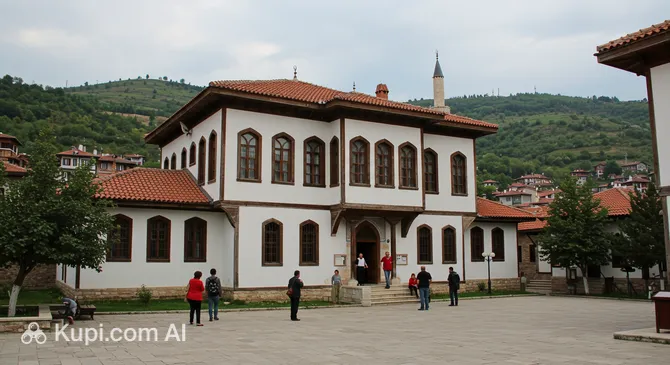
Kastamonu Museum
Kastamonu Museum. Иллюстрация. Источник: Kupi.com AI

Inside the historic building are thousands of exhibits spanning a vast timeline: from the mysterious Hittite period and Phrygian culture to the splendor of Hellenism, the power of Rome, and Byzantine sophistication. The collection also includes unique items from the Candaroğulları principality and the Ottoman era, making the museum a key site for understanding the region's evolution.

The combination of indoor displays and an "open-air museum" in the garden creates a special atmosphere. A pleasant bonus for travelers is the free admission, and its high rating among tourists confirms that this place is a must-visit on any itinerary through Northern Anatolia.

Contacts

To clarify information before your visit or to organize group tours, you can use the following museum contact details:

How to contactContact
AddressNo:68, İsfendiyar, Cumhuriyet Cd., 37200 Kastamonu Merkez/Kastamonu, Türkiye
Phone+90 366 214 10 70

What to Do

A visit to the museum offers guests a fascinating journey through the ages. In the main halls, you can examine ancient statues, exquisite ceramics, and a rich numismatic collection. Of particular interest are the Hittite and Byzantine artifacts, which allow you to literally trace how the tastes and technologies of local residents changed over millennia.

Be sure to set aside time for a walk through the museum garden. Here, in the open air, larger architectural fragments, stelae, and sarcophagi are on display. It's a great spot for quiet reflection and memorable photos surrounded by ancient stones and greenery.

Thanks to its location in the city center, a visit to the museum is easily combined with a stroll to the nearby Republic Square. The atmosphere here is peaceful and inviting for exploration, making the museum ideal for solo archaeology buffs and couples looking to diversify their vacation with a cultural program.

Getting There

The museum is located in the very heart of the city at No:68, İsfendiyar, Cumhuriyet Cd.. Thanks to its central location, it is very easy to reach on foot from iconic spots such as Republic Square or the Nasrullah Mosque. A walk through the city's historic streets will help you get into the right mood for an encounter with antiquity.

If you are in more distant areas, you can use local minibuses known as dolmuş, which run regularly through the center. For those arriving from Kastamonu Airport (KFS) or the central bus station, a taxi is the best option; the trip will take only 10–15 minutes.

For travelers by car, parking is provided near the museum complex. The city is situated in the picturesque Karaçomak River valley, and navigation using modern maps will help you easily find the right turn to the Ottoman-era building.

Ближайший город: Kastamonu

History & Facts

The history of this cultural institution began in 1937. The building itself, which houses the exhibits, is a monument of Ottoman architecture and perfectly highlights the antiquity of the treasures within. The museum's collection is a true chronicle of the region, covering periods from the Bronze Age to the fall of the empire.

The lands around Kastamonu were once inhabited by the mysterious Kaskians, contemporaries of the Hittite Kingdom, and later the region became part of the Roman province of Paphlagonia. In the Middle Ages, the Byzantine Komnenos dynasty ruled here, building the Castra Comnenus fortress, from which, according to one version, the city's name originated. Later, in the 14th century, the city became the brilliant capital of the Candaroğulları principality.

Today, the museum's holdings include more than 2,000 valuable items. Among them are unique pieces of evidence from everyday life: from elegant jewelry of the Hellenistic era to traditional clothing and household items from Ottoman times. These artifacts clearly show how the city served as an important hub on trade routes between the Black Sea and the interior of Anatolia for centuries.

Time Needed

To leisurely explore all the indoor halls and stroll through the garden with outdoor exhibits, most visitors need about 1.5 to 2 hours. This is enough time to appreciate the details of ancient coins, examine the carvings on sarcophagi, and read the informational displays.

If you are a history enthusiast or plan to take detailed photographs of every collection, we recommend setting aside about 2.5 hours. The museum is fairly compact, but the concentration of interesting finds is quite high, encouraging thoughtful contemplation.

Working Hours

The museum is welcomingly open to visitors daily, without days off or lunch breaks. You can plan your visit at any convenient time throughout the week:

Monday – Sunday: from 08:30 to 17:30.

8:30 – 17:30

Nearby

The museum's location in the historic center allows you to easily combine your visit with other iconic sites. A stroll through the surrounding area will give you a complete picture of the city's rich architectural and spiritual heritage.

NameDistance
Kastamonu Republic Square0.4 km
Nasrullah Mosque0.4 km
Humpback Bridge0.4 km
Kastamonu Castle0.5 km
Cem Sultan Bedesteni Restaurant0.5 km
Yakupaga Complex0.5 km
Chef Ihsan Usta0.6 km

Reached the end of the page?

That means the route is fully explored