Support

Urartu Müzesi

About

A modern building of glass and metal, rising at the foot of a legendary rock, hides the treasures of one of the most mysterious civilizations of antiquity. The Urartu Museum in the city of Van is not just a repository of antiquities, but a true portal into the past of a powerful kingdom that flourished in the east of modern Turkey thousands of years ago.
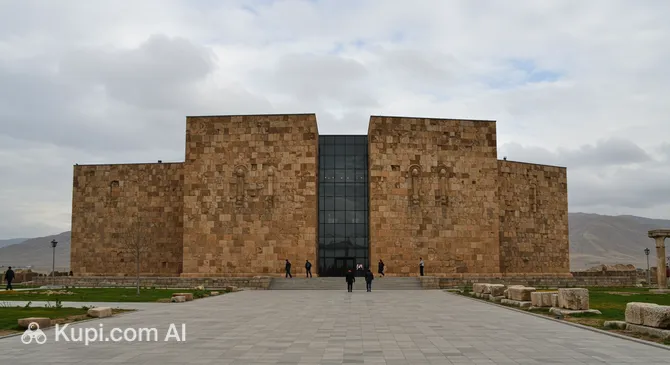
Urartu Museum
Urartu Museum. Иллюстрация. Источник: Kupi.com AI

Opened at the end of 2014 after a major reconstruction, this museum complex has become an architectural gem of the region. Its long glass facade strikingly reflects the outlines of the Van Fortress, creating a visual link between the landscape and history. The museum's collection is considered one of the largest in the world and covers a vast period of time — from Iron Age artifacts to ethnographic exhibitions from later eras.

Visitors can see unique gold jewelry, massive bronze shields and helmets, as well as the famous cuneiform steles created more than 4,000 years ago. Most of the exhibits were found during excavations of the ancient Urartian capitals — Tushpa and Rusahinili, making the collection invaluable for understanding the culture and daily life of the ancient peoples of the Near East.

Contacts

If you are planning a visit to the museum and wish to clarify details about its location or ask the staff questions, please use the information provided below. The museum is located in the scenic İpekyolu district, near the shores of Lake Van. It is recommended to save the address for your navigator or show it to a taxi driver to reach the destination quickly.

How to contactContact
AddressYalı, 65140 İpekyolu/Van, Турция

What to Do

Begin your introduction to the museum with the halls dedicated to the Urartu era. Here you can spend hours admiring the jewelry work of ancient masters who created exquisite gold earrings and necklaces, as well as the heavy bronze weaponry that once protected warriors. Of particular note are the basalt steles and stone sculptures decorated with complex reliefs and mysterious cuneiform symbols.

Be sure to stop by the ethnographic section to feel the spirit of the region through the lives of its inhabitants in later times. This part of the museum features traditional handmade carpets, silver-embroidered shoes, and kitchen utensils characteristic of Kurdish and Turkmen cultures. Interactive elements of the exhibition will help you literally "see" history through multimedia reconstructions of ancient settlements.

After walking through the halls, it's worth heading to the panoramic windows, which offer an impressive view of the ancient citadel. A visit to the museum combines perfectly with an excursion to the Van Fortress and a walk along the shore of Lake Van. This is a great opportunity to take atmospheric photos and compare the archaeological finds with the actual historical landscape in which they were discovered.

Getting There

Finding the Urartu Museum is easy, as it is located in the popular tourist district of İpekyolu, right at the foot of the famous Van Rock. If you are staying in the city center, a taxi ride will take no more than 5–10 minutes. For those who prefer local transport, municipal buses or dolmuses (shared taxis) regularly run from the central streets toward the fortress (Van Kalesi).

Travelers arriving at Van Ferit Melen Airport can reach the museum in about 20–30 minutes by car or taxi, covering a distance of approximately 15–20 kilometers. If you are renting a car, follow the signs for Van Fortress — the museum complex is located on the adjacent grounds and has convenient parking for visitors.

Ближайший город: Van

History & Facts

Did you know that the powerful state of Urartu, centered right here in the Lake Van region, was one of the main rivals of the Assyrian Empire? The locals called their country Biaini, while the name "Urartu" familiar to us comes from Assyrian chronicles. Their ancient capital, Tushpa, was located right around the Rock of Van, and its massive defensive walls still amaze engineers and historians today.

The history of the museum complex itself is inextricably linked with changes in the life of the modern city. The previous museum building was severely damaged during the devastating 2011 earthquake. However, this tragic event provided the impetus for the construction of a brand-new, high-tech building, which is now considered one of the most significant archaeological centers in Turkey. The museum's modern architecture of glass and metal is specifically designed so that the majesty of the ancient fortress is reflected in its facade.

The artifacts gathered in the halls reveal the secrets of Urartian writing and their incredible skill in metalworking. The Urartians were renowned masters of building fortresses and irrigation systems, and their cuneiform tablets tell of the triumphs of kings. Today, Van University continues active research in the region, and the museum's collection is regularly updated with new finds literally raised from the earth and the floor of the receding lake.

Time Needed

To leisurely explore the main collection of Urartian treasures and get to know the ethnographic section, it usually takes about 1.5 to 2 hours. This time is quite sufficient to study the most significant exhibits and read the information boards explaining the history of the excavations.

If you plan to combine your museum visit with a walk to the top of Van Rock and an exploration of the ruins of the old city, we recommend setting aside at least 3-4 hours. This approach will allow you to get a complete picture of the region's heritage without sacrificing the quality of the experience due to rushing.

Working Hours

Since the exact operating schedule may change depending on the season, public holidays, or restoration work, we recommend checking for current information on the region's official tourism portal before planning your visit.

As a rule, Turkey's state museums are open to visitors from 9:00 AM to 5:00 PM or 6:00 PM. Please note that in many cultural institutions in the country, Monday or Tuesday may be a closing day, so it is worth clarifying this in advance with your hotel or local guides.

Nearby

The area surrounding the museum is a true open-air archaeological park, where every step can lead to a new historical discovery. Its proximity to the grand citadel makes a visit to this area incredibly rewarding, allowing you to see the city's evolution from the Iron Age to the Ottoman period.

Exploring the nearby sights will help you feel the atmosphere of this ancient land more deeply. Below are the most interesting sites located within walking distance or a short drive from the museum.

NameDistance
Van Museum of Archaeology and Ethnography0.1 km
Van Castle0.3 km
Kurtuluş Park2.6 km
Kushane3 km
Van Menceli4.1 km
Hazrat Omar Mosque4.3 km
Niçe Cafe & Bar4.4 km

Reached the end of the page?

That means the route is fully explored