Support

Aston Hall

About

Aston Hall is a magnificent historic building located in Birmingham, United Kingdom. This grand mansion is one of the last and most striking examples of Jacobean architecture, which flourished in England in the early 17th century during the reign of King James I. Its unique appearance and rich history make Aston Hall a significant landmark and a popular destination for tourists.
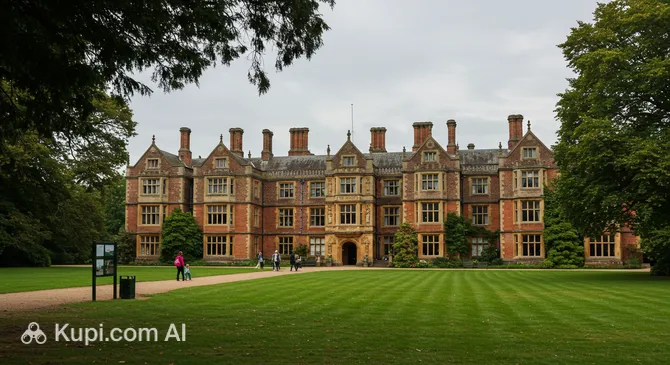
Aston Hall. Illustration.
Source: Kupi.com AI

Traveler photos:

Built between 1618 and 1635, Aston Hall is often referred to as a "Prodigy House"—a term used for the large and exquisitely decorated country houses of the Tudor and Jacobean eras. The building is Grade I listed, highlighting its exceptional architectural and historical value. Today, Aston Hall is owned by the city of Birmingham and functions as a museum managed by Birmingham City Council, surrounded by beautiful municipal gardens.

Visitors to Aston Hall can immerse themselves in the 17th-century atmosphere by exploring its luxurious interiors, including the Long Gallery, the Great Hall, and restored rooms furnished with authentic period pieces. The museum offers fascinating exhibitions and events detailing the lives of its former residents and the turbulent historical events the house witnessed. It is a wonderful opportunity to connect with history and enjoy the splendor of Jacobean architecture.

Contacts

Planning a visit to Aston Hall? To get the most up-to-date information on opening hours, ticket prices, and special events, we recommend checking official sources. This will help you plan your visit in the best possible way.

You can find details on the official website:

How to contactContact
AddressTrinity Rd, Birmingham B6 6JD, UK
Phone number+44 121 348 8100
Websitewww.birminghammuseums.org.uk

What to Do

Visiting Aston Hall in Birmingham is an immersion into rich history and architectural splendor. Inside this majestic building, you can explore numerous historical treasures. Of particular note is the impressive Long Gallery, as well as the magnificent oak staircase, which still bears marks from cannonballs dating back to the English Civil War. Every room is filled with artifacts and antiques that tell the story of the mansion's past and its inhabitants.

Beyond the walls of Aston Hall, an equally fascinating discovery awaits in its surroundings. Visitors can enjoy a stroll through the beautiful park, which has been honored with the Green Flag Award. Completed in 1934 at the initiative of the Birmingham Civic Society, this park is a true oasis of tranquility north of the city. Here you will find well-kept gardens and can see a statue of the Greek god Pan, created by local sculptor William Bloye.

For fans of mystery and secrets, Aston Hall offers another intriguing aspect. The mansion is famous for its numerous ghost stories, some of which date back to the 17th century, the time of its founding. These legends add a special atmosphere to your visit and make a tour of the ancient halls even more exciting.

Getting There

Aston Hall is located in Birmingham, United Kingdom, and there are several ways to reach this historic landmark. One of the most convenient and popular options is public transport. Birmingham has an extensive network of bus routes, and you will likely find a bus that takes you directly to Aston Hall or stops within a short walking distance. It is recommended to check route numbers and schedules in advance on the official websites of Birmingham's transport companies.

In addition to buses, consider using local trains if there is a railway station near Aston Hall. This can be especially convenient if you are traveling from more distant parts of the city or the suburbs. Information on the nearest stations and routes is also available online or on information boards at train stations.

For those who value comfort and speed, or are traveling with luggage, a taxi is a good option. A ride can be booked from anywhere in Birmingham, including the city center or the railway station. While it may be more expensive than public transport, a taxi will take you directly to the entrance of Aston Hall. If you are traveling by private car, check for available parking spaces near the attraction in advance, as parking can be limited in popular tourist areas.

Nearest city: Birmingham

History & Facts

Aston Hall is more than just an old building; it is a true gem of Birmingham, steeped in history. Its construction began back in April 1618, commissioned by Sir Thomas Holte, who envisioned a grand mansion designed by architect John Thorpe. Sir Thomas finally settled into his new home in 1631, although the complete finishing of all construction work took 17 years and was only finalized in April 1635. This long process speaks to the scale and ambition of the project.

The history of Aston Hall is closely intertwined with the turbulent events of the past. During the English Civil War, the mansion was seriously damaged by an attack from Parliamentary forces in 1643. Traces of those times are still visible today: for example, a hole left by a cannonball remains on the main staircase. The ball flew through a window and an open door before piercing the banister, serving as a silent witness to the dramatic events. These details give the building a special atmosphere and allow visitors to touch history.

Following these events, the mansion remained in the ownership of the Holte family until 1817. Then, its history took a new turn: Aston Hall was sold and subsequently leased to James Watt Jr., son of the famous engineer and inventor James Watt. This period added another interesting page to the house's chronicle. Later, in 1858, the mansion was acquired by a private firm, the Aston Hall and Park Company Ltd, with the aim of turning it into a public park and museum, opening its doors to the general public.

However, the company's financial difficulties led to Aston Hall being purchased by the Birmingham Corporation in 1864. This event was a milestone: Aston Hall became the first historic country house in the United Kingdom to pass into municipal ownership. Thanks to this decision, its unique heritage was preserved for future generations, and today visitors can enjoy its beauty and rich history.

Time Needed

When planning a visit to Aston Hall, one of Birmingham's historical gems, you should budget for approximately 1.5–2.5 hours. This time is usually enough to leisurely explore the magnificent interiors of this outstanding Jacobean mansion, learn about its rich history, and appreciate the preserved decor from various eras. Most of your time will be spent exploring the rooms, halls, and galleries, each of which holds its own secrets and tells unique stories.

However, if you wish to explore the gardens surrounding Aston Hall and the adjacent parkland in more detail—especially in good weather—or visit temporary exhibitions and special events held periodically, it is better to set aside about 3–4 hours. You should also factor in time for a possible visit to the gift shop or café to take a short break and share your impressions of what you've seen.

In general, to get the most complete impression of Aston Hall and enjoy its unique atmosphere without rushing, it is recommended to allocate at least half a day. This will allow you not only to carefully examine the mansion itself but also to stroll through its picturesque surroundings, making your visit truly rewarding and memorable.

Working Hours

Aston Hall is a historic building, and its opening hours may vary depending on the season and scheduled events. Typically, such attractions are open to visitors during the day, but for the most accurate and up-to-date information on opening hours, as well as the need for advance ticket booking or tour registration, it is strongly recommended to visit the official Aston Hall website or contact local tourist information centers in Birmingham.

Often, such historical sites may have special hours on public holidays or be closed for certain periods for restoration work or private events. Checking this information in advance will help you plan your visit in the best way possible and avoid potential inconveniences.

DayOpening hours
MondayClosed
TuesdayClosed
WednesdayClosed
ThursdayClosed
Friday11:00 – 16:00
Saturday11:00 – 16:00
Sunday11:00 – 16:00

Nearby

A visit to Aston Hall will undoubtedly be a highlight of your trip to Birmingham. However, to make your journey even more fulfilling and complete, it is worth paying attention to the attractions located nearby. Exploring the surrounding area will allow you to immerse yourself deeper into the city's atmosphere and discover new interesting places, broadening your impressions of the visit.

Near Aston Hall, there are other noteworthy sites that can complement your cultural program or offer a pleasant break. Below is a list of some of them, including their distance from the hall.

NameDistance
Arcade Birmingham3.3 km
Birmingham Back to Backs3.7 km
Rosies3.7 km
Brindleyplace Nightclub3.8 km
Broadway Plaza Bar4.4 km
Hall's Aquatic Centre4.8 km
Winterbourne House & Garden6.5 km

Have you reached the end of the page?

So the route has been studied inside and out