Support

Didcot

About

Didcot is a cozy English town located in the heart of Oxfordshire. It is a place where traditional charm harmoniously intertwines with the rhythm of an important transport hub, making it a convenient starting point for traveling around the region. The town is surrounded by picturesque rural landscapes that create a sense of calm and tranquility.
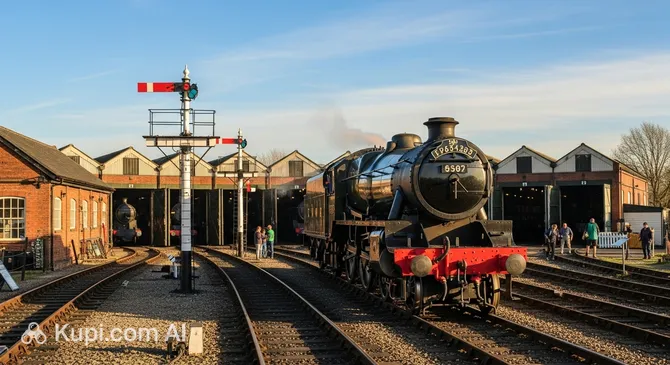
Didcot. Illustration.
Source: Kupi.com AI

Geographically, the town is located just 16 kilometers south of Oxford. Great Britain is known for its colorful provincial corners, and Didcot is a bright example of this. It is home to about 32,000 people, which gives the town an intimate atmosphere free from the hustle and bustle of megacities, while still boasting developed infrastructure and excellent transport links to London and other major centers.

Didcot's past played a special role in its development. Didcot's history is inextricably linked to the development of the railways, which turned it into a significant logistics center. Today, historic buildings reminiscent of its industrial heritage harmoniously coexist with modern residential areas and extensive green zones for walking.

Didcot is an excellent choice for those who want to feel the rhythm of real England. It is an ideal place to take a break from the noise of big cities, immerse yourself in the atmosphere of local hospitality, and learn more about the country's railway traditions.

Weather Overview

The climate in Didcot is temperate, with mild seasonal changes, making the town accessible for visiting year-round. Expect fairly warm summers and cool winters, accompanied by regular rainfall typical of this region.

The warmest months are July and August, when daytime temperatures rise to a comfortable 21–22°C, and nights remain fresh (around 13°C). In winter, especially in January, the air cools down, and the thermometer usually fluctuates between 2°C and 7°C. Severe frosts are rare here.

Precipitation falls fairly evenly: on average, there are 10 to 15 rainy days per month, with March often being the wettest period. To avoid any wardrobe mistakes, we recommend checking the detailed weather in Didcot ahead of your trip.

Average monthly temperature

Average monthly precipitation

Interesting Facts

Beyond its main attractions, Didcot holds many fascinating secrets that reveal its character from unexpected angles. Here are a few facts to help you get to know the town better:

  • A Railway Paradise. The town is famous for its unique Didcot Railway Centre, located right at the working station. This place allows you to plunge into the "golden age" of transport: here you can not only see a collection of vintage steam locomotives and restored depots but also ride an actual historic train.

  • Gateway to the West. Didcot played a key role in shaping Great Britain's railway network. Important mainlines connecting the capital with Wales and the western counties passed through it, earning the town the unofficial title of "Gateway to the West of England."

  • Living Traditions. Every year, the town transforms during themed festivals dedicated to railway history. During these days, the streets are filled with an atmosphere of retro and locomotive romance, while locals enthusiastically support the spirit of the past by organizing colorful events.

  • Cultural Legacy. Didcot has been the birthplace of several talented engineers, writers, and musicians. The town community carefully preserves the memory of its famous residents by organizing fairs and creative evenings that bring generations together.

How to Get There

When planning a trip to Oxfordshire, it is important to think about your route in advance. Thanks to its convenient location, the town is easy to reach from different parts of the country. You can find all the details and possible routes by following the link: more details on how to get to Didcot.

Didcot itself does not have its own airport, so travelers usually fly into one of London's aviation hubs. The most convenient option is Heathrow Airport (LHR) in London. It is the largest international airport and is located approximately 56.8 km from Didcot. A taxi or transfer will take about 1 hour and 40 minutes depending on traffic. Express trains or buses are also convenient options from there.

Another popular option is London Luton (LTN), located 67.4 km away. This airport is often chosen by those flying with budget airlines. You can also consider London Gatwick (LGW), located a bit further—89.7 km from the town. The journey from there will take longer, about 2-2.5 hours by car.

For convenience, here is a summary of the main airports:

AirportPassenger trafficDistance
Oxford Airport12 50026 km
Fairford (RAF Station)200 00039 km
Heathrow Airport83.9 mln57 km
London Luton Airport16.7 mln67 km
Southampton Airport900 00074 km

Rail connections in the region are excellent. Although Didcot is a major railway junction, many tourists also use larger stations in neighboring cities as transit points or for transfers to local lines.

The nearest major station is Oxford Railway Station, located in the city of Oxford, just 16.3 km from the center of Didcot. This is one of the key transport hubs in the region. You can get from there to your destination by taxi or local bus in about 30-40 minutes. Reading Station in the city of Reading (25.2 km from Didcot) also plays an important role, with high-speed trains from the capital passing through it.

Below is a table with information on the nearest major railway stations:

StationPassenger trafficDistance
Oxford Railway Station6.8 mln16 km
Reading railway station13.5 mln25 km
Swindon Railway Station2.8 mln38 km
Milton Keynes Central Station5.6 mln57 km
Watford Junction Station6.5 mln59 km

Main Attractions

Didcot may seem like a small town, but it offers travelers several truly interesting spots that reveal its rich history and modern culture. From industrial heritage to cozy green spaces, there is something here for everyone.

The absolute highlight of the tourist route is the Didcot Railway Centre. This unique open-air museum is located in a historic locomotive depot and preserves the spirit of the golden age of British railways. Visitors can see an impressive collection of restored Great Western Railway steam locomotives, vintage carriages, and engineering structures. On certain days, real steam trains are operated here, offering guests a nostalgic journey back in time that delights both children and adults alike.

Fans of modern culture should visit the Cornerstone Arts Centre. This stylish and contemporary space has become the heart of the town's social life. It regularly hosts theater productions, comedy shows, music concerts, and art exhibitions. The building attracts attention with its architecture, and inside there is a friendly atmosphere. It is a great place to get acquainted with local creativity or simply enjoy a coffee in the cozy cafe while watching the town life through panoramic windows.

For those seeking solitude with nature, the Mowbray Fields Local Nature Reserve is an excellent choice. This picturesque corner is located on the edge of residential areas and represents an oasis of wildlife. Walking trails lead through meadows where wildflowers, including rare orchids, bloom in spring. It is an ideal place for leisurely walks, birdwatching, and relaxing from the urban bustle surrounded by the natural landscapes of Oxfordshire.

Local Cuisine

Didcot's gastronomic scene will surprise travelers with its diversity and accessibility. Despite its status as a small town, an interesting dining culture has developed here, where old English traditions harmoniously coexist with modern international trends. This is a place where you can enjoy a delicious lunch in a historic pub or at a street food stall alike.

At the heart of the local menu are British classics that every guest must try. The staples are fish and chips—succulent fish in a crispy batter with potatoes—and hearty meat pies with thick gravy. On Sundays, many establishments serve a traditional roast beef with Yorkshire pudding, a dish perfect for a leisurely lunch with family or friends. Thanks to the town's cosmopolitan nature, you can also easily find excellent Indian curry or Turkish kebabs here.

Pubs remain the center of social life in Didcot. Establishments like The Wheatsheaf or The Bear of North Moreton offer not just food, but an atmosphere of genuine British comfort. It is customary to order a pint of local ale or traditional apple cider with your meal. Soft drink lovers will appreciate the afternoon tea culture with fresh pastries in small family cafes.

For those who prefer lively interaction and fresh produce, the town markets will be a real find. Here you can buy Oxfordshire farm cheeses, local honey, and homemade bread. Regular food festivals add a special charm to the town, where street food becomes an art form, and tourists can personally chat with local producers and chefs.

Travel Tips

Didcot is a welcoming town with convenient infrastructure, but as with any trip, there are nuances to consider. We have compiled a list of practical recommendations to help you plan the perfect trip, avoid minor inconveniences, and feel confident in any situation.

  1. Clothing and Climate. The weather in Oxfordshire is changeable, so the "onion" principle (layering) in clothing is the best solution. Even in summer, it's worth carrying a light waterproof jacket or umbrella. For walking around town and visiting the railway museum, choose comfortable, broken-in flat shoes. There is no specific dress code; casual style is appropriate everywhere.
  2. Transport. Didcot town center is compact and easy to explore on foot. For trips to neighboring villages or Oxford, it's best to use trains—the local station is a major hub with frequent services. Town buses are also reliable. It is only worth renting a car if you plan to explore remote parts of the countryside where public transport does not reach.
  3. Finances. The official currency is the pound sterling (£). In Didcot, as in the rest of Great Britain, bank cards and contactless payments (smartphones, watches) are accepted almost everywhere. Cash may only be useful for small expenses at the market or for tips. In restaurants, it is customary to leave about 10–12% of the bill, unless a service charge is automatically included.
  4. Health and Safety. The town is considered quiet and safe for tourists, but do not leave belongings unattended at the station. Pharmacies (such as the Boots chain) are easy to find in the center and large shopping areas; you can get advice from a pharmacist for minor ailments. The emergency number for all services is 999.
  5. Connectivity and Electronics. Don't forget to bring a Type G power adapter (with three rectangular pins), as European plugs do not fit here. Free Wi-Fi is available in many cafes, trains, and hotels. If you need mobile data, a local operator's SIM card can be bought at any supermarket without extra formalities.
  6. Local Etiquette. The British highly value politeness and personal space. Queuing (at a bus stop, in a shop) is an unwritten law, and jumping the queue will cause strong disapproval. The words "please" and "sorry" should be used as often as possible, even in minor situations.
  7. What to Avoid. Never block the path on escalators or train doors—always stand on the right, letting people in a hurry pass on the left, and let passengers get off before entering the carriage. It is also considered impolite to talk loudly on the phone on public transport.
  8. Shop Opening Hours. Keep in mind that on Sundays, most shops and supermarkets close very early, usually at 16:00. Plan your purchases in advance so you aren't left without essentials on a Sunday evening.

We hope these tips make your stay in Didcot easy and worry-free. Enjoy the atmosphere of the English provinces, discover the history of the railways, and savor every moment of your journey!

Entertainment & Nightlife

The nightlife in Didcot is characterized by a calm and measured pace, which is typical for small English towns. You won't find noisy nightclubs with world-class DJs or neon red-light districts here. Evening leisure in the town is focused on cozy socializing, gastronomic pleasures, and cultural events. It is an ideal place for those who prefer to end the day with a pint of ale in good company or a trip to the cinema rather than dancing until dawn.

The center of evening activity is the modern Orchard Centre shopping and entertainment quarter. This is where life stays active the longest. Popular chain restaurants and cafes that are open late are concentrated in this area. The atmosphere here is relaxed and friendly: the crowd is diverse, ranging from families with children to groups of young people. There is no dress code in most establishments; casual style is appropriate everywhere.

For film lovers, the main attraction is the Cineworld Didcot multiplex. This is a great option for evening relaxation: it shows the latest global premieres, and the comfortable halls allow you to unwind after a busy day. The cinema is conveniently located within walking distance of the main shopping rows, allowing you to combine a movie with dinner at a neighboring restaurant.

Those looking for more traditional British flavor should check out the local pubs. One popular establishment is The Station Garden. Located near the railway station, this pub offers an excellent selection of drinks and a classic menu. In the evenings, locals and tourists gather here to discuss the news and watch sports broadcasts. Prices in Didcot's establishments are moderate compared to London or Oxford: a pint of beer costs an average of £4–5.

The cultural component of evening life is provided by the Cornerstone Arts Centre. Although it operates during the day, it often hosts stand-up comedy shows, live music concerts, and theater productions in the evening. The center also has a bar with a relaxed atmosphere where you can have coffee or wine before a performance. This place attracts the creative intelligentsia and art lovers.

If you're looking for real clubbing and dancing until morning, Didcot is a convenient starting point. Thanks to excellent rail links, you can reach neighboring Oxford in just 15–20 minutes, where the choice of nightclubs and bars is vast. The last trains return quite late, but we recommend checking the schedule in advance or having the numbers of local taxi services handy for your return.

From a safety perspective, Didcot is a very quiet town. Evening walks along the lit central streets and the Orchard Centre area are generally safe. However, as with everywhere, it's worth exercising reasonable caution and avoiding unlit outskirts late at night.

During the day, the town offers an equally interesting program. In addition to the already mentioned railway heritage, tourists can visit local parks for picnics or go shopping. Theater performances and exhibitions at the arts center are also available during the day, offering plenty of leisure options for the whole family.

Parks & Museums

Didcot offers travelers a harmonious blend of industrial heritage and picturesque natural spots. Despite its reputation as a transport hub, the town and its surroundings are rich in green spaces where you can relax from the bustle, while local museums allow for a deep dive into the technical history and modern art of the region.

Among the green zones, Ladygrove Lakes are particularly popular. This picturesque park, located in the northern part of the town, is ideal for family holidays. There are convenient walking paths, picnic areas, and children's playgrounds. Those who prefer quiet leisure can go fishing or simply watch the waterfowl living on the lakes.

For those who prefer active outdoor recreation, Edmonds Park is an excellent choice. This is the town's largest recreational area, featuring sports fields, tennis courts, and spacious lawns. The park serves as the main venue for town festivals and open-air events, making it the true heart of Didcot's community life.

The Didcot Railway Centre remains the town's cultural landmark and main historical attraction. It is not just a museum, but a living monument to engineering, occupying the site of an old locomotive depot. The exhibition includes a unique collection of steam locomotives, carriages, and railway equipment from the Great Western Railway. Tourists can explore original 1930s buildings, including the coal stage and turntable, which remain in working condition.

Contemporary culture is represented by the Cornerstone Arts Centre. Within its walls is an art gallery that regularly hosts exhibitions by local and guest artists. This space combines visual art, theater, and music, offering visitors a contemporary perspective on Oxfordshire's cultural life. The building itself is interesting for its modern architecture, which contrasts with traditional buildings.

History buffs should look toward the older part of town—Old Didcot—where historic cottages and All Saints' Church, dating back to the 12th century, have been preserved. This area allows you to see what the settlement was like before the arrival of the railway and enjoy the atmosphere of a traditional English village.

Insider Tip: If you have some time, be sure to visit Wittenham Clumps, located just a few kilometers from town. From their summits, breathtaking panoramic views of the Thames Valley and Didcot's surroundings open up. This place, steeped in legend and Bronze Age history, is the perfect spot to watch the sunset away from urban developments.

Getting Around

Didcot's transport system is compact and convenient, fully matching its status as a small but strategically important town. There is no subway, tram, or trolleybus system, as the size of the town allows for easy movement on foot or by ground transport. The core of urban mobility is buses and rail links connecting the town with the region's major centers.

The main transport hub is Didcot Parkway railway station. For a tourist, this is a key point: not only do trains to London and Oxford depart from here, but also most local bus routes. The station is located in close proximity to the town center, so upon arriving by train, you immediately find yourself in the heart of the action.

The bus network in Didcot is well-developed and primarily operated by Thames Travel. Modern buses run through the town's residential areas (such as the Great Western Park district) and connect it to nearby science centers like the Harwell Campus and the town of Abingdon. Most buses are equipped with free Wi-Fi and USB charging points, making the journey comfortable.

The fare payment system is simplified for visitors. You don't need to look for kiosks or buy paper tickets in advance. Contactless bank cards (Visa, Mastercard) and smartphone payments (Apple Pay, Google Pay) are accepted on all buses. You simply tap your card on the driver's terminal upon boarding. If you plan several trips in a day, it's beneficial to buy a Day Ticket directly from the driver.

For train travel, tickets must be purchased in advance from station machines, ticket offices, or through mobile apps (such as GWR or Trainline). Didcot Parkway station has ticket barriers, so keep your ticket until the end of your journey—you'll need it to exit into the town.

Taxis in Didcot are a popular alternative to public transport, especially if you are traveling with luggage. The official taxi rank (black cabs and licensed vehicles) is located right outside the railway station exit. There are also local taxi services that can be called by phone or through their own apps. Popular aggregators like Uber may operate with interruptions or longer wait times, so it's more reliable to count on local carriers.

Given Oxfordshire's flat landscape, bicycles are very popular in the town. Didcot is part of the Science Vale Cycle Network. If you want to feel like a local, you can rent a bike and reach nearby attractions or simply ride through the picturesque surroundings. Cycle parking is available at the station, shopping centers, and major public buildings.

An important tip for tourists: when planning trips on Sundays or bank holidays, be sure to check the schedule in advance. Bus frequency on these days is noticeably lower, and some routes may finish earlier than usual. Current information can always be found on the carrier's website or in Google Maps.

Accommodation

The choice of accommodation in Didcot and its surroundings is primarily focused on practicality and convenience, combining the functionality of a transport hub with the coziness of the English countryside. You won't find huge five-star resorts here, but the town offers a decent selection of mid-range hotels, chain hotels, and traditional family-run bed and breakfasts (B&Bs), which are perfect for both a short stopover and as a base for exploring Oxfordshire.

In terms of location, the most convenient area for tourists is the town center, especially the streets adjacent to Didcot Parkway railway station. Staying here saves time on logistics, as trains to Oxford or London are within walking distance. This is an ideal option for those traveling without a car and planning active trips around the region.

If you're looking for a more authentic atmosphere, it's worth considering the surrounding villages, such as Sutton Courtenay or Long Wittenham. In these places, rooms are often rented out in historic pubs or converted farmhouses. This is an opportunity to live in peace and quiet, enjoying views of the Thames and a traditional English breakfast, though a car or readiness to use local buses is recommended for such locations.

The price range in Didcot can be described as moderate. The cost per night is generally lower here than in neighboring tourist Oxford. Most offers fall into the budget and mid-range segments. Booking is done through popular international online platforms, but small guesthouses often welcome direct booking through their own websites, which can sometimes result in a small discount or more flexible check-in terms.

Booking Tip: Keep in mind that Didcot is located near major business and science centers, such as Milton Park and the Harwell Campus. Because of this, hotels are often full of business travelers on weekdays. If your trip falls on a work week, it is highly recommended to book your accommodation in advance. The situation is usually more open on weekends, and prices may be slightly lower.

Nearby Cities

For those who want to explore the surrounding area, Didcot serves as an excellent starting point for day trips to several interesting nearby locations. Thanks to its central location in Oxfordshire, the town provides easy access to the region's iconic historical and cultural centers in just a few minutes.

The absolute leader for a short trip is Oxford. This world-famous city of "dreaming spires" is very close by. Tourists come here to soak up the academic atmosphere of the oldest university, visit the famous Bodleian Library, and wander through filming locations from the Harry Potter movies. It is an ideal choice for architecture and history lovers.

Abingdon offers a completely different atmosphere—a picturesque market town located on the banks of the Thames. It claims to be the oldest continuously inhabited town in England. It is worth coming here for quiet walks along the river, feeding the swans, and seeing the magnificent old town hall building, which is considered a masterpiece of 17th-century architecture.

For those seeking a combination of history and modern shopping, Reading is a perfect fit. It is a large and dynamic city where the ruins of an ancient abbey, where King Henry I was buried, stand alongside huge shopping centers and lively promenades of the Kennet and Avon Canal. Life is always bustling here, with many cultural events taking place.

CityPopulationDistance
Abingdon33 1308 km
Wallingford11 6008 km
Benson7 50010 km
Wantage13 10613 km
Appleton10 26514 km

These nearby destinations offer a glimpse into the diverse culture and landscapes of the region, making your stay in Didcot even more enriching and exciting.

Shopping & Souvenirs

Shopping in Didcot is primarily about convenience and functionality. The town doesn't strive to compete with London's luxury boutiques or Oxford's historical passages, yet it offers travelers excellent infrastructure for comfortable purchases. Here you will find a harmonious combination of popular chain brands and small local shops where you can buy everything you need without the bustle and queues common in large megacities.

The heart of the town's commercial life is The Broadway area. This is the traditional high street, where life is busy from early morning. Strolling here, tourists can browse independent shops, charity shops—where you can often find vintage gems—as well as bank branches and cozy bakeries. This area retains the atmosphere of an old town and is perfect for a leisurely promenade.

The main magnet for shopping lovers is the modern Orchard Centre. It's not just a mall, but a spacious open-air complex that was recently expanded and modernized. British retail flagships are concentrated here: clothing department stores, beauty shops, electronics, and home goods. The space is very conveniently organized, with wide pedestrian zones and benches for resting, making it a popular meeting spot for locals.

If you're interested in getting a taste of local life, look out for street trading. Fairs are periodically held in the town center where you can find products from farmers around Oxfordshire. Although Didcot isn't famous for huge permanent markets, the opportunity to buy fresh pastries, seasonal vegetables, or homemade jams right from the stall adds provincial charm to the town.

In terms of souvenirs, Didcot is unique due to its industrial heritage. The best gifts from here are items related to the railway. The souvenir shop at the Railway Centre features collectible train models, themed books, retro posters, and even branded driver's apparel. It's also worth looking for gastronomic souvenirs: local ale brewed in the county or traditional English tea in beautiful tins sold in major supermarkets.

Shops in the town operate on a standard British schedule. Most retail outlets are open from 09:00 to 17:30 or 18:00, Monday through Saturday. Sunday is a "short day," with major shops opening around 10:00 or 11:00 and closing as early as 16:00. Payment is simplified: almost everywhere, from supermarkets to small kiosks, bank cards and contactless payments are accepted. Cash might only be needed for very small purchases at a fair.

It is important to know that Great Britain has changed its tax-free shopping rules. Since 2021, the Tax-Free program (VAT refund upon departure) for tourists has been abolished for most goods bought in shops. Now, tax can only be refunded if the seller sends the goods directly to your home address abroad, which is uncommon. Therefore, you shouldn't count on a refund at the airport for clothes or electronics purchases.

Reached the end of the page?

That means the route is fully explored