Support

Dover

About

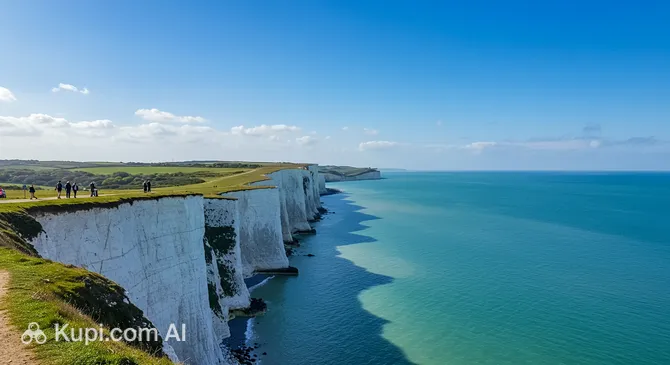
Dover is more than just a city; it is a true guardian of the British coast, picturesquely situated in East Kent at the point where Great Britain meets continental Europe across the narrow Strait of Dover. Its famous white chalk cliffs, rising majestically above the water, have become not only the city's hallmark but one of the most recognizable symbols of the entire country, welcoming travelers since ancient times.
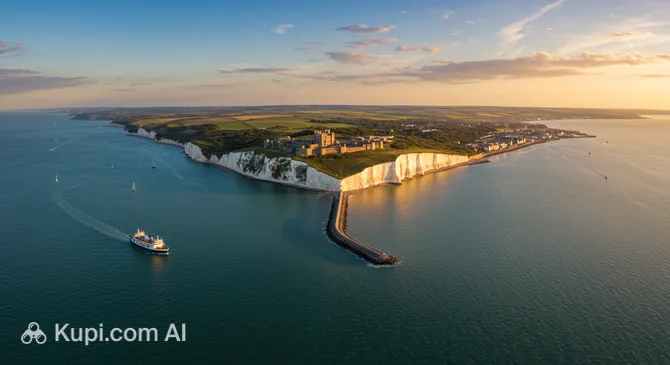
Dover. Illustration.
Source: Kupi.com AI

With a population of around 31,000, Dover maintains the atmosphere of a cozy English town while playing the role of a vital seaport and transport hub. The city enjoys a mild maritime climate characteristic of the southeast coast of England. Due to its strategic position, Dover has witnessed many historic events over the centuries.

The main attractions drawing tourists here are, undoubtedly, the legendary White Cliffs of Dover, offering breathtaking panoramic views and magnificent walking trails. Equally significant is the monumental Dover Castle – one of the largest and best-preserved medieval castles in England, with a history spanning over nine centuries. Exploring its mighty walls, towers, and secret wartime tunnels from the Second World War leaves a lasting impression. The city is also famous for its rich maritime history, which can be explored in local museums.

Dover is a place where history meets stunning nature, creating a unique atmosphere. If you want to feel the spirit of old England, enjoy seascapes, and touch centuries-old mysteries, be sure to include Dover in your itinerary across Great Britain.

You can find more interesting facts on the history of Dover page.
Weather Overview

The weather in Dover is characterized by a mild maritime climate. In summer, it is usually warm, with average temperatures in July and August around 18°C (maximum values can reach 21.2°C). Winters are cool, with the average January temperature around 5.7°C, while minimum temperatures drop to 3.8°C. Precipitation of about 2-3 mm falls almost every month, while the number of rainy days varies from 10 in summer to 15 in winter.

Expect warm summers with occasional rain and cool, damp winters. For a more detailed study of weather conditions and trip planning, we recommend visiting the Dover Climate page.

Average monthly temperature

Average monthly precipitation

Interesting Facts

Beyond its famous white cliffs and majestic castle, Dover hides many surprising stories and little-known details that reveal this ancient port city in a new light.

Dover Castle. Illustration.
Source: Kupi.com AI

Traveler photos:

  • On the grounds of the majestic Dover Castle stands one of the oldest surviving buildings in Great Britain and one of only three surviving Roman lighthouses in the world – the Pharos. It was built in the 1st century AD and still stands in its original location.

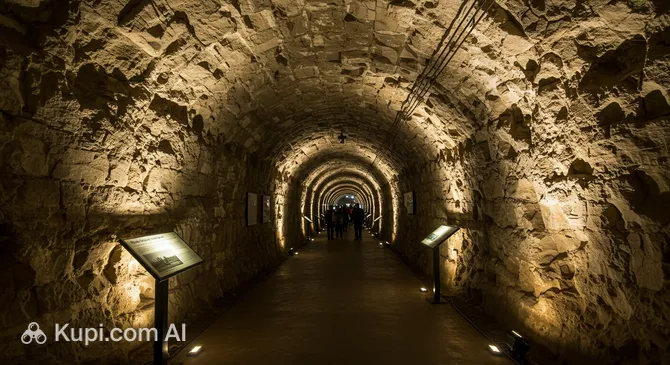
  • Beneath Dover Castle and its surroundings lies an entire network of secret wartime tunnels. These underground passages were used for centuries, but they played a particularly vital role during World War II, specifically in planning Operation Dynamo to evacuate troops from Dunkirk.

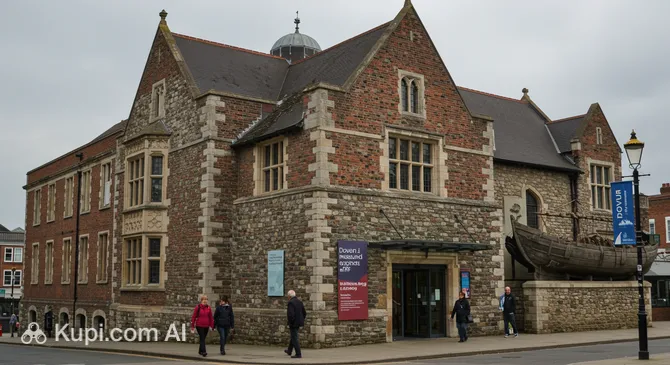
  • In the Dover Museum and Bronze Age Boat Gallery, you can see a truly unique exhibit – the oldest known seagoing boat in the world. Discovered in 1992, this boat dates back to approximately 1550 BC, providing evidence of advanced seafaring in this region as early as the Bronze Age.

  • Dover is the legendary starting point for swimmers aiming to cross the English Channel. The first documented successful swim was made by Captain Matthew Webb in 1875, covering the distance in 21 hours and 45 minutes, and since then Dover has attracted daredevils from all over the world.

How to Get There

Dover is the country's main maritime gateway, and you can get here in various ways: from a ferry across the Channel to high-speed trains and cars. Thanks to its strategic location, the city is perfectly integrated into the region's transport network. You can find all the ways to get to the city on a separate page, and below we will look at the main routes via the nearest air hubs and railway stations.

Dover itself does not have a civilian airport, so travelers usually fly into London's aviation hubs. One of the most convenient options is London Gatwick Airport (IATA: LGW), located about 104 km from Dover. This is a major international hub receiving flights from all over the world. The journey from there by car or train usually takes about 1.5–2 hours. Another popular option is Stansted (STN), located at a distance of about 113 km. The journey from there to Dover will take about 2 hours.

For clarity, here is a summary of the main airports within accessible range:

AirportPassenger trafficDistance
London Southend Airport172 06865 km
London City Airport3.6 mln97 km
London Gatwick Airport43.2 mln104 km
Ostend-Bruges International Airport386 387109 km
Stansted Airport29.8 mln113 km

Railway connections in the region are excellently developed. An important interchange station is Ashford International, located about 31 km from Dover. From there, you can reach the city centre by local train or taxi in less than an hour. Travelers also frequently use Ebbsfleet International station (about 78 km from Dover) or London stations, from which high-speed trains depart toward the coast.

Below is information about major railway stations in the vicinity:

StationPassenger trafficDistance
Ashford International Railway Station3.5 mln31 km
Calais-Fréthun Railway Station43 km
Ebbsfleet International Station1.7 mln78 km
Stratford International Station56.6 mln103 km
Liverpool Street Station94.5 mln106 km

Main Attractions

Dover, a port city in southeast England, is famous for its rich history and impressive landmarks that attract tourists from all over the world. Everyone will find something of interest here, from ancient castles to unique natural sites.

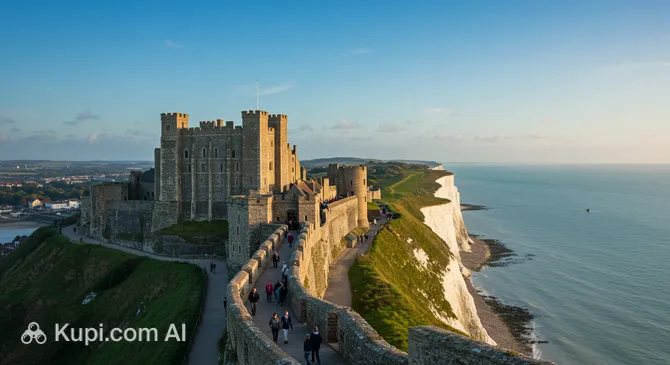
One of the city's main gems is undoubtedly the majestic Dover Castle. This is one of the largest castles in England, with a history dating back more than 900 years. Visitors can explore its medieval interiors, the secret wartime tunnels from World War II, and enjoy panoramic views of the English Channel. The castle played a key role in England's defense for centuries, making it particularly interesting for history buffs.

Dover Castle. Illustration.
Source: Kupi.com AI

Traveler photos:

It is impossible to imagine Dover without its famous White Cliffs. These chalk cliffs rising above the strait have become a true symbol of England. A walk along the cliffs offers breathtaking landscapes and allows you to feel the full power of nature. It is an ideal spot for hiking and photography, especially at sunset or sunrise.

White Cliffs of Dover. Illustration.
Source: Kupi.com AI

Traveler photos:

For those interested in military history, a visit to the Secret Wartime Tunnels located beneath Dover Castle is a must. These tunnels were used as a command center and hospital during the Second World War. Tours through them allow you to immerse yourself in the atmosphere of those times and learn about the heroic pages of Dover's history.

Secret Wartime Tunnels. Illustration.
Source: Kupi.com AI

Traveler photos:

You can get acquainted with the region's more ancient history at the Dover Museum and Bronze Age Boat Gallery. The museum's main exhibit is a well-preserved Bronze Age boat, estimated to be around 3,500 years old. Additionally, the museum features displays telling the story of Dover from Roman times to the present day.

Dover Museum and Bronze Age Boat Gallery. Illustration.
Source: Kupi.com AI

Traveler photos:

Also worth noting are the South Foreland Lighthouse, the first lighthouse in the world to use electric light, and the picturesque Kearsney Abbey Gardens, offering peaceful relaxation in nature. For fans of fortifications, the Dover Western Heights — an impressive complex of 19th-century fortifications — will be of interest.

Local Cuisine

The gastronomy of Dover is a true reflection of its coastal location and rich maritime history. Travelers can expect to encounter authentic British cuisine, where the freshest seafood and high-quality local products take center stage. The city's gastronomic scene offers both traditional dishes and modern interpretations that can surprise even the most discerning gourmet.

The star of the local cuisine is undoubtedly the famous Dover sole. This delicacy, known far beyond Great Britain, is served in many Dover restaurants, prepared in various ways: classically pan-fried in butter, baked with aromatic herbs, or served with an exquisite sauce. Besides sole, it's definitely worth trying other fresh seafood – oysters, mussels, and crabs, which are particularly good during seasonal fish festivals and fairs.

No introduction to British cuisine would be complete without the classic fish & chips. In Dover, this hearty and simple dish can be found in numerous pubs and specialized chippies. It is made from freshly caught fish in a crispy batter, served with golden chips and, if desired, mushy peas. Hearty fish pies and traditional meat dishes prepared using vegetables from the fertile county of Kent are also popular.

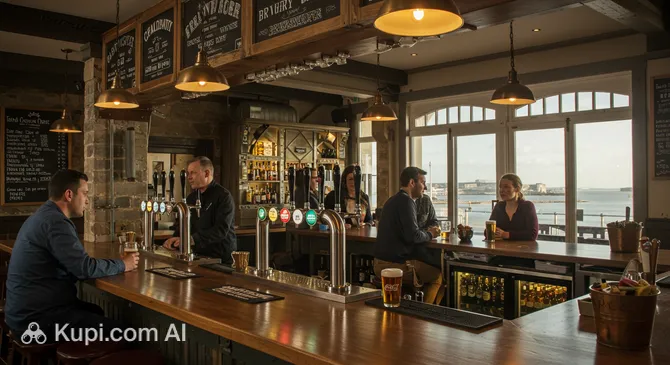
As for drinks, Dover will delight connoisseurs of traditional English ale. Local pubs offer a wide range of varieties, including craft beer from local producers. For example, a visit to the Breakwater Brewery allows you to appreciate the taste of real Kentish beer. Furthermore, it's worth trying local ciders, which are also the pride of the region. For non-alcoholic relaxation, there is always a cup of aromatic English tea, perfectly complemented by traditional scones with clotted cream and jam or other pastries.

Breakwater Brewery. Illustration.
Source: Kupi.com AI

Traveler photos:

The dining culture in Dover is quite diverse and conducive to a pleasant time. Locals and tourists alike enjoy dining in restaurants overlooking the sea where the freshest seafood is served. Cozy pubs are not just a place for a pint of ale, but also a center of social life, offering not only drinks but also hearty lunches in an informal setting. For those who want to dive deeper into local flavor, it's worth visiting farmers' markets where you can buy fresh produce, homemade jams, regional cheeses, and fresh pastries. Atmospheric tea rooms invite you to enjoy traditional afternoon tea in a truly English style.

Gastronomic Dover is a wonderful opportunity to enjoy fresh seafood and classic British dishes in a charming coastal atmosphere. It is an experience that combines delicious food, quality local drinks, and the hospitality of an ancient port city, leaving the warmest memories of the trip.

Travel Tips

Welcome to Dover! This charming port city with a rich history awaits you. To ensure your journey goes smoothly and leaves only pleasant impressions, we have prepared some practical tips.

  1. Clothing and Essentials for the Weather: The climate in Dover is maritime and quite changeable; it's often windy, especially by the famous White Cliffs. We recommend dressing in layers. In summer, light clothes will be useful, but be sure to bring a windbreaker or a raincoat. In winter, you'll need warm, waterproof clothing. Comfortable shoes are your best friend for walking around the city, the castle, and along the coast. Don't forget an adapter for British sockets (Type G). No specific dress code is required for visiting Dover Castle or churches, but a neat appearance is appropriate.
  2. Getting Around the City: Dover is a compact city, and many parts of it can be explored on foot. The main form of public transport is the Stagecoach bus service. Dover Priory railway station connects the city with London and other cities in Great Britain. Taxis are available and can be ordered by phone or found at ranks. Renting a car can be useful if you plan to explore the county of Kent, but for getting around Dover itself, it's not essential; plus, parking can be limited and paid.
  3. Financial Matters: The local currency is Pound Sterling (GBP, £). You can exchange currency at banks or exchange offices, but it is often more profitable to withdraw cash from ATMs, which are easy to find. Credit and debit cards (Visa, Mastercard) are accepted in most shops, restaurants, and hotels. Check with your bank about terms for using cards abroad and possible fees. An estimated daily budget excluding accommodation is from £50 to £100. In restaurants, it's customary to leave a tip of 10-15% if a service charge is not included in the bill. In pubs, tipping is not mandatory, but you can round up the amount when paying for drinks or a taxi ride.
  4. Health and Safety: Pharmacies (e.g., Boots, LloydsPharmacy) can be found in the city centre; check their opening hours, as not all work 24/7. In emergencies, call 999. It is highly recommended to have travel medical insurance. Dover is considered a safe city. Follow usual precautions: keep an eye on your belongings, especially in crowded places, and avoid poorly lit or deserted areas late at night.
  5. Language and Connectivity: The official language is English. Most locals speak only English. Basic polite phrases like "Hello", "Please", "Thank you", and "Excuse me" will always be appreciated. A local SIM card for mobile data and calls can be purchased at supermarkets or mobile shops (e.g., EE, Vodafone, O2, Three). Wi-Fi is available in many cafes, pubs, and hotels, often for free.
  6. Local Etiquette: Britons value politeness and restraint. Greet people with "Hello" or "Good morning/afternoon". A very important part of the culture is "queuing" – always join the end of the line and wait your turn. Don't forget to say "please" and "thank you". Loud conversations in public places are generally discouraged.
  7. What to Avoid: One of the main rules in Great Britain is never to jump a queue. This is considered extremely rude and may provoke a negative reaction. Also, try to avoid over-familiarity with strangers and don't ask too personal questions when first meeting someone.
  8. Special Tip for Dover: The weather at the White Cliffs can change very quickly. Even if the morning is sunny, take a windproof jacket or a light raincoat with you. Also, given that Dover is a major ferry port, if you're planning a day trip to France, check the ferry schedule in advance and book tickets, especially during peak season.

We hope these tips help you better prepare for your trip and enjoy every moment of your stay in historic Dover. Have a great journey!

Entertainment & Nightlife

Dover, being a historical port city, offers its guests a cozy and rather traditional evening atmosphere rather than the vibrant club life of major metropolises. Nevertheless, you can find pleasant places to relax after a busy day, especially if you appreciate classic British pubs and quiet dinners.

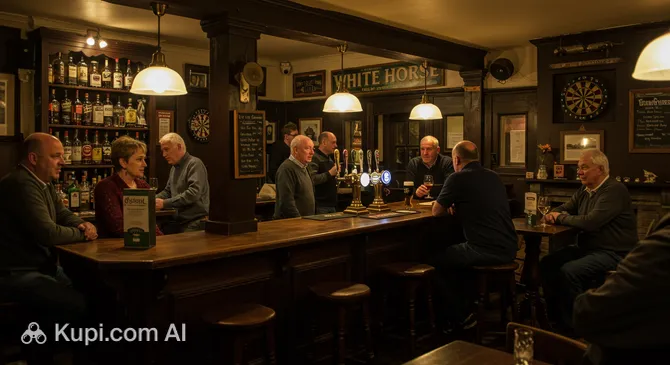
The main evening life in Dover is concentrated around traditional English pubs, bars, and restaurants, located mainly in the city centre and the waterfront area. Here you can enjoy local ale, wine, or cocktails in a friendly setting. Popular establishments include the White Horse pub, known for its classic atmosphere, and the Breakwater Brewery, where you can sample craft beer. For dinner, consider restaurants like The Chef de Mumbai, offering Indian cuisine, or Aspendos for Turkish dishes. Some venues in the St James Retail and Leisure Park area may also stay open late, offering food, drinks, and sometimes entertainment like the cinema.

The White Horse. Illustration.
Source: Kupi.com AI

Traveler photos:

The atmosphere in most Dover establishments is quite relaxed and informal. The dress code is usually smart casual, unless it is a special event. Pubs and bars generally stay open until 23:00 or midnight, especially on weekends. The crowd is a mix of locals and tourists. While Dover is not famous for large nightclubs with dancing until dawn, some pubs may host music nights or themed events on weekends, creating a lively atmosphere.

Regarding practical tips, it is best to stick to the central streets for evening outings. The most convenient way to move around the city at night is by taxi; they can be called by phone or found at designated ranks. Check payment methods in advance, as not all taxis may accept cards. Average prices for drinks and food are comparable to other small towns in Great Britain. Dover is generally considered a safe city, but at night, as anywhere else, it is recommended to stick to well-lit and busy streets, especially if walking alone.

During the day, Dover also offers plenty of interesting activities. You can visit the famous Dover Castle, explore the Secret Wartime Tunnels from WWII, or take a walk along the picturesque White Cliffs of Dover for breathtaking views. For history lovers, the Dover Museum and Bronze Age Boat Gallery or the Dover Transport Museum are open. For outdoor relaxation, Kearsney Abbey Gardens or Connaught Park are perfect choices.

Parks & Museums

Dover is not just a famous port, but a city offering its guests both picturesque natural spots for relaxation and fascinating museums that preserve its rich history. Everyone will find something to their liking here, whether it's a walk along the chalk cliffs or a dive into the past through unique exhibits.

One of the main natural attractions is, of course, the famous White Cliffs of Dover. These majestic chalk cliffs rising above the English Channel offer breathtaking panoramic views and are a symbol of the city. Walking the trails along the cliffs is an unforgettable experience for nature and photography enthusiasts.

White Cliffs of Dover. Illustration.
Source: Kupi.com AI

Traveler photos:

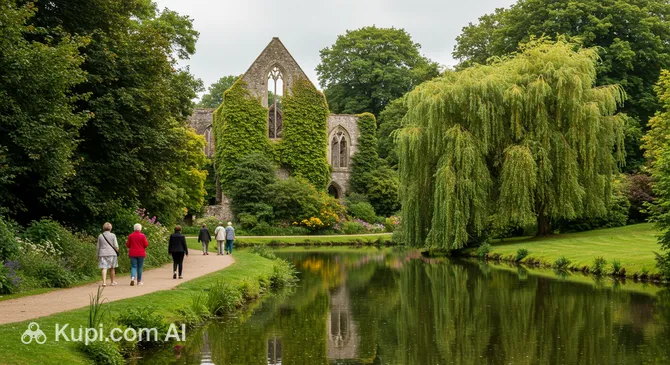
For a more peaceful retreat, the Kearsney Abbey Gardens are perfect. This picturesque park with ponds, manicured lawns, and ancient trees is an ideal spot for a picnic or a leisurely stroll. Here you can enjoy the silence and beauty of nature, taking a break from the city bustle.

Kearsney Abbey Gardens. Illustration.
Source: Kupi.com AI

Traveler photos:

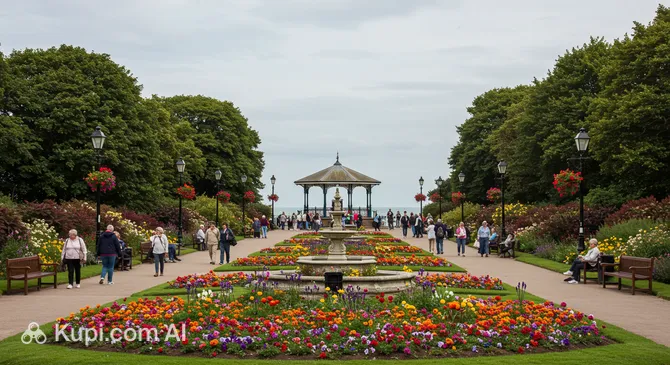
Another popular green space is Connaught Park. This traditional Victorian park offers playgrounds for children, tennis courts, and cozy benches for relaxation. It is a favorite spot for both locals and tourists.

Connaught Park. Illustration.
Source: Kupi.com AI

Traveler photos:

You can learn about the city's history at the Dover Museum and Bronze Age Boat Gallery. Here, archaeological finds telling the story of Dover's past since prehistoric times are collected. The museum's main treasure is a well-preserved Bronze Age boat, one of the oldest in the world.

Dover Museum and Bronze Age Boat Gallery. Illustration.
Source: Kupi.com AI

Traveler photos:

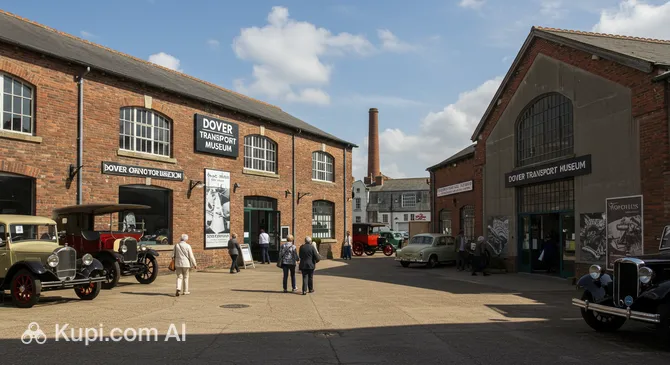
Technology fans will find the Dover Transport Museum interesting. Its collection includes vintage cars, buses, motorcycles, and other vehicles reflecting the development of the region's transport system. The museum's exposition allows you to trace how the face of transport has changed over the decades.

Dover Transport Museum. Illustration.
Source: Kupi.com AI

Traveler photos:

Speaking of Dover, it is impossible not to mention the majestic Dover Castle, which towers over the city and the strait. Although it is not a park or a museum in the purest sense, its grounds and exhibits are an integral part of Dover's cultural heritage. Here you can explore medieval towers, secret wartime tunnels, and learn about the multi-century history of this strategically important structure. For military history enthusiasts, the Dover Western Heights — a complex of 19th-century defensive fortifications — will also be of interest.

Dover Castle. Illustration.
Source: Kupi.com AI

Traveler photos:

For those looking for lesser-known but equally impressive places, look out for the Samphire Hoe nature reserve, created at the foot of the White Cliffs. It is a great place for bird watching and enjoying wildlife. Also, a walk along the historic Admiralty Pier will open up new views of the harbor and coastline.

Getting Around

Moving around Dover is quite convenient thanks to a well-developed public transport system, primarily consisting of buses. The city and its surroundings are served by several bus routes that connect the centre with residential areas, main attractions, and important transport hubs like the port and the railway station. There is no metro or tram system in Dover, which is typical for cities of this size in the UK.

The fare payment system for Dover buses is quite flexible. Tickets can be purchased directly from the driver when boarding, usually with cash or using a contactless bank card. For those planning to travel frequently, more cost-effective options exist, such as day rider or weekly passes, which allow for unlimited travel within their validity period. It is best to check information on fares and ticket types on the websites of local bus operators, such as Stagecoach, which is one of the main carriers in the region.

Tourists are recommended to check bus schedules in advance, especially if planning trips in the evening or on weekends when intervals between buses may increase. Timetables are usually available at bus stops and on the transport companies' websites. When entering a bus, it is customary to show your ticket to the driver or tap your pass/card on the validator if one is available. Most buses announce stops, but it wouldn't hurt to follow the route on a map or ask the driver to let you know when you reach your stop.

In addition to buses, other ways to get around are available in Dover. Taxi services are a convenient option for door-to-door trips, especially with luggage or late at night. They can be called by phone, through mobile apps, or found at designated ranks. Given the compact size of Dover's central part, many distances can be covered on foot, enjoying a stroll. To explore the coastal zones or picturesque surroundings, you might consider renting a bike if such a service is available.

A specific feature of Dover's transport system is its focus on serving the large passenger port, one of the busiest in Europe. Bus routes provide convenient links between the port, the city centre, and Dover Priory railway station, from where trains depart for London and other cities in Great Britain. This makes public transport an important link for travelers arriving or departing by ferry.

Accommodation

In Dover, travelers will find a wide range of accommodation options suitable for any budget and preference. The city offers everything from cozy guest houses (B&Bs) and budget hostels to comfortable mid-range hotels and apartments for those who value independence and home comfort during their trip.

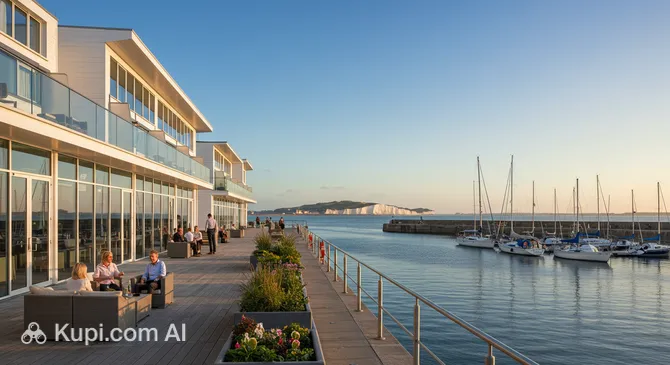
For convenience, many tourists prefer to stay in areas close to the main attractions, such as the famous Dover Castle or the impressive White Cliffs of Dover. Accommodation options near the seaport and the city centre are also popular, as they provide easy access to shops, restaurants, and transport hubs. Some hotels offer beautiful views of the English Channel.

Dover Marina Hotel & Spa. Illustration.
Source: Kupi.com AI

Traveler photos:

Among the accommodation options in Dover, one can highlight, for example, the Best Western Plus Dover Marina Hotel & Spa, which offers comfortable rooms and additional leisure services. In general, the city features both chain hotels and independent establishments with a unique character.

The price range for housing in Dover varies from affordable options to higher-end offers. To guarantee the best choice and prices, especially during the peak tourist season (usually the summer months), it is recommended to book your stay in advance. The most common booking methods are popular online platforms and travel aggregators, as well as direct booking through hotel websites.

Nearby Cities

For those who wish to explore the surroundings, Dover serves as an excellent starting point for day trips to several interesting nearby locations. These short journeys will allow you to get to know the county of Kent and its diverse attractions more deeply.

Among the most attractive destinations for a one-day visit are:

Canterbury, located just 24 km from Dover, is a true historical gem. This city is world-famous for its magnificent Canterbury Cathedral, a UNESCO World Heritage site. Stroll through its charming medieval streets, soak up the ancient atmosphere, and visit other historical sites that have attracted pilgrims and curious tourists for centuries.

Folkestone, the nearest large town to Dover (only about 11 km away), offers a pleasant seaside escape. Here you can enjoy walks along the picturesque Leas promenade with views of the Channel, explore the vibrant Creative Quarter near the old harbor, or simply relax on the beach. Folkestone is also known for its Leas Lift funicular (though its operation may be seasonal).

Margate, located about 30 km away, is a classic British seaside resort undergoing a period of revival. It attracts visitors with its sandy beaches, the famous Turner Contemporary art gallery — situated on the site where artist J.M.W. Turner once lived and worked — and the retro Dreamland amusement park. It is a great place for families and art lovers alike.

Below is a table with some nearby cities that may be of interest for a visit:

CityPopulationDistance
Folkestone51 33711 km
Deal30 91712 km
Hythe20 52617 km
Minster45 00023 km
Canterbury54 88024 km

These nearby destinations provide a more complete picture of the diverse culture, history, and landscapes of the Kent region, offering something interesting for every traveler based in Dover.

Shopping & Souvenirs

Dover offers tourists a variety of shopping opportunities, combining well-known British retail chains with independent boutiques and souvenir shops. While the city is not a primary destination for fashion shopping, you can find everything you need here, as well as interesting local goods and memorable gifts.

The main shopping spots are concentrated in the city centre, particularly on Biggin Street and Market Square, where you'll find clothing and shoe stores alongside bookshops, jewellers, and hardware stores. The atmosphere here is lively, especially on market days. Strolling through these streets allows you to immerse yourself in the city's daily life and find something to your liking.

For a more modern shopping experience, visit the St James Retail and Leisure Park. This complex offers a wide selection of famous brand stores, as well as restaurants and a cinema, making it a popular place for shopping and leisure for both locals and tourists. Here you can find clothing, electronics, homeware, and more.

St James Retail and Leisure Park. Illustration.
Source: Kupi.com AI

Traveler photos:

Regular markets are held in Dover, where you can buy fresh local produce, clothing, antiques, and souvenirs. Visiting a local market is a great way to feel the authentic atmosphere of the city and find unique items. Usually, markets are located in the Market Square area.

As souvenirs from Dover, tourists often choose items related to its rich maritime history and famous landmarks. Popular choices include miniatures of the White Cliffs of Dover, ship models, souvenirs featuring Dover Castle, and items with nautical symbols. It's also worth looking for local products from the county of Kent, such as jams, cider, or handcrafted items.

Shops in Dover typically operate from 9:00-10:00 to 17:00-18:00 from Monday to Saturday. Some larger stores and supermarkets may have extended hours, and on Sundays, shops are usually open for a shorter period, for example, from 10:00 to 16:00. Bank cards (Visa, MasterCard) are accepted everywhere, and cash can also be used.

Regarding Tax Free returns, it's important to note that after Great Britain left the European Union, the rules changed. Currently, tourists taking goods purchased in UK stores out in their personal luggage generally cannot receive a VAT refund. The possibility of tax-free shopping remains mainly for cases where the retailer arranges direct delivery of goods to an address outside the UK.

Reached the end of the page?

That means the route is fully explored