Support

Boulogne-sur-Mer

About

Boulogne-sur-Mer is a true gem on the English Channel coast, located in the heart of the Hauts-de-France region. The city is nestled on hills by the sea, just 30 kilometers from Calais, and is famous for its picturesque beaches, cobbled streets, and authentic seaside charm. Its port is the largest fishing port in France, and the historic center is one of the best-preserved in the north of the country.
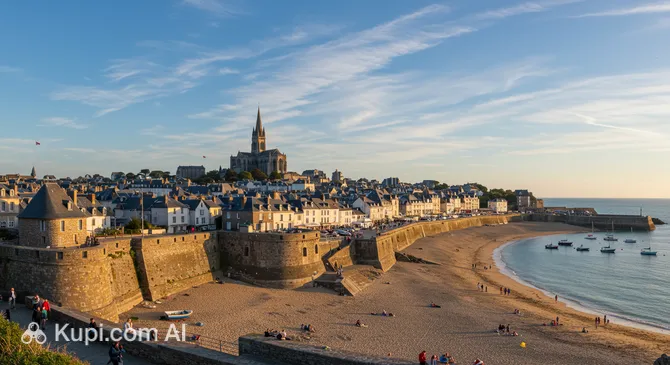
Boulogne-sur-Mer. Illustration.
Source: Kupi.com AI

With a population of approximately 40,664 people, Boulogne-sur-Mer successfully combines small-town charm with a rich cultural heritage. Eras interweave here in a fascinating way: from ancient Roman fortifications to elegant 19th-century buildings, and from medieval towers to modern embankments. The city proudly holds the status of a "City of Art and History," which eloquently confirms its special place on the tourist map.

The atmosphere of Boulogne-sur-Mer is one of leisurely contemplation of the sea, fascinating walks along the fortress walls of the old town, enjoying the freshest seafood, and, of course, being inspired by the magnificent architecture. Every guest will find something to their liking here: from an exciting encounter with the underwater world at the famous Nausicaá aquarium, one of the largest in Europe, to unhurried strolls through the ancient streets of the Upper City. Boulogne-sur-Mer is the ideal destination for those who appreciate a harmonious blend of nature, rich history, and the French art of living. Don't miss the chance to visit this charming city and discover its unique treasures!

You can find more interesting facts on the history of Boulogne-sur-Mer page.
Weather Overview

The climate in Boulogne-sur-Mer is characterized by mild winters and moderately warm summers. The average annual temperature ranges from 5.7°C in January to 18.3°C in August. The warmest months are July and August, when maximum temperatures can reach 20.8-21.1°C. In winter, especially in January and December, minimum temperatures drop to 3.9-5.3°C. Precipitation is distributed relatively evenly throughout the year, with a slight increase in the autumn-winter period; the number of rainy days varies from 10 in June to 17 in December. Overall, expect moderately warm summers with frequent but light rainfall, and mild, damp winters. For more detailed information, see the full forecast: Climate in Boulogne-sur-Mer.

Average monthly temperature

Average monthly precipitation

Interesting Facts

Beyond its main coastal beauties, Boulogne-sur-Mer holds many fascinating secrets and amazing stories that make it truly unique. Here are just a few of them:

  • Hidden beneath the majestic Basilica of Notre-Dame, one of the city's symbols, is one of the largest crypts in all of France. This vast underground complex houses not only ancient relics and impressive frescoes but also fragments of Roman mosaics, testifying to the city's rich and multilayered history.

  • Did you know that Boulogne-sur-Mer is the birthplace of Auguste Mariette? This prominent native of the city became a world-renowned Egyptologist who is credited with the discovery of the Serapeum of Saqqara. His contribution to archaeology and the understanding of ancient Egyptian civilization is truly invaluable.

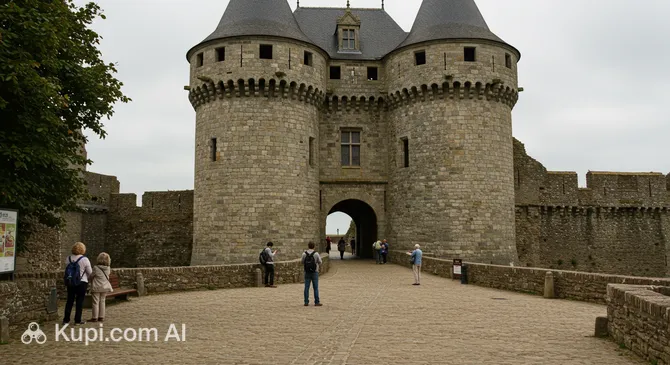
  • The ancient Boulogne-sur-Mer Castle, proudly overlooking the city, is not just a medieval fortress but also home to a very interesting museum. Within its walls, visitors can discover unique archaeological finds telling the story of the city's past, from Roman times to later eras.

  • Every year, Boulogne-sur-Mer comes alive during a colorful maritime festival. During these days, the city streets are filled with music and dancing, and the air is filled with the aromas of freshly prepared fish and seafood. This vibrant celebration demonstrates the city's deep connection to the sea and its centuries-old fishing traditions.

Boulogne-sur-Mer Castle. Illustration.
Source: Kupi.com AI

Traveler photos:

How to Get There

Planning a trip to this seaside city requires a little attention to logistics, as it is located at the intersection of sea and land routes. You can find all the details and consider all ways to get to the city on a separate page, while below we describe the main transport hubs nearby.

Boulogne-sur-Mer does not have its own airport serving regular passenger flights. The nearest convenient option within France is Lille Airport (LIL), located in the city of Lille. It is approximately 107 km from Boulogne-sur-Mer, and the journey by car or bus takes about 3 hours. This is a regional airport serving flights from various parts of Europe. You can also consider Ostend-Bruges International Airport (OST) in Bruges (Belgium), which is about 103 km away. Another option is the major London Gatwick (LGW) in London (about 135 km), though you should factor in the need to cross the English Channel.

For clarity, here is summary information on the main airports:

AirportPassenger trafficDistance
Ostend-Bruges International Airport386 387103 km
Lille Airport1.8 mln107 km
London Southend Airport172 068114 km
London Gatwick Airport43.2 mln135 km
London City Airport3.6 mln139 km

Railway communication is one of the most popular ways to reach the region. While there isn't a major TGV high-speed station in Boulogne-sur-Mer itself, you can arrive at the Calais-Fréthun railway station in Calais, which is only 24 km from Boulogne-sur-Mer. From there, you can reach the city by taxi or bus in about 55–60 minutes. This is an important transport hub serving Eurostar and TGV trains. Many tourists also use the Lille-Europe station in Lille (about 104 km away) as a transfer point.

Below is a table of the nearest major railway stations:

StationPassenger trafficDistance
Calais-Fréthun Railway Station24 km
Ashford International Railway Station3.5 mln70 km
Arras Station4.1 mln96 km
Lille Flandres Station19.5 mln104 km
Lille Europe Station7.2 mln104 km

Main Attractions

Boulogne-sur-Mer, a charming port city in northern France, offers its guests many interesting sights. Here, everyone will find something for themselves, from diving into the ocean depths to discovering the region's rich history.

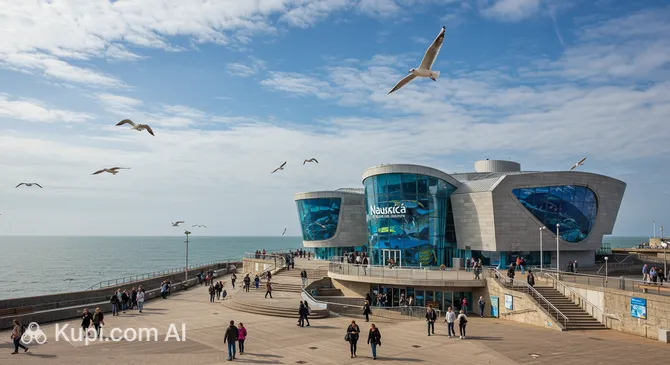
One of the city's main jewels is undoubtedly Nausicaá — National Sea Center. This is not just an aquarium, but one of the largest marine centers in Europe, where you can see thousands of sea creatures, including sharks, rays, sea lions, and colorful coral reefs. Interactive exhibits and educational programs make it a fascinating visit for the whole family, allowing for a better understanding of the fragility and beauty of the underwater world.

Nausicaá National Sea Centre. Illustration.
Source: Kupi.com AI

Traveler photos:

History buffs should pay attention to the Boulogne-sur-Mer Castle. This medieval 13th-century fortress, well-preserved to this day, towers over the old part of the city. Within the castle walls is a museum with diverse collections, including Egyptian antiquities, Greek ceramics, and local art. A walk along its ramparts and halls is a true journey through time.

Boulogne-sur-Mer Castle. Illustration.
Source: Kupi.com AI

Traveler photos:

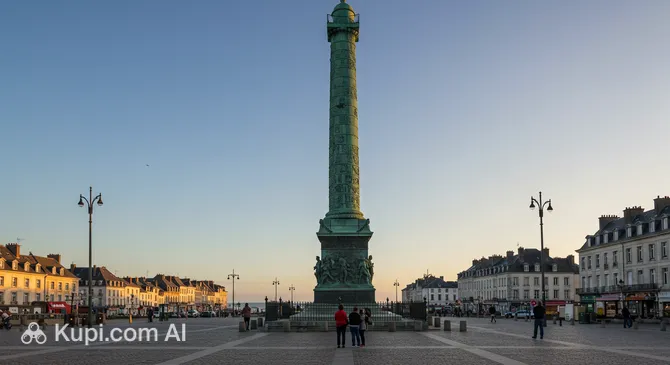
Another iconic monument is the Column of the Grande Armée. This impressive column was erected by order of Napoleon I in honor of his troops preparing for the invasion of England. After climbing to the top, tourists are rewarded with a magnificent panoramic view of the city, the port, and the English Channel. This site attracts visitors both for its historical significance and the opportunity to take stunning photographs.

Column of the Grande Armée. Illustration.
Source: Kupi.com AI

Traveler photos:

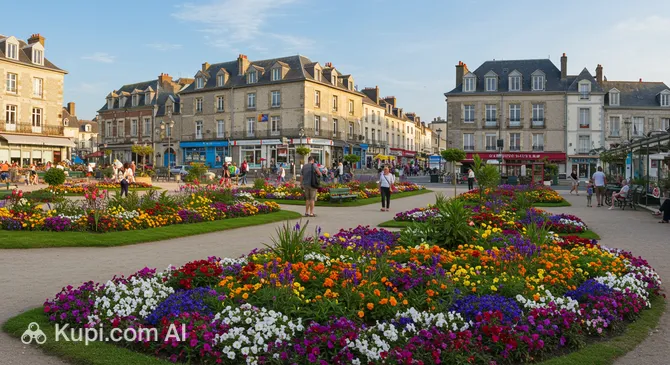
For those seeking peace and natural beauty, the Ephemeral Garden is an excellent choice. This unique garden takes on a new appearance every year thanks to changing thematic compositions of flowers and plants. It is the perfect place for a leisurely stroll where you can enjoy the silence and original landscape designs.

Éphémère Garden. Illustration.
Source: Kupi.com AI

Traveler photos:

Local Cuisine

Boulogne-sur-Mer is a true paradise for seafood lovers and French cuisine enthusiasts. Located on the coast, the city offers an incredible abundance of the freshest seafood, which forms the basis of the local gastronomic heritage. Here you can enjoy oysters, mussels, scallops, and shrimp, which often reach market stalls and restaurants straight from the morning catch.

Be sure to try the signature dish – "matelote boulonnaise". This is a fragrant fish stew prepared with white wine, onions, and herbs, which perfectly captures the flavor of the region. Other local delicacies include smoked eel, haddock, and the famous Boulogne herring. For dessert, local establishments often offer a classic apple Tarte Tatin or light shortcrust almond pastries.

Fish and seafood dishes are traditionally served with white wines from nearby French wine regions or refreshing local cider. For those who prefer non-alcoholic drinks, there is always a choice of juices and lemonades.

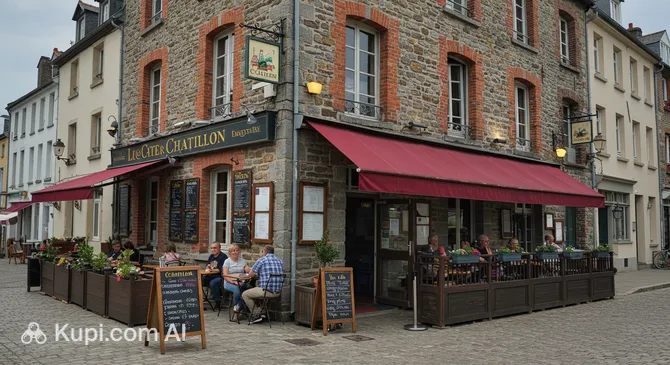
The food culture in Boulogne-sur-Mer is diverse. Locals and tourists love visiting the coastal markets, where they can not only buy fresh produce but also try street food: hot waffles, baguettes with sea salt, and the famous Boulogne fish soups. A special treat is tasting sea snails and tiny shrimp right at the port. For a more substantial dinner, you can choose one of the many restaurants, such as Le Châtillon, renowned for its seafood dishes.

Le Chatillon. Illustration.
Source: Kupi.com AI

Traveler photos:

The gastronomic scene in Boulogne-sur-Mer is very lively, especially thanks to regular festivals. A fish and seafood festival takes place here in spring, and a traditional cuisine festival in summer, where you can sample culinary masterpieces from local chefs. This is a great opportunity to dive deeper into the city's culinary traditions and discover new flavors.

Travel Tips

Planning a trip to the charming port city of Boulogne-sur-Mer? To ensure your journey goes smoothly and leaves only pleasant impressions, we have prepared some practical tips to help you navigate this corner of France.

  1. Clothing and Essentials: The climate of the Opal Coast is quite changeable, so we recommend bringing layered clothing. A waterproof jacket or umbrella will be very useful, especially in spring and autumn. Be sure to pack comfortable shoes for walking on the cobblestones of the old town and along the promenade. Don't forget a type E power adapter. If you plan to visit the Basilica of Notre-Dame or other churches, keep in mind that clothing covering shoulders and knees is preferred.
  2. Transport: The historical center of Boulogne-sur-Mer and the old town (Ville Haute) are best explored on foot. For longer trips around the city and surroundings, you can use the local Marinéo bus network. Taxis are also available but can be more expensive. Renting a car is advisable if you plan to actively explore the picturesque Opal Coast.
  3. Finances: The official currency in Boulogne-sur-Mer, as in all of France, is the Euro (EUR). You can exchange currency at banks or specialized exchange offices, though withdrawing cash from ATMs (distributeur automatique de billets) is often more economical. ATMs are widely available. Credit and debit cards (Visa, Mastercard) are accepted in most shops, restaurants, and hotels. Tipping in restaurants is usually 5-10% of the bill if service is not included; you can also simply round up the amount.
  4. Health and Safety: Pharmacies (Pharmacie) are easy to find by the characteristic green cross. Information about duty pharmacies open at night or on weekends can be found on the door of the nearest pharmacy or online. In case of a serious medical emergency, contact the Centre Hospitalier de Boulogne-sur-Mer. Boulogne-sur-Mer is generally a quiet and safe city. Nevertheless, stay vigilant: watch your personal belongings in crowded places such as markets, public transport, and popular tourist sites.
  5. Communication: The primary language is French. In the tourism sector (hotels, restaurants, museums), staff often speak English, but basic knowledge of French (e.g., "Bonjour" – Hello, "Merci" – Thank you, "S'il vous plaît" – Please, "Excusez-moi" – Excuse me) will be very helpful and warmly received by locals. You can purchase a local SIM card for mobile data and calls at mobile operator stores or large supermarkets. Free Wi-Fi is available in many cafes, restaurants, hotels, and some public areas.
  6. Local Etiquette: The French place great importance on politeness. When entering small shops, cafes, or addressing someone, it is customary to say hello ("Bonjour" during the day, "Bonsoir" in the evening). Use polite forms of address when communicating. In public places like transport or restaurants, try not to speak too loudly.
  7. What to Avoid: Try not to start a conversation with locals directly in English without first asking if they speak English ("Parlez-vous anglais?"). It is also recommended to avoid excessive gesturing while talking or loudly discussing personal matters in public places.
  8. Special Tip: Be sure to set aside time to visit Nausicaá – the National Sea Center, which is one of the largest aquariums in Europe and the pride of Boulogne-sur-Mer. We also recommend walking along the ancient fortress walls of the old town (Ville Haute) for beautiful views, and of course, trying the freshest seafood in one of the many restaurants, paying special attention to herring dishes – a local specialty.

We hope these tips make your stay in Boulogne-sur-Mer even more comfortable and fulfilling. Enjoy the sea breeze, rich history, and hospitality of this beautiful city on the Opal Coast!

Entertainment & Nightlife

Evening Boulogne-sur-Mer offers its guests a cozy and relaxed atmosphere, perfect for a pleasant end to the day. While the city is not famous for wild 24-hour parties, you can certainly find interesting places to relax after sunset.

The main evening life is concentrated around the Quai Gambetta and its adjacent streets in the lower part of the city. Here you will find many bars, pubs, and brasseries where you can enjoy a glass of local beer or wine. The atmosphere in these establishments is generally friendly and laid-back, attracting both locals and tourists. Some bars may offer live music on weekends. There is usually no specific dress code; comfort is valued. Most establishments stay open until late evening, especially on Fridays and Saturdays.

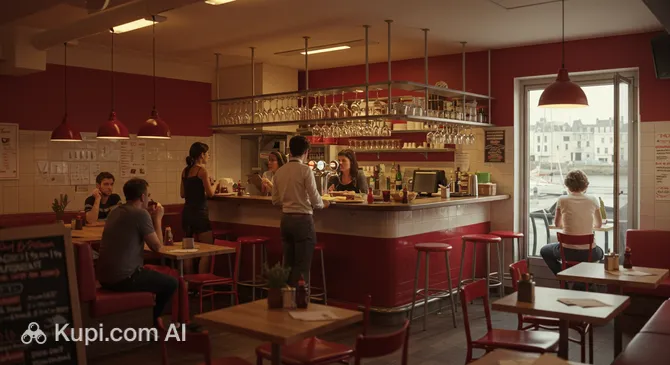
Among the popular places to spend an evening, Papy Henri Burger is worth noting for its casual vibe. For a dinner that transitions into a pleasant evening, restaurants such as Le Châtillon or La Cave de Monsieur Guy / La Grange de Monsieur Guy, which offer local cuisine, are excellent choices. Although there are few large nightclubs in Boulogne-sur-Mer, some bars may become more lively with music and dancing later at night.

Papi Henri Burger. Illustration.
Source: Kupi.com AI

Traveler photos:

When planning an evening out, keep in mind that the city comes alive closer to 8:00 PM - 9:00 PM. Prices in bars and restaurants are generally moderate. Moving around the city center is convenient on foot. For longer distances or late-night trips, it is better to use a taxi, which can be called by phone or found at designated ranks; it is recommended to book a car in advance for late returns. The city is generally safe for evening walks, but it is always wise to stick to well-lit main streets and follow standard precautions.

During the day, Boulogne-sur-Mer offers many cultural and entertainment activities. Be sure to visit the famous Nausicaá — National Sea Center, one of the largest aquariums in Europe. Also of interest are the historic Boulogne-sur-Mer Castle, which houses a museum, and the picturesque Ephemeral Garden. For family fun, the Heliceá water park is a great option.

Nausicaá National Sea Centre. Illustration.
Source: Kupi.com AI

Traveler photos:

Parks & Museums

Boulogne-sur-Mer is a city where refreshing green spaces for relaxation harmonize with a rich cultural heritage reflected in its museums and historical monuments. Everyone will find something here, whether it's a peaceful park stroll or a fascinating dive into history.

For nature lovers and those seeking peaceful walks, the city offers several attractive spots. One of these is the Ephemeral Garden. This charming garden attracts visitors with its themed floral arrangements that change with the seasons, creating a new atmosphere each time. It is a wonderful place to take a break from the city bustle and enjoy the beauty of the plants.

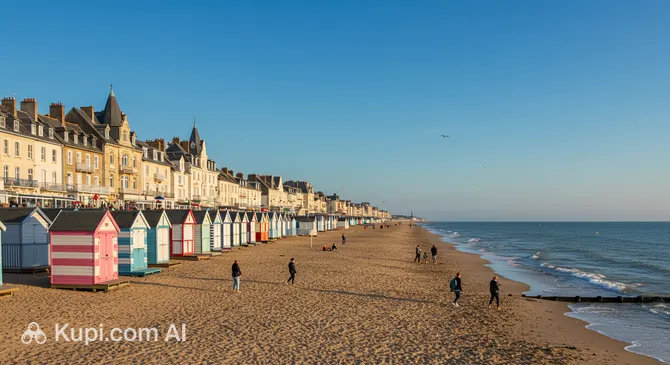
If you prefer a sea view and a fresh breeze, then Wimereux Beach is an excellent choice. Located nearby, it offers great opportunities for relaxing by the water, sunbathing, and long walks along the English Channel coast. It is a popular spot for both locals and tourists, especially during the summer months.

Wimereux Beach. Illustration.
Source: Kupi.com AI

Traveler photos:

The cultural life of Boulogne-sur-Mer is equally rich. The city's main jewel is undoubtedly Nausicaá — National Sea Center. It is one of the largest aquariums in Europe, where you can see thousands of sea creatures from around the world, from tropical fish to majestic sharks and sea lions. A visit to Nausicaá is a fascinating journey into the underwater world that will interest both adults and children.

In the heart of the old town stands the Boulogne-sur-Mer Castle, a historic castle-museum. Its powerful walls hold a wealth of history, and inside is a museum with diverse collections: from Egyptian antiquities and Greek ceramics to exhibits dedicated to local history and seafaring. A walk through the castle's halls allows you to touch the region's past.

Not far from the city is another significant historical site — the Column of the Grande Armée. This impressive monument was erected in honor of Napoleon and his army. From the top of the column, after climbing over two hundred steps, a breathtaking panoramic view of the city, the coast, and the surroundings opens up, making the ascent well worth the effort.

Insider Tip: To truly feel the atmosphere of Boulogne-sur-Mer, be sure to walk along the well-preserved fortress walls surrounding the Upper City (Vieille Ville). They offer beautiful views and a great opportunity to imagine what life was like in a medieval town.

Getting Around

Getting around Boulogne-sur-Mer is quite convenient despite its relatively small size. The backbone of public transport here is the bus network, managed by Marinéo. They cover both the city itself and its immediate surroundings, allowing you to reach key points including the beaches, the port, the Upper City (Vieille Ville), and shopping districts.

The fare payment system is standard for many French cities. You can purchase single tickets directly from the bus driver, though this may be slightly more expensive. A more cost-effective option is often buying a carnet – a pack of several discounted tickets – or a day pass (ticket journée) if you plan to travel a lot. Tickets can also be purchased from vending machines (if installed at stops) or at authorized points of sale, such as tobacco shops (tabacs) or newsstands. Don't forget to validate your ticket when you board the bus using the special machine (composteur).

Buses typically start running early in the morning and finish in the evening, roughly from 6:00-7:00 AM to 8:00-9:00 PM, depending on the route and the day of the week. On weekends and public holidays, schedules may be reduced. It is recommended to check the current timetable at stops or on the official Marinéo transport company website.

One of the pleasant features of Boulogne-sur-Mer is the free funicular, which connects the lower part of the city with the historic Upper City located on the hill. This is not only a convenient way to ascend but also an opportunity to enjoy the views.

In addition to public transport, other ways of getting around are available in Boulogne-sur-Mer. Taxis can be found at designated ranks or called by phone, but this will be a more expensive option. Given the city's compactness, many parts of it, especially the center and the waterfront, are perfect for walking. You can also consider renting a bike to explore the city and its picturesque surroundings at your own pace. Information on bike rentals can usually be found at tourist information centers.

Accommodation

In Boulogne-sur-Mer, tourists have access to a wide range of accommodation options that can satisfy various preferences and budgets. You can find everything from budget-friendly hostels and guest houses to comfortable mid-range hotels and short-term rental apartments. There are fewer luxury resorts in the traditional sense; the focus is on cozy and authentic places to stay.

For tourist convenience, the most popular areas for staying are those near major attractions. For instance, the Old Town district (Ville Fortifiée) attracts visitors with its historical atmosphere and proximity to the Boulogne-sur-Mer Castle. Hotels and apartments near the port and the famous Nausicaá — National Sea Center aquarium are also in demand, providing easy access to the promenade and beaches. If you are looking for a quieter spot, look for options in the surrounding neighborhoods, from which it is easy to reach the center by public transport or car.

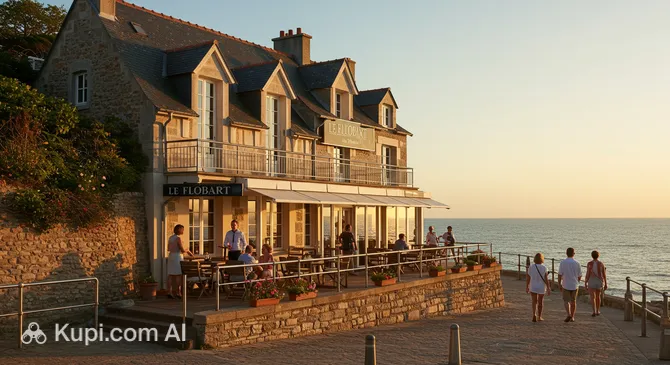
Le Flobart Hotel Restaurant. Illustration.
Source: Kupi.com AI

Traveler photos:

Among the well-known accommodation options in the city, the Hôtel-Restaurant Le Flobart is worth mentioning, offering comfortable rooms and restaurant services. In general, prices range from budget to mid-range and moderately high. It is recommended to book accommodation in advance, especially if your trip coincides with the peak tourist season (summer months) or major events. For searching and booking, it is convenient to use popular online platforms or contact hotels directly.

Nearby Cities

For those looking to explore the surrounding area, Boulogne-sur-Mer serves as an excellent starting point for day trips to several interesting nearby locations:

CityPopulationDistance
Saint-Martin-Boulogne11 2261 km
Le Portel9 1573 km
Outreau13 5753 km
Etaples10 92623 km
Le Touquet Paris-Plage4 30023 km

Calais, located just 31 km from Boulogne-sur-Mer, is one of the most accessible options for a day trip. This port city is known for its rich history, reflected in attractions like Auguste Rodin's famous sculpture "The Burghers of Calais" and the impressive Town Hall with its UNESCO World Heritage-listed belfry. A stroll through the city will also allow you to appreciate its maritime character and proximity to the English Channel.

A little further away, at 64 km, is Dunkirk, a city with a rich maritime heritage and vast sandy beaches. Dunkirk attracts tourists with its Port Museum, where you can learn about the region's naval history, and the opportunity to walk along the promenade and enjoy the coastal atmosphere. The city is also known for its World War II history, preserved in local memorials and museums, offering a deep dive into the past.

These nearby destinations provide a glimpse into the diverse culture and landscapes of the Hauts-de-France region. Each trip promises new discoveries, whether they be historical landmarks, picturesque scenery, or a unique local atmosphere.

Shopping & Souvenirs

Boulogne-sur-Mer offers pleasant shopping opportunities, especially if you are looking for fresh local products and sea-related goods. The city is not famous for massive shopping malls or luxury boutiques, but you can find charming little shops and experience the local flavor.

The main shopping areas are concentrated in the city center, particularly on pedestrian streets and around the main squares. Here you will find both chain stores and small independent boutiques offering clothing, shoes, accessories, and home goods. Take a walk along Rue Thiers and the adjacent streets to discover the variety on offer.

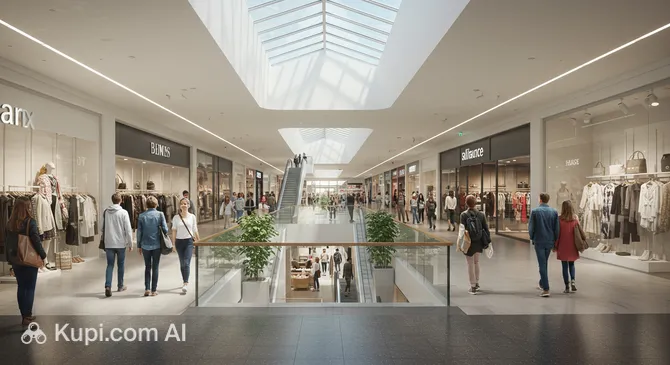
For a more concentrated shopping experience, you can visit the Boulogne Côte d’Opale Shopping Center. It houses various stores offering clothing, electronics, home goods, and services, making it a convenient one-stop shopping destination.

Boulogne Côte d'Opale Shopping Center. Illustration.
Source: Kupi.com AI

Traveler photos:

Special attention should be paid to the local markets. The Fish Market (Quai Gambetta) is a must-visit spot where you can buy the freshest seafood directly from the boats. Food markets are also held regularly in the city, where farmers offer cheeses, sausages, pastries, and other delicacies from the Hauts-de-France region. Occasionally, you might stumble upon small flea markets or craft fairs, especially during the tourist season.

As souvenirs from Boulogne-sur-Mer, it is worth bringing back canned seafood (such as the famous sardines or fish soup), local sweets, cider, or regionally produced beer. Nautical-themed items are also popular: model ships, shells, maritime paintings, and products made by local artisans.

Shops in Boulogne-sur-Mer are usually open from Monday to Saturday, roughly from 9:00-10:00 AM to 7:00-7:30 PM, with a lunch break (usually from 12:30 PM to 2:00 or 2:30 PM), especially in smaller shops. Large supermarkets and shopping centers may operate without a break and sometimes on Sunday mornings. The most common payment methods are cash and bank cards (Visa, Mastercard). American Express is not accepted everywhere.

Tourists from non-European Union countries can take advantage of the Tax Free system when making purchases over a certain amount in participating shops. To do this, you must ask the salesperson for a special tax refund form (bordereau de détaxe) and present it along with your purchases at customs when leaving the EU.

Reached the end of the page?

That means the route is fully explored