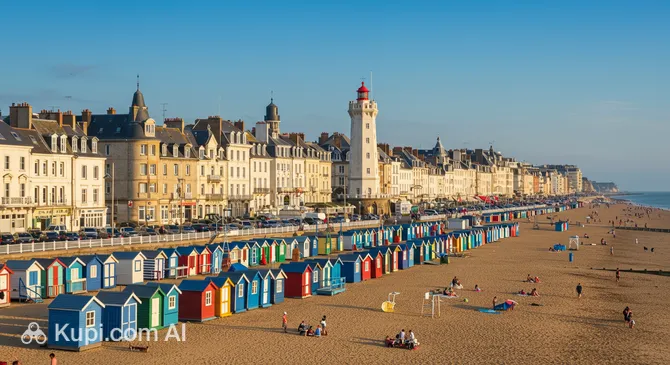
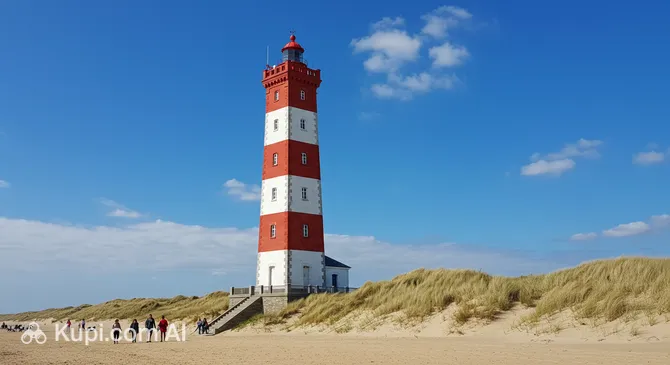
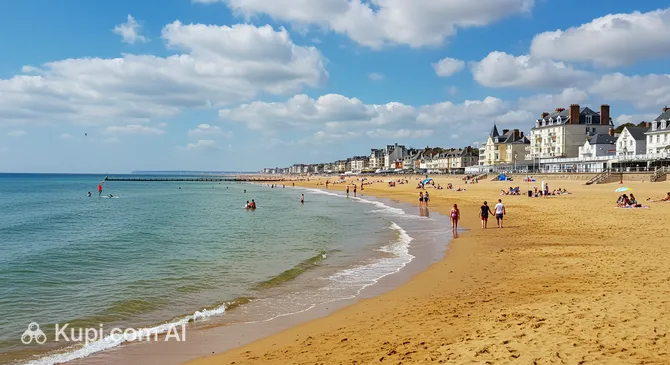
Given its compact size and resort status, Le Touquet-Paris-Plage does not have a cumbersome metro or tram system. The city is designed to be pleasant to get around on foot or by light transport. The foundation of public mobility is the famous electric shuttles (Navettes). These small, environmentally friendly buses run through the center and connect the embankment, shopping streets, forest quarters, and sports facilities. It is the most convenient way to get from the parking lot to the beach or a restaurant.
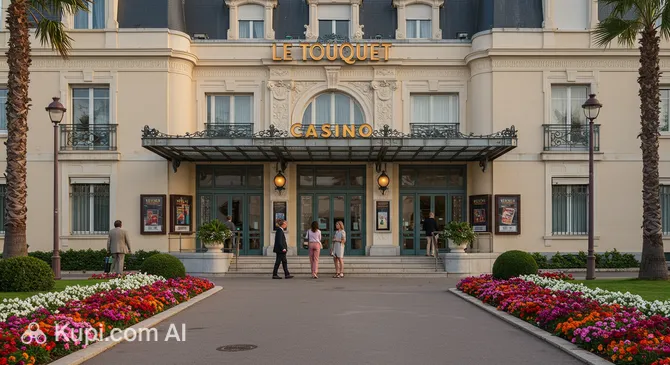
The main advantage of local shuttles is their accessibility: travel on them is usually free for everyone. They run regularly on weekends, during school holidays, and in the summer season, usually every 10–20 minutes. There's no need to look for tickets or validators — just hop on the bus at one of the designated stops. The routes are designed to cover all key points, including the market and the casino.
Regional buses are used for connections to the outside world, specifically the railway station in the neighboring town of Étaples-sur-Mer. Tickets are inexpensive (usually around 1 euro) and are purchased directly from the driver upon boarding; it's recommended to have small change. These buses follow a schedule coordinated with the arrival of major trains, making transfers easy for tourists without a car.
However, the true "king" of transport in Le Touquet is the bicycle. The resort has an extensive network of cycle paths laid out both along the sea and through the picturesque pine forest. Rental points for two-wheeled transport are literally at every step. Here you can rent not only classic city bikes but also e-bikes, tandems, and even family quadricycles (Rosalies). An ID and a deposit are usually required for rentals.
As an alternative to public transport, you can use taxi services, but keep in mind that "hailing" a car on the street can be difficult. It's better to book your trip in advance by phone or through the hotel reception, especially in the evening. Car-sharing is not very developed here, as most tourists prefer either private cars or bicycles.
If you are traveling in your own car, pay attention to the color-coded parking zones. The city center and the waterfront belong to the "red zone" with paid parking (payment via parking meters with coins or cards, or via mobile apps like PayByPhone). In the "green zone," located a bit further from the sea, rates are lower, and on the outskirts and near the hippodrome, you can find free parking from where it's convenient to catch a free shuttle to the center.
For a sightseeing tour, the tourist train (Petit Train) is perfect. Although it's more of an attraction than a serious mode of transport, it allows you to effortlessly see the architectural sights and villas in the forest. Tickets are sold by the driver before departure, and the route is accompanied by an audio guide telling the history of this elegant place.