Support

Abbeville

About

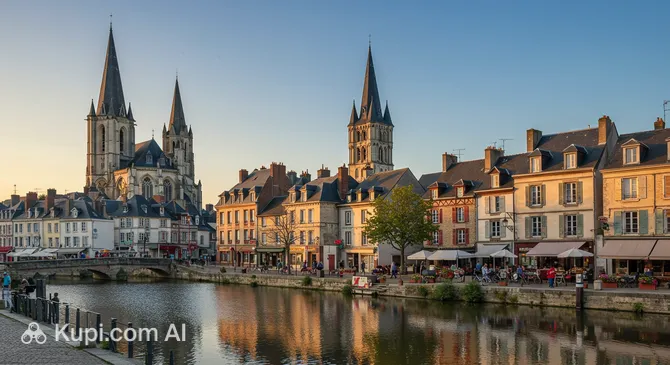
Abbeville is a cozy and atmospheric city in Northern Europe, stretching along the banks of the Somme River. This part of the Hauts-de-France region attracts travelers with its tranquility and authentic provincial charm. Here, France reveals a new side: far from noisy tourist routes, amidst picturesque embankments and ancient architecture.

Abbeville. Illustration.
Source: Kupi.com AI

Its geographical position makes the city an important point on the regional map: it is located just 25 kilometers from the English Channel and the famous Baie de Somme. As the historical capital of maritime Picardy, Abbeville has retained a special charm highly valued by lovers of slow travel. The city is home to about 23,000 people, where centuries-old traditions and modern trends harmonize in a surprising way.

Abbeville's centuries-old history is reflected in its unique architectural monuments. The city's main landmark is the majestic St. Vulfran Collegiate Church, whose facade is a masterpiece of Flamboyant Gothic. Equally impressive is the elegant Château de Bagatelle, surrounded by a magnificent French garden and an English park—an ideal place for walks and photo sessions.

The city seems designed for enjoying every moment: exploring narrow streets, admiring the stained glass of ancient churches, and relaxing in cozy local cafes. Abbeville is a wonderful choice for those who want to immerse themselves in an authentic atmosphere and discover the hidden gems of the French north.

Weather Overview

The climate in Abbeville can be described as temperate maritime, heavily influenced by its proximity to the English Channel. The weather here is mild, without sharp temperature fluctuations; however, high humidity is a constant companion of the region. Winters pass without severe frosts: in January, the average temperature is around 5.1°C, and the thermometer rarely drops below zero.

The summer season brings comfortable warmth rather than exhausting heat, making city walks particularly pleasant. The warmest months are July and August, with average temperatures of 18.5–18.7°C. Nevertheless, even in the height of summer, an umbrella may come in handy: on average, 10 to 12 rainy days are recorded per month during this period. To choose the best days for your trip, we recommend checking the expected weather in Abbeville for your visit dates in advance.

Precipitation is distributed fairly evenly throughout the year, with a slight increase in rain frequency during the autumn-winter period. December is often the gloomiest month, with 16 rainy days. Expect moderately warm summers with occasional rainfall and cool, damp winters when the sky is often overcast.

Average monthly temperature

Average monthly precipitation

Interesting Facts

In addition to its main attractions, Abbeville holds many fascinating secrets that make its history truly alive and multifaceted. Here are a few facts that will allow you to see the city from a new perspective:

  • A Masterpiece of Flamboyant Gothic. The St. Vulfran Collegiate Church is recognized as one of the pinnacles of medieval architecture. Its facade is decorated with such complex and delicate carving that the building appears woven from stone lace, and the works of art kept inside have inspired painters for centuries.

  • Modern Light in Ancient Walls. In the Church of the Holy Sepulchre, you can witness an amazing contrast of eras. The ancient temple is adorned with unique stained-glass windows by Alfred Manessier—the famous abstract artist whose life and work were closely tied to Abbeville.

  • The Maritime Past of an Inland City. It might seem surprising today, but in ancient times, Abbeville was a flourishing seaport. Thanks to its favorable location on the Somme River, the city served as an important trading hub where bustling fairs were held and deals were made by merchants from all over the country.

  • An 18th-Century Architectural "Folly". The elegant Château de Bagatelle was originally built as a summer pleasure residence. Today, it is not only an architectural monument but also a magnificent park complex, where the strict geometry of a French garden harmoniously coexists with the romantic landscape of an English park.

How to Get There

When planning a trip to this picturesque corner of the Hauts-de-France region, it is worth thinking through the logistics in advance. Although the city itself does not have its own airport, a well-developed transport network makes it easy to get here through nearby major hubs. You can explore all the ways to reach the city to choose the most suitable route.

The closest option for air travelers is Beauvais–Tillé Airport (IATA: BVA), which is often used by low-cost airlines. It is located about 75 km from Abbeville. The journey from there by taxi or rental car via the highway will take about 1 hour. This is one of the most popular options for budget-conscious tourists.

For those arriving on international flights, the country's main aviation hub, Charles de Gaulle Airport (IATA: CDG) serving Paris, is convenient. It is 132 km from your destination. The drive from this airport takes between 1.5 to 2 hours depending on traffic. You can also consider flying into Lille Airport (IATA: LIL), located 104 km away (about 1 hour 15 minutes by car).

Below is summary information for the nearest airports:

AirportPassenger trafficDistance
Beauvais-Tille Airport6.5 mln75 km
Lille Airport1.8 mln104 km
Charles de Gaulle Airport70.3 mln132 km
Ostend-Bruges International Airport386 387142 km
Saint Gatien Airport65 664146 km

Rail travel is also an excellent alternative. While Abbeville does not have a high-speed TGV station, you can travel to Arras Station, which is about 70 km away. From there, a car trip takes about 50–60 minutes. This is a convenient interchange hub with high passenger traffic.

Another important transport center is the Lille-Flandres Station in the city of Lille, located 105 km from your destination. The driving time from this station to Abbeville is approximately 1 hour 15 minutes.

List of the nearest major railway stations:

StationPassenger trafficDistance
Arras Station4.1 mln70 km
TGV Haute Picardie Station337 46476 km
Calais-Fréthun Railway Station89 km
Douai Station3.5 mln94 km
Lille Flandres Station19.5 mln106 km

Main Attractions

Abbeville offers travelers a harmonious blend of architectural grandeur and natural beauty. A walk through the city allows you to discover unique monuments that have survived devastating wars and preserved the spirit of past centuries.

The undisputed symbol of the city is the St. Vulfran Collegiate Church. It is an impressive example of Flamboyant Gothic architecture, with construction beginning as far back as the 15th century. Tourists come here to admire the incredibly detailed facade, which resembles stone lace, and the majestic towers. Inside the church, a special atmosphere prevails, and the preserved sculptures and architectural elements allow you to touch the history of medieval Picardy.

Another important attraction is the Château de Bagatelle. Often called an "architectural folly," this elegant 18th-century mansion is famous for its superbly preserved interiors, which reflect the lifestyle of the French aristocracy, and its stunning park complex. Here, you can stroll through both a formal French garden and a picturesque English park with rare tree species, making it an ideal spot for romantic walks and photos.

Art lovers and those seeking unusual visual experiences should visit the Church of the Holy Sepulchre (Église Saint-Sépulcre). While the Gothic building itself is interesting, its true fame comes from the modern stained-glass windows created by the artist Alfred Manessier. The vibrant, abstract compositions of colored glass create a unique play of light inside the church, turning the ancient walls into a space filled with life and emotion.

For those who want a break from urban architecture, the Parc de la Bouvaque will be a true discovery. This natural oasis of about 60 hectares is located very close to the center. The park is known for its clear lakes and rich fauna—you can observe many species of waterfowl in their natural habitat here. It is a wonderful place for quiet walks, picnics, and connecting with nature.

Local Cuisine

The gastronomic scene in Abbeville is inextricably linked to the rich culinary heritage of the Picardy region and its proximity to the coast. Seafood holds a special place in local establishments: fresh oysters, mussels, and scallops often form the basis of menus in both refined restaurants and cozy home-style cafes. It is an ideal place for those who appreciate the natural taste of seafood delivered straight from the shores of the English Channel.

A true hallmark of the city and a source of pride for local chefs is the Picardy pancake (ficelle picarde). This hearty and incredibly delicious dish consists of thin crepes stuffed with ham and mushrooms, baked in the oven under a delicate cream sauce until a tempting golden crust forms. Trying this delicacy is a mandatory part of the program for any gourmet visiting France.

The food culture here goes beyond ordinary lunches and dinners. Residents of Abbeville enjoy visiting farmers' markets, where stalls abound with seasonal vegetables, aromatic cheeses, homemade sausages, and pâtés. A stroll through such a market allows you not only to buy the freshest products but also to immerse yourself in the authentic atmosphere of the French province.

It is customary in this region to accompany meals with characteristic local drinks. Apple ciders, known for their light and refreshing taste, are particularly popular. For those who prefer stronger drinks, it is worth trying the traditional pear brandy, which perfectly complements a hearty dinner or serves as an excellent digestif.

The city lives a rich gastronomic life: food festivals are regularly held here, attracting many guests. At these festivals, you can taste the best Picardy delicacies, participate in culinary masterclasses, and simply enjoy the atmosphere of a true feast of taste in the company of hospitable locals.

Travel Tips

A trip to Abbeville promises to be calm and relaxed, but even in such a cozy city, it's worth knowing a few nuances for a comfortable holiday. We have prepared a list of practical recommendations to help you feel confident and avoid minor inconveniences while exploring the heart of Picardy.

  1. Clothing and Gear. The weather in the Hauts-de-France region is changeable, so dress in layers. Even in summer, a light windbreaker and a reliable umbrella won't go amiss, as proximity to the sea often brings sudden rain and wind. For walking on the old cobblestones of the historical center, be sure to bring comfortable flat shoes—heels will be impractical here.
  2. Transport. The city center is compact and best explored on foot. For trips to the surrounding areas or the Baie de Somme, it is better to rent a car. The city itself has a bus network (Baag) connecting the main districts, but you should check the schedule in advance. Taxi apps are not as active here as in major cities, so it's better to book a car for transfers by phone or through your hotel reception.
  3. Financial Matters. The currency is the Euro (€). Credit cards are accepted in most restaurants and supermarkets, but for purchases at farmers' markets or small family bakeries, it's better to have cash on hand. Tips in France are legally included in the bill, but leaving 1–2 euros or rounding up the amount as a gesture of thanks for good service is considered good etiquette.
  4. Health and Safety. Abbeville is a quiet and safe city where you can walk safely even in the evening, following standard precautions. Pharmacies are easily recognized by a green neon cross; information about the on-duty pharmacy (for nighttime emergencies) is usually posted on the doors of all pharmaceutical points. The emergency number is 112.
  5. Language and Connectivity. The primary language is French. In museums and large hotels, staff often speak English, but this is rare in small shops. Learn a couple of phrases: "Bonjour" (Hello) and "Merci" (Thank you)—this will immediately win over the locals. Wi-Fi is available in many cafes, but for stable navigation, it's better to buy a local SIM card at a tobacco shop (Tabac).
  6. Local Etiquette. Politeness is the foundation of communication here. When entering any shop, cafe, or even a bus, be sure to greet those present. In public places and on transport, it is customary to speak quietly. If you visit religious sites, such as St. Vulfran Church, follow the dress code (covered shoulders and knees) and remain quiet.
  7. What to Avoid. Do not try to have lunch at a restaurant at an "off" time. The French strictly observe meal times: most kitchens close after lunch (around 2:00 PM) and only reopen for dinner (after 7:00 PM). In between, you can only count on sandwiches from bakeries or drinks in brasseries.
  8. Traveler's Advice. If you plan a trip to the coast, be sure to check the tide schedule. The Baie de Somme is known for its rapid tides, so walking far out onto the exposed seabed without a professional guide can be unsafe.

Following these simple rules will make your stay in Abbeville easy and carefree. Enjoy French hospitality, discover local traditions, and feel at home in this picturesque corner of Europe.

Entertainment & Nightlife

Nightlife in Abbeville is not about noisy big-city parties until dawn, but rather an embodiment of the French "art de vivre" (the art of living). Evenings here pass at a calm, measured pace, perfect for long conversations over a glass of wine or a mug of local beer. The city goes to sleep quite early, so late-night entertainment seekers should plan their route in advance.

The epicenter of evening activity is the city center, especially the area around Place Max Lejeune and Boulevard Vauban. This is where the main establishments are concentrated, offering a pleasant way to spend time after sunset. The atmosphere in local bars is very casual and friendly: there is no strict dress code, and the crowd is a mix of locals of all ages and tourists looking for a cozy spot.

Among the popular places to visit, Le Saint-Pierre stands out. This establishment is much loved by residents for its excellent cocktail selection and warm, almost home-like atmosphere. If you are looking for a place with a more lively vibe, head to L'Entracte. This is a music bar that often stays open until 1:00 AM—it regularly hosts themed evenings and plays great playlists that create a festive mood.

For fans of cultural leisure, an evening at Le Rex is ideal. It is not just a cinema, but a true cultural center for the city with three halls. It screens both world premieres and arthouse films, and ticket prices are pleasantly affordable (around 5 euros). It is also worth checking the schedule of the Abbeville Municipal Theater (Théâtre municipal) on Boulevard Vauban: its historical building is an attraction in itself, and the plays and concerts often draw full houses.

In terms of prices, an evening in Abbeville will cost significantly less than in Paris or Lille. The average price for a drink in a bar is 4–7 euros. Most restaurant kitchens close by 9:30 PM–10:00 PM, so there are few options for a late dinner—it is better to arrange food in advance. Moving around the center at night is safe: the city is well-lit and the crime rate is low. However, public transport does not run late, and catching a taxi on the street is almost impossible—you must book a car by phone in advance.

During the day, Abbeville offers more traditional entertainment. You can visit the Boucher-de-Perthes Museum to learn about the region's prehistoric past or stroll through the picturesque Parc d'Emonville. But it is in the evening, when the lanterns are lit and the daytime bustle subsides, that the city reveals its true, cozy charm of provincial France.

Parks & Museums

Abbeville reveals itself to travelers not only as a city of Gothic architecture but also as a green oasis where nature intertwines harmoniously with cultural heritage. Strolling through local gardens and visiting museums allows for a deeper understanding of the soul of this corner of France, from its prehistoric roots to modern art.

A true gem of the city center is Parc d'Emonville. This magnificent English-style landscape garden surrounds an elegant 19th-century mansion, which now houses the city library. Tourists come here to rest in the shade of century-old trees, some of which are rare botanical species, and to admire the well-kept flowerbeds and statues. It is an ideal spot for those seeking peace and aesthetic pleasure in the heart of the urban bustle.

Lovers of wilder nature should look toward Parc de la Bouvaque. While the center offers ordered beauty, naturalness reigns here: willow thickets, the calm surface of ponds, and winding paths create a feeling of complete immersion in a wild environment. This place is especially valued by photographers and naturalists, as the park serves as a home for many species of waterfowl that can be observed in their natural habitat.

The cultural panorama of the city is impossible to imagine without the Boucher-de-Perthes Museum (Musée Boucher-de-Perthes). Named after the famous "father of prehistory" Jacques Boucher de Perthes, the museum brings together archaeological finds and a rich collection of fine arts under one roof. Here you can see unique exhibits: from flint tools of ancient humans to paintings and ceramics reflecting the region's rich artistic traditions.

The Carmel (Le Carmel) deserves special attention—a former monastery converted into a Heritage House. This space regularly hosts temporary exhibitions dedicated to history and art. Visitors can not only view the displays but also learn more about the monastic life of the past and stroll through the restored gardens, which still maintain an atmosphere of tranquility and spirituality.

Among the architectural monuments with museum value, the Abbeville Belfry stands out. This watchtower, included in the UNESCO World Heritage list, is a symbol of municipal freedoms and one of the oldest in the country. Inside the tower is a museum telling the civic history of the city, and its massive walls hold the memory of many centuries of independence.

Insider Tip: If you find yourself near the Carmel, be sure to find time to visit its inner garden. It is a hidden gem that few tourists know about: the combination of ancient stonework and the scent of blooming roses creates a completely magical atmosphere for a short meditative break.

Getting Around

Given Abbeville's compact size, walking remains the primary way to get around for most visitors. The historical center is quite miniature, and the main attractions are easily reached on foot. However, if you need to get from the station with heavy luggage or visit outlying areas, the public transport system, represented exclusively by the Baag (Bus de l'Agglomération d'Abbeville) bus network, will come in handy.

There are no metros or trams here, but the bus routes effectively cover the entire town, connecting the railway station, the center, the hospital, and the commercial zones. Buses run regularly, though it's worth considering the pace of provincial life: intervals can be between 20 and 40 minutes. It's important to remember that in the evening (usually after 7:30 PM–8:00 PM), as well as on Sundays and public holidays, the number of services is significantly reduced.

The fare system deserves special attention. On weekdays, the cost of a single trip is very affordable, at around 1 euro; a ticket can be purchased directly from the driver (it's best to have small change). A pleasant bonus for tourists: on Saturdays, travel on the Baag bus network is absolutely free. This is a great opportunity to explore the city without extra cost. Don't forget to keep your ticket until the end of the trip.

Alternatively, you can use taxi services, but there are nuances. It is almost impossible to catch a car just by raising your hand on the street in Abbeville, and there are very few taxi stands. A car must be ordered in advance by phone or through your hotel reception. This is especially relevant if you need a transfer in the early morning or late evening when the buses are no longer running.

For fans of active recreation, a bicycle is an excellent option. The terrain here is predominantly flat, making cycling easy and pleasant. If you are traveling with your own two-wheeled transport, the Baag network offers a convenient secure bike parking service called Garopôle, located near the station. Bicycles can be rented at private rental points found in the station area and in the city center.

Accommodation

Accommodation in Abbeville is primarily about the coziness and authenticity typical of the French province. You won't find huge hotel complexes or international chain skyscrapers here. Instead, the city offers tourists a choice of small family-run hotels, charming guest houses (chambres d'hôtes), and apartments located in historical buildings. This creates a special atmosphere of homey warmth, allowing guests to feel like part of local life.

When choosing a place to stay, you should consider the purpose of your visit. The historical center remains the most popular area. Staying here puts you within walking distance of the main architectural monuments, such as St. Vulfran Church, as well as the best restaurants and shops. This is an ideal choice for those who want to enjoy evening walks through ancient streets without needing transport.

For travelers planning active trips around the region or to the Baie de Somme, the area near the railway station might be more convenient. Accommodation here is often slightly cheaper, and logistics are simplified by the proximity of the transport hub. If you are looking for peace and seclusion, consider the outskirts of the city, where you can rent cozy cottages or rooms in mansions surrounded by gardens.

The price range in Abbeville can be described as moderate, especially compared to expensive coastal resorts or major cities.

  • Budget segment: Small hotels and hostels offer rooms starting from 50–60 euros per night.
  • Mid-range: Comfortable three-star hotels and high-quality guest houses usually cost between 80 and 120 euros.
  • Luxury and unique accommodation: In the surrounding area, you can find options in historical chateaus or boutique hotels, where prices start from 150 euros.

Although Abbeville is not as overcrowded with tourists as Paris, demand for accommodation rises sharply during the high season (July–August) and during local festivals. We strongly recommend booking rooms in advance—2–3 months before your trip. This not only guarantees availability but often allows you to get a better price. Popular online platforms are convenient for booking, but many small guest house owners also accept reservations directly through their websites or by phone.

Nearby Cities

For those who want to explore the surrounding area, Abbeville serves as an excellent starting point for day trips to several interesting nearby locations. The city's location allows you to reach the coast, major historical centers, or cozy provincial corners of the Hauts-de-France region in just an hour.

Just 40 kilometers to the southeast is Amiens—the capital of the department and a true gem of Gothic architecture. People come here to see the famous Notre-Dame Cathedral, which surpasses all other Gothic cathedrals in France in volume. Additionally, the city is famous for its "Hortillonnages"—unique floating gardens where you can take a romantic boat trip.

If you are drawn to the sea, head to Boulogne-sur-Mer. It is not only the country's largest fishing port but also a city with a rich history. Here you can walk along the ramparts of the old town, visit the castle museum, and stop by Nausicaá—one of the largest and most impressive aquariums in Europe.

Lovers of Flemish architecture should visit Arras. The city is known for its two magnificent squares—the Grand-Place and the Place des Héros—lined with Baroque-style buildings. There is a special atmosphere of coziness here, and a climb up the city belfry will offer an unforgettable view of the surrounding countryside.

CityPopulationDistance
Berck-sur-Mer13 79138 km
Amiens134 70640 km
Saint-Gratien20 89544 km
Etaples10 92648 km
Le Touquet Paris-Plage4 30049 km

These nearby destinations provide a glimpse into the diverse culture and landscapes of the region. Each trip reveals a new facet of northern France, from the grandeur of cathedrals to the freshness of the sea breeze.

Shopping & Souvenirs

Shopping in Abbeville is a calm and pleasant activity, free from the bustle of major metropolises. You won't find endless rows of luxury boutiques here, but the city charms in other ways: with many cozy independent shops, bookstores, and gastronomic boutiques where the owners know their regular customers by name. It is the perfect place to purchase high-quality regional products and experience the true taste of the French province.

The heart of the city's commercial life is its historical center. The main routes for shoppers run through Rue Saint-Vulfran and Rue du Maréchal Foch. Strolling here, you can find clothing, shoes, home decor, and perfumery. The area around Place Max Lejeune is also bustling with commercial activity, where well-known French chain brands sit alongside small family businesses.

For those who prefer a "one-stop shop" format, modern shopping zones operate in Abbeville and its outskirts. One key location is the Les Deux Vallées shopping center, located on the outskirts. This is a large complex including a hypermarket and a gallery of shops with clothing, electronics, and sporting goods. The La Sucrerie retail park is also popular, where you can make large-scale purchases and find everything needed for your journey.

The city's traditional markets add a special atmosphere and are an important part of local culture. The main city market takes place on Thursdays and Saturdays in the morning at the Place du Grand Marché. Here, farmers from surrounding villages in the Hauts-de-France region offer the freshest vegetables, cheeses, seafood, and flowers. A walk among the stalls is a great chance not only to buy food but also to observe the lively interaction of local residents.

When choosing souvenirs, look for the gastronomic specialties for which this corner of the country is famous. The main sweet symbol of the region is Gâteau battu, a tall and airy brioche rich in butter and egg yolks. It is also worth bringing home a jar of samphire (sea asparagus) from the Baie de Somme, local terrines, or a bottle of traditional apple cider. Those with a sweet tooth will enjoy macarons d'Amiens, which are easily found in Abbeville's patisseries.

When planning your shopping trip, keep local working hours in mind. Most boutiques in the center are open from 10:00 AM to 7:00 PM, but many of them close for a lunch break from 12:00 PM to 2:00 PM. Large shopping centers and supermarkets usually work without a break until 8:00 PM. Sunday is the traditional day off for most shops, except for some food stalls operating in the morning.

Paying for purchases is usually straightforward: bank cards are accepted almost everywhere, including many market stalls. However, having a small amount of cash in euros is useful for small expenses. Tourists residing outside the EU can use the Tax Free system for a single purchase of goods totaling over 100.01 euros in one store. Don't forget to ask for the special tax refund form at the checkout and present your passport.
Reached the end of the page?

That means the route is fully explored