Support

Albert

About

Albert is a charming and cozy town located in the north of the country. Situated in the picturesque Hauts-de-France region, it attracts travelers looking to discover the authentic provincial atmosphere for which France is famous. With a population of about 9,800 people, the town maintains an intimate feel and genuine hospitality, allowing guests to take a break from the hustle and bustle of major metropolises.
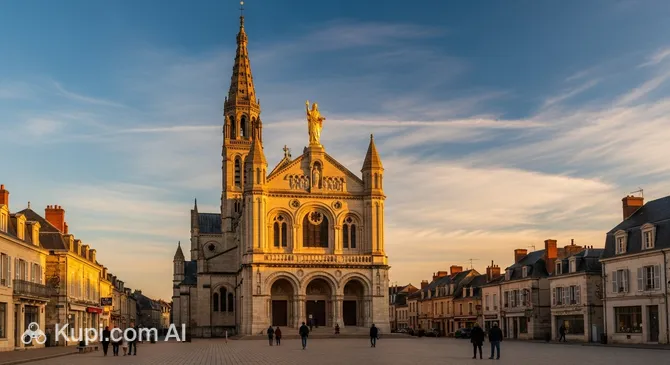
Albert. Illustration.
Source: Kupi.com AI

Geographically, the town enjoys a favorable position in the heart of the historical Picardy region. Here, among the rolling hills and green fields of the Somme department, a steady pace of life prevails. Walking through the local streets, one can notice how harmoniously modernity and the complex history of Albert intertwine. The architectural appearance of the town and its well-kept green parks create excellent conditions for leisurely walks and cycling.

Among the town's key features, its main architectural gem stands out—the Basilica of Notre-Dame de Brebières, crowned by the famous "Golden Virgin" statue. The town is also known for the Somme 1916 Museum, which immerses visitors in the events of the last century. Additionally, Albert is famous for its gastronomic traditions: numerous cafes serving local cuisine can be found in its cozy squares.

This town is an ideal choice for those seeking new experiences and soul-warming hospitality. Whether you are an architecture enthusiast or simply a tourist wishing to enjoy the tranquility of the French countryside, Albert is sure to leave you with warm memories.
Weather Overview

The climate in Albert is temperate and mild, making the town accessible for visiting almost year-round. There is no extreme heat or severe frost here, although the weather can be changeable. Expect a comfortable, warm summer and a cool, rather damp winter.

The most pleasant time to travel is during the summer months. In July and August, the average temperature is around 18.5°C — 18.8°C, and during the day, the air often warms up to a pleasant 23°C. These are ideal conditions for long walks around the town and its surroundings. In winter, especially in January and December, it becomes noticeably cooler: average indicators drop to 4–6°C, although severe frosts are rare.

When planning your trip, it is worth remembering the high probability of precipitation. Rain falls regularly here regardless of the season: on average, 10 to 15 "wet" days are recorded per month. Therefore, an umbrella or a light raincoat will be your faithful companions. To better prepare for your trip and choose suitable clothing, we recommend checking the detailed weather in Albert in advance.

Average monthly temperature

Average monthly precipitation

Interesting Facts

Albert holds many more secrets than it might seem at first glance. Behind its building facades and picturesque landscapes lie surprising facts that make a walk through the town a true discovery.

  • The Golden Lighthouse of Picardy. The town's calling card is the magnificent Basilica of Notre-Dame de Brebières. Its dome is crowned by a statue of the Virgin Mary covered in gold leaf, which is visible from afar and serves as a kind of landmark for travelers. The amazing combination of Neobyzantine and Romanesque styles makes this building an architectural masterpiece of the region.

  • Underground Labyrinths. One of the most intriguing features of the town is that part of its history is hidden deep underground. The famous Somme 1916 Museum is an extensive network of tunnels and corridors transformed into an exhibition. A walk along this underground route allows you to learn about the daily life and history of the region in past eras.

  • The Somme Path. For lovers of active recreation, Albert offers unique routes known as the "Somme Path." This is not just a pedestrian zone, but a scenic path passing through the most beautiful natural corners of the surroundings, ideally suited for cycling and meditative landscape viewing.

  • City of Festivals. Despite its modest size, Albert is distinguished by a rich cultural life. Local residents are famous for their hospitality, regularly organizing music festivals, theatrical performances, and fairs that immerse guests in the authentic traditions of the country's north.

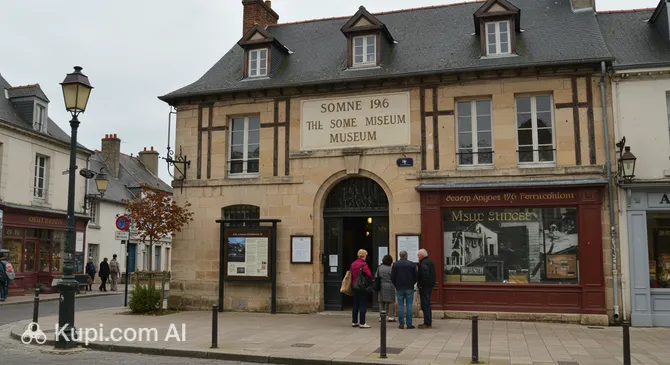
Somme 1916 Museum. Illustration.
Source: Kupi.com AI

Traveler photos:

How to Get There

When planning a trip to the Hauts-de-France region, it is worth thinking through your route in advance, as the town is located slightly away from major highways, though it still has good transport accessibility. You can find more details on how to get to Albert by studying various logistics options and choosing the one that suits you best.

Albert does not have its own airport, so most tourists arrive in neighboring large cities. A convenient option for budget travelers is Beauvais–Tillé Airport (BVA). It is located about 72 km from the town. A trip from there by car or transfer usually takes about 1 hour.

For those arriving on international flights with major airlines, the main point of arrival will be Charles de Gaulle Airport (CDG). This is the country's main aviation hub, located 110 km from Albert. Thanks to high-speed highways, the travel time by car from the terminal to the town center will be approximately 1 hour 30 minutes. You can also consider Lille Airport (LIL), which is 71 km away and will also take about an hour by road.

Below is information on the nearest airports for planning your flight, including passenger traffic data to help estimate the scale of each transport hub:

AirportPassenger trafficDistance
Lille Airport1.8 mln71 km
Beauvais-Tille Airport6.5 mln72 km
Charles de Gaulle Airport70.3 mln110 km
Ostend-Bruges International Airport386 387134 km
Charleroi Brussels South Airport10.5 mln138 km

Rail transport is an excellent alternative for those traveling around Europe. The nearest station for TGV high-speed trains is Gare TGV Haute-Picardie. The station is located in the countryside, about 20 km from Albert. From here, the town can be reached by pre-booked taxi or shuttle in just 20–25 minutes.

Another popular option is Arras Station, located 33 km from Albert. It is a major hub where trains arrive from many cities in France. A car journey from Arras station to your hotel in Albert will take about 35–40 minutes.

List of the nearest railway stations with annual passenger traffic data:

StationPassenger trafficDistance
TGV Haute Picardie Station337 46420 km
Arras Station4.1 mln33 km
Douai Station3.5 mln52 km
Lille Flandres Station19.5 mln77 km
Lille Europe Station7.2 mln77 km
Roubaix Station127 29385 km

Main Attractions

Albert, located in the heart of historical Picardy, is a key point for exploring the region's history. The town and its surroundings preserve the memory of significant events from the last century while also offering guests impressive architecture and places for peaceful walks. Here, majestic monuments and the cozy atmosphere of the French provinces blend harmoniously.

One of the most visited locations is the Somme 1916 Museum. This unique space is located in an underground tunnel at a depth of 10 meters, which originally served as a shelter during air raids. The 250-meter-long exhibition recreates the daily lives of soldiers in the trenches in great detail, featuring mannequins in uniform, original weapons, personal belongings, and medical instruments from that era. The atmosphere of the underground passage allows tourists to connect more deeply with history and understand the scale of the events that took place on these lands.

Somme 1916 Museum. Illustration.
Source: Kupi.com AI

Traveler photos:

It is impossible to imagine the town's skyline without the Basilica of Notre-Dame de Brebières. This majestic Neobyzantine-style church inspires awe with its rich decor and grand scale. The main symbol of the basilica is the gilded statue of the Virgin Mary and child crowning the dome. Locals call her the "Golden Virgin." The building seen today was meticulously restored according to original blueprints, and its interior now amazes visitors with its mosaics and the play of light within the naves.

Just a few kilometers from the town center lies the Thiepval Memorial—the largest British military monument in the world. Its monumental brick arch, designed by architect Edwin Lutyens, is visible for many kilometers. A place of silence and remembrance surrounded by green fields, it makes a powerful impression with its strict geometry and solemnity. A visitor center is located nearby, where you can learn more about the history of the monument's construction.

Another impressive site in the immediate vicinity of Albert is the Lochnagar Crater in La Boisselle. This massive crater, measuring about 100 meters in diameter and 30 meters deep, was formed by a mine explosion in 1916. Today, it has been transformed into an open-air memorial complex. Walking around the crater on specially equipped wooden boardwalks allows visitors to grasp the power of the historical events that forever changed the landscape of this area.

For those who want to take a break from historical excursions, the Public Garden (Jardin Public) is a perfect choice. This picturesque park, laid out by the Ancre River, is a favorite holiday spot for townspeople. Here you can stroll among century-old trees and admire the decorative waterfall and flower beds. The garden is especially beautiful in spring and summer when nature is in full bloom, creating ideal conditions for a picnic or reading a book in the fresh air.

Local Cuisine

The gastronomic scene in Albert is a reflection of the generous traditions of the Hauts-de-France region and the historical area of Picardy. People here love hearty, soul-warming food. Local cuisine is famous for its meat delicacies, aromatic pâtés, and various pastries that will satisfy any gourmet.

The main culinary symbol you must try is the flamiche picarde. This is an open tart with a delicate filling of leeks and thick cream, served hot. Local menus also frequently feature duck and rabbit dishes, stewed in sauces or baked with vegetables. For snack lovers, traditional terrines and sausages prepared according to old recipes are a must.

As for drinks, northern France is famous for its cider. This light alcoholic beverage made from local apples perfectly complements meat dishes and cheeses. Of course, a French meal is rarely complete without wine, but cider is considered the authentic choice in this area. For those who prefer non-alcoholic drinks, fresh juices and excellent coffee are always available in the many coffee shops.

The food culture in Albert is casual and cozy. Residents often buy fresh produce—farm cheeses, homemade bread, and vegetables—at the town markets. It is customary here to start the morning in small bakeries (boulangeries), where the displays are filled with crunchy baguettes and airy croissants. In good weather, tourists and townspeople often organize picnics in the parks, enjoying the taste of simple but high-quality local products.

If you are lucky enough to be in town during one of the gastronomic festivals, don't miss the chance to meet the producers in person. At these fairs, you can taste rare types of cheese and sweets and learn the secrets of Picardy's culinary masters.

Travel Tips

Welcome to Albert! To ensure your trip through this historic corner of Picardy is as comfortable and carefree as possible, we have prepared a list of useful recommendations. These simple but important tips will help you avoid common mistakes and enjoy the town's atmosphere.

  1. Clothing and Weather. The climate in the Hauts-de-France region is changeable, and rain can start suddenly even in summer. Be sure to bring comfortable waterproof shoes for walking and a raincoat or umbrella. Since visiting Albert often includes trips to memorials and churches, such as the Basilica, dress respectfully: avoid overly revealing outfits (shorts and tank tops are better left for the beach).

  2. Transport. The town of Albert itself is very compact, and its center is best explored on foot. However, if your goal is to visit the battlefields and memorials in the surrounding area (Thiepval, Beaumont-Hamel), it is highly recommended to rent a car. Public transport to remote monuments is infrequent, and taxis are better booked in advance, as catching a car on the street can be difficult.

  3. Finances. The official currency is the Euro. Most restaurants and museums accept Visa and Mastercard. However, for purchases in small bakeries, souvenir shops, or at the weekly market, it is better to have cash on hand, especially coins and small bills. Tipping in France is generally already included in the bill, but leaving 1–2 euros on the table as a sign of gratitude is considered good manners.

  4. Health and Safety. Albert is a quiet and safe town. Pharmacies are easily recognized by a green neon cross; if a pharmacy is closed, the address of the duty station is usually posted on the door. The single emergency number is 112. Tap water is safe to drink, but many tourists prefer bottled water for its taste.

  5. Communication and Language. Although the official language is French, the level of English here is higher than the average for the French provinces due to the large flow of tourists from the UK and Commonwealth countries (visiting to honor their ancestors). Nevertheless, politeness opens any door: start any conversation with the phrase "Bonjour" (Good day), even if you switch to English afterward. Free Wi-Fi is available in hotels and some cafes, but for stable connectivity, it is better to buy a local SIM card at a tobacco shop (Tabac).

  6. Local Etiquette. When entering a shop or cafe, always greet the seller or staff—it is an important part of French culture. At military cemeteries and memorials, maintain silence and restraint. Loud talking, laughing, or picnicking in such places is considered disrespectful.

  7. What to Avoid. Do not plan lunch after 2:00 PM. In provincial France, restaurants strictly observe their working hours: lunch is usually served from 12:00 PM to 2:00 PM, and dinner starts after 7:00 PM. Between these hours, it will be difficult to find a full hot meal—you will likely have to make do with sandwiches from a bakery.

  8. Additional Tip. If you plan to visit the Somme 1916 Museum, keep in mind that the temperature in the underground tunnels stays around 10°C year-round. Even if it is a hot summer outside, bring a sweater or a light jacket for the descent into the museum to avoid getting cold during the tour.

We hope these tips help you plan the perfect trip. May Albert be remembered not only for its moving history but also for the warm hospitality of the locals and the coziness of the true French countryside!

Entertainment & Nightlife

Nightlife in Albert is characterized by a quiet and intimate nature. You won't find loud metropolitan clubs or discos that stay open until dawn here. Evening leisure in this town primarily consists of cozy gatherings in local brasseries, long dinners with wine, and lively conversation in pubs where both locals and travelers gathering to experience the region's history meet.

The epicenter of evening activity is the area around the main square, Place d'Armes, and the streets adjacent to the Basilica. This is where you'll find the main establishments that welcome guests late into the evening. The atmosphere is casual and friendly: there is no dress code, and you will feel comfortable in regular everyday clothes. The crowd here is diverse—from young people to elderly couples enjoying an evening coffee or aperitif.

If you're looking for a livelier atmosphere, check out central spots like Le Mac Gowan. This is a popular Irish-themed venue where you can try various types of beer, watch sports broadcasts, and occasionally listen to music. For a more relaxed evening with a glass of wine and traditional snacks, Le Bistrot is an excellent choice. Located right by the main square, this establishment offers a wonderful view of the majestic Basilica, which is particularly beautiful in the sunset or under evening illumination.

Practical tips for tourists:

  • Opening hours: Keep in mind that the rhythm of life in provincial France differs from the capital. Most restaurant kitchens close by 9:30 PM–10:00 PM. Bars may stay open until midnight or 1:00 AM, especially on Fridays and Saturdays, but on weekdays the town goes to sleep quite early.
  • Safety: Albert is a quiet and safe town. Walking through the night streets, even alone, does not cause concern. The center is well-lit and patrolled.
  • Transport: There is no night public transport here. Since the town is compact, most hotels can be easily reached on foot. If you need a taxi, it must be booked in advance during the day or you should ask bar staff to call one—catching one on the street at night is almost impossible.

When speaking of entertainment, one cannot forget the cultural component. Film lovers can visit the historic Le Casino cinema, which has preserved its old-school charm and offers the latest releases. For those who want to combine relaxation with an educational program, the Somme 1916 Museum is an important stop. Although the museum operates during the day, the emotions experienced there often set the tone for the entire stay in the town, and they are particularly interesting to discuss with fellow travelers in one of the quiet evening cafes.

Parks & Museums

Albert is a town where history intertwines with natural beauty, offering tourists not only an immersion into the past but also opportunities for quiet relaxation in the fresh air. Despite its modest size, the town possesses picturesque green zones and unique museum spaces that allow for a deeper understanding of the culture and heritage of the Hauts-de-France region.

The town's main natural ornament is the Public Garden (Jardin Public). This magnificent English-style park, laid out at the foot of the ramparts, is considered one of the most beautiful in the department. Here you can stroll along the Ancre River, admire rare tree species in the arboretum, and enjoy the view of the "Grand Cascade"—a picturesque waterfall that creates an atmosphere of peace. For lovers of wilder nature, the Étangs du Vélodrome (Velodrome Ponds) are suitable. This area, located slightly away from the center, attracts anglers and those looking for quiet by the water surrounded by thick greenery.

The cultural center of attraction for travelers from all over the world is the Somme 1916 Museum. This unique museum is located in underground galleries that were used as air-raid shelters during the war. Descending to a depth of 10 meters, visitors enter the atmosphere of the early 20th century: realistic dioramas, sound effects, and a rich collection of artifacts recreate the daily life of soldiers in the trenches in detail. This place leaves a strong emotional impression and is a must-see for anyone interested in history.

The second most significant cultural and historical site, often perceived as a museum of architecture and art, is the Basilica of Notre-Dame de Brebières. Although it is an active church, its interior decoration, mosaics, and majestic naves attract art connoisseurs. The building is a masterpiece of Neobyzantine eclectic style and a symbol of the town's rebirth after destruction. It is also worth mentioning that the entire center of Albert can be viewed as an open-air gallery dedicated to the Art Deco style. The facades of houses on the central streets, restored in the 1920s, showcase the characteristic geometric patterns and elegance of that era.

For those who want to see the town through the eyes of the locals, we suggest paying attention to the small paths along the Ancre River outside the main park. Here, away from the main tourist routes, you can find old locks and enjoy the view of the Basilica spire reflecting in the calm water—an ideal spot for memorable photos.

Getting Around

The transport system in the town of Albert is characterized by simplicity and compactness, which perfectly matches its status as a small provincial town. You won't find the metro, trams, or trolleybuses typical of big cities here. Thanks to the small size of the settlement, the historical center and main attractions can easily be explored on foot while enjoying the architecture and the quiet atmosphere of the streets.

The key transport hub is the railway station (Gare d'Albert), located near the center. It serves regional TER trains that connect the town with Amiens and Lille. This is the most reliable way to reach neighboring large cities. Train tickets can be purchased at the station ticket offices or at special blue or yellow self-service machines. Don't forget to validate your ticket in the yellow validation machines before heading onto the platform, otherwise you risk a fine.

Bus service within the town itself is limited, as there is no pressing need for it given the walking distances. However, routes of the regional bus network (the Trans'80 network) pass through Albert, connecting it with neighboring villages and the memorial sites of the Battle of the Somme. A bus ticket can usually be bought directly from the driver upon boarding, paying in cash (it's best to have small coins). The fare is affordable, usually costing just a couple of euros.

For tourists planning to visit military memorials and cemeteries in the surroundings, public transport may not be the most convenient option due to infrequent schedules. In such cases, using a taxi service is highly recommended. It is important to keep in mind that "hailing" a car on the street is almost impossible here. Taxis must be booked in advance by phone or through your hotel reception, especially if you are planning a trip on weekends or holidays.

The most flexible way to get around the region remains a rental car. This will give you freedom from schedules and allow you to reach remote corners where public transport does not go. There are parking lots in the town, many of which are free or require the use of a special parking disc (disque de stationnement) to limit parking time in "blue zones." Cycling is also a popular alternative: the flat terrain makes for comfortable bike rides.

Accommodation

Accommodation options in Albert perfectly reflect the atmosphere of the town itself: you won't find massive hotel complexes or luxury chain giants here. Instead, travelers are met with comfort and intimacy. The housing stock primarily consists of small 2–3 star hotels, family guest houses (chambres d'hôtes), and apartments rented out by local residents. This allows guests to immerse themselves in the authentic daily life of the French province.

Where to Stay: Town Districts

Since Albert is compact, the concept of "districts" is quite relative here. The most convenient and popular place to stay is the historical center. Choosing a hotel within a 5–10 minute walk of the Basilica of Notre-Dame de Brebières or the railway station ensures you are within walking distance of all restaurants, shops, and museums. This is an ideal option for those traveling without a car.

For tourists arriving by car and planning to explore the surrounding battlefields, an excellent alternative is gîtes—country houses located both on the outskirts of Albert and in neighboring picturesque villages. This type of accommodation often offers more space, a private kitchen, and the tranquility of the countryside.

Booking Tips

It is important to remember that Albert is a hub for "remembrance tourism" in France. On national commemorative dates, especially around July 1st (the anniversary of the start of the Battle of the Somme) and November 11th (Armistice Day), the town fills up with delegations and tourists from the UK, Canada, and Australia. During these periods, as well as the high summer season, the demand for housing drastically exceeds supply.

It is strongly recommended to book a room 3–4 months before your trip if your visit falls in summer or on commemorative dates. During the off-season, you can usually find an available room just a couple of weeks before your visit.

Prices and Payment Methods

The price range in Albert can be described as moderate. The cost of living here is significantly lower than in Paris or Lille. The main categories of housing are as follows:

  • Budget segment: Small rooms in guest houses or simple apartments, available for budget-conscious tourists.
  • Mid-range: Standard rooms in town hotels, usually including breakfast and basic amenities.
  • Luxury: There are no premium hotels in the town itself; for a high level of service and an exclusive atmosphere, you will have to look for castle hotels (château-hôtels) in the region's countryside.

Most accommodation options are listed on major international booking platforms. However, many small B&Bs prefer direct booking through their own websites or by email, which can sometimes result in a better price.

Nearby Cities

For those wishing to explore the surrounding area, Albert serves as an excellent starting point for day trips to several interesting nearby locations. The town's convenient location allows you to reach true gems of the Hauts-de-France region in just thirty minutes to an hour.

One of the most popular destinations is Amiens, famous for its grand Gothic cathedral, a UNESCO World Heritage site, and its unique "floating gardens"—the hortillonnages. Also worth visiting is Arras, which delights tourists with its two magnificent Flemish Baroque squares and historic belfry. Architecture enthusiasts from the early 20th century will find Saint-Quentin interesting, known for its Art Deco facades and basilica.

CityPopulationDistance
Saint-Gratien20 89518 km
Amiens134 70628 km
Arras41 69433 km
Cambrai32 50146 km
Liévin30 42347 km

These nearby destinations provide a complete picture of the diverse culture, history, and landscapes of the region, making your trip even more rewarding.

Shopping & Souvenirs

General Overview

Shopping in Albert is a calm and pleasant activity, devoid of the bustle of large metropolises. You won't find huge shopping galleries with luxury brands here, but the town charms visitors with its small private shops where owners know many customers by name. The main focus is on high-quality local products, daily essentials, and, of course, souvenirs related to the region's rich history.

Main Shopping Areas and Streets

The heart of the town's commercial life beats in its center. The main artery for shopping enthusiasts is Rue Jeanne d'Harcourt. Walking along this street and the adjacent lanes near the Basilica, you will discover cozy boutiques with clothing, bookstores, pharmacies, and home decor shops. It is an ideal place for a leisurely stroll combined with window shopping.

Shopping Centers

There are no large malls in the very center of Albert. For more extensive shopping, locals head to the outskirts of the town, to commercial zones where large supermarkets and chain stores for electronics and sporting goods are located. However, for a tourist, the central shops with their authentic atmosphere and individual approach are of the most interest.

Markets

The true spirit of provincial France can be felt at the weekly market. It usually takes place on Saturday mornings at Place Emile Leturcq. Here, farmers from neighboring villages offer fresh vegetables, fruits, craft cheeses, and meat delicacies. This is a great place to buy food for a picnic or simply observe the lively yet steady life of the townspeople.

Souvenirs

Given the town's historical significance, many souvenirs here are related to the memory of the First World War. In the souvenir shop offered by the Somme 1916 Museum, you can find books, postcards, and items featuring poppies—the main flower of remembrance. Additionally, it is worth bringing back gastronomic gifts from Albert: local terrines, Picardy beer, or traditional sweets from town confectioneries.

Opening Hours and Payment

Shops in Albert follow a traditional schedule. They are usually open from 9:00 AM or 10:00 AM to 7:00 PM, but they always close for a lunch break from 12:00 PM to 2:00 PM. Sunday is a day off for most boutiques, and some may also be closed on Monday mornings. Bank cards are accepted almost everywhere, but for market purchases or small souvenirs, it is better to have some cash with you.

Tax Free

Tourists from non-EU countries can take advantage of the tax refund system (Détaxe) when purchasing goods worth over 100.01 euros in a single store. However, it should be noted that in the small shops of Albert, this service may not be available, so we recommend checking for a "Tax Free" sticker at the entrance or asking the salesperson in advance.

Nearby cities

Reached the end of the page?

That means the route is fully explored