Support

Hughes

About

Hughes is a captivating destination for those looking to experience the rugged and authentic beauty of the Far North. Nestled on a high bluff along the east bank of the Koyukuk River, this remote community offers a glimpse into a lifestyle defined by the vast wilderness and deep connection to the land. As a small city in the Yukon-Koyukuk region, it provides a serene escape far removed from the hustle of urban life.

Located in the United States, specifically within the expansive interior of Alaska, Hughes is characterized by its subarctic climate and dramatic seasonal changes. With a population of approximately 78 residents, the city maintains a close-knit, village atmosphere where visitors are often welcomed with genuine hospitality. The area is accessible primarily by air or water, adding to its allure as a secluded retreat for adventurous travelers.
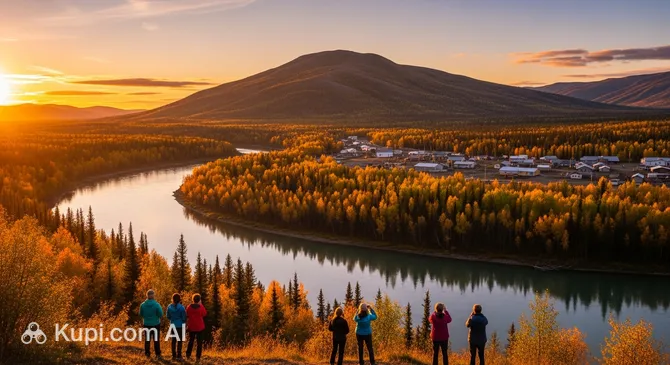
Hughes. Source: Kupi.Binoculars

The cultural roots of the area run deep, with a heritage strongly tied to the Koyukon Athabascan people. Originally used as a fish camp and later developing into a supply port for local mining operations, the settlement has evolved while retaining its traditions. Travelers interested in the region's past can delve into the history of Hughes to understand how this riverboat landing grew into the community it is today.

For nature enthusiasts, Hughes is a gateway to unparalleled outdoor activities. The Koyukuk River is a focal point for fishing and boating, offering chances to catch sheefish, northern pike, and salmon in pristine waters. In the winter months, the dark skies provide a perfect canvas for viewing the mesmerizing Northern Lights, while the surrounding landscape invites exploration through snowmachining and dog mushing. Whether you are seeking solitude or an authentic Alaskan adventure, Hughes invites you to discover the quiet majesty of the Arctic interior.

Weather Overview

The climate in this remote Alaskan community is subarctic, characterized by extreme differences between the seasons. Travelers should be prepared for long, freezing winters and short, relatively mild summers. For the most accurate forecasts and historical data to help plan your trip, consulting the guide to the weather in Hughes is highly recommended.

Winter conditions are severe, with January typically being the coldest month. Average temperatures drop to around -22.7°C, and minimums can plummet to -25.3°C. While the air is generally dry, precipitation occurs on about 8 to 12 days per month during the colder season. In contrast, July stands out as the warmest time of year, with average temperatures reaching a comfortable 15.5°C and daily highs occasionally approaching 20°C.

Although the total volume of precipitation is quite low year-round—often just a few millimeters per month—the frequency of precipitation events varies. Late summer tends to be damper, with August experiencing approximately 17 wet days, usually in the form of light rain or drizzle. Expect mild summers with occasional rain and cold, dry winters.

Interesting Facts

Beyond its scenic river views, Hughes holds a history shaped by resilience and unique logistical challenges that few visitors are aware of. This small community is defined not just by its location, but by a past involving gold miners, catastrophic weather events, and a strong will to survive in the wilderness.

  • Distinguished Namesake: The city was named in 1910 in honor of Charles Evans Hughes, who was the Governor of New York at the time and later served as the Chief Justice of the United States Supreme Court.

  • Relocated by Force: The community sits on a high bluff today largely out of necessity; a devastating flood in September 1994 nearly destroyed the original lower townsite, forcing residents to move homes and buildings to higher ground for safety.

  • Gold Rush Origins: While it has long been a traditional fish camp, the modern settlement developed rapidly as a strategic riverboat landing and supply port for gold miners working in the nearby Indian River and Alfred Creek areas.

  • A Roadless Enclave: There are absolutely no roads connecting Hughes to the rest of the state, meaning all heavy supplies—from fuel to construction materials—must arrive via barges on the Koyukuk River during the short summer season or by air.

How to Get There

Reaching this remote community is an adventure in itself, as Hughes is not connected to the continuous road system of Alaska. Visitors typically arrange their travel through regional air hubs before connecting to the village. You can find more about how to get to Hughes on our detailed transport page, which outlines the specific logistics of traveling to the interior.

The city of Hughes does not have a major commercial airport capable of handling large jets, but it is served by regional aviation networks. One of the key hubs in the wider vicinity is Edward G. Pitka Sr. Airport (GAL), located in the city of Galena, approximately 192 km away. This facility is a crucial transport node for the region. Another option is Nulato Airport (NUL), situated in Nulato, which is about 231 km from Hughes. Since there are no roads connecting these locations to Hughes, travel from these airports typically involves arranging a smaller bush plane or charter flight rather than ground transport.

For clarity, here is a summary of the main airports in the surrounding region:

Airport Name City Passenger Traffic Km from City
Edward G. Pitka Sr. Airport Galena Regional 191.9
Nulato Airport Nulato Small 230.9
Shungnak Airport Shungnak Small 159.4

Main Attractions

Hughes is a destination defined not by man-made monuments, but by the overwhelming grandeur of the Alaskan interior. For the few intrepid travelers who visit this remote village, the primary attractions are the pristine natural features and the opportunity to witness a subsistence lifestyle that has endured for generations. Here, the wilderness itself is the main event, offering a profound sense of solitude and connection to the land.

The Koyukuk River serves as the heart of the community and a major draw for outdoor enthusiasts. In the summer months, the river transforms into a bustling highway for boats and a prime location for fishing. Anglers can cast their lines for sheefish, northern pike, and grayling in waters that are exceptionally clear and uncrowded. A boat trip along the river offers not only the chance for a catch but also the possibility of spotting local wildlife, such as moose or bears, along the banks.

For those who prefer solid ground, the Surrounding Bluff and Hills offer excellent opportunities for hiking and photography. Since the community relocated to a high bluff to avoid flooding, the village itself provides a unique vantage point overlooking the river valley. Hiking in the immediate vicinity allows visitors to experience the vastness of the subarctic taiga, with sweeping views that are particularly breathtaking under the midnight sun of summer or the golden hues of autumn.

In the winter, the dark skies over Hughes become a spectacular canvas for the Northern Lights (Aurora Borealis). Far from the light pollution of major cities, the auroras here are vivid and frequent, dancing across the horizon in shades of green and purple. During this season, the frozen landscape also opens up for traditional winter activities such as dog mushing and snowmachining, which remain essential modes of travel and recreation for the local residents.

Local Cuisine

The local cuisine in Hughes is deeply rooted in the subsistence lifestyle of the Koyukon Athabascan people. In this remote village, you will not find fine dining establishments or fast-food chains; instead, the food culture revolves around what can be harvested from the land and the river. For visitors, this offers a rare opportunity to taste ingredients that are completely organic and wild-caught, often prepared using traditional methods passed down through generations.

Fish is the primary staple of the local diet, with the Koyukuk River providing an abundance of salmon, whitefish, and sheefish. Smoked salmon strips are a signature delicacy, cured to perfection and often eaten as a high-energy snack. Another dish worth trying if you are invited to a local gathering is moose soup, a hearty and warming broth filled with fresh meat and vegetables, which serves as a comfort food during the cold interior winters. During the summer, fresh berries such as blueberries and cranberries are gathered and often mixed with sugar or fat to create simple, nutritious desserts.

When it comes to beverages, hot drinks are a daily necessity to combat the subarctic chill. Coffee and tea are the standard drinks of choice and are brewed constantly in homes and community gathering spots. While store-bought beverages are available, you might also encounter traditional teas made from local plants like Hudson's Bay tea (Labrador tea), known for its aromatic and warming properties. Travelers should be aware that many rural Alaskan communities have strict regulations regarding alcohol, so it is respectful to inquire about local rules before bringing or consuming alcoholic drinks.

Tourists planning a trip to Hughes should be aware that there are no commercial restaurants or cafes in the city. The food scene is domestic and communal rather than commercial. Visitors typically bring their own food supplies or purchase basic groceries at the local general store. However, the hospitality in Hughes is legendary; it is not uncommon for visitors to be invited to a community potlatch or a family dinner, where the sharing of a fresh catch or a successful hunt is a central part of the social fabric.

Travel Tips

Visiting a remote community like Hughes requires a different level of preparation than a standard vacation. Because this village is isolated in the Alaskan interior with no road access, self-sufficiency and respect for local customs are the keys to a successful trip. These practical tips will help you navigate the unique logistics of the bush and ensure your stay is safe and enjoyable.

  1. Clothing and Gear: The subarctic climate demands serious preparation. In winter, you must bring heavy-duty thermal layers, a parka rated for extreme negative temperatures, and insulated boots. For summer visits, waterproof hiking boots and rain gear are essential, as the weather can turn wet quickly. Crucially, bring a high-quality head net and strong insect repellent, as mosquitoes and biting flies can be intense during the warmer months.

  2. Transportation: Forget about car rentals or ride-hailing apps; there are no roads connecting Hughes to the outside world, and no taxis within the village. You will arrive by small bush plane. Once in the village, the primary mode of getting around is walking, or in some cases, locals may offer a ride on an ATV (four-wheeler) or snowmachine depending on the season. Be prepared to cover short distances on foot.

  3. Finances: Cash is king in rural Alaska. While there may be a small general store that accepts cards, connectivity issues can render electronic payments useless. There are no ATMs in Hughes, so you must withdraw sufficient cash before leaving a major hub like Fairbanks or Galena. Budget significantly more for basic goods than you would in a city, as freight costs make everything expensive.

  4. Health and Safety: Medical facilities are limited to a local clinic staffed by health aides; there is no hospital. It is vital to purchase travel insurance that covers medical evacuation (medevac), as a serious emergency will require a flight out. Additionally, you are in bear country. Carry bear spray, know how to use it, and never leave food attractants unsecured outdoors.

  5. Communication: English is the primary language spoken in Hughes. Cell phone coverage in rural Alaskan villages is often limited to specific regional carriers (like GCI) and may not support roaming for major national providers. Wi-Fi is rarely available publicly. It is wise to bring a satellite communication device (like inReach) for emergencies if you plan to venture beyond the immediate village area.

  6. Local Etiquette: The community is tight-knit and values privacy. Always ask for permission before photographing residents, their homes, or their equipment (such as fish racks or sled dogs). When walking through the village, a friendly wave or greeting to passersby is customary. If you encounter elders, showing deference and letting them speak first is a sign of respect.

  7. What to Avoid: Do not bring alcohol or drugs without explicitly checking the current local laws. Many villages in rural Alaska are "dry" (possession is illegal) or "damp" (possession is limited, but sale is illegal). violating these rules is a serious offense. Also, avoid walking on private property or touching fishing gear near the river, as these are essential tools for the locals' livelihood.

  8. Food and Supplies: Since there are no restaurants in Hughes, you must plan your meals in advance. Bring your own food staples, snacks, and any specific dietary requirements with you on the plane. While you might be able to buy basic canned goods at the village store, the selection is limited and intended for residents, so do not rely on it for your entire trip.

Traveling to Hughes offers a rare opportunity to disconnect and experience the raw beauty of the Koyukuk River valley. By packing the right gear, respecting the local lifestyle, and arriving with a flexible mindset, you will be well-equipped to appreciate the quiet solitude and warm hospitality of this unique Alaskan community.

Entertainment & Nightlife

Travelers planning a visit to Hughes should adjust their expectations regarding nightlife and entertainment. As a small, remote community with a population of fewer than 100 residents, Hughes does not have a commercial nightlife scene. There are no bars, nightclubs, discos, or concert venues in the village. The "nightlife" here is defined by the profound silence of the wilderness and the rhythms of nature rather than bustling streets or parties. The atmosphere is peaceful, secluded, and deeply connected to the surrounding environment.

Instead of neon lights, the main evening attraction in Hughes is the sky itself. During the winter months, the lack of light pollution makes this one of the best places on Earth to view the Northern Lights (Aurora Borealis). Visitors often spend their evenings on the high bluff overlooking the Koyukuk River, watching the spectacular displays of green and violet dancing overhead. Stargazing is equally impressive, offering a view of the cosmos that is rarely visible in more populated areas.

Social life in the village revolves around community events rather than commercial establishments. Occasional gatherings may be held at the Community Hall or the local school gymnasium, which sometimes hosts sports events or community celebrations. "Bingo nights" are a popular form of entertainment in many rural Alaskan villages and serve as a social hub for residents. If you are lucky enough to visit during a local festival or potlatch, you may experience traditional Athabascan singing and dancing, but these are authentic cultural events, not tourist performances.

Regarding alcohol, it is crucial to understand that Hughes is a community with strict local controls. There are no liquor stores or pubs where you can purchase a drink. Visitors should assume the village is "dry" or "damp" and strictly adhere to local laws regarding the possession and importation of alcohol. Bringing alcohol without permission or consuming it publicly can be considered disrespectful and may be illegal. The "dress code" for any evening activity here is purely functional: thermal layers, insulated boots, and warm parkas are the standard attire.

Safety is a primary concern when venturing out after dark. The village is located in prime bear country, and wildlife frequently moves through the area, especially near the riverbank. It is advisable to carry a flashlight and bear spray if you are walking outside at night. There are no taxis or public transport services; getting around is done entirely on foot or, if arranged privately with a local, by snowmachine or ATV.

Daytime entertainment is similarly low-key and lacks formal institutions like museums, theaters, or amusement parks. The "museum" is the land itself, filled with historical traces of gold mining and indigenous heritage. Visitors spend their days hiking the nearby hills, boating on the river, or simply soaking in the solitude. For entertainment, travelers are encouraged to bring their own books, playing cards, or hobbies, as the village offers a rare chance to disconnect from the digital world and enjoy a slower pace of life.

Parks & Museums

Hughes is not a destination defined by manicured city parks or grand exhibition halls; instead, it offers a raw, immersive experience where the vast Alaskan wilderness serves as a natural playground and the community itself acts as a living museum of Athabascan culture. Visitors here will find that the boundaries between the town and the surrounding taiga are fluid, offering direct access to unspoiled nature rather than enclosed green spaces.

The Koyukuk River Banks function as the primary recreational area for the village, effectively serving as the community's main "park." In the summer, the gravel bars and shorelines become a hub of activity for families and children, offering a place to launch boats, fish, or simply enjoy the sun during the long days. The river is the lifeblood of Hughes, and spending time along its edge provides a peaceful setting to watch the water flow and observe local wildlife.

Another significant natural area is the High Bluff upon which the modern village sits. Following the devastating flood of 1994, the community relocated to this elevated position, which now offers sweeping panoramic views of the river valley and the distant hills. It is an excellent spot for a casual walk, providing photographers and nature lovers with a vantage point to appreciate the scale of the subarctic landscape without venturing far into the bush.

regarding cultural institutions, travelers should be aware that there are no formal museums or art galleries within Hughes. The history and heritage of the Koyukon Athabascan people are not kept behind glass cases but are preserved through oral traditions, storytelling, and daily practices. The Hughes Community Hall often serves as the cultural heart of the village, hosting potlatches, dances, and meetings where traditions are shared, though it is a functional community space rather than a tourist attraction.

In terms of historical sites, the Old Townsite near the river level holds significant memory for the residents. While few structures remain following the relocation, the area stands as a testament to the community's resilience and its history as a riverboat landing and supply port for gold miners. Walking near the old landing offers a moment to reflect on the logistical challenges and the gold rush era that helped shape the settlement's early years.

For an authentic experience, ask a local about the best spots for berry picking during late summer. The hillsides surrounding Hughes are often rich with blueberries and cranberries, and gathering them is a beloved local pastime that offers a delicious connection to the land and a chance to experience the quiet abundance of the interior.

Getting Around

Travelers visiting Hughes must understand that the concept of public transportation does not apply in this remote village. There is absolutely no municipal transit system here: you will not find buses, trams, trolleybuses, or a metro. The infrastructure is minimal, consisting of gravel paths and trails rather than paved avenues, and the community is small enough that most destinations are within walking distance.

Because there is no organized transport network, there are no travel passes, transport cards, or mobile apps for ticketing. The familiar logistics of buying a ticket or validating a pass are irrelevant. If you need to transport heavy gear or travel a distance that is too far to walk, arrangements are typically made informally with local residents, often involving a negotiation for a ride rather than a standard fare.

For the vast majority of visitors, the primary mode of getting around is walking. In the summer months, locals frequently use All-Terrain Vehicles (ATVs or "four-wheelers") to navigate the gravel roads and river banks. During the long winter, snowmachines (snowmobiles) become the essential form of transport, allowing residents to travel over the frozen river and snow-covered terrain. As a tourist, you will likely not have access to these vehicles unless you have arranged a private guide or a local host offers you a ride.

Practical advice for navigating Hughes centers on being prepared for the elements rather than studying route maps. Since you will be walking everywhere, high-quality, waterproof footwear is non-negotiable. In summer, the ground can be muddy and uneven; in winter, insulated boots with good traction are vital to prevent frostbite and slipping on ice. Always carry a flashlight or headlamp if you are walking during the dark winter months, as there are no streetlights in many areas.

Do not expect to find taxis, ride-sharing services like Uber, or commercial car rental agencies in the village. Bike rentals are also non-existent. The transport "system" relies entirely on self-sufficiency and community goodwill. If you have mobility issues, it is critical to arrange support in advance with your lodging host or the air carrier, as there are no public accessibility services available upon arrival.

Accommodation

Travelers planning a visit to Hughes must be aware that the accommodation landscape is starkly different from standard tourist destinations. As a small, remote village with no road access, there are no commercial hotels, motels, or luxury resorts in the area. You will not find familiar hotel chains or listings on major online booking platforms. Accommodation here is functional, extremely limited, and primarily geared towards essential workers, contractors, or visiting officials rather than leisure tourists.

The primary option for visitors is typically a city-run lodging facility or transient housing managed by the local tribal council. These accommodations are generally basic, offering a warm bed and shelter but lacking amenities like room service, Wi-Fi, or private bathrooms. In some cases, informal arrangements can be made to stay with local families, offering a "homestay" style experience, though this relies entirely on personal connections and community hospitality. During the summer months, camping is an option for completely self-sufficient travelers, but this requires bringing high-quality, weather-resistant gear and being bear-aware.

Booking accommodation in Hughes cannot be done online. To secure a place to stay, you must contact the City of Hughes office or the Hughes Village Council directly by phone well in advance of your trip. It is critical to confirm your reservation before boarding your flight, as arriving without a guaranteed place to stay is dangerous in such a remote environment where outdoor temperatures can be life-threatening. Be prepared to pay in cash, as credit card processing facilities may not be available or reliable.

Prices for these limited accommodations can be higher than expected for the level of comfort provided, reflecting the high cost of utilities and maintenance in the Alaskan interior. Visitors should expect a rustic experience where luxury takes a backseat to warmth and safety. Always inquire about specific amenities—such as the availability of bedding, towels, and kitchen access—when booking, as you may need to bring your own sleeping bag or linens depending on the facility.

Nearby Cities

Exploring the vast expanse of Northern Alaska reveals a network of isolated communities, each with its own distinct character. While direct travel between these villages often requires planning via regional air hubs due to the lack of connecting roads, they collectively represent the diverse heritage of the interior and arctic regions. Travelers interested in the broader scope of rural Alaska might consider these destinations as part of a wider regional itinerary.

One significant destination in the wider area is Anaktuvuk Pass. Situated within the Gates of the Arctic National Park, it is the last remaining settlement of the Nunamiut people. Visitors here can experience a culture deeply intertwined with the caribou migration and visit the Simon Paneak Memorial Museum to learn about the indigenous history of the Brooks Range.

Further south, Nenana sits at the confluence of the Tanana and Nenana rivers. This town is a historic transportation hub, known for its riverboat heritage and the Alaska Railroad. It is perhaps most famous for the Nenana Ice Classic, a long-standing tradition where participants guess the exact minute the river ice breaks in spring, marking the change of seasons.

To the west, Selawik offers an immersion into a water-rich ecosystem. Located within the Selawik National Wildlife Refuge, this community is known as the "Place of Sheefish." It provides unique opportunities for observing migratory birds and understanding the subsistence lifestyle that relies on the complex wetlands of the region.

City Population Distance (km)
Selawik 830 265
Buckland 550 312
Nenana 400 292
Kiana 388 293
Anaktuvuk Pass 300 258

These nearby destinations, though spread across hundreds of kilometers of roadless terrain, share the resilience and beauty characteristic of the Alaskan bush.

Shopping & Souvenirs

Shopping in Hughes is a strictly utilitarian affair, reflecting the subsistence lifestyle of this remote interior community. Visitors should not expect a recreational shopping experience; there are no boutiques, fashion outlets, or souvenir stands here. Instead, commerce is limited to the absolute essentials required for survival in the Alaskan bush. For tourists, this means that "shopping" is essentially confined to purchasing basic provisions or perhaps negotiating directly with a local artisan for handmade crafts.

There are no designated shopping districts or commercial streets in Hughes. The entire retail sector is typically comprised of a single general store that serves the 78 residents. This store acts as the lifeline for the community, stocking shelf-stable foods, basic household goods, and limited outdoor supplies. It is located centrally within the village, easily accessible by foot from anywhere in the settlement. Do not expect a wide variety of brands or luxury items; the inventory is curated based on necessity and freight limitations.

Travelers looking for shopping malls or large department stores will find none in Hughes. The logistics of transporting goods by air or barge make large-scale retail impossible. The nearest shopping centers are hundreds of kilometers away in Fairbanks or Anchorage. Consequently, visitors must arrive fully equipped with all necessary gear, clothing, and specialty items, as replacing them locally is usually not an option.

Formal markets, such as flea markets or farmers' markets, do not exist in the city. However, the concept of trade is alive in a more traditional sense. Occasionally, the Community Hall may host gatherings where residents sell or trade goods, but these are irregular events rather than permanent fixtures. Fresh food markets are replaced by the subsistence harvest; you cannot buy fish at a market, but you might be gifted some by a local fisherman.

Regarding souvenirs, you will not find mass-produced trinkets or postcards. The only "shopping" for keepsakes involves purchasing authentic Athabascan handicrafts directly from local artists. If you are fortunate, you may find residents who create exquisite beadwork, moose hide moccasins, or fur items. These transactions are personal and informal; the best way to find them is to respectfully ask a local if anyone in the village has items for sale.

Store hours in Hughes can be sporadic and may change without notice, often revolving around the arrival of the mail plane or the storekeeper's schedule. It is best to visit during the middle of the day. Cash is the absolute standard for all transactions. While the general store might accept credit cards depending on connectivity, the internet service is often unreliable. Visitors should bring enough physical cash to cover all potential purchases, including food and any local crafts.

One financial benefit for visitors is that the state of Alaska does not impose a state sales tax. While some local municipalities in Alaska may levy their own taxes, the lack of a state-wide tax generally simplifies pricing. However, be aware that prices for goods in Hughes are significantly higher than the national average—often double or triple—due to the extreme costs associated with air freight and barge transport.

Reached the end of the page?

That means the route is fully explored