Support

Huslia

About

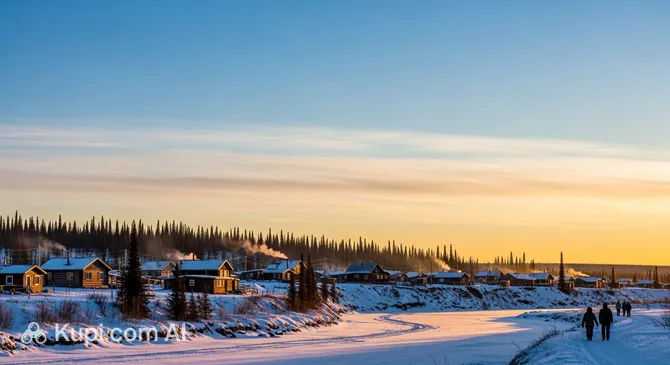
Huslia. Source: Kupi.Binoculars

Welcome to Huslia, a remote and culturally vibrant village nestled in the interior of Alaska. This small community offers an authentic glimpse into life in the far north, characterized by a deep connection to the land and a strong sense of tradition. Located on the high banks of the Koyukuk River, roughly 290 miles west of Fairbanks, Huslia is a destination for those seeking to understand the vast wilderness of the United States beyond its bustling cities. With a population of approximately 300 residents, the village maintains a quiet, close-knit atmosphere that is both welcoming and serene.

The settlement is predominantly inhabited by Koyukon Athabascans, and visitors here can learn much about the indigenous way of life. Exploring the history of Huslia reveals a fascinating narrative of resilience and adaptation, from its origins involving seasonal camps to its establishment as a permanent community in the mid-20th century. The local lifestyle is still heavily influenced by subsistence activities, with hunting, fishing, and gathering playing a central role in the daily lives of the locals.

Huslia is perhaps best known as a legendary hub for dog mushing. The village has produced some of Alaska's most celebrated mushers, including the famous George Attla, often called the "Huslia Hustler." During the winter months, the excitement of sprint dog sled racing fills the air, making it a thrilling time to visit. Additionally, the lack of light pollution in this remote region makes it an exceptional spot for viewing the mesmerizing Northern Lights (Aurora Borealis), which frequently dance across the dark winter skies.

Whether you are drawn by the legacy of sled dog racing or the call of the pristine Alaskan wilderness, Huslia offers a unique travel experience. It is a place where visitors can disconnect from the modern world and appreciate the stark beauty and warm hospitality of the Arctic environment.

Weather Overview

The climate in this region is defined by extreme contrasts, typical of the Alaskan interior. Winters are long and frigid, with January often being the coldest month, featuring average temperatures dropping to around -20.9°C. Travelers visiting during this season should be prepared for deep freezes, as minimum temperatures can easily plunge below -23.7°C.

Summer brings a dramatic shift, offering mild and comfortable conditions for outdoor activities. July is generally the warmest time of year, with average highs reaching 21.0°C. While precipitation is relatively low overall, August tends to be the dampest month with frequent wet days. Expect warm summers with occasional rain and cold, dry winters. For a more detailed forecast to help plan your packing, you can view the weather in Huslia page.

Interesting Facts

Beyond the main attractions and the thundering paws of sled dogs, Huslia holds fascinating stories that paint a vivid picture of life in the Alaskan interior. From its cinematic claims to fame to its history of resilience, this small community has a character distinct from any other settlement in the region.
  • A Village on the Move: Unlike many settlements that have existed in the same spot for centuries, the modern village of Huslia was established relatively recently, in 1949. The entire community relocated from a previous site known as "Cutoff" to the current location to access better ground and schooling facilities, demonstrating the remarkable adaptability of its residents.

  • Hollywood in the Wilderness: This remote village has a unique connection to the film industry through its most famous son, George Attla. His legendary dog mushing career inspired the 1979 movie Spirit of the Wind, which was filmed partly in the area and brought the fierce spirit of Huslia's competitors to international screens.

  • A Land of Extremes: Huslia experiences some of the most dramatic temperature fluctuations on the planet. The difference between the record lows of winter and the record highs of summer can exceed 150 degrees Fahrenheit (approximately 83 degrees Celsius), requiring locals to be masters of survival in both deep freezes and sweltering heat.

How to Get There

Reaching the remote community of Huslia in the Alaskan interior is an adventure that requires planning, as the village is not connected by a standard road system. There are no highways leading to this isolated settlement, so most travelers arrive via regional air services connecting through larger hubs. For a detailed overview of transportation options and logistics, you can read more about how to get to Huslia.

While Huslia has its own airstrip for local access, it does not have a major commercial airport. Visitors typically fly into Edward G. Pitka Sr. Airport (GAL) in the city of Galena, which is about 111 km away. This regional hub serves as a key transit point for the area. Since there are no roads connecting Galena to Huslia, onward travel must be completed by booking a connecting flight on a small bush plane. Another option for transit is Nulato Airport (NUL) in Nulato, located approximately 135 km away, which similarly requires air transport to reach the village.

For clarity, here is a summary of the main airports in the region:

Airport Name City Passenger Traffic Km from City
Unalakleet AirportUnalakleetSmall291.3
Edward G. Pitka Sr. AirportGalenaSmall110.7
Nulato AirportNulatoSmall134.8
Shungnak AirportShungnak136.5

Main Attractions

Huslia may be a small and remote village, but its rich cultural history and stunning natural surroundings offer visitors a unique set of attractions. The community is deeply connected to the land and its traditions, providing an authentic experience of the Alaskan interior that is hard to find elsewhere. Here are some of the main highlights to explore in and around the area.

Dog Mushing Heritage is the heart and soul of this community. Often referred to as the "Dog Mushing Capital of the World," Huslia is the hometown of the legendary George Attla, the "Huslia Hustler," whose racing career brought international fame to the village. Tourists visiting during the winter can witness the excitement of local sprint races and see how the tradition of raising and training sled dogs remains a vital part of daily life. The spirit of mushing permeates the village, offering a fascinating look into a sport that defines the local identity.

The majestic Koyukuk River serves as the lifeline of the region and a primary attraction for nature enthusiasts. In the summer, the river provides excellent opportunities for boating and fishing, with locals often seen harvesting salmon and other fish—a practice essential to their subsistence lifestyle. The riverbanks offer a serene setting for wildlife viewing, where lucky visitors might spot moose, bears, or migratory birds against the backdrop of the pristine wilderness.

For those willing to venture further afield, the Nogahabara Sand Dunes offer a surprising and unique geological spectacle. Located approximately 35 miles west of the village within the Koyukuk National Wildlife Refuge, these active sand dunes form a stark contrast to the surrounding boreal forest. Spanning roughly 6 miles in diameter, this circular field of shifting sands is a remnant of the last ice age and provides an adventurous destination for hikers and photographers looking for something truly unexpected in the Arctic.

Athabascan Cultural Experiences provide a window into the enduring traditions of the Koyukon people. Visitors are often welcomed with warm hospitality and may have the chance to observe traditional beadwork, skin sewing, or the preparation of subsistence foods. During community gatherings or potlatches held at the local hall, the village comes alive with traditional songs and dances, offering a profound connection to the history and resilience of the people who have called this land home for generations.

Local Cuisine

The culinary landscape of Huslia is defined not by five-star restaurants, but by a deep and enduring connection to the land. In this remote Athabascan village, "farm-to-table" is replaced by "wilderness-to-table," where the cuisine is centered around subsistence living. Visitors here will find that food is prepared with respect for the seasons and the resources provided by the surrounding forests and the Koyukuk River. The local diet is rich in proteins and natural fats, essential for fueling the body against the harsh interior Alaskan cold.

The cornerstone of the local diet is wild game and fish. Moose meat is a primary staple, often prepared in hearty soups, roasted, or dried for preservation. The Koyukuk River provides an abundance of fish, with salmon (King, Silver, and Chum) being harvested in the summer and often smoked or dried into "strips" to last through the winter. Another local delicacy is the sheefish, a large whitefish caught in the region, known for its rich, flaky meat which is delicious whether baked or dried.

No description of rural Alaskan food is complete without mentioning fry bread. This simple, deep-fried dough is a beloved comfort food, often served alongside soups or topped with jams made from locally gathered berries. Speaking of berries, the tundra around Huslia yields a treasure trove of blueberries, cranberries, and cloudberries in the late summer. These are commonly eaten fresh, frozen for winter, or whipped into Indian ice cream (a mixture of fats, berries, and sugar), a traditional treat often served at special gatherings.

When it comes to beverages, the choices are simple and functional. Hot coffee and tea are the drinks of choice, consumed throughout the day to keep warm and energized. While you won't find cocktail bars here, the purity of the local water, drawn from the pristine environment, is refreshing in its own right.

Travelers should be aware that Huslia does not have a commercial restaurant scene. There are no cafes or dining establishments in the traditional sense. Instead, the food culture is communal and centered around the home. Visitors usually rely on provisions they bring themselves or items purchased at the local general store. However, the true spirit of Huslia's cuisine shines during a potlatch—a traditional community gathering. If you are lucky enough to be invited to one, you will experience the height of Athabascan hospitality, where the entire village comes together to share ample platters of moose, fish, and other traditional foods in a celebration of community and abundance.

Travel Tips

Visiting a remote community like Huslia is a true adventure that requires careful preparation and a respectful mindset. To help you navigate the unique challenges and embrace the warm hospitality of this Athabascan village, here are some essential practical tips for your journey.

  1. Clothing and Gear: The weather in the Alaskan interior dictates your wardrobe. In winter, you need extreme cold weather gear, including a heavy parka, insulated snow pants, and rated boots (often called "bunny boots" locally) to withstand temperatures below -20°C. In summer, dress in layers, but prioritize mosquito protection; a head net and high-quality insect repellent are absolute necessities, as the bugs can be intense.
  2. Transportation: Forget about car rentals, subways, or ride-hailing apps like Uber. Huslia is a small, walkable village with no paved roads connecting it to the outside world. Within the community, locals travel primarily by ATV (four-wheelers) in the summer and snowmachines (snowmobiles) in the winter. As a visitor, you will likely walk to most places, so waterproof, comfortable footwear is essential.
  3. Finances: Cash is king in rural Alaska. While the local general store may accept cards, systems can go down due to internet connectivity issues. There are no commercial banks and ATMs are not reliable, so bring enough USD cash to cover your expenses. Be prepared for significantly higher prices on groceries and goods compared to the mainland United States, as everything must be flown in.
  4. Health and Safety: Medical facilities are limited to a local clinic staffed by health aides; for serious emergencies, a medical evacuation (medevac) by plane is required, which depends on weather conditions. Always carry a personal supply of prescription medications. Be "bear aware" if you venture to the outskirts of the village, and never underestimate the cold—hypothermia is a real risk in winter.
  5. Communication: English is the primary language spoken by everyone, though you may hear local Athabascan dialects among elders. Mobile coverage is generally limited to specific carriers (often GCI in rural Alaska), and data speeds can be slow or non-existent. Do not rely on finding public Wi-Fi; consider bringing a satellite communicator if you plan to go out into the wilderness.
  6. Local Etiquette: The community is close-knit and values respect, especially towards Elders. It is polite to greet people you pass on the road with a wave or a nod. subsistence is a way of life here; if you see locals fishing, hunting, or processing food, observe respectfully from a distance and ask for permission before taking close-up photographs of people or their activities.
  7. What to Avoid: Do not approach or pet sled dogs without the owner's explicit permission. These are working animals, not house pets, and they can be protective of their territory. Additionally, avoid bringing alcohol into the village without checking current local laws, as many rural Alaskan communities have strict "damp" or "dry" regulations regarding the sale and possession of liquor.
  8. Additional Tip: Be flexible with your schedule. Travel in and out of Huslia is entirely dependent on small bush planes and the weather. Fog, snow, or wind can delay flights for days, so it is wise to pack extra snacks and essential supplies, and keep a buffer day in your itinerary for potential delays.

By packing the right gear and approaching the community with an open heart and respect for their traditions, your trip to Huslia will be an unforgettable experience. Enjoy the pristine silence of the wilderness and the incredible resilience of life in the far north!

Entertainment & Nightlife

Travelers planning a trip to Huslia should set their expectations accordingly: this is a remote Athabascan village, not a bustling metropolis. Consequently, the nightlife scene here is virtually non-existent in the traditional sense. You will not find nightclubs, cocktail bars, discos, or late-night restaurants. The sale of alcohol is typically restricted or prohibited in many rural Alaskan communities, and there are no commercial establishments serving drinks. The "nightlife" here is defined by the rhythm of the community and the spectacular natural environment rather than by parties and loud music.

Instead of neon signs, the evening entertainment in Huslia is dominated by the Aurora Borealis. Located far from the light pollution of major cities, the village offers front-row seats to some of the world's most stunning light shows during the winter months. The best "venue" for this experience is simply the banks of the Koyukuk River or the edge of the village airstrip, where the open horizon allows for an unobstructed view of the dancing green and purple lights. The atmosphere is one of profound silence and awe, broken only by the occasional howl of a sled dog.

Social life in the evenings revolves entirely around community gatherings. The Huslia Community Hall is the heart of local activity. Depending on the schedule, you might find a lively game of Bingo—a popular pastime in rural Alaska—or a community potlatch involving food, traditional storytelling, and dancing. During the school year, basketball games at the local school gym are major events that draw nearly the entire village. These gatherings are casual and welcoming, but visitors should always be respectful of local customs and dress modestly and warmly.

For daytime entertainment that spills into the evening, outdoor activities are key. In summer, the "night" is bright with the Midnight Sun, allowing for fishing or boating at 2:00 AM. In winter, dog mushing is the primary focus. While there are no museums or amusement parks, the culture itself is the attraction. Safety at night is primarily about the environment; crime is low, but the cold is deadly. Always carry a flashlight, dress in layers, and be "bear aware" even within village limits. There are no taxis, so getting around means walking, which is safe as long as you are prepared for the elements.

Parks & Museums

In Huslia, the line between "park" and "wilderness" vanishes, offering visitors access to some of the most pristine and untouched natural landscapes in the United States. You will not find manicured city gardens or ticketed exhibitions here; instead, the village is surrounded by a breathtaking expanse of boreal forest and riverlands that serve as a living museum of Athabascan culture and Arctic ecology. The land itself is the attraction, inviting exploration of a world where nature remains the dominant force.

The Koyukuk National Wildlife Refuge surrounds the village, effectively making the entire region one vast natural park. Spanning over 3.5 million acres, this refuge is a haven for wildlife enthusiasts and photographers. It is home to a dense population of moose, as well as wolves, bears, and thousands of migratory waterfowl that nest here in the summer. The refuge offers unparalleled opportunities for backcountry hiking and wildlife observation in a setting of complete solitude, far removed from designated trails and crowds.

A geological marvel hidden within the refuge is the Nogahabara Sand Dunes. Located approximately 35 miles west of Huslia, this active sand dune field is a surprising desert-like landscape in the middle of the Alaskan interior. Created thousands of years ago by windblown glacial sand, the dunes span roughly six miles in diameter. It is a fascinating destination for adventurous travelers looking to see a rare Arctic phenomenon that contrasts sharply with the surrounding spruce forests.

The Koyukuk River itself acts as the village's central recreational "green space." In summer, the riverbanks are bustling with activity as families fish, boat, and swim. It is the lifeblood of the community and offers visitors a chance to experience the local subsistence lifestyle firsthand. A boat trip along the river provides scenic views of the high banks and the chance to spot wildlife drinking at the water's edge, serving as a dynamic alternative to a static park visit.

Cultural heritage in Huslia is not preserved behind glass cases but is lived daily by the residents. The village's identity as the "Dog Mushing Capital of the World" is evident in the streets and yards, where the legacy of legendary musher George Attla is kept alive through the active training of sled dogs rather than a physical museum. Similarly, the Jimmy Huntington School stands as a central pillar of the community. Named after a renowned local leader, it represents the educational growth and resilience of the village. Together, these elements form a cultural landscape where the history of the people and the land are inextricably linked.

Getting Around

Travelers arriving in Huslia should immediately adjust their expectations regarding public transportation. As a small, remote village with a population of approximately 300 people, there is no public transport system in the traditional sense. You will not find buses, metros, trams, or fixed-route shuttles here. The infrastructure is designed for a close-knit community living in the wilderness, rather than for mass transit.

For the local residents, the primary modes of transportation are seasonal and personal. In the summer months, ATVs (All-Terrain Vehicles) and four-wheelers are the standard way to get around the unpaved village roads. In the winter, when snow covers the ground, snowmachines (snowmobiles) become the essential vehicles for daily travel, hauling supplies, and moving between buildings. The river is also used as a transportation highway, with boats utilized in the warm season and the frozen surface used for travel in the cold months.

Since there is no organized transit network, there is no need to worry about tickets, travel cards, or validation systems. There are no zones, passes, or mobile apps for transport payments. If you need to transport heavy gear or travel a distance that is too far to walk, any arrangement would likely be informal. You might negotiate a ride with a local resident, in which case carrying small denominations of cash is the only way to offer payment or a tip for the favor.

For visitors, the most practical advice is to be prepared to walk. The village is compact, and most key locations—such as the school, the clinic, and the general store—are within reasonable walking distance of the airstrip and each other. Your "transport pass" in Huslia is a pair of high-quality, weather-appropriate boots. In winter, insulated boots with good traction are critical, while waterproof footwear is essential during the muddy breakup season or rainy summer days.

Regarding alternatives, there are no taxi services, car rental agencies, or ride-sharing apps like Uber or Lyft. The concept of "hailing a cab" does not exist here. If you are staying at a lodge or visiting for a specific program, your hosts will typically arrange for someone to pick you up from the airstrip on an ATV or snowmachine. Otherwise, relying on your own two feet is the standard way to explore and experience the village.

Accommodation

Travelers planning a visit to Huslia must adjust their expectations regarding accommodation. Unlike larger towns or tourist hubs, this remote village does not have a commercial hospitality sector. You will not find standard hotels, motels, hostels, or luxury resorts here. The options are extremely limited and are primarily designed to house visiting workers, contractors, or government officials rather than leisure tourists. Accommodation is generally functional, rustic, and communal.

There are no distinct "tourist areas" or neighborhoods to choose from, as the village is small and compact. Any lodging available will be centrally located, typically within walking distance of the airstrip, the school, and the general store. The community is situated along the riverbank, so most locations offer easy access to the water and views of the surrounding wilderness.

Types of Accommodation:

  • City or Tribal Lodging: The primary option for visitors is often a facility managed by the City of Huslia or the local Tribal Council. These are usually simple, dormitory-style or multi-room buildings with shared bathrooms and a communal kitchen. They provide a warm, safe place to sleep but lack hotel-style amenities like room service or daily housekeeping.
  • Bed and Breakfasts: Occasionally, local families may operate small, informal bed and breakfasts. These offer a more personal experience and a chance to interact with residents, but availability fluctuates and they may not operate year-round.
  • School Housing: In some remote Alaskan villages, the local school district may rent out transient housing when it is not occupied by staff, though this is less common for general tourists and usually reserved for educational or official visitors.

Booking and Prices:

Booking accommodation in Huslia requires proactive communication. There are no online booking platforms (like Booking.com or Airbnb) for lodging in the village. You cannot simply show up and expect to find a room. You must contact the City of Huslia office or the Huslia Tribal Council by phone well in advance of your trip to inquire about availability and reserve a space.

Regarding costs, prices can be surprisingly high relative to the basic amenities provided. This is due to the high cost of utilities and maintenance in such a remote location. Expect to pay prices comparable to a mid-range hotel in a city, often ranging from $150 to $250 per night. Payment methods are often limited; while some places may accept credit cards, it is highly recommended to bring cash or checks, as card processing systems can be unreliable due to internet connectivity issues.

Nearby Cities

For those looking to explore the surroundings, Huslia serves as an excellent base for day trips to several interesting nearby locations, provided travelers arrange for regional air transport in this vast, roadless wilderness:

One of the most significant destinations in the wider region is Kotzebue. Located about 309 km away, it serves as a major hub for the Northwest Arctic and offers a deep dive into Inupiat culture. Visitors here can explore the Northwest Arctic Heritage Center, which provides fascinating insights into the history, wildlife, and subsistence lifestyle of the Arctic people, making it a rich educational experience.

Another unique spot is Unalakleet, situated on the coast of Norton Sound. Known for its excellent fishing, particularly for silver salmon and king salmon, it is also famous as the first major checkpoint on the coast for the Iditarod Trail Sled Dog Race. The mix of coastal Inupiat and interior Athabascan cultures here creates a welcoming atmosphere for visitors interested in the diversity of Alaskan heritage.

City Population Distance (km)
Kotzebue 3300 309
Selawik 830 192
Unalakleet 700 292
Noorvik 700 244
Buckland 550 219

These nearby destinations offer a glimpse into the diverse culture and landscapes of the region.

Shopping & Souvenirs

Shopping in Huslia is a strictly functional experience driven by the necessities of life in a remote Alaskan village. Visitors will not find fashion boutiques, department stores, or souvenir shops here. Instead, the retail landscape is limited to a single general store that serves as the lifeline for the community, stocking everything from groceries and hardware to winter gear. For tourists, "shopping" here is less about leisure and more about observing how a small, isolated population manages its supply chain in the wilderness.

There are no designated shopping districts or commercial streets in the village. The retail activity is concentrated entirely at the local general store, which acts as the community hub. This is where residents purchase their daily food, fuel, and household supplies. For a visitor, a trip to the store offers a fascinating look at the cost of living in rural Alaska, where prices reflect the complex logistics of flying or barging goods into the interior.

Travelers should be aware that there are no shopping malls in Huslia or the surrounding region. The concept of a mall does not exist in this part of the world. The nearest facilities resembling a standard shopping center are hundreds of miles away in Fairbanks or Anchorage. Visitors should arrive with all the specialized gear, clothing, and personal items they need, as finding specific replacements locally is virtually impossible.

While there are no permanent markets, the village is rich in artistic talent. Community markets or bazaars are occasionally held at the community hall, particularly during holidays or festivals like the Spring Carnival. At other times, the "market" is informal and personal; local artisans often sell their wares directly from their homes or advertise via flyers posted at the post office and general store.

For those seeking souvenirs, the true treasures of Huslia are authentic, handmade Athabascan crafts. The village is known for its skilled beadwork and skin sewing. Visitors may find exquisite handcrafted items such as moose hide mittens, beaded slippers, fur hats, and birch bark baskets. Purchasing these items directly from local artists not only provides a unique keepsake but also supports the local economy and helps preserve traditional cultural practices.

Opening hours for the general store are typically limited compared to urban centers. Expect business hours from roughly 10:00 AM to 6:00 PM, with reduced hours or closures on Sundays. When it comes to payment, cash is essential. While the store may accept credit cards, the transaction systems rely on satellite internet connections that can be slow or unreliable due to weather. It is highly recommended to carry enough US dollars to cover all your potential purchases.

Regarding taxes, the state of Alaska does not impose a state-level sales tax, which is a benefit for travelers. However, local municipalities may levy their own sales taxes to fund community services. In a small village like Huslia, the focus is rarely on tax-free refund schemes for tourists, which are generally unavailable; the price you see is the price you pay.

Reached the end of the page?

That means the route is fully explored