Support

Unalakleet

About

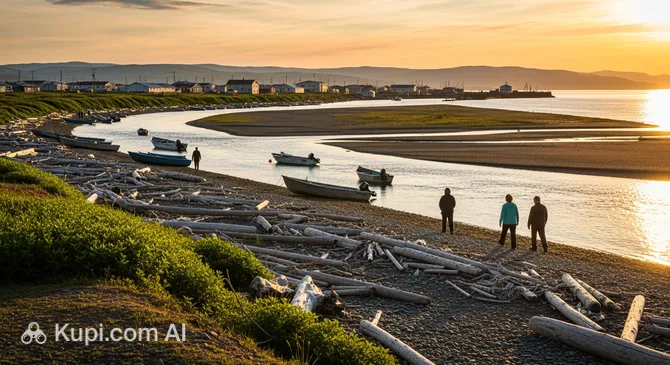
Welcome to Unalakleet, a captivating village that serves as a vital hub in western Alaska. Known locally as "Unk," this community offers a genuine glimpse into the rugged beauty and cultural richness of the United States' northernmost state. Situated on the shores of Norton Sound at the mouth of the Unalakleet River, it is famous for its stunning sunsets and the warm hospitality of its residents.

Unalakleet. Source: Kupi.Binoculars

With a population of approximately 700 people, Unalakleet maintains a close-knit atmosphere where traditional subsistence lifestyles blend with modern living. The name itself comes from the Iñupiaq word meaning "place where the east wind blows," a nod to the region's distinct weather patterns. To learn more about how this trading post evolved over the centuries, you can explore the history of Unalakleet. The village is renowned for its world-class fishing, particularly for king and silver salmon, drawing anglers from around the globe.

One of the town's biggest claims to fame is its role as the first coastal checkpoint in the legendary Iditarod Trail Sled Dog Race. Visitors during race season can witness the excitement as mushers arrive from the interior. Whether you are interested in experiencing the Midnight Sun, viewing the Northern Lights, or simply enjoying the serenity of the Alaskan wilderness, Unalakleet is a remarkable destination for an unforgettable adventure.

Weather Overview

Planning a trip to this Alaskan village requires preparing for distinct seasonal changes and a subarctic climate. The weather in Unalakleet is defined by long, cold winters and short, mild summers. During the coldest month of January, average temperatures hover around -16.3°C, often dipping as low as -18.9°C, creating a freezing but beautiful winter landscape.

Summer brings relief with milder conditions, peaking in July with average temperatures of 13.7°C and highs reaching roughly 16.6°C. While the warmer months offer comfortable climates for outdoor exploration, they also bring frequent moisture; August is particularly notable for having about 19 wet days. Expect cool summers with regular periods of rain and cold, crisp winters where temperatures stay well below freezing.

Interesting Facts

Beyond the main attractions, Unalakleet holds many fascinating secrets that highlight its significance in both ancient history and modern pop culture. This small village is far more than just a dot on the map; it is a place of unique traditions and unexpected fame.

  • Reality TV Fame: Unalakleet became known to millions around the world as the central hub for the Discovery Channel series "Flying Wild Alaska." The show followed the Tweto family, who operate a local airline, offering viewers a rare and authentic look at the extreme challenges of bush flying and daily life in rural Alaska.

  • The Gold Coast Award: In the world of the Iditarod Trail Sled Dog Race, reaching this village marks a competitive milestone. The first musher to arrive in Unalakleet is presented with the prestigious Gold Coast Award, which typically includes real gold nuggets and a trophy, symbolizing the start of the final dash along the frozen coast to Nome.

  • An Ancient Crossroads: Long before modern maps were drawn, the area served as a vital diplomatic boundary and trading center. Situated at the terminus of the Kaltag Portage, it was the primary meeting ground where coastal Iñupiat people and interior Koyukon Athabascans gathered to exchange goods, making it one of the region's oldest commercial hubs.

How to Get There

Reaching this remote Alaskan destination is a unique experience, relying almost entirely on air travel due to its location off the contiguous road system. For a comprehensive overview of travel logistics and tips, you can read more about how to get to Unalakleet. Visitors typically arrive via small regional aircraft that offer stunning views of the wilderness below.

The primary gateway for all travelers is Unalakleet Airport (IATA: UNK), which is conveniently located just 1.4 km from the center of the village. As the local aviation hub, it connects the community to larger cities like Anchorage and serves as a lifeline for residents. Upon arrival, the journey to the heart of the village is very short; a transfer by taxi or shuttle typically takes just a few minutes, accounting for vehicle loading and the brief drive.

For those navigating the broader region of Western Alaska, Nome Airport (IATA: OME) is a significant hub located in the city of Nome, roughly 236.8 km from Unalakleet. While it handles a larger volume of passengers, it is important to note that there are no roads connecting Nome to Unalakleet. Travelers in Nome must book a connecting flight to reach the village.

For clarity, here is a summary of the main airports in the region:

Airport Name City Passenger Traffic Km from City
Nome Airport Nome Medium 236.8
Saint Mary's Airport St Marys Small 239.1
Unalakleet Airport Unalakleet Small 1.4
Edward G. Pitka Sr. Airport Galena Small 209.7
Nulato Airport Nulato Small 161.7

Rail travel is not an option for reaching Unalakleet. The city does not have a railway station, and the Alaska Railroad does not extend to the western coast of the state. Access is exclusively by air or, in some seasons, by snowmachine or boat for local travel, but there are no train connections to this part of Alaska.

Main Attractions

Unalakleet River is undoubtedly the crown jewel of the area for outdoor enthusiasts. Known worldwide for its exceptional sport fishing, this pristine waterway teems with salmon, including the prized King (Chinook) and Silver (Coho) varieties, as well as Arctic Grayling and Dolly Varden. Tourists and serious anglers flock here to experience the thrill of fishing in untouched wilderness, often guided by local experts who share their deep knowledge of the river's currents and the best spots to cast a line.

For those interested in the legendary "Last Great Race," the Iditarod Trail Checkpoint is a significant cultural landmark. Unalakleet serves as the first checkpoint on the Bering Sea coast, marking a pivotal psychological and physical milestone for mushers racing to Nome. Visitors during race season in March can experience an electric atmosphere as the entire community comes out to welcome the teams, offering a rare chance to witness the grit and determination of this historic event up close.

The shores of Norton Sound offer a serene and scenic escape for nature lovers. The coastline provides opportunities for beachcombing, birdwatching, and witnessing some of the most spectacular sunsets in Alaska. In the summer, the sound is alive with subsistence activities, allowing visitors to observe traditional fishing practices and the drying of salmon on racks, a sight that defines the cultural landscape of the village.

A visit to the village would not be complete without a stop at Peace on Earth Pizza. This local eatery gained fame through the reality series "Flying Wild Alaska" and has become a must-visit spot for travelers. Beyond its popularity on television, it serves as a warm and welcoming community hub where tourists can enjoy a hearty meal and mingle with locals, getting a true taste of daily life in rural Alaska.

Local Cuisine

The culinary landscape of Unalakleet is deeply rooted in the subsistence lifestyle of its residents, offering a unique "field-to-table" experience that defines rural Alaska. The most iconic dish here is undoubtedly Pacific salmon, harvested fresh from the Unalakleet River and Norton Sound. Visitors are often treated to this delicacy prepared in various ways, from grilled King salmon steaks to smoked salmon strips, a chewy and savory snack that is a staple in local households and a perfect energy booster for outdoor adventures.

For a taste of traditional Iñupiaq culture, adventurous eaters should look for Akutaq, commonly known as "Eskimo Ice Cream." This distinct regional treat is traditionally made by whipping animal fat (such as reindeer or seal oil) or vegetable shortening with snow and an abundance of local berries like blueberries, salmonberries, or cranberries. It is a rich, high-energy dessert that reflects the resourcefulness of the region's people and the bounty of the tundra.

Dining out in Unalakleet is a cozy and community-focused affair, as the village has very limited commercial restaurant options. The social and gastronomic hub is Peace on Earth Pizza, a beloved local eatery that serves hearty American comfort food. Here, locals and tourists alike gather to enjoy hot pizzas, sub sandwiches, and burgers. It is the go-to spot for a warm meal after a day in the cold and offers a friendly atmosphere where you can chat with residents about life in the village.

When it comes to beverages, coffee is the fuel that keeps the community running, with hot drinks being essential in the subarctic climate. Travelers should be aware that Unalakleet is a "damp" community, meaning that while the possession of alcohol is generally permitted for personal use, the sale of alcohol is prohibited within the village. Consequently, you will not find bars or liquor stores here; instead, the beverage culture revolves around hot coffee, tea, and soda enjoyed in the warmth of a home or the local pizzeria.

Travel Tips

Visiting a remote village like Unalakleet requires a bit more preparation than a typical city trip, as the environment and isolation create a unique set of challenges and rewards. To ensure your adventure in this welcoming Alaskan community is smooth and enjoyable, here are some essential practical tips to keep in mind.

  1. Clothing and Gear: The golden rule in rural Alaska is layering. In summer, bring waterproof outer layers and sturdy hiking boots, as rain is frequent and the terrain can be muddy. Do not forget high-quality insect repellent, as mosquitoes can be intense. In winter, you will need heavy-duty insulated parkas, snow pants, and thermal boots rated for extreme negative temperatures. Regardless of the season, pack a power bank for your devices, as cold weather drains batteries quickly.
  2. Transportation: Unalakleet is a small, walkable community, and you will not find subways, buses, or car rental agencies here. Most locals get around on ATVs (4-wheelers) in the summer and snowmachines in the winter. For visitors, walking is the primary way to explore the village itself. There may be informal taxi services or shuttles provided by local lodges, but it is best to arrange airport transfers in advance with your accommodation.
  3. Finances: The local currency is the US Dollar (USD). While the main general store and the popular pizza place typically accept credit cards, it is highly recommended to carry cash. Cash is essential for purchasing handmade crafts from local artisans, tipping, or small transactions if card machines are down due to internet outages. There is usually an ATM at the local AC Value Center, but it is safer to bring enough cash with you.
  4. Health and Safety: There is a local clinic operated by the Norton Sound Health Corporation for basic medical needs, but it is not a full-service hospital. Serious emergencies require a medical flight (medevac) to Anchorage or Nome, so travel insurance that covers evacuation is strongly advised. Be "bear aware" if you venture outside the village limits, and always dress appropriately to prevent hypothermia.
  5. Communication: English is the primary language spoken by everyone, though you may hear Iñupiaq terms used by elders. Mobile coverage can be spotty; GCI is the dominant provider in rural Alaska, and other carriers may not have service. Wi-Fi is available at some lodgings and public spots, but it is often satellite-based, meaning speeds can be slow and data limited.
  6. Local Etiquette: The community is friendly and close-knit; it is polite to wave or say "hello" to people you pass on the road. Respect the subsistence lifestyle: do not touch fishing nets, drying racks, or boats unless invited to do so, as these are vital tools for the locals' livelihood. Always ask for permission before taking close-up photographs of residents or their property.
  7. What to Avoid: Do not attempt to buy or sell alcohol. Unalakleet is a "damp" community, which means while possession for personal use is generally allowed within strict limits, the sale and importation for sale are prohibited. Also, avoid walking on the airport runway unless you are boarding a plane; it is an active airfield and the village's lifeline.
  8. Additional Tip: Embrace "bush time." Weather in Western Alaska is unpredictable and can frequently delay flights for hours or even days. Keep your travel itinerary flexible, bring a good book, and maintain a patient attitude—locals understand that Mother Nature is in charge, and adopting this mindset will make your trip much less stressful.

By packing the right gear and respecting the local customs, you will be well-equipped to experience the genuine warmth of Unalakleet. This preparation allows you to focus on what really matters: the stunning sunsets over Norton Sound and the incredible hospitality of the people who call this rugged coast home.

Entertainment & Nightlife

Nightlife in Unalakleet is a world away from the bustling clubs and noisy bars found in major cities. In this small, close-knit community, evening entertainment is defined by nature's grandeur and warm social gatherings rather than commercial venues. As a "damp" village where the sale of alcohol is prohibited, you will not find any pubs, cocktail lounges, or nightclubs here. Instead, the night comes alive with the glow of the Northern Lights and the friendly spirit of community events, offering a peaceful and authentic Alaskan experience.

The most spectacular light show in town is provided by the sky itself. During the long winter nights, the Aurora Borealis frequently dances overhead, turning the darkness into a canvas of shimmering green and violet. Visitors often head to the darker edges of the village, away from streetlights, to witness this breathtaking phenomenon. Conversely, in the summer, the "nightlife" consists of the Midnight Sun, where daylight stretches well into the early morning hours, allowing for late-night fishing or beachcombing along the shores of Norton Sound.

For social interaction and a bite to eat, Peace on Earth Pizza remains the primary evening destination. As one of the few dining establishments in the village, it serves as an informal meeting place where locals and visitors unwind with hot food and conversation. Beyond dining, community life drives the evening schedule. High school basketball games at the Unalakleet School gymnasium are major local events, often drawing nearly the entire town for cheering and socializing. Additionally, community bingo nights are a popular pastime, offering a fun way to mingle with residents.

When venturing out after dark, safety and preparation are key. The village is generally very safe for walking, but the lack of streetlights in outlying areas makes a flashlight or headlamp essential. In winter, temperatures can drop dangerously low, so extreme cold-weather gear is mandatory even for short walks. Be mindful that wildlife, including bears and moose, can be active at night; it is wise to stay alert and travel in groups if possible. There are no night buses or standard taxi fleets, so most travel is done on foot or by pre-arranged rides.

While the nights are quiet and cozy, daytime in Unalakleet offers its own rhythm of entertainment focused on the outdoors and culture. Visitors can explore the local history, watch traditional net fishing, or take boat trips up the river. The village does not have large museums, theaters, or amusement parks; the entertainment here is the rugged wilderness and the unique, subsistence-based lifestyle of the Alaskan bush.

Parks & Museums

In Unalakleet, you will not find manicured city parks or sprawling museum complexes; instead, the village offers a raw, immersive experience where the vast Alaskan wilderness serves as a natural playground and the community itself acts as a living museum. The "green spaces" here are the endless tundra and riverbanks, while the cultural heritage is preserved not in glass cases, but in the daily traditions and historical landmarks scattered throughout the settlement.

Norton Sound Coastline acts as the village's primary recreational area, serving the function of a town square and a beach park combined. This stretch of gravel and sand is perfect for long, contemplative walks where visitors can hunt for driftwood, agates, and sea glass polished by the Bering Sea. In the summer, the beach transforms into a hub of activity with families picnicking and locals tending to their fishing nets, offering a scenic spot to watch the sun dip below the horizon in a blaze of color.

Just beyond the village limits lies the Unalakleet River Valley, a pristine natural area that rivals any national park for scenic beauty. Accessible by boat or a short hike, the riverbanks are lined with spruce and cottonwood trees, providing a habitat for moose, bears, and migratory birds. It is a favorite escape for locals looking to enjoy a riverside campfire or simply soak in the silence of the subarctic landscape, away from the hum of the village generators.

While there are no formal indoor museums in Unalakleet, the Iditarod Trail Checkpoint stands as a significant historical site that captures the spirit of the region. Located near the shore, this area becomes the center of the sled dog racing world every March. Even out of season, standing here offers a connection to the rich history of the trail, which has served as a mail route, a supply line during the gold rush, and now a race course, symbolizing the endurance and resilience of the local culture.

The Unalakleet Covenant Church is another key cultural and architectural landmark. Established by missionaries in the late 19th century, the church has played a pivotal role in the village's history and social structure. Its simple yet sturdy architecture reflects the practical needs of the climate, while it remains a gathering place that holds the collective memory of the community, blending Christian faith with deep-rooted Iñupiaq values.

For a truly authentic experience, head out to the tundra hills behind the village during late summer to participate in the local tradition of berry picking. This "natural garden" yields an abundance of blueberries, cranberries, and salmonberries. It is a wonderful way to connect with the land just as the locals do, and if you are lucky, a resident might share a story or a tip on where to find the sweetest patch.

Getting Around

Navigating Unalakleet is a unique experience that differs significantly from visiting a standard city. Travelers should be aware that there is no formal public transport system in the village. You will not find buses, metros, trams, or scheduled shuttle routes here. The community is small and remote, with a transport culture adapted to the rugged Alaskan environment rather than urban convenience.

The primary mode of transportation for locals changes with the seasons. In the summer months, ATVs (All-Terrain Vehicles) and four-wheelers are the standard way to get around the gravel roads and surrounding trails. In the winter, when snow covers the ground, snowmachines (snowmobiles) become the essential vehicle for daily travel. While these are generally privately owned, they define the flow of traffic in the village.

For visitors, walking is the most practical and common way to explore. The village is compact, and most key locations—such as the general store, the post office, and the pizza place—are within a reasonable walking distance of each other. The terrain is flat, making it accessible on foot, provided you are dressed appropriately for the weather. During winter, heavy boots and insulated gear are mandatory for safety even on short walks.

Regarding "taxis" or ride services, options are informal. There are no ride-sharing apps like Uber or Lyft, and no car rental agencies operate in the village. Some locals may offer informal taxi services, often advertised via word of mouth or posted notices at the local store. If you need a ride, you will likely need to pay in cash (USD), as credit card readers are rare for these types of transactions. Prices are generally flat rates for a drop-off within the village.

The most important transport tip for tourists is to arrange airport transfers in advance. Most lodges and accommodations in Unalakleet provide shuttle services for their guests to and from the airport. Relying on finding a ride upon arrival can be risky, especially in harsh weather, so confirming this service with your host before you fly is highly recommended.

Accommodation

Finding a place to stay in Unalakleet is quite different from booking accommodation in a typical tourist city. Due to its remote location and small size, the village does not have standard hotel chains, luxury resorts, or hostels. Instead, visitors will find a limited selection of locally owned lodgings, primarily consisting of rustic fishing lodges, small inns, and bed-and-breakfast style setups. These accommodations are designed to be functional and comfortable, catering largely to anglers, seasonal workers, and adventure travelers.

Most accommodation options are concentrated within the main village area, offering convenient access to the Unalakleet River and the airport. Since the community is compact, staying anywhere in the central village means you are within walking distance of the general store and the riverbanks. For those coming specifically for sport fishing, some lodges are situated closer to the water to provide immediate access to boats and guides, serving as all-inclusive bases for outdoor expeditions.

Booking in advance is not just a recommendation here; it is a necessity. During the peak summer fishing season (June to August) and the Iditarod race in March, the few available rooms can be booked out months ahead of time. It is highly advisable to secure your reservation as soon as your travel dates are confirmed. Travelers arriving without a booking may find themselves with literally nowhere to stay, as there is no overflow accommodation available.

Regarding costs, visitors should expect mid-range to higher prices compared to the lower 48 states. The cost of operating in rural Alaska is high, and room rates reflect this. Booking methods are often old-school; while some lodges may have websites, many local B&Bs rely on phone calls or email for reservations rather than appearing on major online travel agencies. Be prepared to pay directly with the proprietor, and checking if they accept credit cards or require cash/checks beforehand is a smart travel tip.

Nearby Cities

Nearby Cities:

Located on the rugged coast of Norton Sound, Unalakleet is geographically isolated from the major urban centers of the United States. The village is part of a network of small communities scattered across western Alaska, where travel is dictated by weather and the availability of small aircraft. The closest neighboring settlement is Stebbins, situated approximately 84 km to the southwest. This proximity allows for some interaction between the two villages, particularly during the winter months when frozen trails open up for snowmachine travel.

For broader services and regional connections, the area relies heavily on Nome, the historic gold rush city located about 235 km to the northwest. While no roads connect these communities, they share a deep cultural and economic bond as part of the Bering Sea ecosystem. Traveling between these locations almost exclusively requires a flight, offering passengers breathtaking views of the tundra and coastline that define this remote part of the world.

Here is an overview of the cities and villages in the surrounding region:

City Population Distance (km)
Stebbins 600 84
Emmonak 800 224
Nome 3,697 235
Alakanuk 700 235
Buckland 550 235

Shopping & Souvenirs

Shopping in Unalakleet is a unique experience that reflects the practical needs and cultural heritage of a remote Alaskan village. You will not find designer boutiques, sprawling department stores, or souvenir shops lining the streets here. Instead, the retail scene is small, functional, and centered on community essentials. For visitors, the "shopping" experience is less about retail therapy and more about discovering authentic local craftsmanship and stocking up on necessary supplies for outdoor adventures.

The commercial activity in the village is concentrated along the main road near the center of town, close to the airport and the river. There is no designated "shopping district," but rather a few key establishments that serve the entire population. The primary retail hub is the AC Value Center (Alaska Commercial Company), which acts as the village's general store, grocery, and hardware supplier all in one. It is the lifeline for residents, selling everything from fresh produce and canned goods to heavy-duty winter gear, fishing tackle, and fuel.

Travelers expecting to find shopping malls will need to adjust their expectations, as there are absolutely no malls or large shopping complexes in Unalakleet. The village is too small to support such infrastructure. The closest experience to a "department store" is the aforementioned general store, which effectively serves as the mall, pantry, and supply depot for the community. If you need specialized electronics or fashion items, you would typically need to fly them in or purchase them in a larger city like Anchorage before arriving.

While there are no formal, daily markets, the spirit of a marketplace exists within the community's social fabric. Informal sales often happen during local gatherings, festivals, or the Iditarod race season. At these times, local artisans may set up tables at the community hall or school to sell their goods. It is a much more personal experience than a standard market; you are often buying directly from the person who caught the fish or sewed the garment, allowing for a genuine connection with the local culture.

When it comes to souvenirs, the treasures of Unalakleet are handmade and deeply rooted in Iñupiaq tradition. The most prized items are authentic Native handicrafts. Look for exquisite beadwork, hand-sewn skin mittens, and traditional kuspuks (hooded tunics). Carvings made from walrus ivory, bone, or antler are also highly sought after; just ensure you are purchasing authentic Alaska Native art, which is often signed by the artist. Another popular keepsake is merchandise from "Peace on Earth Pizza," the local pizzeria made famous by reality television, where you can pick up a branded hoodie or hat.

Opening hours in the village are generally standard, with the main store typically open from around 9:00 AM to 6:00 PM or 7:00 PM, though hours may be reduced on Sundays. Smaller, family-run operations may have more flexible or sporadic schedules. Regarding payment, cash is king in rural Alaska. While the main general store and the pizza place accept credit cards, many local artists and smaller vendors deal exclusively in cash. It is highly recommended to bring enough US dollars with you, as the local ATM can occasionally be out of service or out of cash.

Regarding taxes, the state of Alaska does not impose a state-level sales tax, which is a benefit for travelers. However, local municipalities often levy their own taxes to fund community services. Unalakleet typically collects a local sales tax (often around 3% to 5%) on goods and services. There is no "tax-free" refund system for international tourists similar to those found in Europe; the price you see, plus the local tax, is the final price you pay.
Reached the end of the page?

That means the route is fully explored