Support

Chuathbaluk

About

Nestled along the winding banks of the Kuskokwim River, Chuathbaluk offers a rare glimpse into the serene and rugged beauty of rural Alaska. This small, traditional community, whose Yup'ik name translates to "hills where the big blueberries grow," is defined by its stunning natural surroundings and a pace of life that is deeply connected to the land. It is a place where visitors can truly disconnect and immerse themselves in the quiet majesty of the wilderness.

Located in the United States, specifically within the vast Bethel Census Area, Chuathbaluk is home to a close-knit population of approximately 100 residents. The village experiences a subarctic climate, with cold, snowy winters that turn the landscape into a white wonderland, and mild summers that bring the surrounding hills to life with vibrant greenery. Access to the village is typically by small bush plane or boat, adding to its secluded charm.
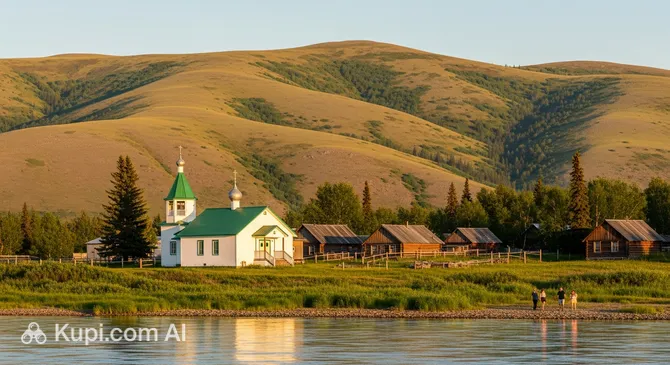
Chuathbaluk. Source: Kupi.Binoculars

The cultural heritage of the area is a fascinating blend of Alaska Native traditions and early Russian influences. Those interested in the history of Chuathbaluk should look for the historic St. Sergius Church, a Russian Orthodox building that stands as a significant landmark and a testament to the village's past as a mission site. The community retains a strong subsistence lifestyle, keeping ancient customs alive in the modern day.

For outdoor enthusiasts, the village serves as a gateway to pristine nature. The Kuskokwim River offers excellent opportunities for boating and fishing, particularly for salmon, which is a staple of the local diet. During the late summer and fall, the hills behind the village live up to their name, becoming a prime destination for picking wild berries and hiking with panoramic views of the river valley.

If you are seeking an authentic off-the-beaten-path adventure, Chuathbaluk is a compelling destination. Whether you arrive to witness the dancing Northern Lights in winter or to experience the midnight sun in summer, this welcoming community invites you to explore the heart of the Alaskan bush.

Weather Overview

Travelers planning a visit should be prepared for distinct seasonal changes typical of this Alaskan region. The weather in Chuathbaluk generally features long, cold winters and short, mild summers, making the timing of your trip crucial for outdoor activities.

Winter brings freezing conditions, with January being the coldest month, where average temperatures drop to around -15.2°C. Conversely, the summer months offer a pleasant respite; July is typically the warmest time of year, with average highs reaching a comfortable 17.8°C, ideal for exploring the riverbanks and hills.

Precipitation is a constant factor, with the frequency of wet days increasing notably in the late summer. Expect mild summers with frequent light rain, especially in August which sees up to 20 wet days, and cold, drier winters.

Interesting Facts

Beyond its scenic riverfront location and quiet atmosphere, Chuathbaluk holds a history and culture rich in unique details that surprise many visitors. Here are some fascinating facts about this small Alaskan community:

  • A Tale of Two Missions: Historically, the village was widely known as "Little Russian Mission." This name was used to distinguish it from the larger village of Russian Mission located further down the Kuskokwim River, highlighting the deep-rooted influence of the Russian Orthodox Church in the region during the 19th century.

  • A Highway of Ice: While the village is accessible mainly by boat or small plane in the summer, winter transforms the landscape dramatically. The frozen Kuskokwim River often serves as an "ice road," allowing residents to drive trucks and cars between neighboring communities, creating a temporary but vital transportation network on the ice.

  • Historic Architecture: The St. Sergius Chapel, a centerpiece of the community, is listed on the National Register of Historic Places. Built around 1891, this structure is a remarkable example of traditional log construction and remains an active place of worship, preserving the spiritual heritage of the area for over a century.

How to Get There

Reaching this remote community in the Alaskan wilderness requires careful planning, as it is situated away from the main road networks. For detailed logistics and transportation options, you can read more about how to get to Chuathbaluk. The journey itself often becomes part of the adventure, offering stunning views of the pristine landscape.

The city of Chuathbaluk does not have its own major commercial airport, so most travelers arrive via regional hubs followed by a connection on a small bush plane or boat. The most significant option is Bethel Airport (IATA: BET), located in the city of Bethel, approximately 165 km from Chuathbaluk. As a key transport center for the region, it handles a large volume of passengers and serves as the primary gateway for flights into the surrounding villages.

Another accessible hub is Saint Mary's Airport (IATA: KSM), situated in St Marys, about 220 km away. While smaller than Bethel, it serves as an important link for the area. Visitors might also consider Unalakleet Airport (IATA: UNK) in Unalakleet, which is roughly 270 km away. Travel from these airports to Chuathbaluk typically involves chartering a small aircraft or arranging a seat on a local mail plane, as there are no roads connecting these hubs to the village.

For clarity, here is a summary of the main airports:

Airport Name City Passenger Traffic Km from City
Bethel Airport Bethel High 165.1
Saint Mary's Airport St Marys Medium 220.4
Unalakleet Airport Unalakleet Medium 270.1
McGrath Airport McGrath Small 243.7
Kongiganak Airport Kongiganak Small 267.1

Main Attractions

While Chuathbaluk is a small and remote village, its attractions are deeply rooted in its rich history and stunning natural environment. Visitors here do not find commercial theme parks, but rather a profound connection to the land and the heritage of the native and Russian influences that shaped the region.

St. Sergius Chapel stands as the most significant historical landmark in the community. Listed on the National Register of Historic Places, this Russian Orthodox church is believed to have been built around 1891. It is a beautifully preserved example of traditional log construction, featuring the distinctive onion domes characteristic of Russian religious architecture. For tourists, it offers a rare opportunity to see a piece of living history that has served as a spiritual center for over a century, reflecting the enduring legacy of the Russian mission period in rural Alaska.

The Kuskokwim River is the lifeblood of the village and a primary draw for outdoor enthusiasts. As one of the longest free-flowing rivers in the United States, it provides exceptional opportunities for boating and fishing. In the summer months, the river teems with salmon—including King, Silver, and Red varieties—drawing anglers who wish to experience authentic Alaskan fishing in a pristine, uncrowded setting. The river also serves as a scenic highway for travelers exploring the wilderness by boat.

True to its Yup'ik name, which translates to "hills where the big blueberries grow," the surrounding hills are a major natural attraction, particularly in late summer and early autumn. Hiking these slopes offers panoramic views of the winding river valley below and the vast wilderness extending to the horizon. During the berry season, the hillsides come alive with locals and visitors alike picking wild blueberries, cranberries, and salmonberries, a traditional activity that connects people directly to the land's bounty.

For those interested in wildlife viewing, the untouched wilderness around Chuathbaluk serves as a natural sanctuary. The dense forests and riverbanks are home to moose, black bears, and brown bears, while the skies are patrolled by bald eagles and various migratory birds. The absence of heavy development makes it an ideal spot for photographers and nature lovers seeking to observe Alaskan wildlife in its natural habitat, far from the noise of modern cities.

Local Cuisine

The culinary experience in Chuathbaluk is defined not by five-star restaurants or bustling food markets, but by a deep and enduring connection to the land and river. In this small, remote community, the "grocery store" is the wilderness itself. Visitors will discover a subsistence-based food culture where the menu changes with the seasons and the freshest ingredients are harvested directly from the Kuskokwim River and the surrounding forests.

Salmon is the undisputed king of the local diet. During the summer runs, families work together to harvest King, Silver, and Red salmon. You might taste it prepared in various traditional ways: fresh baked fillets, hearty fish soups, or the iconic smoked salmon strips. These strips are brined and slow-smoked to preserve the fish for winter, resulting in a savory, jerky-like snack that is a staple of rural Alaskan life. Another significant protein is moose, often prepared as a comforting stew or roast, providing essential sustenance during the cold winter months.

One distinct local treat that perfectly utilizes the area's abundant natural resources is Akutaq, widely known as "Eskimo ice cream." In Chuathbaluk, this dish is particularly special given the village's reputation for its blueberry-rich hills. Traditionally made by whipping animal fat (such as seal oil or reindeer fat) or vegetable shortening with snow or water and sugar, it is loaded with hand-picked wild berries—blueberries, salmonberries, or cranberries. It is a high-energy, sweet dessert that reflects the ingenuity of the local people.

When it comes to beverages, the Russian heritage of the region often influences local habits. Hot, strong black tea is a common drink, often kept brewing throughout the day to warm up residents and guests alike. It is the perfect accompaniment to a meal of dried fish or fry bread. As for alcohol, travelers should be aware that many rural Alaskan villages have strict local option laws regarding the sale and importation of alcoholic beverages, so it is respectful to inquire about the current regulations upon arrival.

Tourists should note that there are no commercial restaurants, cafes, or street food vendors in Chuathbaluk. The food scene is entirely domestic and communal. Visitors typically arrange their meals through their lodging providers or, if invited, enjoy the warm hospitality of a local family. This intimate setting offers a rare chance to learn about the effort and skill required to gather and prepare food in the Alaskan bush, making every meal a meaningful cultural exchange.

Travel Tips

Visiting a remote community like Chuathbaluk requires a different mindset than a typical city vacation; preparation and respect for the local lifestyle are your best travel companions. To help you navigate this unique Alaskan village with ease, here are some essential practical tips for your journey.

  1. Clothing and Gear: The weather can change rapidly, so the "layering system" is non-negotiable. Bring thermal base layers, warm fleece, and a high-quality waterproof and windproof outer shell. In summer, insect repellent and a head net are absolute necessities due to the intense mosquito population. If you plan to visit the St. Sergius Chapel, dress modestly; sturdy, waterproof boots are recommended year-round as the terrain is unpaved and can be muddy or snowy.

  2. Transportation: Forget about subways, taxis, or car rentals; Chuathbaluk is a walking village. The community is small enough to navigate on foot, though locals often use ATVs in summer and snowmachines in winter. Access to the village is only by small bush plane or boat. Ensure your travel arrangements are confirmed in advance, as weather often causes delays.

  3. Finances: Cash is king in rural Alaska. There are no ATMs or banks in Chuathbaluk, and credit card acceptance is virtually non-existent. You must bring enough US dollars to cover your entire stay, including potential emergency expenses. Bring small bills ($1, $5, $10, $20), as making change for large denominations can be difficult for local vendors.

  4. Health and Safety: There is no hospital or 24-hour pharmacy here. The village is served by a small clinic staffed by health aides for basic care; serious emergencies require a medical evacuation flight to Bethel or Anchorage. It is critical to bring a full supply of any prescription medications you need, plus a basic first-aid kit. Travel insurance that covers medical evacuation is highly recommended.

  5. Communication: English is the primary language, though you will hear locals speaking Central Alaskan Yup'ik. Cell phone coverage can be spotty and is often limited to specific carriers like GCI; do not rely on having data or Wi-Fi access. It is wise to download offline maps or bring physical ones, and tell a contact person your itinerary before you leave the main hubs.

  6. Local Etiquette: The community is close-knit, and respect is paramount. Always greet people you pass on the road; a friendly wave goes a long way. Elders hold a position of high esteem in Yup'ik culture; always let them speak first and serve them first at meals. Always ask for explicit permission before taking photographs of residents or their property.

  7. What to Avoid: Be extremely cautious regarding alcohol. Many rural Alaskan villages have "local option" laws that ban the sale, importation, or even possession of alcohol ("dry" villages). Importing alcohol into a dry village is a serious crime. Verify the current legal status of Chuathbaluk regarding alcohol before you pack, but the safest bet is to travel completely dry.

  8. Respect Subsistence Gear: You will likely see fish drying on racks, nets, boats, and traps around the village. These are not decorative exhibits; they are vital tools for survival. Never touch or interfere with subsistence equipment or the harvest without an invitation, as this is considered highly disrespectful and can damage the owner's livelihood.

By packing the right gear and approaching the community with an open heart and respect for its traditions, you will ensure a safe and memorable visit. Enjoy the profound silence of the wilderness and the warm hospitality that defines life along the Kuskokwim River.

Entertainment & Nightlife

Travelers expecting a bustling scene of nightclubs, cocktail bars, or late-night discos will find a completely different experience in Chuathbaluk. In this small, traditional community of approximately 100 residents, "nightlife" is not defined by commercial entertainment but by the profound tranquility of the wilderness and the close-knit nature of village life. There are no designated nightlife districts, commercial bars, or liquor stores here; instead, the evening entertainment is organic, communal, and deeply connected to the natural world.

It is important for visitors to understand that Chuathbaluk, like many rural Alaskan communities, often operates under strict local option laws regarding alcohol. The village does not have pubs or lounges where one can buy a drink. Consequently, the social atmosphere is sober and family-oriented. Evening activities typically revolve around community gatherings at the Community Hall or the local school gymnasium. These venues often host impromptu events such as community bingo nights, potlucks, or school basketball games, which serve as the main social glue for residents and offer a warm, welcoming environment for respectful visitors.

The most spectacular "light show" in town is provided by nature itself. During the long, dark winter nights, the lack of light pollution makes the banks of the Kuskokwim River a world-class destination for viewing the Aurora Borealis. Standing on the frozen riverbank, wrapped in heavy winter gear, visitors can witness the Northern Lights dancing across the sky in silence—a stark and beautiful contrast to the noise of urban nightlife. In summer, the "night" hardly exists, as the Midnight Sun keeps the landscape illuminated, allowing for evening fishing or hiking well past traditional bedtime hours.

Practical advice for evenings in Chuathbaluk centers on preparation and self-sufficiency. There are no taxis, rideshares, or public transport options; getting around is done entirely on foot or, in winter, by snowmachine. If you venture out at night, a high-quality flashlight or headlamp is essential, as street lighting is minimal. Dress codes are purely functional: think insulated boots, thermal layers, and windproof parkas rather than evening wear. The "best time to go" out depends on your goal: late night (1 AM to 3 AM) is often best for aurora viewing in winter.

Safety during night walks is a serious consideration, primarily due to wildlife rather than crime. The village is surrounded by wilderness, and bears or moose can wander near or into the community, especially after dark. It is advisable to walk in groups, carry bear spray, and stay alert. Since there are no emergency services or 24-hour stores, ensure you have everything you need before stepping out.

While evening options are limited to nature and community events, daytime entertainment in Chuathbaluk offers its own charm. Visitors can explore the historic Russian Orthodox church, engage in berry picking on the nearby hills, or spend the day boating and fishing on the river. The pace of life is slow, inviting guests to disconnect from the rush of the modern world and appreciate the quiet rhythm of the Alaskan bush.

Parks & Museums

In the small village of Chuathbaluk, the concept of parks and museums is defined not by city planning or ticketed exhibitions, but by the vast, untamed wilderness and the living history of its residents. Visitors here will not find manicured botanical gardens or large art galleries; instead, the entire region serves as an open-air sanctuary of nature, while the community's heritage is preserved in its historic architecture and enduring traditions.

The most significant natural "park" in the area is the expanse of rolling hills that rise directly behind the village. True to the village's Yup'ik name, which translates to "hills where the big blueberries grow," this area transforms into a vibrant natural garden during late summer and early autumn. It is a prime destination for hiking, offering sweeping views of the Kuskokwim River valley. During the harvest season, the hillsides are dotted with locals and visitors alike, gathering gallons of wild blueberries, cranberries, and salmonberries in a communal activity that connects people to the land.

The Kuskokwim River itself acts as the village's central recreational hub. The gravel bars and riverbanks serve as natural beaches where families gather during the warmer months. It is the perfect setting for boating, fishing, or simply watching the water flow by. In winter, the frozen river becomes a playground for snowmachining and dog mushing, effectively functioning as a vast winter park that facilitates travel and outdoor sport in a landscape covered in pristine white snow.

For those seeking cultural insight, the St. Sergius Chapel is the undisputed historical jewel of Chuathbaluk. While not a museum in the traditional sense, this Russian Orthodox church functions as a repository of the region's spiritual and architectural history. Built around 1891, the log structure is listed on the National Register of Historic Places. Its interior, adorned with religious icons and lit by oil lamps and candles, offers a profound glimpse into the 19th-century Russian mission period that shaped the identity of this part of Alaska.

Beyond the church, the village itself can be viewed as a living museum of subsistence culture. Walking through the community, visitors will observe traditional smokehouses, drying racks laden with salmon, and caches used for storing food for the winter. These functional structures are not exhibits but vital tools of survival that have been used for generations. They reflect the ingenuity and resilience of the Yup'ik people and their deep relationship with the environment.

For an authentic insider experience, ask a local guide about the trails leading up to the old Little Russian Mission site or nearby vantage points. While there are no marked tourist paths, a guided walk can reveal hidden spots for wildlife viewing where you might spot moose or migratory birds in their natural habitat, offering a connection to nature that is far more intimate than any city zoo.

Getting Around

Travelers arriving in Chuathbaluk should immediately adjust their expectations regarding public transportation. As a small, remote community with a population of approximately 100 residents, there is absolutely no formal public transport system. You will not find buses, trams, metros, or scheduled shuttles operating within the village. The infrastructure is designed for a subsistence lifestyle rather than urban commuting, meaning the concept of public transit is virtually non-existent here.

The primary and most reliable way to navigate the village is on foot. The community is compact, with most homes and the few public buildings—such as the school, clinic, and community hall—located within a short walking distance of one another. Visitors should be prepared to walk everywhere on unpaved gravel roads or dirt paths. Consequently, there are no tickets to buy, no travel cards to top up, and no mobile apps for route planning; your own two feet are your main ticket to getting around.

For locals, personal vehicles adapted to the rugged terrain are the standard mode of transport. In the summer months, All-Terrain Vehicles (ATVs) or "four-wheelers" are ubiquitous, used for everything from hauling water to visiting neighbors. In the winter, when snow covers the ground and the river freezes, snowmachines (snowmobiles) become the essential vehicle for travel. While there are no rental agencies for these vehicles, visitors might occasionally be offered a ride by a hospitable resident. In such informal cases, there is no fixed fare, but offering cash to cover the cost of fuel is a polite and appreciated gesture.

The Kuskokwim River serves as the region's main highway. During the ice-free months, boats are the equivalent of cars or buses for inter-village travel. Skiffs and aluminum boats are lined up along the riverbank, used for fishing, hunting, and transport to nearby communities. Like the land vehicles, there is no scheduled "river bus" service for tourists. Travel by boat is typically arranged privately or via charter services from larger hubs like Bethel.

Commercial taxi services, rideshare apps like Uber or Lyft, and bike rental stations are not available in Chuathbaluk. If you have heavy luggage or supplies upon arrival at the airstrip or riverbank, it is advisable to arrange assistance in advance with your lodging host or a local contact. Without prior arrangements, you should be prepared to carry your own gear to your destination.

The most important practical advice for getting around is to dress for the conditions rather than the destination. Since you will be walking outdoors for every trip, waterproof boots are essential in the muddy spring and autumn seasons, while insulated, sub-zero footwear is mandatory in winter. Always carry a flashlight or headlamp if you are moving about in the evening, as street lighting is minimal to non-existent, and the paths can be uneven.

Accommodation

When planning a trip to Chuathbaluk, it is essential to manage your expectations regarding accommodation. As a small, remote village with a population of approximately 100 residents, the commercial hospitality infrastructure found in larger cities is non-existent here. There are no chain hotels, motels, luxury resorts, or hostels. Instead, accommodation options are extremely limited and are typically integrated into the community's daily life, offering a rustic and authentic experience rather than standard tourist amenities.

The primary form of lodging for visitors is often a small, locally run bed and breakfast or a guest room provided by the village administration. In some cases, the Traditional Council may operate a facility for visiting workers or officials that can accommodate tourists if arranged well in advance. These accommodations are generally simple, clean, and functional, providing a warm bed and shelter from the elements but lacking services like room service, gyms, or 24-hour reception.

Regarding location, the village is compact enough that "neighborhoods" do not apply. Any accommodation you secure will be within walking distance of the airstrip, the Kuskokwim River, and the St. Sergius Chapel. Staying anywhere in the village places you in the heart of the community and on the doorstep of the surrounding wilderness. The proximity to the river is particularly convenient for those planning to spend their days fishing or boating.

Booking Tips: You cannot book accommodation in Chuathbaluk using major online travel agencies or apps. The only way to secure a place to stay is by contacting the community directly before you travel. It is highly recommended to call the Chuathbaluk Traditional Council or the local city office to inquire about lodging availability. Do not arrive without a confirmed reservation, as you may find yourself without a place to sleep in a region with harsh weather conditions.

Price ranges can be deceptively high for the level of simplicity provided, reflecting the high cost of utilities and shipping supplies to rural Alaska. Travelers should expect prices comparable to mid-range hotels in the lower 48 states. Payment methods are often limited to cash or check; credit card processing may not be available. Always confirm the price and payment method when you make your booking via phone.

Nearby Cities

For those looking to explore the surroundings, Chuathbaluk serves as an excellent base for day trips to several interesting nearby locations. While the definition of a "day trip" in rural Alaska often involves a boat ride upriver or a short bush plane flight, the neighboring communities offer unique insights into the lifestyle of the Kuskokwim region.

Aniak is the closest and most accessible neighbor, located just about 16 km away. As a sub-regional hub, it is significantly larger than Chuathbaluk and serves as a vital service center for the middle Kuskokwim River area. A visit here offers a chance to see a busier river community, access more supplies, and experience the contrast between a quiet village and a regional transport node. It is an easy boat ride away during the summer months.

Further afield lies Bethel, the primary commercial and administrative hub for the entire Yukon-Kuskokwim Delta. Although it is a longer journey, Bethel is the place to go for a deeper dive into the region's heritage. It is home to the Yupiit Piciryarait Cultural Center, which features a museum and library dedicated to preserving the Yup’ik culture, history, and traditions. It offers the most "urban" experience available in this remote part of Alaska.

City Population Distance (km)
Bethel 20287 161
Kwethluk 800 145
Akiachak 627 139
Aniak 500 16
Napaskiak 500 166

These nearby destinations offer a glimpse into the diverse culture and landscapes of the region, ranging from quiet subsistence villages to key economic hubs that keep the Kuskokwim River communities connected.

Shopping & Souvenirs

Travelers visiting Chuathbaluk must adjust their expectations regarding retail therapy. As a small, remote community with a population of approximately 100 people, the village does not have a commercial shopping scene in the traditional sense. You will not find boutiques, souvenir shops, or department stores here. Instead, the focus is on subsistence living, and "shopping" is generally limited to purchasing basic survival necessities or buying authentic handmade items directly from local artisans.

There are no designated shopping districts or high streets in Chuathbaluk. The commercial infrastructure typically consists of a single small general store or trading post that serves the entire community. This establishment stocks essential items such as non-perishable foods, fuel, basic household goods, and limited outdoor supplies. For visitors, this is the place to pick up a snack or a forgotten toiletry, but it is not a destination for browsing leisure goods.

Shopping malls are non-existent in this part of rural Alaska. The nearest large retail centers are hundreds of kilometers away in Anchorage. Visitors to Chuathbaluk come for the wilderness and culture, not for branded goods or fashion. The absence of commercial development is part of the village's charm, allowing for an uncluttered experience of the natural environment.

While there are no formal markets, such as flea markets or food bazaars, the community itself functions as an informal marketplace for local crafts. Occasionally, community gatherings or events at the community hall may feature tables where residents sell homemade baked goods or handicrafts. However, these are sporadic and not scheduled tourist attractions.

The best souvenirs to bring back from Chuathbaluk are authentic Alaskan Native handicrafts. The region is known for skilled artisans who create beautiful beadwork, skin sewing, and traditional clothing. You might find hand-sewn moccasins, fur hats, or intricate beaded jewelry. Another prized local item is smoked salmon, often prepared using traditional methods passed down through generations. To purchase these items, it is best to ask a local contact or your lodging host if they know of anyone selling their work, as these transactions are usually personal and direct.

Opening hours for the village store are often limited and can be irregular compared to urban standards. It may close for lunch or close early on weekends. When it comes to payment, cash is the absolute standard. Credit cards are rarely accepted, and there are no ATMs in the village. If you plan to buy groceries or purchase crafts from a local artist, ensure you have brought enough US dollars in small denominations to cover your expenses.

Regarding tax-free shopping, the state of Alaska does not have a state-level sales tax, which is a benefit for travelers. However, some local municipalities may impose their own sales tax. Given the informal nature of most transactions in Chuathbaluk (especially for crafts), formal tax refund schemes for tourists are not applicable here.

Reached the end of the page?

That means the route is fully explored