Support

Holy Cross

About

Holy Cross is a remote and fascinating community located in the vast wilderness of Alaska, in the United States. Situated on the western bank of the majestic Yukon River, this small city offers a glimpse into the authentic lifestyle of rural Alaska, far removed from the hustle and bustle of major urban centers. With a population of around 230 residents, it retains a quiet, close-knit atmosphere where daily life is deeply connected to the seasons and the river.

The settlement has significant historical roots, having been established in the late 19th century as a Jesuit mission and school. This past has shaped the community's development over the decades. Visitors interested in the region's heritage can delve deeper into the history of Holy Cross to understand how it became a focal point for the area. Today, the local culture is a unique blend of Deg Hit'an Athabascan and Yup'ik traditions, creating a rich social tapestry that is proudly preserved by its inhabitants.
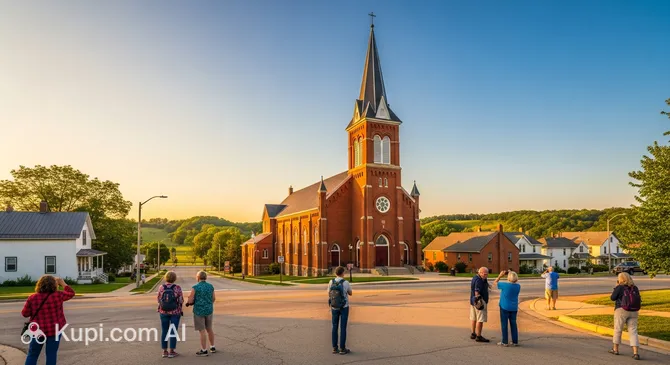
Holy Cross. Source: Kupi.Binoculars

For travelers, the primary allure of Holy Cross lies in its pristine natural surroundings and the mighty Yukon River. The river serves as a vital transportation route and a hub for subsistence activities like fishing, which are central to the local way of life. The surrounding wilderness offers unparalleled opportunities for viewing wildlife and experiencing the serene beauty of the Alaskan interior, particularly for those who appreciate the rugged outdoors.

Visiting Holy Cross provides a rare opportunity to experience the resilience and hospitality of an off-the-beaten-path Alaskan village. Whether you are interested in indigenous cultures or simply seeking the tranquility of the north, this riverside community invites you to witness a side of Alaska that few tourists get to see.

Weather Overview

Travelers planning a visit to this region should be prepared for distinct seasonal variations typical of the Alaskan interior. The weather in Holy Cross is generally characterized by long, freezing winters and mild, pleasant summers. Understanding these patterns is essential for packing the right gear, whether you are visiting for winter sports or summer river activities.

Winter conditions are severe, with January typically being the coldest month. During this time, the average temperature hovers around -15.3°C, and lows can drop to -18.1°C. In contrast, the summer months offer a comfortable thaw. July is usually the warmest time of year, with average temperatures of 14.9°C and highs reaching up to 18.5°C, making it the most popular season for outdoor exploration.

Precipitation patterns here are somewhat unique; while the total volume is quite low, ranging from just 1mm to 3mm per month, the frequency of precipitation is notable. August, for instance, sees up to 18 wet days despite low accumulation. Expect mild summers with frequent light rain and very cold, relatively dry winters.

Interesting Facts

Beyond the main attractions and scenic river views, Holy Cross holds many fascinating secrets that showcase its resilience and historical importance. Here are a few unique facts that define this remote community:

  • An Unlikely Agricultural Success: Contrary to the stereotype of the frozen north, the historic Jesuit mission founded here was once a thriving agricultural center. In the early 20th century, the mission defied the harsh climate by successfully raising cattle and harvesting thousands of pounds of potatoes and vegetables annually, supplying fresh produce to miners and residents across the region.

  • Iron Dog Checkpoint: While many associate Alaska with dog sledding, this village plays a crucial role in a different kind of endurance event. It serves as a vital checkpoint and refueling stop for the Iron Dog, the world's longest and toughest snowmobile race. This high-speed competition covers over 2,000 miles of rugged terrain, bringing a burst of energy and excitement to the community each winter.

  • Meeting of Two Worlds: Holy Cross is geographically significant as the precise boundary line between two major indigenous cultures. It sits where the Yup'ik people of the lower river and the Athabascan people of the interior meet, making it a unique linguistic and cultural melting pot that has fostered trade and intermarriage for over a century.

How to Get There

Reaching this remote community requires some planning due to its location in the Alaskan wilderness. For detailed options and routes, you can read more about how to get to Holy Cross. The village is primarily accessible by air and water, as it is off the main road system.

The city of Holy Cross does not have a major airport of its own, but you can fly into Saint Mary's Airport (KSM) in the city of St Marys, which is about 184.6 km from Holy Cross. Another significant regional hub is Bethel Airport (BET) in Bethel, located approximately 192.7 km away. It is important to note that there are no roads connecting these cities to Holy Cross. Consequently, while the theoretical ground travel time would be significant, the actual journey from these hubs is typically completed via a smaller connecting flight or air taxi service.

For clarity, here is a summary of the main airports:

Airport Name City Passenger Traffic Km from City
Bethel Airport Bethel Medium 192.7
Saint Mary's Airport St Marys Small 184.6
Unalakleet Airport Unalakleet Small 195.3
Nulato Airport Nulato Small 293.8
McGrath Airport McGrath Small 230.0

The city of Holy Cross does not have a railway station, and the region is not connected to the North American rail network. Visitors typically arrive by small aircraft or, during the ice-free summer months, by boat along the Yukon River.

Main Attractions

Holy Cross is a destination where the attractions are defined not by ticket booths or queues, but by the raw beauty of the wilderness and the deep historical roots of the community. Visitors to this remote village are treated to an authentic slice of Alaskan life, where the landmarks tell stories of resilience, faith, and survival in the subarctic interior.

The most significant historical site is the location of the Holy Cross Mission, from which the community takes its name. Established by Jesuit priests in the late 19th century, this mission was once a bustling center for education and agriculture in the region. While the original complex has changed over time, the site remains a focal point for understanding the village's past. Tourists interested in history can walk the grounds to appreciate the legacy of the early settlers and the blending of Catholic and indigenous traditions that defines the local culture today.

Dominating the landscape is the majestic Yukon River, which serves as the lifeblood of the community. In the summer months, the riverbank is the perfect place to witness the traditional Alaskan engineering known as fish wheels. These basket-like devices, turned by the river's current, scoop salmon out of the water and are iconic symbols of subsistence living. Watching them in action offers a fascinating look into how local families harvest the resources of the land, a practice that has sustained the area for generations.

For winter visitors, Holy Cross holds a special place on the map as a checkpoint for the legendary Iditarod Trail Sled Dog Race. Located on the Southern Route of the trail, the village welcomes mushers and their teams during odd-numbered years. Standing on this historic trail, even when the race is not passing through, connects travelers to the spirit of the "Last Great Race on Earth" and the heritage of dog mushing that is integral to rural Alaska.

Surrounding the village is the vast, untouched Innoko National Wildlife Refuge area. While technically a broader region, the wilderness accessible from Holy Cross offers exceptional opportunities for wildlife viewing. The wetlands and boreal forests are home to moose, black bears, and huge populations of migratory birds. For nature photographers and birdwatchers, the pristine silence of the surrounding hills provides an immersive experience into the wild heart of Alaska.

Local Cuisine

The culinary experience in Holy Cross is deeply rooted in the subsistence lifestyle of the Alaskan interior, offering a taste of food that is harvested directly from the land and the river. In this remote community, "farm-to-table" is not a trend but a way of life. The cuisine centers heavily on the bounty of the Yukon River and the surrounding wilderness, with recipes passed down through generations of Deg Hit'an Athabascan and Yup'ik families.

Salmon is the undisputed staple of the local diet. During the summer runs, King, Silver, and Chum salmon are harvested in abundance. Visitors may have the chance to try it prepared in various traditional ways, such as smoked strips, dried fish (often called "dry fish"), or baked fresh over an open fire. Another significant source of protein is wild game, particularly moose, which is often prepared as a hearty stew or roast, providing essential warmth and energy during the colder months.

For a unique local treat, tourists should look for Akutaq, widely known as "Eskimo Ice Cream." This traditional dish is a whipped mixture of fat (traditionally seal oil or reindeer fat, though vegetable shortening is common today), sugar, and an abundance of locally picked berries like cloudberries, blueberries, or cranberries. It is a high-energy dessert that perfectly captures the flavors of the tundra.

When it comes to beverages, the choices reflect the practical needs of the climate. Hot coffee and tea are consumed throughout the day to stay warm. You might also encounter traditional herbal teas made from native plants such as Hudson's Bay tea (Labrador tea), which grows wild in the region. It is important to note that many rural Alaskan villages have strict regulations regarding the sale and possession of alcohol, so visitors should check local laws and expect a predominantly dry environment.

Travelers should be aware that Holy Cross does not possess a conventional restaurant scene with cafes or dining halls. There are no commercial chain restaurants here. Instead, the food culture is centered around hospitality, community gatherings, and home cooking. Visitors typically eat at their lodging, such as a local bed and breakfast or lodge, where meals are often communal and homemade. The local general store provides basic groceries and snacks, but for a true taste of Holy Cross, being invited to a community potlatch or a local home is the ultimate gastronomic privilege.

Travel Tips

Visiting Holy Cross requires a different mindset than a typical city break; it is an adventure into the heart of the Alaskan wilderness where self-sufficiency and respect for local customs are paramount. To help you navigate this remote community with ease and courtesy, here is a set of practical tips designed for the prepared traveler.

  1. Clothing and Gear: The weather dictates your wardrobe here. In winter, you need heavy-duty thermal layers, a rated parka, and insulated boots; frostbite is a real risk. In summer, the climate is milder, but the insects can be intense. Bring a high-quality mosquito repellent and a head net. Regardless of the season, waterproof footwear (like rubber "Xtratuf" boots) is essential, as the unpaved roads and riverbanks can be muddy. Dress is casual and practical everywhere.

  2. Transportation: Forget about car rentals, subways, or ride-hailing apps like Uber. The city is small enough to navigate on foot, which is how most visitors get around. Locals primarily use ATVs (four-wheelers) in the summer and snowmachines (snowmobiles) in the winter. If you need to move heavy gear or travel further, arrange transportation with your lodging host in advance, as there is no public transit system.

  3. Finances: Cash is king in rural Alaska. While the local general store may accept credit cards, telecommunication outages can render card readers useless. There are no banks and relying on an ATM is risky. Bring enough US Dollars in smaller denominations ($10s and $20s) to cover your stay. Be prepared for "bush prices"—groceries and fuel are significantly more expensive than in the lower 48 states due to freight costs.

  4. Health and Safety: Medical facilities are limited to a local clinic for basic care; serious emergencies require a medical evacuation flight (medevac) to a larger city, which is weather-dependent and costly. It is highly recommended to have travel insurance that covers medical evacuation. Also, be "bear aware" even inside the village limits, and carry personal medication as there is no commercial pharmacy.

  5. Communication: English is the primary language spoken by everyone. Mobile coverage can be spotty; GCI is the dominant provider in rural Alaska, while major carriers like AT&T or Verizon may have no signal at all. Wi-Fi is generally limited to the school or specific lodgings and is often slow via satellite. It is wise to download offline maps and entertainment before you arrive.

  6. Local Etiquette: Holy Cross is a close-knit community where everyone knows everyone. A friendly wave to passersby is the norm. Respect for elders is a core value in Athabascan and Yup'ik culture; always let elders speak first and serve them first at meals. If you see fish racks, smokehouses, or fish wheels, view them from a distance—these are private food sources, not public museum exhibits.

  7. What to Avoid: Do not photograph locals, especially children or elders, without their explicit permission. It is considered intrusive. Additionally, avoid making assumptions about alcohol laws. Many rural Alaskan villages are "dry" (banning possession) or "damp" (limiting amount). Check the current local option laws strictly before packing any alcohol, as violations are taken very seriously.

  8. Food and Supplies: Since there are no restaurants, you will likely be cooking for yourself or eating at your lodge. The local store has basics, but fresh produce can be scarce or sold out. A great life hack is to pack a box of your favorite non-perishable snacks, coffee, or specific dietary items to bring with you on the plane. It ensures you have what you need and saves money.

By packing smart and approaching the community with an open heart and respect for its traditions, your visit to Holy Cross will be a smooth and deeply rewarding experience. Enjoy the incredible silence of the wilderness and the warm hospitality of the people living along the Yukon River.

Entertainment & Nightlife

Travelers arriving in Holy Cross expecting a bustling scene of nightclubs, cocktail bars, or late-night discos will find a very different kind of evening atmosphere. In this small, remote community of roughly 230 residents, there is no commercial nightlife in the traditional urban sense. There are no pubs, dance clubs, or districts dedicated to evening entertainment. Instead, the "nightlife" here is defined by the profound silence of the wilderness, community gatherings, and, during the winter months, spectacular natural displays in the sky.

The primary form of evening entertainment for visitors is witnessing the Aurora Borealis (Northern Lights). Because Holy Cross is located far from the light pollution of major cities, the night sky is incredibly dark and clear. On active nights in winter, the sky transforms into a mesmerizing canvas of dancing green, purple, and red lights. The banks of the Yukon River offer an unobstructed front-row seat to this celestial show, which far surpasses any laser light display you might find in a city club.

Social life in the village revolves around community-organized events rather than commercial venues. The Holy Cross Community Hall is often the heartbeat of local social interaction in the evenings. Depending on the schedule, you might find residents gathering here for a game of Bingo, which is a popular pastime in rural Alaska, or for potlucks and celebrations. Similarly, the Holy Cross School gymnasium frequently hosts basketball games and sports tournaments. These events are high-energy community affairs where the entire village comes out to cheer, offering visitors a warm and authentic way to spend an evening among locals.

It is crucial for visitors to understand the local regulations regarding alcohol. Holy Cross is generally a "damp" or "dry" community under local option laws, meaning the sale of alcohol is typically prohibited, and possession may be strictly regulated or banned entirely. There are no bars or liquor stores. Tourists should strictly adhere to these rules and respect the sober nature of public spaces. The evening culture here is focused on family, storytelling, and rest after a day of subsistence work, not on partying.

If you venture out for a night walk to admire the stars or the river, safety is paramount. The village is unlit in many areas, so carrying a high-quality flashlight or headlamp is essential. Furthermore, you are in bear country. Wildlife does not adhere to business hours, and bears can be active at night, even near the settlement. It is advisable to stay within the main village area, walk in pairs, and make noise to avoid startling any animals. For transportation, there are no night taxis; everywhere is within walking distance, but be mindful of the extreme cold in winter.

During the daylight hours, entertainment is equally low-key and nature-focused. Visitors can explore the local history at the old mission site or engage in outdoor activities like boating or berry picking in the surrounding hills. The transition from day to night in Holy Cross is seamless, marked not by the opening of club doors, but by the setting sun and the deepening quiet of the Alaskan interior.

Parks & Museums

In a remote community like Holy Cross, the concept of "parks" and "museums" takes on a different meaning than in a bustling metropolis. Here, you will not find manicured botanical gardens or sprawling art galleries with ticket counters. Instead, the entire village serves as a living museum of Alaskan history, and the surrounding wilderness acts as a boundless natural park. The cultural heritage is preserved in the land and the stories of the people, while the green spaces are wild, pristine, and stretching as far as the eye can see.

The Yukon Riverbanks serve as the community's primary recreational area and natural gathering spot. While not a designated municipal park, the riverfront is the center of activity during the summer months. Travelers can walk along the gravel beaches, watch the local fish wheels turn in the current, and enjoy picnics with a view of the water. It is a place to connect with the rhythm of the river, offering a peaceful setting for birdwatching or simply soaking in the midnight sun.

Just beyond the village limits lies the vast expanse of the Innoko National Wildlife Refuge. Although the refuge covers a massive area, the wilderness accessible directly from Holy Cross offers a taste of this protected ecosystem. It is a paradise for nature lovers, featuring wetlands and boreal forests that are home to moose, bears, and wolves. For tourists, this "park" offers authentic hiking and wildlife viewing opportunities that are completely unmanaged and fence-free, requiring a sense of adventure and respect for the wild.

When it comes to history and culture, the Holy Cross Mission Site is the most significant landmark. Established in the late 1800s, the mission was once a major educational and agricultural hub for the region. While many original buildings have been lost to time or fire, the site itself remains a poignant reminder of the past. Visitors can explore the grounds to see the remnants of this era, including the historic cemetery where early Jesuit priests and sisters are buried alongside local residents, telling a silent story of the convergence of cultures.

Although there is no formal indoor museum, the Holy Cross School often acts as a cultural touchstone for the village. The school frequently showcases student projects related to Deg Hit'an Athabascan and Yup'ik heritage, including traditional arts, crafts, and language exhibits. While access may be limited during school hours, community events held here often display the living culture of the region, from beadwork to mask making, offering visitors a glimpse into the artistic traditions that are still vibrant today.

For a truly local experience, ask a resident about the best spots for berry picking in late summer. The hillsides around the village transform into a natural garden filled with blueberries, raspberries, and cloudberries. Harvesting these wild fruits is a beloved local pastime and offers a delicious way to explore the "green spaces" of Holy Cross just like a local.

Getting Around

Travelers arriving in Holy Cross should immediately adjust their expectations regarding public transportation. As a small, remote community in the Alaskan wilderness with a population of just over 200 people, the city does not have a public transport network. There are no subways, buses, trams, or trolleybuses here. The infrastructure is minimal, consisting of gravel roads and trails designed for utility rather than mass transit.

Because there is no formal transport system, there are no tickets, travel passes, or transport apps to worry about. You will not need to purchase a smart card or validate a ticket. The concept of "fares" applies only if you manage to arrange a private transfer with a local resident or lodge owner. in such rare cases, cash is the only accepted method of payment, as digital payment infrastructure for transport does not exist.

The primary way to navigate the village is on foot. The community is compact, and most key locations—such as the general store, the school, and the clinic—are within walking distance of the airstrip and the river. Visitors should bring durable, waterproof footwear, as the unpaved roads can be dusty in summer and muddy or snowy depending on the season. Walking offers the best pace to appreciate the quiet atmosphere and meet locals.

For covering longer distances or transporting gear, the "local taxis" are actually All-Terrain Vehicles (ATVs) or "four-wheelers" during the summer months. In the winter, snowmachines (snowmobiles) become the standard mode of transport. These are privately owned vehicles, not public fleets. If you are staying at a local lodge or bed and breakfast, your host will typically provide transportation from the airstrip to your accommodation using one of these vehicles or a truck.

There are no commercial taxi companies, car-sharing services, or bike rental shops in Holy Cross. Tourists cannot rent a car here, and ride-hailing apps are non-functional. Your mobility relies entirely on walking or pre-arranged assistance from your host. It is highly recommended to confirm your arrival logistics with your lodging provider before you land, ensuring someone is there to meet you at the airstrip.

Accommodation

Finding accommodation in Holy Cross is quite different from booking a stay in a standard tourist destination. Due to its small size and remote location in the Alaskan wilderness, the city does not have conventional chain hotels, luxury resorts, or hostels. Instead, the options are limited and primarily consist of small, locally run bed and breakfasts or transient lodging facilities managed by the local community or tribal council. These accommodations offer a rustic, home-style atmosphere where hospitality is personal and warm, rather than corporate and standardized.

Given the compact layout of the village, location is rarely an issue for visitors. Most lodging options are situated centrally, within walking distance of the Yukon River, the general store, and the airstrip. Staying in the heart of the community allows travelers to easily access the few local amenities available and immerse themselves in the daily rhythm of village life. There are no specific "tourist districts"; the entire settlement is a close-knit neighborhood.

Booking accommodation requires advance planning and direct communication. Unlike major cities where you can book a room instantly via an app, securing a place to stay in Holy Cross often involves calling the lodging provider or the city office directly. It is highly recommended to book your stay weeks or even months in advance, especially during peak times like the summer fishing season or the Iditarod race, as the limited number of beds can fill up quickly.

Regarding costs and payment, travelers should be prepared for prices that reflect the high cost of living in rural Alaska. Rates can be higher than expected for the level of amenities provided, often falling into a mid-to-high price range due to the expense of maintaining facilities in such a remote area. Furthermore, payment methods may be old-fashioned; while some places might accept credit cards, it is wise to confirm this beforehand and carry enough cash or checks to cover your stay, as internet outages can disrupt card processing.

Nearby Cities

Holy Cross is situated in a vast, sparsely populated region where communities are separated by miles of wilderness rather than paved roads. While it stands alone on the Yukon River, it is part of the broader Western Alaska network, connected to other settlements by air and waterways. Understanding the neighboring hubs and villages provides a better picture of the area's geography and cultural landscape.

As the largest community in the region, Bethel serves as the primary commercial and transportation hub for the Yukon-Kuskokwim Delta. Though located a significant distance away by air, it is the economic lifeline for many smaller villages. Visitors here can explore the Yupiit Piciryarait Cultural Center to gain a deeper appreciation of the Yup'ik heritage that influences much of the surrounding area.

To the northwest, situated on the shores of Norton Sound, lies Unalakleet. This community offers a contrast to the river-based life of the interior, showcasing the coastal Inupiaq culture. Known for its world-class fishing and as a famous checkpoint on the Iditarod Trail, it represents the diverse environments found within this corner of the state.

City Population Distance (km)
Bethel 20287 189
Kwethluk 800 178
Unalakleet 700 194
Akiachak 627 169
Stebbins 600 195

These destinations highlight the mix of riverine and coastal traditions that define this unique part of Alaska.

Shopping & Souvenirs

Shopping in Holy Cross is a strictly utilitarian experience, reflecting the practical needs of life in a remote Alaskan village. Visitors should adjust their expectations immediately: there are no boutiques, souvenir shops, or fashion outlets here. The retail scene is focused entirely on providing essential goods, groceries, and fuel to the local residents. For a tourist, "shopping" will likely be limited to picking up a few snacks or basic supplies rather than browsing for leisure.

There are no shopping districts or commercial streets in the city. The commercial hub of the community is typically a single general store, which serves as the grocery store, hardware supplier, and convenience stop all in one. This store is the lifeline of the village, stocking everything from canned food and fresh produce (when available) to winter boots and engine oil. It is located centrally within the village, easily found by walking along the main roads near the river.

Travelers will not find any shopping malls or large department stores in Holy Cross. The infrastructure simply does not support large-scale retail. The nearest shopping centers are hundreds of miles away in larger hubs like Bethel or Anchorage, accessible only by plane.

Formal markets, such as flea markets or farmers' markets, do not exist in the village due to the small population and the subsistence nature of the economy. However, community gatherings at the school or community hall sometimes feature small fundraisers where homemade baked goods or local crafts might be sold. These are sporadic and not guaranteed, but they offer a warm glimpse into community life if you happen to be visiting during an event.

While there are no dedicated souvenir shops, the best items to bring back from Holy Cross are authentic Alaska Native handicrafts. The local residents are skilled in traditional arts, including intricate beadwork, skin sewing, and making moccasins or fur hats. These items are rarely sold in a store; instead, they are usually purchased directly from the artisans. If you are interested in buying a unique keepsake, ask your lodging host or a local resident if anyone has crafts for sale. This direct trade ensures that your money goes straight to the artist.

Business hours for the local general store are generally limited compared to urban standards. It typically opens in the morning and closes by early evening, and may have reduced hours or be closed on Sundays. Cash is the preferred method of payment. While the store may accept credit cards, reliance on satellite internet means that card machines can go down during bad weather. It is highly recommended to carry enough cash to cover all your potential purchases.

One financial benefit for visitors to Alaska is the absence of a state sales tax. While local municipalities can impose their own taxes, the lack of a statewide tax generally makes the base price the final price. However, be aware that the "bush premium"—the high cost of shipping goods to rural Alaska—means that prices for everyday items will be significantly higher than what you are used to in the lower 48 states.

Reached the end of the page?

That means the route is fully explored