Support

Aniak

About

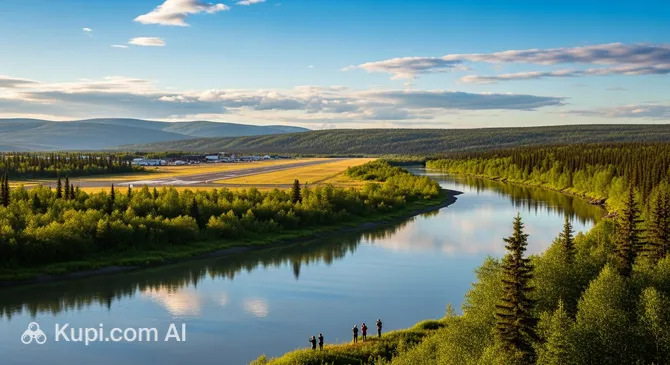
Aniak. Source: Kupi.Binoculars

Welcome to Aniak, a captivating village nestled in the heart of the Yukon-Kuskokwim Delta region of Alaska. This remote community offers a glimpse into the authentic lifestyle of rural Alaska, far removed from the hustle and bustle of major cities. Located within the United States, Aniak serves as a vital transportation and service hub for surrounding villages, yet it retains a peaceful, close-knit atmosphere that charms visitors seeking solitude and untouched nature.

Geographically, the city is situated on the south bank of the majestic Kuskokwim River at the head of the Aniak Slough. The name "Aniak" is a Yup'ik word meaning "the place where it comes out," referring to the mouth of the slough. With a population of approximately 500 residents, the town is small but vibrant. The climate here is subarctic, characterized by cold, snowy winters and mild, pleasant summers, making it a distinct destination for those prepared to embrace the elements.

The cultural heritage of the area is rich and deeply connected to the land. Delving into the history of Aniak provides insight into its origins as a traditional fishing ground and its evolution during the gold rush era. Today, the blend of traditional Yup'ik culture and modern Alaskan life creates a unique social fabric where subsistence activities like hunting and gathering remain central to daily life.

For travelers, Aniak is primarily a gateway to world-class outdoor adventures. The Kuskokwim River is a paradise for anglers, offering abundant opportunities to catch various species of salmon, northern pike, and sheefish. Beyond fishing, the surrounding wilderness invites intrepid explorers to engage in boating, wildlife viewing, and hiking through landscapes that feel truly wild. Whether you are passing through or planning a dedicated fishing trip, Aniak offers a genuine slice of the Last Frontier.

Weather Overview

The climate in this region is subarctic, defined by significant seasonal contrasts that shape the local lifestyle and travel opportunities. Visitors should be prepared for a wide range of conditions, from deep freezes to pleasant warmth. For a more detailed breakdown of what to expect during your specific travel dates, you can consult the guide to the weather in Aniak.

Winters are long and rigorously cold, requiring heavy thermal clothing. January is typically the coldest month, with average temperatures hovering around -15.0°C and lows often dipping to -18.0°C. While the precipitation volume in millimeters appears low during the winter months, the cold ensures that snow remains a defining feature of the landscape.

Summer offers a brief but welcome respite with much milder temperatures. July is generally the warmest time of year, featuring average temperatures of 14.6°C and daily highs reaching up to 18.0°C. Travelers should note that the warmer months also bring frequent precipitation; August, for example, experiences about 20 wet days, so packing waterproof gear is essential. Overall, expect mild summers with frequent rain showers and cold, snowy winters.

Interesting Facts

Beyond its reputation as a quiet riverside community, Aniak holds fascinating secrets involving Cold War history and extreme endurance sports. This small village is far more than just a waypoint; it is a place where history and modern Alaskan resilience intersect in surprising ways.

  • A School with a Cold War Past: One of the most unique features of Aniak is the origin of its high school. The building that now houses local students was originally constructed as a White Alice Communications System site during the Cold War. These facilities were built by the Air Force to provide tropospheric scatter communications across the state. While the massive billboard-like antennas are a thing of the past, the sturdy concrete structure remains a central part of community life, having been repurposed for education.

  • The Toughest Halfway Point: Aniak serves as the critical halfway checkpoint for the Kuskokwim 300, a premier sled dog race often cited as the toughest 300 miles in mushing. While the Iditarod is more famous globally, the "K300" is legendary among mushers for its difficult trail conditions and fierce competition. During the race, the village transforms into a festive hub where locals and volunteers gather to support the teams braving the frozen river.

  • Gold Before the Rush: Long before the famous Klondike Gold Rush of the late 1890s, Russian explorers reportedly discovered gold in the area as early as 1832. Traders from the Russian-American Company referred to a tributary near here as the "Yellow River," believed by historians to be the Aniak River. This makes the region one of the earliest sites of gold discovery in Alaska, predating the major stampedes by over half a century.

  • The Ice Highway: Although Aniak is not connected to the rest of the state by paved roads, winter brings a unique form of infrastructure. When the Kuskokwim River freezes thick enough, it is plowed to create an ice road that connects Aniak to neighboring villages like Chuathbaluk and Napaimute. This temporary highway allows residents to drive cars and trucks between communities, a rare luxury in a region typically accessible only by boat or small plane.

How to Get There

Reaching the remote village of Aniak requires careful planning, as the community is located entirely off the main road system of Alaska. There are no highways connecting it to the rest of the continent, meaning the primary and most reliable way to arrive is by air. For a detailed guide on logistics and carriers, you can read more about how to get to Aniak.

The principal regional hub for travelers is Bethel Airport (IATA: BET), located in the city of Bethel, approximately 152.5 km west of Aniak. Bethel acts as a major transit point for the Yukon-Kuskokwim Delta. It is crucial to understand that you cannot drive, take a taxi, or catch a bus from Bethel to Aniak. The terrain between these locations is roadless wilderness. Consequently, travel from Bethel must be completed via a connecting flight on a smaller commercial aircraft, often referred to as a "bush plane."

Another potential entry point into the wider region is Saint Mary's Airport (IATA: KSM), situated in St Marys, roughly 204.8 km away. Similar to Bethel, this airport is not connected to Aniak by road. Visitors landing here would need to arrange further air transport to reach their final destination. While river travel via the Kuskokwim River is sometimes possible during the ice-free summer months, it is a slow mode of transport compared to the quick hop provided by local air carriers.

For your reference, here is a summary of the main airports in the surrounding region:

Airport Name City Passenger Traffic Km from City
Bethel Airport Bethel Large 152.5
Saint Mary's Airport St Marys Medium 204.8
Unalakleet Airport Unalakleet Medium 264.9
McGrath Airport McGrath Small 255.1
Kongiganak Airport Kongiganak Small 256.1

Aniak is not accessible by rail, as there are no railway lines in this part of the state. The village's isolation is a defining feature; without road or rail access, the Kuskokwim River serves as a vital marine highway for barges and boats during the summer, while winter travel is dominated by aircraft and local snowmachine trails. Visitors should focus exclusively on air travel arrangements when planning their arrival.

Main Attractions

Aniak River

The Aniak River is widely regarded as the crown jewel of the region for outdoor enthusiasts. This fast-flowing tributary of the Kuskokwim is a world-class destination for sport fishing, drawing anglers from across the globe who are eager to experience its abundant waters. It is particularly famous for offering the chance to catch a wide variety of species in a single trip, including King, Silver, Chum, and Pink salmon, as well as trophy-sized Rainbow Trout, Arctic Char, and Northern Pike. Beyond fishing, the river is a popular route for guided rafting trips, allowing visitors to float through pristine wilderness, spot wildlife along the banks, and immerse themselves in the silence of the Alaskan bush.

Kuskokwim River

As the lifeblood of the community, the majestic Kuskokwim River dominates the local landscape and serves as the primary thoroughfare for travel and recreation. In the summer months, the river is bustling with skiffs and barges, offering tourists a chance to explore the waterways by boat and witness the traditional subsistence lifestyle of the local Yup'ik people in action. Travelers can take scenic boat rides to view the expansive delta scenery or watch locals managing their fish wheels and drift nets. In winter, the frozen river transforms into an ice highway for snowmachines and dog sleds, serving as a key checkpoint for the famous Kuskokwim 300 sled dog race.

Aniak High School (Former White Alice Site)

For those interested in history and unique architecture, the local high school presents a fascinating landmark. The building was originally constructed as a station for the White Alice Communications System, a Cold War-era telecommunications network built by the U.S. Air Force. While the massive tropospheric scatter antennas are long gone, the robust, bunker-like concrete structure remains and has been creatively repurposed to serve the community's educational needs. It stands as a tangible reminder of Alaska's strategic importance during the mid-20th century and is a distinct point of interest for history buffs visiting the village.

Aniak Slough

The village itself is centered around the Aniak Slough, a calmer channel of water that separates the main town from the river's stronger currents. The name "Aniak" translates from Yup'ik as "the place where it comes out," referring specifically to the mouth of this slough. It is an excellent spot for a more relaxed experience, such as birdwatching or a quiet evening walk along the water's edge. The slough provides a sheltered harbor for floatplanes and small boats, making it a picturesque hub of daily activity where visitors can observe the comings and goings of bush pilots and local fishermen.

Local Cuisine

The culinary landscape of Aniak is deeply rooted in the subsistence lifestyle of rural Alaska, offering a gastronomic experience defined by freshness and a connection to the surrounding wilderness. Unlike major culinary capitals, the food culture here does not revolve around varied restaurants or street food stalls, but rather around the bounty of the land and river. For visitors, this means the opportunity to taste ingredients that are wild-caught, organic, and prepared with traditional Yup'ik methods that have sustained the local population for generations.

The undisputed star of the local diet is Pacific salmon, harvested directly from the Kuskokwim River. During the summer runs, King (Chinook), Silver (Coho), and Red (Sockeye) salmon are staples. You will often find salmon prepared in a variety of ways: grilled fresh over an open fire, dried into jerky, or cold-smoked to create "salmon strips" or "salmon candy." These sweet-and-salty smoked treats are a signature snack in the region, perfect for fueling outdoor adventures. Besides salmon, freshwater fish like luscious whitefish, sheefish, and northern pike are also common, often served fried or in hearty chowders.

For a truly authentic taste of the region, adventurous eaters should look for Akutaq, widely known as "Eskimo Ice Cream." This traditional dish is not ice cream in the dairy sense; it is a whipped mixture of fats (traditionally reindeer or seal fat, though vegetable shortening is often used today) blended with sugar and an abundance of local berries. Hand-picked cloudberries, blueberries, or cranberries are folded into the mixture, creating a high-energy dessert that is unique to this part of the world. Another comfort food staple is fry bread, a fluffy, deep-fried dough often served with jams or savory stews.

Dining out in Aniak is a limited affair due to the village's small size, with social life and meals often centered around the local lodge or community gatherings. There are no bustling food markets; instead, the "grocery store" is the wilderness itself. In terms of beverages, the climate dictates the preferences: coffee is an essential part of daily life, consumed in large quantities to combat the cold and keep energy levels high. While you may find standard soft drinks, the culture emphasizes warming, non-alcoholic drinks shared in the comfort of a warm kitchen or a lodge dining room after a long day on the river.

Travel Tips

Visiting Aniak is a unique adventure that requires a different mindset compared to typical tourist destinations; preparation is the key to enjoying this remote corner of Alaska. Here are some practical tips to help you navigate the logistics of village life and make the most of your time in the wilderness.

  1. Clothing and Gear: Function always trumps fashion here. In the summer, the most essential item is a pair of high-quality, knee-high rubber boots (often called "Alaskan sneakers"), as the terrain can be muddy and wet. Dress in layers: bring a moisture-wicking base layer, a warm fleece or wool mid-layer, and a durable waterproof rain jacket. If visiting in winter, you will need extreme cold-weather gear, including an insulated parka, snow pants, heavy mittens, and thermal boots rated for sub-zero temperatures.

  2. Transportation: Forget about ride-hailing apps like Uber or standard car rental agencies; they do not exist here. The village is small enough that the central area is walkable, but locals typically get around using ATVs (four-wheelers) in the summer and snowmachines in the winter. Some lodges may offer shuttle services for their guests. If you need to go further, you might find an informal "bush taxi" (usually a local with a truck), but arrangements are often made by word of mouth.

  3. Finances: The local currency is the US Dollar (USD). While the main general store may accept credit cards, cash is king in rural Alaska, especially for small transactions or buying crafts from local artists. There is typically an ATM available at the main commercial hub (like the AC Store), but it is wise to bring enough cash with you from a major hub like Anchorage or Bethel, as machines can be out of service. Be prepared for "bush prices"—food and fuel are significantly more expensive due to freight costs.

  4. Health and Safety: Aniak has a local health clinic (the Aniak Sub-Regional Clinic) for basic medical needs, but serious emergencies require a medical evacuation flight to a hospital in Bethel or Anchorage. It is highly recommended to have travel insurance that covers medevac. Regarding safety, you are in bear country; always carry bear spray when hiking or fishing and know how to use it. In winter, frostbite is a real danger, so cover all exposed skin.

  5. Communication: English is the primary language spoken by everyone, though you may hear Yup'ik spoken by elders. Cell phone coverage can be spotty; GCI is the dominant provider in rural Alaska, and carriers like AT&T or Verizon may have limited or no service (roaming). Wi-Fi is available at some lodges and public buildings, but speeds can be slow and bandwidth limited. Download offline maps and essential documents before you arrive.

  6. Local Etiquette: The community is tight-knit and friendly. It is customary to wave or nod at people you pass on the road, even if you don't know them. If you are invited into a home, always remove your shoes at the door—this is a strict rule in Alaska to keep mud and snow out. Respect for elders is paramount in Native culture; always let them speak first and serve them first at meals.

  7. What to Avoid: Do not wander into private fish camps or touch fish drying on racks without explicit permission. These are not just picturesque scenes; they represent a family's winter food supply and hard work. Additionally, avoid taking close-up photographs of locals, especially children or elders, without asking respectfully first.

  8. Bug Protection: If you are visiting between June and August, do not underestimate the mosquitoes. They can be intense in the Yukon-Kuskokwim Delta. Bring high-concentration DEET insect repellent and consider packing a head net. A lightweight, bug-proof jacket can make the difference between a miserable outing and an enjoyable hike.

By packing the right gear and respecting the local way of life, you will find Aniak to be a welcoming gateway to the true Alaskan wilderness. Embrace the slower pace, connect with the community, and enjoy the incredible solitude that this special village has to offer.

Entertainment & Nightlife

Travelers arriving in Aniak hoping for a bustling district of nightclubs, cocktail bars, and 24-hour diners will quickly discover that "nightlife" here has a completely different meaning. In this remote village of 500 people, the evening entertainment is not defined by commercial venues but by the rhythms of the community and the spectacular wilderness that surrounds it. The atmosphere is incredibly laid-back, rustic, and intimate, where a night out usually means sharing a warm meal, swapping stories with locals, or marveling at the natural light shows in the sky.

There are no designated nightlife streets or entertainment districts. Instead, social life gravitates toward a few key community hubs. The primary gathering spot for visitors and residents alike is the Aniak Lodge. As the main accommodation and dining facility in the village, its dining room often doubles as the social center of the town. Here, the "dress code" is strictly Alaskan practical: wool socks, heavy boots, and fleece jackets are the norm. It is the best place to unwind after a day on the river, enjoy a hearty meal, and engage in conversation with bush pilots, fishermen, and local families. The vibe is welcoming and unpretentious, offering a rare chance to connect authentically with life in the bush.

Beyond the lodge, evening entertainment is often community-driven. In rural Alaskan villages, the School Gym or community hall frequently hosts events that bring the entire town together, such as basketball tournaments or the ever-popular Bingo nights. While these aren't "clubs" in the traditional sense, they are vibrant, energetic gatherings where you can experience the true spirit of the village. If you are visiting during the winter, the "nightclub" is the sky itself; simply stepping outside to the banks of the Kuskokwim River offers a front-row seat to the Aurora Borealis (Northern Lights), a mesmerizing display that rivals any laser show on earth.

Practicalities for a night out in Aniak are simple but strict. There are no taxis or ride-sharing services like Uber. The village is small enough to navigate on foot, though locals often travel by ATV or snowmachine depending on the season. If you plan to walk at night, safety is paramount—not from crime, which is low, but from wildlife. You are in bear country, and encounters can happen even near the village center. Always carry a flashlight and bear spray, and stay aware of your surroundings. Most "venues" (like the lodge) close relatively early compared to city standards, so plan to eat dinner by 7:00 or 8:00 PM.

During the daylight hours, entertainment remains focused on the outdoors. There are no movie theaters, museums, or amusement parks in Aniak. The main attractions are the river and the land itself. Visitors spend their days sport fishing for massive salmon, boating along the slough, or hiking the local trails. For a touch of local culture, watching the daily activity at the airstrip or observing traditional fish preparation along the riverbanks provides a fascinating look into the subsistence lifestyle that defines this unique corner of Alaska.

Parks & Museums

Aniak is a destination where the concept of a "park" expands to encompass the vast, untamed wilderness surrounding the village, and "museums" are found not in glass cases, but in the living history and daily traditions of its people. Instead of manicured gardens and ticketed galleries, visitors here are treated to the raw beauty of the subarctic landscape and the enduring legacy of the Yup'ik culture, which is woven into the very fabric of the community.

Aniak River

While not a park in the traditional urban sense, the Aniak River serves as the region's premier recreational playground and natural sanctuary. This fast-flowing tributary is world-renowned among anglers and rafters for its pristine waters and abundant wildlife. In summer, the riverbanks function as a wild, green corridor where visitors can launch rafts for multi-day floating adventures or cast lines for trophy rainbow trout and salmon. The lush vegetation along the river provides a habitat for moose and bears, offering wildlife viewing opportunities that rival any national park.

The Tundra "Gardens"

Surrounding the village is the open tundra, which transforms into a spectacular natural garden during the warmer months. Rather than planted flowerbeds, this landscape offers a bounty of wild berries, including cloudberries (salmonberries), blueberries, and cranberries. For locals and visitors alike, walking out onto the tundra in late summer is a cherished pastime, combining the relaxation of a park stroll with the rewarding activity of gathering fresh fruit. The open terrain also offers unobstructed views of the distant Kuskokwim Mountains, making it a peaceful spot for photography and hiking.

The White Alice Site (Aniak High School)

Aniak is home to a significant piece of Cold War history that dominates the local skyline. The large concrete structure that now houses the Aniak High School was originally built as a station for the White Alice Communications System (WACS). Constructed by the U.S. Air Force in the 1950s, this facility was part of a defense network designed to provide reliable communications across the remote Arctic. Today, it stands as a unique architectural landmark and a historical monument to the era when Alaska was the first line of defense, effectively serving as a functional museum of military history repurposed for education.

The "Living Museum" of the Riverfront

In the absence of a formal cultural museum, the banks of the Kuskokwim River offer a "living museum" experience that showcases the traditional Yup'ik way of life. A walk along the riverfront reveals the active practice of subsistence living, which has sustained the local population for thousands of years. Visitors can observe fish wheels turning in the current, racks of salmon drying in the open air, and smokehouses preparing the winter's food supply. These sights provide a genuine and immediate connection to the region's cultural heritage, far more potent than any static exhibit.

To witness the community spirit in action, look no further than the local gatherings that define village life. While the Community Hall often hosts local events, the most spirited "exhibition" of culture occurs in winter during the Kuskokwim 300 sled dog race. The frozen river becomes a vibrant thoroughfare where the entire village gathers to cheer on mushers, creating a festive atmosphere that celebrates the deep-rooted tradition of dog mushing in the Delta.

Getting Around

Travelers accustomed to the extensive transit networks of major metropolitan areas will find the public transport situation in Aniak to be a completely different experience. As a small, remote village with a population of around 500, there is absolutely no conventional public transportation system. You will not find subways, trams, municipal buses, or fixed-route trolleybuses here. The infrastructure is minimal, designed for a self-reliant community where residents use their own vehicles to navigate the gravel roads and trails.

For visitors, the primary mode of getting around the village center is simply walking. The community is compact, and most key locations—such as the general store, the post office, and the main lodge—are within a reasonable walking distance of the airstrip and the river. The terrain is flat, though often unpaved, so sturdy footwear is more important than a transit map. In the summer, the roads can be dusty or muddy, while winter requires boots with good traction to handle snow and ice.

In terms of hired transport, there are no formal taxi companies, and ride-sharing apps like Uber or Lyft do not operate in the region. Instead, transport is often informal. Most visitors arrange airport pickups and drop-offs directly with their accommodation providers, such as the local lodge. These shuttles are typically the most reliable way to move luggage or travel longer distances within the village. Occasionally, a local resident may operate an informal "bush taxi" service using a personal truck or van; these arrangements are usually made by word-of-mouth or by asking at the general store.

Since there is no official ticketing system, there are no travel cards, passes, or mobile apps for payment. If you do manage to catch a ride with a local or use an informal shuttle, transactions are strictly cash-only. It is advisable to carry small denominations of US dollars, as drivers are unlikely to have change for large bills. Prices for informal rides are generally negotiated beforehand or set at a flat rate by the driver, often ranging from $5 to $10 for a short trip across town.

The "vehicles" of choice for locals change with the seasons, effectively serving as the real transport system of the village. During the summer months, ATVs (All-Terrain Vehicles) and pickup trucks are ubiquitous, handling the rough dirt roads with ease. In the winter, the snowmachine (snowmobile) becomes the king of the road. You will see locals commuting to the store, school, or even neighboring villages on these machines. While tourists generally do not rent these for simple transport, they are sometimes available as part of guided adventure packages.

A unique feature of the local transport network is the seasonal ice road. When the river freezes thick enough in winter, the community plows a road directly onto the ice, creating a temporary highway that connects Aniak to nearby settlements. This allows for car and truck travel to places that are accessible only by boat or plane in the summer. Conversely, during the open-water season, the river itself acts as a major thoroughfare, with skiffs and boats replacing cars for travel to fishing camps and upstream locations.

Accommodation

Finding a place to stay in Aniak is a straightforward affair, primarily because the options are quite limited in this small, remote village. Unlike larger tourist hubs with extensive hotel districts, the accommodation scene here is defined by functionality and rustic charm. Visitors should not expect sprawling luxury resorts, international hotel chains, or budget hostels. Instead, the available lodging consists mainly of small, locally run lodges and bed-and-breakfast style establishments that cater largely to sport fishermen, visiting workers, and adventurous travelers seeking a genuine Alaskan bush experience.

Given the compact size of the community, "location" is rarely a complex decision. Most accommodation options are situated within a short distance of the Aniak Airport and the Kuskokwim River. This proximity is incredibly convenient, as it allows visitors to easily walk from the airstrip to their lodgings or to the general store. Staying near the river also offers the added benefit of scenic views and easy access to the water for fishing excursions or boat charters, which are the main activities for most guests.

The most prominent type of accommodation is the traditional wilderness lodge. These facilities are often all-inclusive to some degree, providing not just a bed but also meals, as dining options in the village are scarce. Places like the well-known Aniak Lodge serve as the community's living room, offering a warm and social atmosphere where guests can mingle with locals and pilots. These lodges are designed to be comfortable and practical, with amenities geared towards those spending their days outdoors—think warm drying rooms for gear and hearty, home-cooked food rather than room service and spas.

Booking Tip: Due to the very limited number of rooms available in the entire village, it is absolutely essential to book your accommodation well in advance. During the peak summer fishing season and the winter Kuskokwim 300 race, the few available beds can fill up months ahead of time. Do not arrive without a reservation, as there are no alternative hotels to fall back on if everything is full.

Regarding costs, travelers should be prepared for what are often called "bush prices." Accommodation in Aniak tends to fall into the mid-to-high price range, reflecting the high cost of operating in a roadless environment where fuel and supplies must be flown in. Booking is rarely done through large online travel aggregators; instead, you will likely need to contact the lodge or host directly via phone or their specific website to secure a room. Be sure to ask about payment methods when booking, as some smaller operators may prefer cash or checks, although credit cards are increasingly accepted.

Nearby Cities

For those looking to explore the surroundings, Aniak serves as an excellent base for day trips to several interesting nearby locations:

The most significant destination for a short visit is Bethel, the primary commercial and transportation hub of the Yukon-Kuskokwim Delta. Located downriver, it offers travelers a chance to visit the Yupiit Piciryarait Cultural Center, which showcases the rich history and artistry of the Yup'ik people. A trip to Bethel provides a fascinating look at the logistical heart of the region, where barges and bush planes constantly move to supply the remote villages of Western Alaska.

For a more traditional experience, the village of Kwethluk presents a genuine slice of river life. As one of the oldest continuously occupied communities in the area, it is deeply rooted in subsistence culture. Visitors can observe the daily activities of fishing and gathering that sustain the local population, set against the backdrop of the expansive, flat tundra. It is an ideal spot for those wishing to see a community where the Yup'ik language and customs remain a vibrant part of everyday existence.

City Population Distance (km)
Bethel 20287 149
Kwethluk 800 133
Akiachak 627 126
Napaskiak 500 154
Tuntutuliak 500 218

These nearby destinations offer a glimpse into the diverse culture and landscapes of the region.

Shopping & Souvenirs

Shopping in Aniak is a strictly functional affair rather than a recreational pastime. As a remote village with a population of around 500, the retail landscape is designed to meet the basic survival needs of residents and the logistical requirements of outdoor expeditions. You will not find fashion boutiques, luxury brands, or souvenir shops lining the streets. Instead, the shopping experience offers a glimpse into the realities of life in the Alaskan bush, where general stores stock everything from groceries to hardware, and the most valuable goods are often handmade by local artisans.

There are no shopping districts or commercial streets in the traditional sense. The retail activity is concentrated in the heart of the village, typically near the airstrip and the riverfront. The primary commercial hub is the AC Store (Alaska Commercial Company), which serves as the lifeline for Aniak and the surrounding communities. This general store is a "one-stop-shop" for everything: fresh produce, canned goods, outdoor gear, clothing, and sometimes even snowmachines. For a visitor, walking through the aisles is an interesting cultural observation of what it takes to live in the subarctic.

Travelers looking for large shopping malls or department stores will not find them here. The village infrastructure simply does not support large-scale retail complexes. The commercial scene is comprised of small, locally run businesses or the single main general store. The absence of malls underscores the remote, self-sufficient nature of the region, where goods must be flown in by cargo plane, making selection limited and prices significantly higher than in the lower 48 states.

While there are no permanent daily markets, the community spirit often manifests in informal pop-up sales. You may occasionally find "garage sales" or community fundraising events held at the community hall or school gym. These gatherings can be excellent places to find unique items, but they are irregular and best discovered by checking bulletin boards at the Post Office or asking locals at the lodge.

The true treasure for shoppers in Aniak lies in local handicrafts. The region is home to talented Yup'ik artists who create exquisite traditional items. If you are looking for a meaningful souvenir, keep an eye out for hand-sewn skin boots (mukluks), intricate beadwork, fur hats, and carvings made from bone or antler. Unlike mass-produced trinkets, these items are authentic pieces of art that reflect the cultural heritage of the Delta. Another excellent item to bring back is local food, particularly shelf-stable smoked salmon or "salmon strips," which are a delicious regional specialty.

Opening hours in Aniak generally follow a standard schedule, with the main store typically open from morning until early evening, often closing around 6:00 PM or 7:00 PM. Sunday hours may be reduced or the store may be closed entirely. Regarding payment, the main store accepts major credit cards and debit cards. However, if you plan to purchase crafts directly from a local artist or buy a small item from a neighbor, cash is the only accepted method. It is highly advisable to bring sufficient cash with you, as ATM availability can be unreliable.

Alaska is one of the few U.S. states with no state sales tax, which can be a pleasant surprise for visitors. However, local municipalities like Aniak may levy their own local sales tax on goods and services to fund village infrastructure. Unlike international destinations with VAT refund schemes, there is no tax-free shopping refund system for tourists in the United States. The price you see on the shelf (plus any local tax added at the register) is the final price.

Reached the end of the page?

That means the route is fully explored