Support

Bethel

About

Welcome to Bethel, a vibrant and essential hub located in the heart of the Yukon-Kuskokwim Delta. As the largest community in western Alaska, it serves as a vital gateway to dozens of smaller villages in the region. This unique city offers travelers a rare glimpse into life on the tundra, far removed from the bustling metropolises, yet teeming with a spirit of community and resilience.

Situated along the banks of the mighty Kuskokwim River, Bethel is geographically isolated but culturally rich. Interestingly, it is one of the few places in the United States that cannot be reached by road; visitors must arrive by air or river, adding to its allure as a true frontier destination. The city experiences a subarctic climate, with long, snowy winters that transform the landscape into a winter wonderland, and short, mild summers that bring the tundra to life with blooming wildflowers and migrating birds.
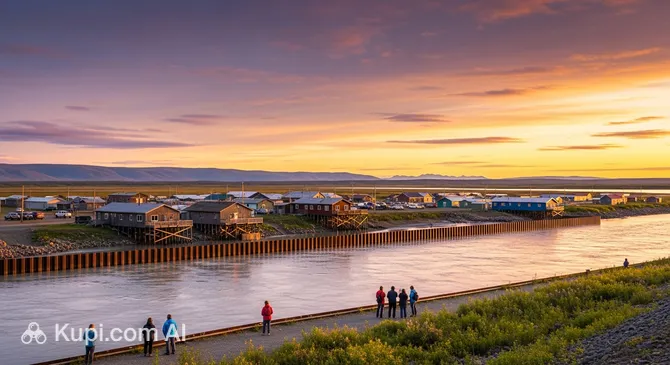
Bethel. Source: Kupi.Binoculars

The area has been a gathering place for centuries, deeply rooted in the traditions of the Yup'ik people. Visitors interested in the history of Bethel will find a fascinating narrative of indigenous heritage blending with the development of a modern trading post. The local culture is palpable, with the Yup'ik language often spoken and traditional subsistence activities like fishing and berry picking remaining central to daily life.

For tourists, Bethel offers distinct attractions that highlight its unique environment. The Yupiit Piciryarait Cultural Center is a must-visit to view exquisite native arts, crafts, and historical exhibits. During the winter, the city becomes the epicenter of excitement for the Kuskokwim 300, one of the premier middle-distance sled dog races in the world. Additionally, the surrounding delta provides world-class opportunities for sport fishing and bird watching, attracting nature enthusiasts from around the globe.

Whether you are looking to explore the rich indigenous culture, witness thrilling dog sled races, or simply experience the vast beauty of the Alaskan wilderness, Bethel welcomes you. It is a destination that promises an authentic and unforgettable adventure in the Far North.

Weather Overview

Understanding the local climate is essential for packing the right gear for your Alaskan adventure. The region experiences a subarctic climate, meaning you should expect cool, mild summers and very cold winters. January is usually the coldest time of year, with average temperatures hovering around -10.0°C, whereas July offers the warmest weather, averaging a pleasant 15.1°C.

While the actual volume of precipitation is quite low, often ranging from just 1mm to 3mm per month, the frequency of precipitation is notable. There are typically between 9 and 16 wet days each month, so travelers should be prepared for frequent light snow or rain depending on the season. To help you plan your activities with precision, make sure to check the current weather in Bethel before your departure.

The transitional seasons are brief but distinct. May brings a significant thaw with averages reaching 7.9°C, marking the arrival of spring. In contrast, October signals the swift approach of winter as temperatures drop to an average of 3.9°C. Given these fluctuations, dressing in layers is the best strategy to stay comfortable throughout your stay.

Interesting Facts

Beyond the frozen tundra and the winding Kuskokwim River, Bethel holds a collection of quirky stories and unique characteristics that surprise many visitors. From unusual transportation statistics to legendary fast-food deliveries, this remote community is full of character.

  • The Taxi Capital of the North: Bethel is famously cited as having one of the highest numbers of taxicab drivers per capita in the entire country. Despite the relatively small network of paved roads within the city, taxis are the preferred mode of transport for locals, bustling back and forth at all hours to move people and goods across town.

  • The Taco Bell Miracle: In 2012, the city became the center of a heartwarming media event known as "Operation Alaska." After a cruel hoax disappointed residents with false rumors that a Taco Bell was opening in town, the fast-food chain responded by airlifting a truck via helicopter to Bethel, delivering 10,000 free tacos to the community in a massive celebration.

  • The Ice Highway: While the city is not connected to the state road system, winter creates a temporary but vital infrastructure. When the Kuskokwim River freezes thick enough, it is plowed and maintained as an official ice road, complete with traffic signs, allowing residents to drive vehicles to neighboring villages that are otherwise only accessible by boat or plane.

  • A Major Inland Port: Despite being located roughly 80 kilometers upriver from the Bering Sea, Bethel serves as the busiest river port in western Alaska. It acts as the critical logistics hub for the region, receiving ocean-going barges that offload fuel and supplies to be distributed to over 50 remote villages in the Yukon-Kuskokwim Delta.

How to Get There

Reaching this remote Alaskan hub is a unique experience, as the city is not connected to the state's main road system. Air travel is the primary and most practical method for visitors to arrive. For a detailed overview of travel logistics and transportation options, you can read more about how to get to Bethel before planning your journey.

The main gateway to the city is Bethel Airport (BET), which serves as the critical transportation hub for the entire Yukon-Kuskokwim Delta. Located directly in the city, it connects the community with major hubs like Anchorage and numerous surrounding villages. The airport is situated approximately 4.1 km from the city center. Once you land, a transfer to the downtown area is quick and convenient; the journey typically takes approximately 10 minutes by taxi. The airport handles a significant volume of passenger traffic annually, reflecting its status as a vital lifeline for the region.

For clarity, here is a summary of the main airports in the region:

Airport Name City Passenger Traffic Km from City
Bethel AirportBethelLarge4.1
Saint Mary's AirportSt MarysMedium162.8
Chevak AirportChevakSmall222.3
Kwigillingok AirportKwigillingokSmall127.9
Kongiganak AirportKongiganakSmall111.0

Bethel does not have a railway station and is not part of the North American rail network. Due to the challenging terrain and the abundance of waterways, there are no train connections to the city or the surrounding area. Visitors rely almost exclusively on aircraft for long-distance travel, while boats and snowmachines are commonly used for local transport depending on the season.

Main Attractions

While Bethel is primarily a hub for logistics and government services in western Alaska, it offers several unique points of interest for visitors willing to explore the deep cultural and natural heritage of the Yukon-Kuskokwim Delta. The attractions here are less about commercial tourism and more about authentic engagement with the land and the Yup'ik way of life.

Yupiit Piciryarait Cultural Center is the crown jewel of the city's cultural offerings. This facility serves as a museum, library, and gathering space dedicated to preserving and sharing the rich traditions of the Yup'ik people. Tourists can view impressive displays of indigenous art, including traditional masks, clothing, and tools, as well as historical photographs that document life in the delta. It is an essential stop for anyone wishing to gain a deeper understanding of the region's history and the resilience of its people.

For nature enthusiasts, the Yukon Delta National Wildlife Refuge offers unparalleled opportunities for wildlife observation. As the headquarters for one of the largest refuges in the country, Bethel is the perfect starting point for expeditions into this vast wetland. The refuge is a world-class destination for birdwatching, particularly during the spring and fall migrations when millions of shorebirds and waterfowl pass through the delta. Visitors can stop by the headquarters in town to learn about the local ecosystem before heading out on a boat or flightseeing tour.

The Kuskokwim River itself is a central attraction that changes character with the seasons. In the summer, the riverfront is bustling with boats and barges, offering a glimpse into the vital subsistence fishing lifestyle of the locals. During the winter months, the frozen river transforms into a famous ice highway, allowing cars and trucks to drive on the ice to neighboring villages. Walking along the riverbank or taking a guided boat tour provides a unique perspective on how this mighty waterway sustains the community.

Another local spot of interest is Pinky's Park, a popular recreational area that features a boardwalk system typical of the tundra environment. Since the ground is often marshy or frozen permafrost, the elevated boardwalks allow visitors to enjoy a pleasant walk without disturbing the terrain. It is a great place to mingle with locals, watch the sunset over the flat horizon, and experience the stark, open beauty of the Alaskan landscape.

Local Cuisine

The culinary landscape of Bethel is a unique reflection of its remote location and the enduring traditions of the Yukon-Kuskokwim Delta. While you will not find high-end fine dining establishments here, the food culture is deeply rooted in the subsistence lifestyle of the region. For visitors, this offers a rare chance to understand how the rhythm of the seasons dictates what is on the table, blending imported staples with the rich bounty of the tundra and river.

Salmon is the undisputed king of the local diet. Whether it is King, Silver, or Red salmon, it is prepared in various ways that highlight its freshness and flavor. You should definitely try smoked salmon strips or dried fish, which are not only delicious but also serve as a traditional preservation method for the long winters. Another distinct local delicacy to look out for is Akutaq, widely known as "Eskimo Ice Cream." This high-energy dish is traditionally made by whipping fat—such as seal oil or vegetable shortening—with wild berries like cloudberries (salmonberries) or blueberries, and sometimes mixed with sugar or fish.

The dining scene in the city is casual and unpretentious, focusing on hearty meals that provide warmth and comfort. Restaurants in Bethel are few but welcoming, typically serving a mix of American diner classics, such as burgers and pizza, alongside Asian cuisine, which is a surprisingly common and popular option in rural Alaskan hubs. Because fresh produce must be flown in, it is treated as a valued commodity, and menus often rely on ingredients that travel well.

When it comes to drinks, coffee is an essential part of daily life, serving as a vital source of warmth and energy during the dark, cold months. You will find that hot beverages are a staple everywhere you go. Regarding alcohol, it is important for tourists to be aware that Bethel has specific local laws regulating its sale. While there is a liquor store in town and select establishments may serve beer or wine, the community emphasizes responsible consumption, and access can sometimes be more restricted than in other parts of the United States.

Travel Tips

Visiting Bethel is a unique experience that requires a bit more preparation than your average destination, given its remote location on the Alaskan tundra. To help you navigate the "Bush" like a pro and enjoy your stay in this tight-knit community, here are some essential practical tips to keep in mind.

  1. Clothing and Gear: The weather in the delta can be unpredictable, so dressing in layers is the golden rule. Even in summer, bring a waterproof windbreaker and warm fleece, as temperatures can drop quickly. In the shoulder seasons (spring and fall), the ground is often muddy, so a pair of sturdy, waterproof rubber boots—often called "Alaskan sneakers"—is essential footwear. If you visit in winter, you will need heavy-duty insulated gear, including a parka, snow pants, and face protection against the biting wind.
  2. Transportation: Unlike most US cities, you won't need a rental car here. The most common way to get around is by taxi, and Bethel has an incredibly high concentration of them. Taxis typically operate on a flat-rate system per person rather than a meter, and it is common practice for drivers to pick up multiple passengers going in the same direction. Ride-hailing apps like Uber are generally not available, so keep local cab dispatch numbers handy.
  3. Finances: The local currency is the US Dollar (USD). While major cards are accepted at the grocery store and larger businesses, it is highly recommended to carry cash, particularly small bills. You will need cash for taxi rides and for purchasing authentic arts and crafts from local artisans. Be aware that the cost of living is significantly higher than in the "Lower 48" states due to air freight costs, so budget extra for food and supplies.
  4. Health and Safety: The Yukon-Kuskokwim Delta Regional Hospital provides medical care, but specialized services may require a flight to Anchorage. Pharmacies are available but do not operate 24/7, so ensure you bring an ample supply of any prescription medications you need. Regarding safety, always be aware of the weather conditions before heading out; hypothermia is a real risk in colder months.
  5. Communication: English is the primary language spoken, but you will frequently hear Yup'ik, the native language of the region. Learning a friendly greeting like "Cama-i" (pronounced cha-mai), which means "hello" or "welcome," is a great way to show respect. Cell phone coverage can be spotty if you have a provider other than GCI (the main Alaskan carrier), so check your roaming plan or consider a prepaid local SIM if you plan to stay long. Wi-Fi is available in hotels and the public library.
  6. Local Etiquette: The subsistence lifestyle—hunting, fishing, and gathering—is central to the local culture. If you see fish drying on racks, boats parked by the river, or other equipment, observe from a distance and do not touch anything. Always ask for explicit permission before taking photographs of local people, their children, or their property, as privacy is highly valued.
  7. What to Avoid: Do not wander onto the tundra or the frozen river without a knowledgeable local guide. The landscape can be deceptive, with hidden marshes in summer and thin ice or open water in winter. Getting lost or stuck in these elements can be dangerous, and weather conditions can change in minutes, reducing visibility to near zero.
  8. Alcohol Regulations: Be mindful that alcohol laws in rural Alaska can be complex. Bethel has specific regulations regarding the sale and possession of alcohol, and it serves as a hub for many surrounding "dry" villages where alcohol is completely banned. Never attempt to transport alcohol into a restricted village, as this is a serious legal offense.

By respecting the land and the local customs, you will find that the people of Bethel are warm, welcoming, and eager to share their way of life. Embrace the slower pace of "Bush time," keep an open mind, and you will have a truly memorable Alaskan adventure.

Entertainment & Nightlife

Nightlife in Bethel is distinct from what you might find in a typical city. Instead of bustling nightclubs or sprawling bar districts, the evening scene here is intimate, community-focused, and largely centered around dining. As a "damp" community with specific local laws regulating the sale of alcohol, the town offers a quieter, more laid-back atmosphere where socializing happens over a hot meal and a cold drink rather than on a dance floor. Travelers should adjust their expectations to "Bush time," embracing early evenings and the warmth of local hospitality.

The main hub for evening activity is located along the Chief Eddie Hoffman Highway, the city's primary artery. Here, you will find the few establishments that serve beer and wine. Fili's Pizza is one of the most popular spots in town, functioning as a de facto social hall where locals gather to catch up, watch sports, and enjoy a slice. Another key venue is UnCommon Pizza, known for its relaxed vibe and hearty menu. These locations are the closest experience to a "bar" you will find in Bethel, offering a friendly environment to mingle with residents and learn about life on the delta.

Practical planning is essential for a night out here. Due to local ordinances, alcohol sales and consumption hours are strictly regulated and tend to end much earlier than in other US cities—often by 10:00 PM. Visitors should plan to head out for dinner and drinks early in the evening. Dress codes are universally casual and practical; heavy boots and warm layers are the standard fashion, even for a night on the town. Prices can be higher than the national average due to the cost of freight, so budget accordingly for food and drinks.

Getting around at night requires knowing the local taxi culture. You will not find ride-sharing apps here; instead, the city relies on a robust fleet of cabs. Taxis operate on a flat-rate per-person system and often pick up multiple passengers along the way, making the ride itself a social experience. It is safe to walk in well-lit areas near the main businesses, but given the extreme cold in winter and the lack of sidewalks in some areas, calling a cab is usually the safest and most comfortable option. Always keep cash on hand, as it is the preferred payment method for drivers.

While the nightlife is quiet, the city's entertainment calendar peaks during its major festivals. If your visit coincides with the Kuskokwim 300 sled dog race in January or the Cama-i Dance Festival in March, you will find the town energized with late-night events, traditional dancing, and music that far exceeds the usual quiet routine. For daytime cultural enrichment, the Yupiit Piciryarait Cultural Center offers a profound look into the region's heritage, serving as a perfect precursor to an evening of local storytelling at a nearby restaurant.

Parks & Museums

In Bethel, the concept of a "park" extends far beyond manicured lawns and flowerbeds; here, the entire landscape serves as a vast, living green space. The city's recreational areas and cultural venues are deeply intertwined with the surrounding tundra and the rich heritage of the Yup'ik people, offering visitors an authentic look at life in the Yukon-Kuskokwim Delta.

The most significant natural area accessible from the city is the Yukon Delta National Wildlife Refuge. Spanning nearly 20 million acres, it is one of the largest refuges in the country. While the refuge surrounds the entire region, the experience begins in town at the headquarters and visitor center. Here, nature lovers can explore interpretive exhibits about the delta's ecosystem before stepping outside. The refuge is a sanctuary for millions of migratory birds, making it a premier destination for ornithologists and casual birdwatchers alike who come to spot waterfowl and shorebirds in their natural habitat.

For a more local recreational experience, Pinky's Park offers a unique perspective on the tundra environment without leaving the city limits. This area features a network of elevated wooden boardwalks, a necessary adaptation to the underlying permafrost. It is an excellent spot for a peaceful walk, allowing visitors to observe the distinct subarctic flora, such as Labrador tea and low-bush cranberries, up close. The park is particularly beautiful during the long summer evenings when the midnight sun casts a golden glow over the flat horizon.

The cultural heart of the community is undoubtedly the Yupiit Piciryarait Cultural Center. This facility is more than just a museum; it is a living repository of the region's history and traditions. Inside, visitors will find a dedicated gallery showcasing exquisite examples of indigenous craftsmanship, including intricate grass baskets, skin sewing, and traditional masks. The exhibits provide a profound narrative of the Yup'ik way of life, highlighting the ingenuity and resilience required to thrive in this challenging environment.

While Bethel does not have many traditional architectural monuments, the Bethel Moravian Church stands as a significant historical marker. Founded in the late 19th century, the mission played a pivotal role in the establishment of the modern town. The current structure and the surrounding mission grounds offer insight into the era of early contact and the spiritual history of the community. Additionally, visitors walking through town should note the unique vernacular architecture, where nearly every building is elevated on pilings to prevent the heat of the structure from melting the frozen ground below.

For a truly authentic local experience, take a walk along the Kuskokwim River Seawall. This paved path along the riverfront acts as the town's promenade, bustling with activity. It is the best place to watch the river traffic—from skiffs to large barges—and to see the subsistence lifestyle in action as locals travel to and from their fish camps. It offers an unfiltered view of the daily rhythm of life on the delta.

Getting Around

Navigating Bethel is a unique experience that differs significantly from transportation in larger cities. Visitors will not find subways, trams, or extensive municipal rail networks here. Instead, the city relies on a distinct and highly effective system of taxicabs that functions as the primary mode of public transit for locals and tourists alike. Understanding how this system works is key to getting around the community efficiently.

The taxi system in the city is legendary and serves as the de facto public bus service. There is an exceptionally high number of cabs per capita, making them readily available at almost any time of day. Unlike in many other places, these taxis operate on a shared-ride basis. This means the driver may stop to pick up other passengers along the route who are heading in a similar direction. It is a communal way to travel, and visitors should not be surprised to share the back seat with local residents carrying groceries or supplies.

Regarding payment, the system is simple and old-fashioned. Taxis typically charge a flat rate per person for trips within the city limits, rather than using a meter based on distance or time. As of recent years, a standard ride within town usually costs around $5 to $7 USD per person, though prices can vary slightly depending on the destination (e.g., to the airport or outlying subdivisions). Cash is the essential method of payment. While some drivers might accept digital transfers, it is highly recommended to carry a supply of small bills (ones and fives) to pay for your fare upon exiting.

For those looking for a scheduled alternative, there is a limited community bus service known as Bethel Public Transit. These buses run on fixed routes connecting major locations such as the hospital, grocery stores, and the university campus. The fare is lower than a taxi, making it a budget-friendly option. However, the frequency is much lower than the constantly circulating cabs, and service hours may be restricted to daytime on weekdays. No travel cards or apps are needed; you simply pay the driver in cash when boarding.

Walking is a viable option for getting around the central downtown area, particularly during the mild summer months when the days are long. However, visitors should be cautious. Sidewalks are not present on every road, and dust from passing vehicles can be an issue in dry weather. In winter, extreme cold and wind chill make walking long distances dangerous without proper Arctic gear. Car rentals are available but are very limited in supply and can be quite expensive; they are generally not necessary unless you plan to haul significant amounts of gear independently.

A unique feature of local transport appears during the winter months when the Kuskokwim River freezes over. The river transforms into an official ice highway, plowed and marked for vehicle traffic. While this is primarily used by private vehicles and taxis to connect with surrounding villages, traveling on the frozen river in a cab is a quintessential local experience that highlights the adaptability of transportation in this remote region.

Accommodation

Accommodation in Bethel is practical and designed to serve the needs of a bustling regional hub in the remote Alaskan bush. Visitors should not expect international luxury chains or sprawling resorts. Instead, the city offers a modest selection of locally run hotels, inns, and bed-and-breakfast establishments. These options provide a warm, comfortable, and functional base for travelers, whether you are here for the cultural heritage, the wildlife, or a stopover on the way to a village.

Geography plays a significant role in where you will stay. Most lodging options are conveniently clustered along the Chief Eddie Hoffman Highway or located near the airport. This placement is strategic, offering easy access to the city’s taxi network, the hospital, and the few dining and shopping venues available. Since the town is spread out and not particularly walkable in severe weather, staying near these central arteries makes logistics much smoother.

Travelers should be prepared for the cost of staying in western Alaska. Due to the high expense of shipping supplies and heating buildings in the subarctic, room rates are generally higher than what you might expect for similar amenities in the "Lower 48" states. Prices typically fall into the mid-to-high range, even for standard accommodations. Budget options like hostels are virtually non-existent, so planning your finances accordingly is important.

Booking in advance is the most critical tip for securing a room in Bethel. The supply of rooms is limited, and demand remains high throughout the year due to visiting government officials, healthcare workers, and construction crews. During major events like the Kuskokwim 300 sled dog race or the Cama-i Dance Festival, the entire town often sells out months ahead of time. It is advisable to reserve your accommodation as soon as your travel dates are confirmed, either through online platforms or by calling the property directly.

Nearby Cities

For those looking to explore beyond the city limits, Bethel serves as an excellent base for day trips to several fascinating communities in the Yukon-Kuskokwim Delta. These nearby villages offer a deeper look into the region's heritage and the daily rhythm of life along the river.

One of the most significant neighbors is Kwethluk, situated near the confluence of the Kwethluk and Kuskokwim rivers. Its name is derived from a Yup'ik word meaning "bad river" or "unnatural river," referring to the waterway's history of shifting its channel unpredictably. As one of the longest-inhabited sites in the area, it is rich in history and provides a wonderful opportunity to observe vital subsistence activities, such as fishing and berry picking, that sustain the local population.

Napaskiak is one of the most accessible communities, located just a short distance downriver. It is well-regarded for its picturesque St. Jacob's Russian Orthodox Church, which stands as a testament to the region's historical influences. The village maintains a strong adherence to traditional Yup'ik customs, offering respectful visitors a genuine look at daily life in the delta.

For those interested in seeing another close-knit community, Akiachak lies just a short trip upriver. It is a hub for subsistence fishing and offers a peaceful atmosphere where travelers can witness the deep connection between the people and the waterways. In winter, these villages are often connected to Bethel by the ice road, making travel a unique adventure in itself.

City Population Distance (km)
Kwethluk80019
Quinhagak700117
Kipnuk700158
Akiachak62722
Napaskiak50010

These nearby destinations offer a glimpse into the diverse culture and landscapes of the region, highlighting the resilience and traditions of the Yukon-Kuskokwim Delta.

Shopping & Souvenirs

Shopping in Bethel is a unique experience driven by its status as the logistical hub for the Yukon-Kuskokwim Delta. Unlike typical tourist destinations filled with boutiques and promenades, the retail scene here is practical and utilitarian, designed to supply the city and dozens of surrounding remote villages. While you will not find high-fashion brands or sprawling luxury malls, you will discover a fascinating array of goods ranging from heavy-duty Arctic gear to exquisite indigenous artwork that you cannot find anywhere else.

The primary commercial artery of the city is the Chief Eddie Hoffman Highway. This road connects the airport to the downtown area and hosts the majority of the city's businesses. A drive along this route will take you past the main grocery stores, hardware suppliers, and local services. It is not a pedestrian shopping street in the traditional sense, so getting between stores usually requires a vehicle or a taxi, especially during the colder months.

In terms of large shopping centers, Bethel does not have traditional malls but relies on massive general stores that function as one-stop shops for the community. Swanson’s and the Alaska Commercial Company (AC) are the retail anchors of the town. These establishments are impressive in their scope, selling everything from fresh produce and furniture to snowmachines and outboard motors. For a visitor, wandering through these aisles offers a glimpse into the logistical realities of life in the Bush, where a single store must provide for every aspect of survival and daily living.

For those seeking a more authentic local shopping experience, the Saturday Market is a highlight. Often held at the Yupiit Piciryarait Cultural Center, this market is the best place to meet local artisans and purchase goods directly from the makers. It is a vibrant gathering spot where you can find homemade jams, fresh baked goods, and traditional handicrafts. The atmosphere is warm and communal, offering a stark contrast to the commercial feel of the large general stores.

When it comes to souvenirs, Bethel is a treasure trove for Native Alaskan art. The region is famous for its skilled craftspeople who create intricate works deeply rooted in Yup'ik culture. Look for grass baskets woven from local beach grass, which are renowned for their tight weave and durability. Qaspeqs (kuspuks)—traditional hooded tunics made from cotton or calico—are another popular item that is both practical and symbolic of the region. You may also find carvings made from ivory, bone, or antler; however, be sure to ask about certification and export rules regarding marine mammal products.

Standard store hours in Bethel are generally from 9:00 AM or 10:00 AM until 6:00 PM or 7:00 PM, although the large grocery and general stores often stay open later to accommodate the community's needs. Major credit and debit cards are widely accepted at established businesses. However, if you plan to buy art from local carvers or visit the Saturday market, carrying cash is highly recommended, as many independent artisans do not have card readers.

Travelers should be aware that while the state of Alaska does not have a statewide sales tax, local municipalities are authorized to levy their own. Bethel charges a local sales tax on goods and services, which will be added to your bill at the register. There is no tax refund system for tourists in the United States similar to the VAT refunds found in Europe, so the price you pay includes the final tax amount.

Reached the end of the page?

That means the route is fully explored