Support

Toksook Bay

About

Toksook Bay, known locally as Nunakauyak, is a captivating village located on Nelson Island in the state of Alaska. This remote community offers a rare glimpse into the traditional lifestyle of the Arctic, far removed from the hustle and bustle of major cities in the United States. With a population of approximately 600 residents, it is a tight-knit settlement where community bonds are strong and the pace of life is often dictated by the seasons and the sea.
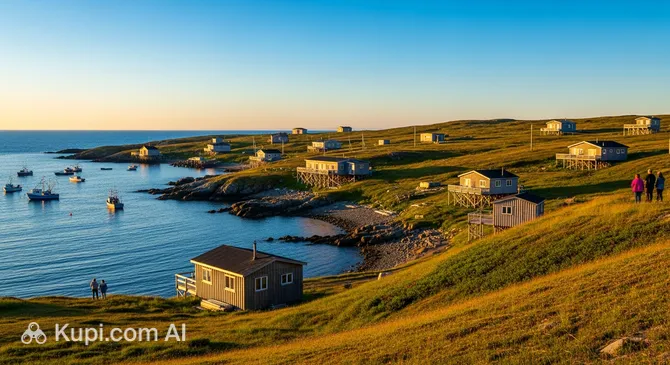
Toksook Bay. Source: Kupi.Binoculars

The history of Toksook Bay is deeply intertwined with the resilience and foresight of the Yup'ik people. Established in 1964 when families moved from the nearby village of Nightmute to find a location more sheltered from the harsh winds, the community has flourished while maintaining its deep cultural roots. Today, it stands as a testament to the enduring spirit of its people, where the traditional subsistence lifestyle—fishing, hunting, and gathering—remains a vital and cherished part of daily existence.

Travelers are drawn to this unique destination for its stunning natural beauty and cultural authenticity. The surrounding tundra offers incredible opportunities for hiking and berry picking during the warmer months, while the coastline provides spectacular views of the Bering Sea. Wildlife enthusiasts may have the chance to spot muskoxen or various migratory birds in their natural habitat. Additionally, the village is celebrated for its skilled artisans, particularly those who create intricate grass baskets, a beautiful craft passed down through generations.

If you are seeking an off-the-beaten-path adventure that combines breathtaking Arctic landscapes with warm hospitality, Toksook Bay is a destination worth discovering. It is a place to disconnect from the modern world and immerse yourself in the serene and rugged beauty of the Alaskan wilderness.

Weather Overview

Toksook Bay experiences a climate typical of the Alaskan coast, defined by cold winters and cool, mild summers. The weather in Toksook Bay is heavily influenced by the surrounding Bering Sea, which moderates temperature extremes but keeps the air generally cool throughout the year.

Winter months are chilly, with January being the coldest time of the year, averaging around -11.4°C. Temperatures can dip to -13.6°C, requiring substantial cold-weather gear for any outdoor activities. As the seasons shift, the region warms up significantly, reaching its peak in July with an average temperature of 11.6°C and highs around 13.3°C.

While the actual volume of precipitation is quite low, often ranging between 1mm and 3mm per month, damp conditions are common. The area sees frequent "wet days," particularly in late summer; August, for example, typically records about 18 wet days. Travelers should expect cool summers with occasional light rain or mist and cold, relatively dry winters.

Interesting Facts

Beyond the scenic landscapes and traditional lifestyle, Toksook Bay holds several intriguing characteristics that define its unique identity in the Arctic. Here are some lesser-known facts about this remote community:

  • An Island That Connects in Winter: Although Toksook Bay is located on Nelson Island, it is not completely isolated from the mainland year-round. The island is separated from the rest of Alaska by the Ninglick and Kolavinarak rivers. In the winter months, these waterways freeze solid, allowing residents to travel to mainland villages by snowmobile, effectively turning the water barriers into ice bridges.

  • A "Dry" Community: Like many traditional villages in the region, Toksook Bay enforces a strict ban on alcohol. The sale, importation, and possession of alcoholic beverages are prohibited within the village limits. This regulation is a community-driven effort to promote social wellness and preserve the peaceful nature of village life.

  • A Living Language: While many indigenous languages struggle to survive in the modern world, the Central Yup'ik language is vibrant and thriving here. It is the first language for most residents, including children, and is spoken daily in homes, schools, and businesses, making it one of the most linguistically traditional communities in the United States.

  • Meaning of the Name: The name "Toksook" is derived from the Yup'ik word Tuqsuk, which translates to "long enclosed channel" or "porch." This descriptive name perfectly references the geography of the bay itself, which provided the shelter and water access that originally drew the founders to this specific location.

How to Get There

Reaching the remote village of Toksook Bay is a unique experience that typically involves navigating the vast and rugged landscapes of Alaska by air. Since the community is located on Nelson Island and is not connected to the statewide road system, flying is the essential mode of transport. You can learn more about how to get to Toksook Bay to better plan this logistical aspect of your journey.

The city of Toksook Bay does not have its own major regional hub, so most travelers first fly into Bethel Airport (BET), located in the city of Bethel. This is the most significant transport hub in the Yukon-Kuskokwim Delta, situated approximately 181 km from Toksook Bay. While a theoretical journey of this distance might take around 5 hours by car, there are no roads connecting Bethel to Nelson Island, so visitors must transfer to a smaller bush plane for the final leg of the trip. Bethel Airport handles a substantial amount of regional traffic and serves as the primary gateway for the area.

Another facility in the wider region is Saint Mary's Airport (KSM), located in St Marys, about 196 km from Toksook Bay. Like Bethel, this airport serves as a connector for various villages in western Alaska. Travelers might also transit through or near Chevak Airport (VAK) in Chevak, which is closer at approximately 115 km away, though it handles significantly less traffic. For all these locations, onward travel to Toksook Bay requires arranging a charter or scheduled small aircraft flight.

For clarity, here is a summary of the main airports in the region:

Airport Name City Passenger Traffic Km from City
Bethel Airport Bethel Medium 181.0
Saint Mary's Airport St Marys Small 195.9
Chevak Airport Chevak Small 115.3
Kwigillingok Airport Kwigillingok Small 129.6
Kongiganak Airport Kongiganak Small 138.6

Main Attractions

Toksook Bay is a destination defined by its raw natural beauty and deep cultural heritage rather than commercial tourism. Visitors to this remote village on Nelson Island will not find theme parks or grand museums; instead, they will discover a landscape teeming with Arctic wildlife, a vibrant Yup'ik community, and a peacefulness that is hard to find elsewhere. The attractions here are experiential, inviting you to immerse yourself in the rhythm of subsistence life and the stunning wilderness of the United States' most northern state.

Nelson Island Wilderness

The island itself is the primary attraction, offering endless opportunities for hiking and exploration across the tundra. Unlike much of the mainland, Nelson Island is not part of the Yukon Delta National Wildlife Refuge, but it offers equally spectacular scenery. In the summer, the rolling hills come alive with wildflowers and berries. Hiking here is a "choose your own path" adventure, where you can walk for miles in solitude, enjoying panoramic views of the Bering Sea and the vast, open sky. It is also a prime location for berry picking, a beloved local activity where visitors can find cloudberries (known locally as salmonberries) and blueberries in abundance.

Muskox Viewing

One of the most unique features of Toksook Bay is the presence of muskoxen. These prehistoric-looking animals, with their shaggy coats and curved horns, roam freely on Nelson Island. The island's herd is one of the few populations in the world that can be viewed in a relatively accessible wild setting. Wildlife enthusiasts and photographers often travel here specifically for the chance to spot these majestic creatures grazing on the tundra. While they are generally peaceful, it is important to view them from a respectful distance to ensure safety and not disturb the herd.

St. Peter the Fisherman Catholic Church

In the heart of the village stands St. Peter the Fisherman Catholic Church, a central landmark for the community. While modest in architecture, it represents the spiritual and social hub of Toksook Bay. The church is a testament to the village's history and the blend of traditional Yup'ik beliefs with Christianity. For visitors, it offers a warm welcome and a chance to meet local residents, as community gatherings and celebrations often take place here or in the adjacent community hall.

The Bay and Waterfront

The sheltered bay from which the village takes its name—Tuqsuk meaning "long enclosed channel"—is a hub of daily activity. Walking along the waterfront provides a firsthand look at the subsistence lifestyle that defines the region. You can watch local fishermen preparing their skiffs, bringing in catches of halibut and salmon, or drying fish on traditional racks. In the winter, the frozen bay becomes a thoroughfare for snowmobiles and ice fishing, showcasing the community's year-round connection to the sea.

Local Cuisine

The local cuisine of Toksook Bay is a profound reflection of the subsistence lifestyle that defines the Yup'ik culture. In this remote village, food is not just sustenance; it is a connection to the land and the seasons. Visitors should not expect a typical dining scene with menus and waiters. Instead, the culinary experience here is centered around fresh, wild-harvested ingredients brought in from the tundra and the Bering Sea, prepared using traditional methods passed down through generations.

One of the most iconic dishes you might encounter is Akutaq, widely known as "Eskimo ice cream." Unlike the dairy-based dessert found elsewhere, this high-energy staple is traditionally made by whipping animal fats (such as seal oil or reindeer fat) or vegetable shortening with snow or water, and then mixing in an abundance of local berries like cloudberries (salmonberries) or blueberries. Sometimes, flaked fish or sugar is added. It is a celebratory dish, often served at community gatherings and potlatches, offering a unique blend of sweet and savory flavors.

Fish is the cornerstone of the local diet. Dried fish and smoked salmon are ubiquitous, serving as both a daily meal and a vital winter reserve. You may also see herring and halibut prepared in various ways, from frozen raw (quaq) to boiled. Another comfort food staple in the village is fry bread, a dough deep-fried until golden and fluffy, often served alongside soups or simply enjoyed with jam and tea.

When it comes to beverages, the culture is warm and inviting but strictly non-alcoholic. As Toksook Bay is a "dry" community, the sale and importation of alcohol are prohibited. Instead, the social drink of choice is hot tea or coffee, which is always brewing in local homes to welcome guests in from the cold. Sharing a cup of tea is a fundamental part of social interaction and hospitality in the village.

Travelers should be aware that there are no commercial restaurants or cafes in Toksook Bay. The dining culture is entirely domestic. Visitors typically purchase supplies at the local general store, which stocks basic groceries and snacks, or they are hosted by local families if staying in a homestay arrangement. If you are planning a visit, it is essential to plan your meals in advance, perhaps by bringing some of your own specialty items, as the village relies on a mix of store-bought goods and the harvest of the land.

Travel Tips

Visiting Toksook Bay is a truly unique experience that requires a different level of preparation compared to a typical vacation destination. Because this is a remote village on Nelson Island with limited infrastructure, planning ahead is essential to ensure a safe, respectful, and enjoyable trip into the heart of rural Alaska.

  1. Clothing and Gear: The weather in Toksook Bay can change rapidly, so dressing in layers is non-negotiable. Even in summer, bring a windproof and waterproof jacket, warm thermal layers, and a hat. The terrain can be muddy or snowy depending on the season, so waterproof rubber boots (often called "Alaskan sneakers") are the best footwear choice. If you visit in winter, you will need heavy-duty Arctic gear, including insulated pants and face protection against the wind chill.

  2. Transportation: There are no paved roads connecting Toksook Bay to the rest of Alaska, and within the village, there is no public transport, metro, or car rental service. The village is compact and walkable, so be prepared to explore on foot. Locals typically travel by ATV (four-wheeler) in the summer and snowmachine (snowmobile) in the winter. If you have arranged a homestay or a guide, they may offer you a ride on their vehicle, but you cannot hail a taxi or use ride-sharing apps here.

  3. Finances: It is highly recommended to bring sufficient cash (USD) with you before leaving a major hub like Bethel or Anchorage. While there is a local general store that may accept credit cards, internet outages can occur, rendering card machines useless. There are no banks, and relying on an ATM availability is risky. Be aware that prices for groceries and goods are significantly higher than on the mainland due to freight costs.

  4. Health and Safety: The village has a local health clinic for basic needs, but serious medical emergencies require a medevac flight to Bethel or Anchorage, which is weather-dependent. Ensure you have comprehensive travel insurance that covers medical evacuation. In terms of safety, the biggest risk is the environment; never wander far onto the tundra or sea ice without a local guide, as weather conditions can become whiteout situations very quickly.

  5. Communication: English is widely spoken, though Central Yup'ik is the primary language for many residents. Learning a simple greeting like Waqaa (Hello/What's up?) is a great way to show respect. Cell phone coverage can be spotty; GCI is the primary provider in rural Alaska, and other carriers may not have service. Wi-Fi is generally not available in public spaces, so be prepared for a digital detox.

  6. Local Etiquette: The community is warm but deeply traditional. Always ask for permission before taking photos of people, their children, or their subsistence activities (like cutting fish). It is customary to remove your shoes when entering a home. Respect for elders is paramount in Yup'ik culture; always let elders speak first and serve them first at meal times.

  7. What to Avoid: Toksook Bay is a "dry" community, meaning the possession, sale, or importation of alcohol is strictly prohibited by local law. Do not attempt to bring any alcohol with you in your luggage, as this is considered a serious offense and disrespectful to community values. Also, avoid walking on or touching fish drying racks, as these are vital food sources for local families.

  8. Gift-Giving Tip: Since fresh produce is expensive and hard to come by in the village, bringing a gift of fresh fruit (like apples, oranges, or bananas) or vegetables for your hosts is a gesture that is often deeply appreciated. It is a practical and thoughtful way to say thank you for their hospitality.

By keeping these tips in mind, you will be well-equipped to navigate the logistics of village life and connect meaningfully with the local community. Approach your visit with an open heart and a flexible attitude, and you will be rewarded with an unforgettable glimpse into the resilience and beauty of the Yup'ik way of life.

Entertainment & Nightlife

Travelers planning a trip to Toksook Bay should adjust their expectations regarding nightlife before arrival. As a remote village with a population of around 600 and a strict status as a "dry" community, there are absolutely no bars, nightclubs, or cocktail lounges here. The sale and consumption of alcohol are prohibited, meaning the typical evening entertainment of hopping between pubs or dancing until dawn does not exist. Instead, the "nightlife" in Toksook Bay is defined by tranquility, community gatherings, and the spectacular displays of nature.

The most breathtaking evening entertainment in this part of the United States is undoubtedly the Aurora Borealis, or Northern Lights. During the darker months, from late autumn to early spring, the lack of light pollution on Nelson Island creates a perfect stage for these dancing celestial lights. Visitors often spend their evenings bundled up in thermal gear, standing on the edge of the village or near the frozen bay, watching the sky erupt in shades of green and violet. It is a silent, awe-inspiring experience that rivals any city show.

Social life after dark revolves entirely around community events, which are warm, welcoming, and family-oriented. The Nelson Island School gymnasium is the heart of activity, especially during the winter basketball season. Basketball is incredibly popular in rural Alaska, and games often draw nearly the entire village for an evening of cheering and socializing. Another popular pastime is community bingo, often held at the Community Hall or the school. These events are the main social hubs where you can meet locals, share a laugh, and experience the tight-knit culture firsthand.

For daytime entertainment, the focus shifts to the outdoors and cultural immersion. There are no movie theaters or amusement parks; instead, visitors engage in hiking across the tundra, bird watching, or observing traditional activities like ice fishing. In the summer, the long daylight hours—the "Midnight Sun"—mean that outdoor exploration can continue well into the what would technically be "night," allowing for extended treks along the coastline to spot muskoxen or gather wild berries.

Parks & Museums

In a remote village like Toksook Bay, the definitions of "park" and "museum" take on a different meaning compared to urban centers in the United States. Here, the entire island serves as an unbounded natural park, and the culture is not stored in display cases but is alive and practiced daily by the residents. Visitors will not find manicured gardens or ticketed galleries, but rather a raw, immersive environment where the land and the people tell the story of the region.

The Nelson Island Tundra

Instead of designated city parks, Toksook Bay is surrounded by the vast, rolling tundra of Nelson Island. This treeless landscape offers unlimited opportunities for hiking and exploration. In the summer, the green hills are dotted with wildflowers, cotton grass, and an abundance of edible berries, making it a paradise for nature lovers. It is a "wild park" in the truest sense, where you can walk for miles in solitude, accompanied only by the wind and the occasional sighting of muskoxen grazing in the distance.

The Coastal Bluffs and Beach

The coastline of Toksook Bay functions as the community's primary recreational space. The rocky beaches and bluffs offer spectacular vantage points for viewing the Bering Sea. It is a dynamic environment where visitors can watch the shifting sea ice in winter or observe migratory birds nesting in the cliffs during the warmer months. While not a park with benches and paths, the shoreline provides a ruggedly beautiful setting for contemplative walks and witnessing the daily subsistence activities that are central to village life.

Cultural Heritage and Living History

There are no formal museums within Toksook Bay; the village itself is a living repository of Yup'ik history and tradition. The history of the area is preserved through oral storytelling and the continuation of ancient practices. The local Community Hall or the school gymnasium often serves as a temporary cultural center, hosting traditional dance festivals (Yuraq) where drummers and dancers perform songs passed down through generations. These gatherings offer a more profound connection to the local heritage than any static exhibit could provide.

Artisan Craftsmanship

While you will not find a commercial art gallery, Toksook Bay is home to incredibly talented artisans whose homes double as studios. The village is particularly renowned for its grass basket weavers. The baskets made here are intricate, tightly woven, and highly prized by collectors worldwide. Additionally, local men often carve ivory, wood, and bone into masks or jewelry. Visitors interested in local art should respectfully inquire at the general store or with their hosts about meeting artists, as purchasing directly from the creator is the authentic "gallery experience" here.

Insider Tip: Keep an eye out for "storyknifing" (yaaruin), a traditional form of storytelling primarily practiced by young girls. They use a knife (or a stick) to draw symbols and scenes in the mud or snow while narrating a story. Witnessing this ephemeral art form is a rare and magical glimpse into the way Yup'ik culture and language are preserved among the youth.

Getting Around

The public transport system in Toksook Bay is virtually non-existent in the traditional sense. Visitors will not find buses, metros, trams, or fixed-route trolleys operating in this small, remote village. The community infrastructure is designed for a population of roughly 600 people living in a compact settlement, meaning that the "transport network" consists primarily of unpaved trails and boardwalks rather than commercial transit lines.

Since there are no public transport services, there is no system of travel passes, transport cards, or mobile ticketing apps. You do not need to worry about zoning, ticket validation, or operating hours. If you are lucky enough to catch a ride with a local, any payment would be an informal arrangement, typically involving cash or a gesture of gratitude, rather than a fixed fare.

For tourists, the most practical advice for navigating Toksook Bay is to be prepared to walk. The village is small enough to traverse on foot, which is how most residents move between the school, the general store, and the church. However, the terrain can be muddy in the summer and icy in the winter. It is essential to bring sturdy, waterproof rubber boots (often called "Xtratufs" in Alaska) and ice cleats for your shoes during the colder months to navigate the boardwalks and dirt paths safely.

When it comes to alternatives, you will not find taxis, car-sharing services like Uber, or bike rental stations. The primary mode of motorized transport for locals changes with the seasons: ATVs (four-wheelers) are used during the summer and autumn, while snowmachines (snowmobiles) take over once the snow falls. If you are arriving by plane, transport from the airstrip to the village is usually arranged privately; your host or the place you are staying will typically send an ATV or a truck to pick you and your luggage up.

A unique feature of transport here is the reliance on the natural landscape itself. In winter, the frozen rivers and tundra become "ice highways" connecting Toksook Bay to neighboring villages on Nelson Island and the mainland. While not a tourist attraction in the conventional sense, seeing the community switch from wheeled vehicles to skis and tracks is a fascinating example of adaptation to the Arctic environment.

Accommodation

Finding accommodation in Toksook Bay requires a shift in perspective from the typical hotel-booking experience. As a small, remote village on Nelson Island, there are no commercial hotel chains, luxury resorts, or budget hostels. The options here are limited and functional, designed primarily to house visiting workers, officials, or the occasional adventurous traveler. Visitors should expect basic, clean, and comfortable lodging that reflects the simple, community-focused lifestyle of the region rather than high-end tourist amenities.

The primary form of accommodation is often a modest lodge or boarding house operated by local entities, such as the tribal council or village corporation. These facilities typically offer shared or private rooms with shared bathrooms and a communal kitchen area. Another authentic option is arranging a homestay with a local family. This not only provides a place to sleep but also offers an invaluable opportunity to immerse yourself in Yup'ik culture, share meals, and learn about subsistence living directly from residents.

Given the compact size of the village, location is rarely an issue. Whether you stay at a lodge or a private home, you will be within walking distance of the airstrip, the general store, and the central community buildings. The entire settlement is clustered near the waterfront, so you are never far from the stunning views of the bay and the surrounding tundra.

Booking Tip: You cannot book accommodation in Toksook Bay through major online travel agencies or apps. Reservations must be made by calling directly in advance. It is highly recommended to contact the Nunakauyak Traditional Council or the city office before your trip to inquire about availability and current lodging providers. Do not arrive without a confirmed place to stay, as capacity is very limited.

Regarding costs, travelers should be prepared for prices that might seem high relative to the amenities provided. This is due to the high cost of utilities and logistics in rural Alaska. Prices generally fall into a mid-range to high bracket. Payment methods can be old-fashioned; while some places may accept checks or credit cards, it is essential to bring sufficient cash to cover your stay, just in case electronic systems are down.

Nearby Cities

For those looking to explore the surroundings, Toksook Bay serves as an excellent base for day trips to several interesting nearby locations:

City Population Distance (km)
Bethel 20,287 185
Hooper Bay 1,300 124
Chevak 1,000 114
Kipnuk 700 89
Quinhagak 700 198

Bethel is the largest community in western Alaska and serves as the vital hub for the Yukon-Kuskokwim Delta. A visit here offers a contrast to the smaller village life of Toksook Bay. Travelers can explore the Yupiit Piciryarait Cultural Center, which features a museum dedicated to the history and art of the region's indigenous people. It is also the best place to stock up on supplies or witness the bustle of the Kuskokwim 300 sled dog race if visiting in winter.

Chevak offers a unique cultural experience as the home of the Cup'ik people, a distinct linguistic and cultural group within the broader Yup'ik family. Located relatively close to Toksook Bay, it provides an opportunity to observe the subtle differences in dialect and tradition. The village is known for its strong sense of identity and is a welcoming spot for those interested in the deep anthropological history of the region.

Hooper Bay is a large coastal village divided into two sections by rolling hills and is famous for its massive sand dunes. It is renowned for its traditional grass weaving; the baskets produced here are considered some of the finest in Alaska. A trip to Hooper Bay allows visitors to enjoy sweeping views of the Bering Sea and potentially meet artisans practicing this ancient and intricate craft.

These nearby destinations offer a glimpse into the diverse culture and landscapes of the region.

Shopping & Souvenirs

Shopping in Toksook Bay is a unique experience that reflects the remote, subsistence-based lifestyle of the village. Visitors should not expect the commercial infrastructure found in larger cities or even in regional hubs like Bethel. There are no shopping boulevards, designer boutiques, or souvenir shops lined up for tourists. Instead, the "shopping scene" here is focused on essential survival goods and the incredible, authentic artistry of the local Yup'ik people. The opportunity to purchase handmade crafts directly from the artists is the true highlight of retail here.

Main Shopping Areas

Given the compact size of the village, there is no distinct shopping district. The commercial activity is concentrated entirely around the General Store, which serves as the lifeline for the community. This single store stocks everything from groceries and dry goods to hardware and basic clothing. It is the central meeting point where residents pick up their mail and supplies. For a visitor, walking to the store is not just an errand but a chance to observe the daily rhythm of village life.

Shopping Malls

There are no shopping malls in Toksook Bay. The concept of a mall does not exist in this part of Alaska. The nearest retail facilities that even remotely resemble a department store are located in Anchorage, hundreds of miles away. Travelers must come prepared with all necessary specialized gear, electronics, and personal items, as the local options are strictly limited to basic necessities.

Markets

Toksook Bay does not host formal daily or weekly markets. You will not find flea markets or food stalls set up in the streets. However, the community spirit often manifests in informal sales or fundraisers held at the Community Hall or the school, where locals might sell homemade baked goods or crafts. These events are sporadic and usually announced via word of mouth or flyers posted at the General Store.

Souvenirs and Local Crafts

While standard souvenir shops are absent, Toksook Bay is world-renowned for its artisans. The village is famous for its grass basket weaving. These baskets, woven from beach grass gathered from the tundra, are intricate, durable, and highly prized by collectors. In addition to baskets, local men often create exquisite carvings from walrus ivory, bone, or wood, depicting animals and scenes from Yup'ik folklore. Buying these items usually involves being introduced to an artist and visiting their home, offering a personal connection to the piece you purchase.

Opening Hours and Payment

The local General Store typically operates during standard business hours, roughly from 9:00 AM to 6:00 PM, though it may close for lunch or have reduced hours on Sundays. When it comes to payment, cash is essential. While the store may accept credit cards, telecommunication outages are common in rural Alaska, which can render card terminals useless. Furthermore, if you are purchasing art directly from a local weaver or carver, cash is almost exclusively the only accepted method of payment.

Tax Information

One of the financial benefits of shopping in Alaska is the absence of a state sales tax. However, local municipalities often levy their own sales taxes to support community services. In Toksook Bay, prices for goods are already significantly higher than on the mainland due to the cost of air freight. There is no tax refund system for tourists in these remote villages, so the price you see (plus any local tax) is the price you pay.

Reached the end of the page?

That means the route is fully explored