Perched on the western edge of the Yukon-Kuskokwim Delta, Cape Romanzof offers a glimpse into the untamed beauty of the far north. This remote destination serves as a testament to the rugged wilderness that defines much of Alaska, characterized by its dramatic coastal cliffs and sweeping tundra landscapes. Unlike bustling urban centers, the atmosphere here is one of solitude and raw natural power, dominated by the sounds of the wind and the waves of the Bering Sea.
Geographically, the cape is a prominent landform jutting into the ocean, located in the United States. The climate is typically subarctic, with cool summers and harsh, windy winters that shape the environment. While it is not a residential city in the traditional sense, it hosts a small, transient population primarily associated with the local Long Range Radar Site, making it a unique point of interest for those fascinated by remote outposts.
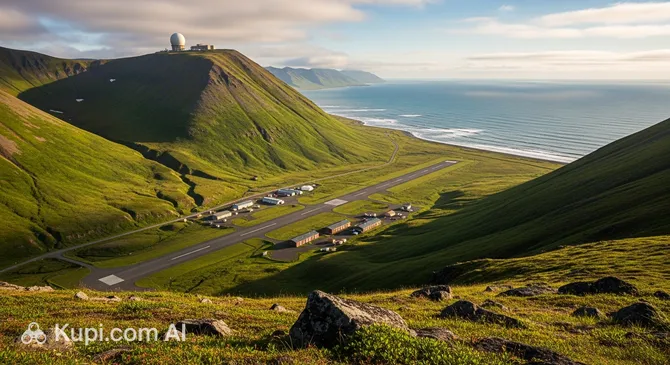
The history of Cape Romanzof is deeply intertwined with both the indigenous heritage of the region and the strategic military developments of the 20th century. Named after a Russian count during the era of exploration, the area later became a crucial sentinel during the Cold War. Today, it sits amidst the Yukon Delta National Wildlife Refuge, offering unparalleled opportunities to observe migratory birds and arctic wildlife in their natural habitat.
For the intrepid traveler or those with a keen interest in military history and aviation, this location provides a rare perspective on life at the edge of the continent. Whether you are drawn by the stark beauty of the Alaskan coast or the allure of its strategic significance, Cape Romanzof stands as a fascinating, albeit remote, landmark on the map.