Support

Stebbins

About

Welcome to Stebbins, a remote and fascinating village located on the northwest coast of St. Michael Island. This small community offers a rare glimpse into the authentic lifestyle of rural Alaska, far removed from the bustling cities. With a population of approximately 600 residents, Stebbins maintains a close-knit atmosphere where traditional values and subsistence living remain central to daily life.
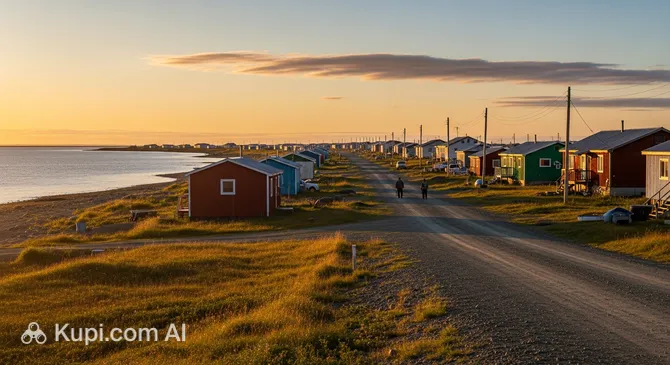
Stebbins. Source: Kupi.Binoculars

Geographically, the village is situated on Norton Sound, surrounded by the rugged and pristine wilderness that defines this northern part of the United States. The climate here is subarctic, characterized by maritime influences that bring cool summers and cold winters, shaping the landscape into a starkly beautiful tundra.

The history of Stebbins is deeply intertwined with the heritage of the Central Yup'ik people. Visitors interested in cultural immersion will find that the community is a living testament to indigenous traditions, including distinct dialects and customary practices. Unlike many other rural Alaskan villages, Stebbins is connected by a gravel road to the nearby community of St. Michael, which adds a unique aspect to local travel and connectivity.

For the adventurous traveler, Stebbins offers unparalleled opportunities to experience the Alaskan wilderness. The surrounding area is ideal for observing local wildlife and understanding the subsistence economy, which revolves around fishing, hunting, and gathering. The stark beauty of the Norton Sound coastline provides a dramatic backdrop for those seeking solitude and a connection with nature.

If you are looking for a destination that truly represents the spirit of the "Last Frontier," Stebbins invites you to explore its unique culture and breathtaking environment.

Weather Overview

The climate in Stebbins is defined by its northern location, featuring distinct seasonal changes that significantly influence travel plans. Winters are characteristically cold, while summers offer milder, though still cool, conditions. To ensure you are fully prepared for your visit, it is advisable to consult the detailed guide to the weather in Stebbins before packing.

During the winter months, temperatures drop considerably. January is typically the coldest month, with an average temperature of -13.5°C and lows reaching around -15.5°C. The cold season extends well into spring, with freezing temperatures persisting through April. Despite the chill, precipitation volume remains quite low during winter, often recorded at just 1mm per month.

Summer brings a welcome rise in temperatures, making it the most popular time for visitors. July is usually the warmest month, seeing an average of 13.5°C. However, travelers should note that while the amount of rainfall is low (around 4mm), the frequency of precipitation increases later in the season. August, for example, can experience up to 20 wet days. Expect cool summers with frequent damp days and cold, dry winters.

Interesting Facts

Beyond the quiet atmosphere of rural Alaska, Stebbins holds several unique characteristics that define its identity. Here are some intriguing details about this remote village on Norton Sound that offer a deeper understanding of its place in the region.

  • Historical Names: The village has a rich history regarding its identification. It was originally recorded in 1898 as "Atroik" or "Atowak." To the local community, it is known by its traditional Yup'ik name, "Tapraq." The modern name, Stebbins, is likely derived from the nearby Cape Stephens.

  • Island Geography: Stebbins is located on the northwest shore of St. Michael Island. This specific setting places the village directly on the coast of the island, separating it from the mainland and influencing the local currents and ice formation.

  • Linguistic Heritage: The community is a guardian of the Unaliq dialect of the Central Yup'ik language. While English is spoken, the preservation of this specific dialect is a testament to the village's strong commitment to maintaining its indigenous roots.

  • A Rare Connection: Unlike the vast majority of rural Alaskan communities that are accessible only by air or sea, Stebbins features a gravel road connecting it to the neighboring village of St. Michael. This physical link is an uncommon luxury in the region, facilitating unique social and economic ties between the two settlements.

How to Get There

Reaching the remote village of Stebbins requires careful planning, as it is situated on St. Michael Island in the Alaskan wilderness and is not connected to the statewide road system. Most travelers arrive via connecting flights from larger regional hubs, followed by a short hop on a smaller aircraft. For a complete overview of travel options, you can read more about how to get to Stebbins on our detailed page.

The city of Stebbins does not have its own major airport listed in international databases, but Unalakleet Airport (UNK) in the city of Unalakleet serves as the closest significant hub, located about 84.2 km away. Due to the lack of road access between these locations, this airport functions as a primary transfer point for charter flights and mail planes heading to the island.

Another important gateway for the region is Nome Airport (OME), located in Nome. As a larger facility serving around 125,000 passengers annually, it acts as a key logistical center for Western Alaska. Situated approximately 190.1 km from Stebbins, it offers more frequent connections from major cities like Anchorage, making it a vital link for arranging further air travel to the village.

For clarity, here is a summary of the main airports in the region that serve as transit points:

Airport Name City Passenger Traffic Distance (km)
Nome Airport Nome High 190.1
Saint Mary's Airport St Marys Medium 170.7
Unalakleet Airport Unalakleet Medium 84.2
Chevak Airport Chevak Small 279.2
Nulato Airport Nulato Small 244.8

Main Attractions

While Stebbins is primarily a residential community deeply rooted in subsistence living rather than a commercial tourist hub, it offers authentic experiences for visitors willing to explore the rugged beauty of rural Alaska. The village does not feature traditional museums or amusement parks; instead, its attractions are defined by the raw wilderness, cultural heritage, and unique geography of St. Michael Island.

One of the most unique features of the area is the Road to St. Michael. Unlike most rural Alaskan villages, which are isolated from their neighbors by vast stretches of roadless terrain, Stebbins is connected to the nearby village of St. Michael by a gravel road approximately 10 miles long. For tourists, traveling this road offers a rare opportunity to hike or drive between two indigenous communities, providing panoramic views of the tundra and the coastline along the way.

The Norton Sound Coastline serves as a stunning natural attraction surrounding the village. Visitors can walk along the rugged shores to experience the dramatic seascape of the Bering Sea. This area is excellent for beachcombing and wildlife viewing, where patient observers might spot seals, walruses, or beluga whales offshore. The coastline also offers a prime vantage point for watching the spectacular sunsets that illuminate the northern sky.

In the heart of the village stands St. Bernard Catholic Church, a central landmark for the local community. While modest in architecture, the church represents an important part of the village's social and spiritual life. For visitors, it provides a quiet place of reflection and a chance to observe the intersection of traditional Yup'ik culture with Western religious practices, which is a common facet of life in many rural Alaskan settlements.

For those interested in the local way of life, the Surrounding Tundra offers an immersive wilderness experience. During the late summer and early autumn, the landscape comes alive with locals engaging in the subsistence harvest. Visitors can explore the rolling terrain to pick wild berries, such as salmonberries and blueberries, or simply enjoy the profound silence and solitude that can only be found in this remote corner of the world.

Local Cuisine

The culinary landscape of Stebbins is defined not by restaurants or cafes, but by the subsistence lifestyle that has sustained the Yup'ik people for generations. In this remote village, food is harvested from the land and sea, offering visitors a rare chance to understand a diet based on seasonality, preservation, and deep respect for nature. There are no commercial dining establishments here; instead, the "food scene" revolves around home kitchens and community gatherings.

One of the most iconic dishes you might encounter is Akutaq, widely known as "Eskimo Ice Cream." Unlike the dairy-based dessert found elsewhere, traditional Akutaq is a whipped mixture of fats—historically reindeer or seal fat, though often vegetable shortening today—blended with wild berries gathered from the tundra. Common additions include salmonberries, blueberries, or cloudberries, and sometimes flaked fish or sugar. It is a high-energy food that serves as both a treat and a vital source of fuel in the cold climate.

Fish is the cornerstone of the local diet, prepared in various ways to ensure it lasts through the long winter. Dried fish, often salmon or herring, is a staple snack that is chewy, savory, and rich in nutrients. It is typically eaten plain or dipped in seal oil, a prized condiment in the region. Seal oil is used much like olive oil or butter in other cultures, adding flavor and essential fatty acids to dried meat, fish, and even cooked greens.

For beverages, the local culture places a high value on hot drinks to combat the subarctic chill. Hot tea and coffee are omnipresent in social interactions, often kept brewing in homes to welcome guests. You will not find bars or pubs in Stebbins; the focus is on warm, non-alcoholic comforts shared among family and neighbors.

Travelers should be aware that because there are no restaurants, planning meals is essential. Visitors usually rely on the local general store for basic groceries and processed foods. However, the true gastronomic heart of Stebbins is found in the sharing of subsistence foods. If you are fortunate enough to be invited to a community potluck or a local home, you will experience the genuine hospitality of the village, where food is viewed as a communal blessing rather than a commercial product.

Travel Tips

Visiting Stebbins is a true adventure that transports you to the heart of the Alaskan wilderness, far from the conveniences of modern urban tourism. To make the most of your trip to this remote community on St. Michael Island, preparation is key, as resources are limited and the environment is unforgiving.

  1. Clothing and Gear: The weather in the Norton Sound region can be unpredictable and harsh. Regardless of the season, layering is essential. Bring thermal underwear, fleece mid-layers, and a high-quality windproof and waterproof outer shell. In summer, the tundra can be wet and boggy, so knee-high waterproof rubber boots are practically mandatory for walking around. Don't forget a heavy-duty insect repellent and a head net, as mosquitoes and gnats can be intense during the warmer months.

  2. Transportation: There are no car rental agencies, public buses, or ride-hailing apps like Uber in Stebbins. The village is small enough to navigate on foot, which is how most visitors get around. Locals typically use ATVs (four-wheelers) in the summer and snowmachines (snowmobiles) in the winter. If you need to travel the road to the neighboring village of St. Michael, you will likely need to arrange a ride with a local resident or charter a vehicle privately.

  3. Finances: Stebbins operates largely on a cash economy. While the local general store may accept credit cards, telecommunication outages can render card readers useless. There are no commercial banks and reliable ATMs may be difficult to find or frequently out of order. It is highly recommended to bring enough cash (USD) from a major hub like Anchorage or Nome to cover your entire stay, including money for food, lodging, and handmade crafts.

  4. Health and Safety: Medical facilities are limited to a local clinic staffed by health aides; there is no hospital or pharmacy. For any serious medical emergency, patients must be airlifted to Nome or Anchorage, which depends heavily on weather conditions. Bring a full supply of any prescription medications you need, plus a basic first-aid kit. Be aware that this is bear country; carry bear spray if you plan to hike outside the village limits.

  5. Communication: English is the primary language spoken in Stebbins, though you may hear locals speaking the Central Yup'ik dialect. Cell phone coverage can be spotty and is often limited to specific carriers that serve rural Alaska (such as GCI). Do not rely on mobile data for navigation or information; download offline maps and essential documents before you arrive. Wi-Fi is rare and satellite internet connections can be slow.

  6. Local Etiquette: The community is tight-knit and values respect, especially towards Elders. Always ask for explicit permission before taking photographs of local residents, their homes, or their subsistence activities (such as drying fish or processing game). Subsistence is not a hobby here; it is a livelihood, and privacy should be respected. A friendly wave to passersby is customary and polite.

  7. What to Avoid: Many rural Alaskan villages have strict laws regarding alcohol to combat social issues. Stebbins has historically been a "dry" or "damp" community where the importation and possession of alcohol are heavily restricted or banned. Do not bring alcohol with you without verifying the current local option laws, as violating them is a serious offense. Additionally, avoid walking on private property or disturbing fish racks and traps.

  8. Additional Tip: Since there are no restaurants in Stebbins, you will likely be cooking for yourself or relying on snacks. The local store has a limited selection of goods, and prices are significantly higher than on the mainland due to freight costs. A smart "life hack" is to pack a box of fresh produce, non-perishable snacks, and coffee to bring with you as checked luggage—it saves money and ensures you have the food you like.

By respecting the local customs and coming prepared for the rugged isolation of the landscape, you will find Stebbins to be a welcoming and deeply memorable destination. Enjoy the profound silence of the tundra and the unique warmth of rural Alaskan hospitality.

Entertainment & Nightlife

Travelers planning a trip to Stebbins should adjust their expectations regarding nightlife before arrival. Unlike urban destinations, this small rural community does not have a district filled with nightclubs, cocktail bars, or late-night discos. Stebbins is a quiet, traditional village where the evenings are defined by tranquility and nature rather than commercial entertainment. The "nightlife" here is not about loud music and dancing, but about the profound silence of the Arctic and the rhythms of subsistence living.

It is important to understand that Stebbins is often a "dry" or "damp" community, meaning the sale and importation of alcohol are strictly regulated or prohibited. You will not find pubs, liquor stores, or bars here. Socializing in the evenings typically takes place in private homes among family and friends. For visitors, this means the best way to spend an evening is often with a good book, a hot cup of tea, or, if invited, sharing stories with local residents.

The most spectacular evening entertainment in Stebbins is provided by the sky itself. During the winter months, when the nights are long and dark, the village becomes a prime viewing spot for the Aurora Borealis (Northern Lights). Without the light pollution found in cities, the dancing green and violet lights can be seen with incredible clarity right from the edge of the village. Conversely, in the summer, true "night" hardly exists; the Midnight Sun provides 24-hour daylight, allowing for unique late-night walks along the beach under a bright sky.

Occasional community events serve as the main social gatherings. Activities often revolve around the local school gymnasium or community hall, where residents might gather for "Eskimo Bingo" or basketball games, which are very popular in rural Alaska. These events are sober, family-friendly, and a great way to observe the close-knit nature of the village. If you attend, dress casually and modestly; there is no dress code other than practical, warm clothing.

Safety is a critical consideration for any nighttime activity in Stebbins. If you decide to walk around the village or along the shore in the evening, be vigilant regarding wildlife. Polar bears and brown bears can be active near the community, and the risk increases after dark. It is advisable to carry a flashlight and bear spray, and never walk alone outside the main village area at night. There are no taxi services or Uber drivers; if you need to get somewhere, you walk, so ensure you are dressed for dropping temperatures.

Regarding daytime entertainment, the options are similarly focused on the outdoors and culture rather than commercial venues. There are no movie theaters or amusement parks. Visitors spend their days hiking the tundra, beachcombing along the Norton Sound, or observing daily village life. The local St. Bernard Catholic Church is one of the few architectural landmarks to visit. For those seeking a cultural experience, simply watching the seasonal activities—such as fishing or berry picking—offers a genuine insight into the resilience and heritage of the people of Stebbins.

Parks & Museums

In the remote village of Stebbins, the concept of "parks" and "museums" takes on a different meaning than in a typical city. Here, the vast Alaskan wilderness serves as a boundless natural park, and the community itself acts as a living museum where ancient Yup'ik traditions are practiced daily. Visitors will not find manicured gardens or ticketed galleries, but rather an immersive environment defined by the raw beauty of the tundra and the rich heritage of its people.

Norton Sound Coastline

The beaches along Norton Sound function as the village's primary recreational space and a vital lifeline for subsistence. This rugged stretch of coastline offers a stark, dramatic beauty that changes with the seasons, from the shifting sea ice of winter to the open waters of summer. For tourists, it is an excellent place for walking, beachcombing for driftwood, and observing marine wildlife such as seals and beluga whales. The unobstructed horizon provides a perfect setting for watching the Midnight Sun or the winter aurora.

St. Michael Island Tundra

Surrounding the village, the rolling tundra of St. Michael Island offers an expansive, fenceless natural area open for exploration. This landscape is a patchwork of wetlands, grasses, and wildflowers that comes alive in the short summer season. It is a prime location for hiking and birdwatching, where visitors can spot migratory waterfowl and sandhill cranes. In late summer, the tundra transforms into a community gathering ground for berry picking, a popular local activity that connects the people to the land.

Living Culture and Arts

Stebbins does not have a dedicated museum building; instead, the culture is preserved in the daily lives of its residents. The village is renowned for its skilled artisans who create traditional Yup'ik crafts within their homes. Local carvers are known for their intricate work with walrus ivory and bone, while seamstresses produce beautiful skin sewing, including mukluks (boots) and fur parkas. Visitors interested in art should respectfully inquire at the local store or community office about purchasing authentic handmade items directly from the artists.

St. Bernard Catholic Church

As the most prominent architectural landmark in Stebbins, St. Bernard Catholic Church stands as a symbol of the community's history and spiritual life. While simple in design, the church is a focal point for the village and reflects the historical influence of missionaries in the region. It offers a quiet space for reflection and provides insight into how Western religion has blended with indigenous spiritual practices over the last century.

Old Stebbins (Atroik) Site

For those interested in history, the site of the original settlement, known historically as Atroik or Atowak, lies nearby. While there are few physical structures remaining, the area holds deep significance as the ancestral foundation of the current community. Visiting this area, often with a local guide, allows travelers to connect with the generations of Yup'ik people who have inhabited this coastline for millennia.

Insider Tip

To truly experience the "green spaces" of Stebbins, ask a local about the best spots for finding salmonberries or cloudberries (locally called aqpiks). These prized wild resources are abundant in specific areas of the tundra, and participating in a harvest—if invited—is the most authentic way to appreciate the local environment.

Getting Around

When planning a trip to Stebbins, it is essential to adjust your expectations regarding public transportation. Unlike larger cities, this small, remote village does not have a formal public transport network. You will not find buses, trams, metros, or fixed-route trolleys here. The infrastructure is minimal and designed to support a subsistence lifestyle rather than mass transit, meaning visitors must be self-reliant and prepared to navigate the community largely on their own terms.

The primary mode of getting around the village is simply walking. Stebbins is compact, and most key locations—such as the school, the general store, the clinic, and the church—are within a reasonable walking distance of one another. However, the unpaved roads can be muddy in the summer and covered in snow or ice in the winter. Therefore, the most important "transport ticket" you can buy is a pair of high-quality, waterproof boots suitable for the rugged terrain.

For longer distances or travel during harsh weather, the local equivalent of a private vehicle is the All-Terrain Vehicle (ATV) or "four-wheeler" in the summer, and the snowmachine (snowmobile) in the winter. These vehicles are ubiquitous and serve as the main workhorses for residents. While there are no official rental agencies for these vehicles, you may occasionally find a local resident willing to transport you or your luggage for a negotiated fee. Note that this is an informal arrangement, not a commercial service.

Regarding taxis and ride-sharing, apps like Uber or Lyft do not operate in Stebbins. There is no dispatched taxi fleet with meters or card readers. "Taxi" services, if available, are typically informal operations run by locals using their personal trucks or vans. These are often used for travel between Stebbins and the neighboring village of St. Michael along the connecting gravel road. To use these services, you usually need to ask around at the general store or the airport airstrip to get a phone number or find a driver.

Since there is no official ticketing system, payment for any transport assistance is exclusively in cash (USD). There are no travel passes, smart cards, or mobile payment options. If you manage to arrange a ride with a local, agree on the price beforehand. Prices are generally reasonable but can be higher than expected due to the high cost of fuel in rural Alaska. Always carry small bills, as drivers may not have change for large denominations.

Travelers should also be aware that the operating hours of these informal transport options are entirely dependent on the driver's schedule and the weather conditions. During severe winter storms or the "break-up" season in spring when the ground thaws, travel can become difficult or impossible. The best advice for a tourist is to plan for a walking-based itinerary, keep your schedule flexible, and treat any motorized transport as a helpful bonus rather than a guarantee.

Accommodation

Accommodation:

Travelers planning a visit to Stebbins must be aware that the village does not possess a commercial tourism infrastructure. There are no hotels, motels, resorts, or bed and breakfasts in the traditional sense. The accommodation landscape here is entirely different from what one would find in a standard tourist destination, reflecting the community's remote and residential nature. Finding a place to stay requires advanced planning, resourcefulness, and direct communication with local entities.

For most visitors, accommodation is usually arranged through official channels rather than online booking platforms. Official visitors, contractors, or educational groups often coordinate with the local school, which may offer floor space in the gymnasium or classrooms during non-school hours. This "camping indoors" style is common in rural Alaska, so bringing a high-quality sleeping bag and an inflatable sleeping pad is highly recommended. Occasionally, the City of Stebbins or the Tribal Council may have a designated building or unit available for rent, but availability is sporadic and priority is often given to visiting professionals.

Another potential option is a private homestay. Since there are no commercial guesthouses, staying with a local family is the most authentic way to experience the village. However, this is not a service you can book online; it typically relies on personal connections or arrangements made through the village council office. These stays offer a warm, immersive experience but require a high degree of respect for the host's privacy and house rules.

Booking and Payment Advice:

You cannot book accommodation in Stebbins via websites like Expedia or Booking.com. The only way to secure a place to stay is to contact the City of Stebbins office or the Native Village of Stebbins tribal office by phone several weeks or months in advance. Do not travel to the village without a confirmed place to stay, as you may be left without shelter in a harsh climate. Regarding payment, cash is the standard method. Credit cards are rarely accepted for lodging, so ensure you bring sufficient US dollars to cover your entire stay based on the rates quoted to you by your hosts.

Nearby Cities

While Stebbins provides a unique glimpse into village life on St. Michael Island, the surrounding region of Western Alaska is home to several other distinct communities. These locations range from historical gold rush towns to vital transportation hubs, each offering a different perspective on the culture and geography of the area. Exploring these regional neighbors helps provide a broader understanding of life along the Bering Sea coast.

One of the most prominent destinations in the vicinity is Nome. Famous for its gold rush heritage, this town serves as a commercial and logistical center for the Seward Peninsula. It marks the finish line of the Iditarod Trail Sled Dog Race and offers visitors amenities and historical sites that contrast with the quieter, subsistence-focused lifestyle found in smaller villages.

Situated closer to Stebbins is Unalakleet, located at the mouth of the Unalakleet River. Known for its excellent salmon and arctic char fishing, this community plays a significant role as a checkpoint on the Iditarod Trail. It is a major hub for the region, connecting various coastal settlements and offering a blend of Inupiat and Yup'ik cultures.

City Population Distance (km)
Nome 3697 188
Emmonak 800 140
Alakanuk 700 151
Unalakleet 700 84
Scammon Bay 500 252

Each of these communities contributes to the diverse tapestry of Western Alaska, sharing a resilience and connection to the land that defines the region.

Shopping & Souvenirs

General Overview

Shopping in Stebbins is a strictly utilitarian experience tailored to the needs of a remote, subsistence-based community. Visitors will not find boutiques, fashion outlets, or souvenir shops here. The retail landscape is limited to providing essential groceries, hardware, and basic household goods required for life in the Alaskan wilderness. For tourists, "shopping" is less about retail therapy and more about acquiring necessary provisions or connecting with local artisans to purchase handmade crafts directly.

Main Shopping Areas

There are no shopping districts or commercial streets in Stebbins. The commercial activity of the village is concentrated in a single location: the local general store. This store serves as the community hub, stocking everything from canned food and fresh produce (when available) to fuel and ammunition. It is located in the central part of the village, within walking distance of most homes and the airstrip. Finding it is easy, as it is one of the few prominent buildings in town.

Shopping Malls

Travelers should be aware that there are no shopping malls, department stores, or chain retailers in Stebbins. The nearest facilities of this kind are hundreds of miles away in Anchorage. The village infrastructure is designed solely for residential and subsistence support, so visitors should bring any specialized gear, clothing, or electronics they might need with them.

Markets

Stebbins does not have a formal marketplace or a regular farmers' market. However, the concept of a market exists informally through community gatherings. Occasionally, the school or the community hall may host fundraising bazaars where locals sell homemade baked goods or distinct local dishes like "fry bread." These events are sporadic and typically announced via flyers posted at the general store or through word of mouth.

Souvenirs

While there are no gift shops, Stebbins is an excellent place to purchase authentic Alaska Native art. The village is home to skilled craftspeople known for their exquisite work with natural materials. Visitors may find intricate carvings made from walrus ivory, whale bone, or reindeer antler, as well as hand-sewn skin items like mukluks (boots) and mittens. The best way to find these treasures is to ask respectfully at the tribal office or the general store if any local artists have items for sale. Purchasing directly from the artist ensures authenticity and supports the local economy.

Opening Hours and Payment

The local general store typically operates with limited hours, often opening around 10:00 AM and closing by 6:00 PM, with a potential closure for a lunch break. It is usually closed or has reduced hours on Sundays. Regarding payment, cash is the most reliable method. While the store may accept credit cards, the telecommunications infrastructure in rural Alaska can be unreliable, leading to system outages. Visitors are strongly advised to carry enough US dollars to cover all their potential purchases.

Tax Information

The state of Alaska does not impose a statewide sales tax, which is a benefit for travelers. However, local municipalities like Stebbins often levy their own city sales tax to fund local services. There is no "tax-free" refund system for tourists in the United States similar to the VAT refunds found in Europe. The price you see, plus the local tax, is the final price.

Reached the end of the page?

That means the route is fully explored