Support

Koyuk

About

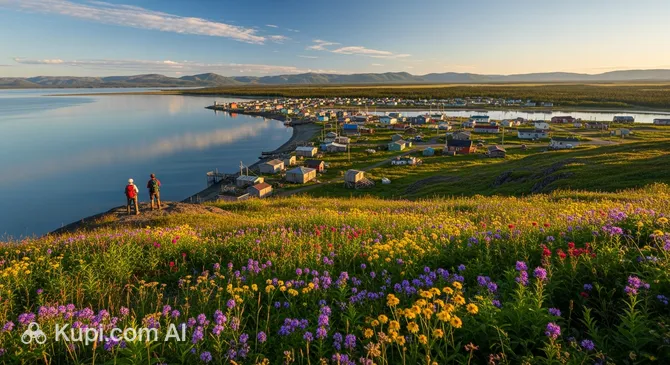
Koyuk is a captivating destination for those seeking to experience the rugged beauty of the far north. Located at the mouth of the Koyuk River on the northeastern shore of Norton Bay, this small village offers a glimpse into the authentic lifestyle of rural Alaska in the United States. Surrounded by vast tundra and scenic waterways, it is a place where nature dictates the rhythm of daily life.

Koyuk. Source: Kupi.Binoculars

With a population of just under 400 residents, the community is tight-knit and deeply rooted in Malimiut Inupiat traditions. Visitors interested in the past can explore the history of Koyuk, which reveals a rich heritage of trade and subsistence living that has thrived in this challenging environment for centuries. The village remains an important hub for the region, maintaining a strong connection to the land and sea.

One of the village's main claims to fame is its role as a vital checkpoint for the legendary Iditarod Trail Sled Dog Race. During the race, the quiet town buzzes with energy as mushers and their teams pass through on their way to Nome. Beyond the excitement of the race, the area is a haven for outdoor enthusiasts, offering incredible opportunities to view the mesmerizing Northern Lights or experience the serene, untouched beauty of the river landscapes.

Whether you are following the historic dog sled trails or simply looking to disconnect from the bustle of modern life, Koyuk provides a unique and memorable adventure. It is a destination where the wilderness is vast, and the spirit of the Arctic is truly alive.

Weather Overview

Koyuk experiences a subarctic climate characterized by long, freezing winters and short, cool summers. Travelers should be prepared for significant seasonal contrast, with the coldest conditions occurring in January, where average temperatures drop to around -17.4°C. The winter months from November through March remain consistently below freezing, requiring heavy thermal gear for any outdoor exploration.

The summer season brings relief with milder temperatures, peaking in July with an average of 13.9°C. While the volume of precipitation is generally low throughout the year, frequent dampness is common, particularly in late summer. August typically sees the highest number of wet days, so packing waterproof layers is advisable even during warmer periods. For more specific forecasts and monthly averages, you can consult the guide to the weather in Koyuk to help plan your trip.

Interesting Facts

Beyond the excitement of the annual sled dog races, Koyuk holds several fascinating aspects that define its unique character in the Alaskan wilderness. This remote village is not just a waypoint on a map but a place rich in ancient history and enduring traditions.

  • A Consistent Iditarod Hub: While the famous Iditarod Trail Sled Dog Race alternates between a Northern and Southern route for the interior section of the journey, both paths merge before reaching the coast. This places Koyuk on the shared trail, meaning the village plays host to the mushers and their teams every single year, serving as a critical checkpoint before the final stretch to Nome.

  • Prehistoric Treasures: The landscape around the village is a window into the distant past. Due to the shifting permafrost and coastal erosion, it is not uncommon for locals to discover fossilized remains of Pleistocene-era animals. Woolly mammoth tusks and ancient bison bones have been found along the riverbanks, remnants of a time when giants roamed the tundra.

  • Home of the Iron Dog: The village's racing heritage extends beyond dog sleds. Koyuk also serves as a checkpoint for the Iron Dog, the world's longest and toughest snowmobile race. This high-octane event traverses some of Alaska's most rugged terrain, bringing a different kind of energy and horsepower to the frozen Norton Bay.

  • Beluga Whale Habitat: Situated at the mouth of the river on Norton Bay, the area is a prime location for observing marine wildlife. The bay is a natural habitat for Beluga whales, and the community maintains a deep cultural connection to these animals, with traditional knowledge of their migration patterns passed down through generations.

How to Get There

Reaching the remote village of Koyuk is an adventure in itself, offering a true taste of the Alaskan wilderness. Since the village is not connected to the state's road system, travel logistics require careful planning. Visitors typically rely on regional air hubs to access the area. You can find more detailed information on how to get to Koyuk to help organize your journey.

The city of Koyuk does not have its own major commercial airport for large aircraft. The closest significant transport hub is Unalakleet Airport (UNK), located in the city of Unalakleet, approximately 117 km away. Another key option is Nome Airport (OME) in Nome, situated about 209 km from the village. It is important to note that there are no roads connecting these cities to Koyuk, so travel by taxi or bus is not possible between these locations. Instead, visitors typically transfer to smaller bush planes or charter flights to cover the final leg of the trip.

For clarity, here is a summary of the main airports:

Airport Name City Passenger Traffic Km from City
Nome Airport Nome Medium 209.3
Ralph Wien Memorial Airport Kotzebue Medium 227.9
Unalakleet Airport Unalakleet Small 117.6
Edward G. Pitka Sr. Airport Galena Small 201.8
Nulato Airport Nulato Small 148.1

Koyuk is not accessible by rail, as there are no railway lines serving this part of Alaska. The region's terrain is rugged and vast, making air travel the primary and most reliable method of transportation. In winter, local travel is sometimes conducted via snowmobile or dog sled along established trails, but for most tourists, small aircraft remain the standard means of entry.

Main Attractions

Koyuk is not a destination defined by ticketed monuments or crowded museums; instead, its appeal lies in the raw, untouched wilderness and the authentic cultural experiences of an Alaskan Native village. Visitors here come to connect with the land, the water, and the sky, finding beauty in the quiet strength of the Arctic landscape.

The Koyuk River is the heart of the community and a major draw for outdoor enthusiasts. Winding its way to the coast, the river offers exceptional opportunities for boating and sport fishing. In the warmer months, the waters are teeming with salmon and trout, providing both sustenance for locals and a thrilling challenge for visiting anglers. The riverbanks also serve as a serene backdrop for observing local wildlife, including moose and various migratory birds nesting in the wetlands.

Facing the vast expanse of Norton Bay, the village offers stunning coastal views that change dramatically with the seasons. In summer, the bay is a shimmering blue expanse where lucky observers might spot Beluga whales migrating near the shore. In winter, the water transforms into a frozen landscape of sea ice, used by locals for travel and hunting. Walking along the shoreline provides a peaceful retreat and a chance to witness the stark, beautiful contrast between the rugged land and the sea.

For those who love hiking and exploration, the surrounding tundra offers boundless freedom. The rolling hills and open plains around the village are perfect for trekking, especially in late summer when the landscape comes alive with wildflowers and berries. Picking cloudberries (often called salmonberries locally) and blueberries is a popular pastime that visitors are often welcomed to join, offering a sweet taste of the region's natural bounty.

While not a traditional building or monument, the Iditarod Trail itself is a landmark of immense significance here. Walking the same path that legendary mushers traverse is a unique experience for any fan of the sport. During the race, the village transforms into a bustling checkpoint, but even in the off-season, the knowledge that this remote outpost plays a crucial role in the "Last Great Race" adds a layer of historical intrigue to the village streets.

Local Cuisine

The culinary landscape of Koyuk is deeply defined by the subsistence lifestyle of its Inupiat residents, where the menu is dictated by the seasons and the surrounding wilderness. You will not find fine dining establishments here; instead, the local cuisine revolves around fresh, organic ingredients harvested directly from the land and sea. The staple of the diet is undoubtedly fish, particularly salmon and trout caught in the Koyuk River and Norton Bay. These are often prepared in traditional ways—dried, smoked into strips, or baked fresh, offering a rich and authentic taste of the Arctic.

For a truly unique gastronomic experience, visitors should look for Akutaq, often referred to as "Eskimo Ice Cream." This traditional dish is a high-energy mixture historically made from whipped animal fat (such as seal oil or reindeer fat) and snow, blended with wild berries like blueberries or cloudberries (salmonberries). Modern versions may use vegetable shortening and sugar, but the result is always a sweet, hearty treat that locals cherish, especially during community gatherings and celebrations.

In terms of beverages, the focus is on staying warm in the subarctic climate. Hot tea and coffee are the most common drinks, consumed throughout the day in homes and community centers. During the berry season, you might also find refreshing juices made from the abundant tundra harvest. Travelers should be aware that Koyuk, like many rural Alaskan villages, has strict regulations regarding alcohol. There are no bars or liquor stores, and the sale of alcohol is typically prohibited, so the local drinking culture is centered around hot, non-alcoholic beverages shared among friends and family.

The food culture in Koyuk is communal rather than commercial. There are no standard restaurants or cafes in the village. Most meals are home-cooked and shared within families. For visitors, food options are generally limited to basic supplies from the local general store, which stocks shelf-stable goods. Tourists planning a trip are advised to bring some of their own provisions, though those lucky enough to be invited to a community potlatch or a local home will experience the genuine warmth of Alaskan hospitality and the hearty, comforting flavors of subsistence cooking.

Travel Tips

Preparing for a trip to Koyuk requires a different mindset than visiting a standard tourist destination, as resources are limited and the environment is rugged. These practical guidelines will help you pack the right gear and navigate the local customs of this welcoming Inupiat community.

  1. Clothing and Gear: The weather can change rapidly, so dressing in layers is essential regardless of the season. In winter, you will need heavy-duty thermal wear and insulated boots, while in summer, a waterproof jacket and sturdy hiking boots are a must to handle the damp tundra. Do not forget high-quality insect repellent, as mosquitoes and biting flies can be intense during the warmer months.

  2. Transportation: Within the village, the primary mode of getting around is walking, as the community is small and compact. There are no public buses, taxis, or car rental agencies available. In winter, locals travel by snowmachine (snowmobile), and in summer, ATVs are common, but tourists should generally expect to explore the area on foot.

  3. Finances: The official currency is the US Dollar (USD). While the local general store may accept credit cards, electronic payment systems can be unreliable due to internet connectivity issues. It is highly recommended to bring sufficient cash in smaller denominations to cover your expenses, as there are no banks or ATMs in the village.

  4. Health and Safety: Medical facilities are limited to a local clinic for basic care, so serious emergencies require medical evacuation by air to a larger city. Ensure you have comprehensive travel insurance that covers medevac services. Always be aware of wildlife; bears and moose frequent the area, so carry bear spray and know how to react if you encounter them.

  5. Communication: English is the primary language spoken in Koyuk, though you may hear locals speaking Inupiat. Cell phone coverage is extremely limited and often restricted to specific regional carriers like GCI; major national carriers may not have service. Wi-Fi is rare and slow, so be prepared to be offline for much of your stay.

  6. Local Etiquette: The community is tight-knit, and visitors should respect the privacy of residents. Always ask for permission before taking photographs of people, their homes, or their drying fish racks. It is polite to greet elders first when entering a room or passing by, showing respect for their status in the village.

  7. What to Avoid: Do not bring alcohol or drugs into the village. Koyuk is a "dry" community where the sale and importation of alcohol are prohibited, and violating these rules is a serious offense that disrespects local laws and culture.

  8. Additional Tip: Since there are no restaurants, you will be relying on the local store or your own supplies for food. Prices for groceries in rural Alaska are significantly higher than on the mainland due to shipping costs, so bringing some non-perishable snacks and essential toiletries from home is a smart money-saving move.

By packing wisely and respecting the local way of life, you will ensure a safe and memorable experience in this unique corner of Alaska. Enjoy the incredible silence of the tundra and the genuine hospitality of the Koyuk people.

Entertainment & Nightlife

Travelers arriving in Koyuk expecting a bustling scene of nightclubs, cocktail bars, or late-night discos will find a completely different definition of "nightlife" in this remote Inupiat village. Entertainment here is not driven by commercial venues or loud music but is instead dictated by the rhythms of nature and the close-knit community. The atmosphere is incredibly peaceful, offering a rare chance to disconnect from urban noise and experience the profound silence of the Arctic night.

The primary "evening show" in Koyuk is undoubtedly the Aurora Borealis. From late autumn to early spring, the lack of light pollution makes the village and its surrounding tundra one of the best places on Earth to view the Northern Lights. The banks of the Koyuk River serve as a natural observation deck where visitors can stand for hours watching green and violet ribbons dance across the sky. There are no opening hours or dress codes for this spectacle—just the requirement to bundle up in your warmest gear and wait for the sky to clear.

Social life in the village revolves around community gatherings rather than private businesses. The Koyuk Community Hall often serves as the central hub for local events, meetings, and the popular pastime of community bingo, which brings residents together in the evenings. Similarly, the gymnasium at the Koyuk-Malemute School is a focal point for entertainment, frequently hosting high-energy basketball games that draw the entire town. These events are welcoming to respectful visitors and offer a genuine insight into the local culture, far removed from typical tourist traps.

It is crucial for visitors to understand that Koyuk is a "dry" village. The sale, importation, and possession of alcohol are strictly prohibited. Consequently, there are no bars, pubs, or liquor stores. Nighttime socialization takes place in private homes or at community events, usually over cups of hot coffee or tea. Attempting to find or bring alcohol is not only futile but disrespectful to local laws and customs. Safety at night is generally not an issue regarding crime, but one must always be vigilant about wildlife, such as moose or bears, which may wander near the village after dark.

During the day, entertainment remains centered on the outdoors. Visitors can spend their time exploring the local trails, observing wildlife along the Norton Bay coastline, or watching the daily activities of subsistence fishing and hunting. For those visiting in March, the arrival of the Iditarod mushers provides a festival-like atmosphere that energizes the village day and night, making it the most exciting time of year to experience entertainment in Koyuk.

Parks & Museums

In the remote village of Koyuk, the concept of a park is redefined by the boundless Alaskan wilderness that surrounds the community. You will not find manicured gardens, fenced green spaces, or ticketed museums here. Instead, the entire region functions as a grand natural reserve, and the local culture is preserved not in glass cases, but in the daily traditions, stories, and activities of the residents. The land itself is the primary attraction, offering a raw and unfiltered connection to nature.

Natural Areas and Wilderness

The Koyuk River Banks serve as the village's most significant natural recreational area. In the absence of city parks, the riverfront acts as the community's playground and lifeline. During the summer months, the grassy banks are perfect for walking and observing the local ecosystem, where visitors might spot moose wading in the water or migratory birds nesting in the reeds. In winter, the frozen river becomes a thoroughfare for snowmachines and dog sleds, transforming into a vast, icy expanse that invites exploration under the open sky.

Another stunning natural feature is the Norton Bay Coastline. This area offers sweeping views of the Bering Sea and provides a serene setting for beachcombing and hiking. The shoreline is rugged and wild, characterized by driftwood and rocky outcrops rather than sand and umbrellas. It is an exceptional spot for watching the dramatic shifts in sea ice and enjoying the solitude of the Arctic coast. The connection between the land and the sea here is palpable, offering a peaceful retreat for those looking to meditate on the sheer scale of the landscape.

Cultural Venues and Heritage

While Koyuk does not possess formal museums or art galleries, the Koyuk Community Hall acts as the central repository of local culture and social life. This venue is the heart of the village, hosting potlatches, traditional dances, and community meetings where the Inupiat heritage is celebrated and passed down. Visitors fortunate enough to be invited to an event here will witness a living culture, far more vibrant and interactive than any static exhibit. It is a place where the oral history of the region comes alive through storytelling and song.

The Koyuk-Malemute School also plays a vital role in preserving and displaying the community's identity. As the hub for youth activities and sports, the school often showcases student artwork and projects that reflect their heritage and daily life in the Arctic. The gymnasium is frequently the site of spirited basketball tournaments, which are a major cultural event in rural Alaska, bringing together families and elders in a display of community pride and resilience.

Historical Landmarks

The most famous historical thoroughfare in the area is the Iditarod Trail. Although it is a seasonal route rather than a built structure, its path through Koyuk is etched with history. Markers and the trail itself serve as a testament to the legacy of dog mushing that has defined transportation in this region for centuries. Walking near the checkpoint area allows visitors to stand on the same ground as legendary mushers, connecting with the history of the "Last Great Race."

Insider Tips

For a truly authentic experience, ask locals about the best spots for berry picking on the surrounding tundra during late summer. The hillsides are often dotted with blueberries and cloudberries, and gathering them is a cherished seasonal activity. Always remember that the land around the village is often used for subsistence hunting and gathering; visitors should explore respectfully and avoid disturbing any traps, nets, or drying racks they encounter.
Getting Around

Travelers planning a visit to Koyuk should be aware that the village does not possess a public transport system in the traditional sense. There are no buses, metros, trams, or trolleys operating within the community. The infrastructure is that of a remote, rural village, where the road network is limited to unpaved gravel streets within the settlement itself, and there are no connecting roads to other cities or towns.

Because there is no commercial transit network, there is no need to worry about purchasing travel passes, acquiring transport cards, or downloading mobile apps for tickets. The concept of fares, zones, and ticket validation does not apply here. Movement within the village is free and does not involve any formal payment system, as there are no public service providers to charge for transportation.

The most practical advice for getting around is to be prepared to walk. The village is compact, and key locations such as the general store, the school, the clinic, and the airstrip are all situated within a relatively short distance of one another. However, visitors must dress appropriately for the terrain; in summer, the dirt roads can be muddy, requiring waterproof boots, while in winter, the ground is covered in snow and ice, making insulated, non-slip footwear essential for safety and comfort.

Alternatives such as taxis, car-sharing apps, or commercial bike rentals do not exist in Koyuk. You will not find services like Uber or Lyft here. Instead, the local population relies heavily on private All-Terrain Vehicles (ATVs or "four-wheelers") during the warmer months and snowmobiles (locally known as "snowmachines") during the winter. While you cannot rent these vehicles from a shop, it is not arguably uncommon for a friendly local to offer a lift to a visitor carrying heavy luggage from the airstrip, though this is a gesture of hospitality rather than a paid taxi service.

A unique feature of transport in this region is the seasonal use of the frozen waterways and tundra. During the winter, the Koyuk River and the surrounding snow-covered landscape effectively become a highway system for snowmachines and dog sleds. Seeing residents travel via sled dog teams is a reminder of the area's rich history, and during the Iditarod race, this becomes the most prominent and exciting form of traffic in the village.

Accommodation

Finding a place to stay in Koyuk is quite different from booking a hotel in a typical tourist destination. As a small, remote Inupiat village with no commercial tourism infrastructure, there are no standard hotels, motels, or resorts available. Visitors should not expect luxury amenities or online booking options; instead, accommodation here is practical, rustic, and deeply integrated into the community's daily life.

The village is compact, meaning location is rarely an issue—everything is within walking distance. However, because options are so limited, you cannot simply arrive and look for a room. The primary lodging facility is generally managed by the Koyuk Native Corporation, which operates a small apartment or transient housing unit for visitors. This facility offers basic amenities such as a kitchen and warm bedding, providing a comfortable but simple base for your stay.

Another possibility for travelers is arranging a homestay. In the absence of formal guesthouses, some local families may be willing to host visitors, offering a unique opportunity to experience the local culture firsthand. These arrangements are typically informal and must be organized through personal contacts or by reaching out to the village council before your trip. During the annual Iditarod Trail Sled Dog Race in March, the village swells with activity, and sleeping space becomes extremely scarce, often requiring racers and officials to sleep in community buildings like the school.

Booking Tips:

Since you cannot book accommodation through major travel websites, planning ahead is critical. You should contact the City of Koyuk or the Koyuk Native Corporation by phone weeks or even months in advance to inquire about availability. Be prepared to pay in cash or check, as credit card processing may not be available. If you are traveling for business or a specific project, ensure your housing is confirmed before you board your flight, as alternative lodging does not exist.

Price Range:

Costs for the limited lodging options are generally in the mid-range to higher bracket relative to the amenities provided, simply due to the high cost of maintaining facilities in such a remote location. Expect to pay a flat nightly rate that reflects the scarcity of resources. By securing your place early and respecting the local way of doing business, you will ensure a safe and welcoming roof over your head in this rugged corner of Alaska.

Nearby Cities

For those looking to explore the surroundings, Koyuk serves as an excellent base for day trips to several interesting nearby locations:

Located approximately 119 km to the south, Unalakleet is the closest regional hub and a destination renowned for its exceptional fishing. Famous for its silver salmon runs, this coastal town offers a vibrant glimpse into the subsistence lifestyle that defines the region. Like Koyuk, it plays a pivotal role as a checkpoint on the Iditarod Trail, buzzing with energy during the race season.

Further west lies the historic city of Nome, situated about 208 km away. Known globally as the finish line of the Iditarod Sled Dog Race, Nome is steeped in Gold Rush history. Visitors can explore relics of the mining era, view herds of muskoxen roaming the tundra, or simply stand on the shores of the Bering Sea at the edge of the continent.

Another notable destination is Kotzebue, located roughly 229 km to the north. As a gateway to the Arctic, it offers a deep immersion into Inupiat culture and history. The Northwest Arctic Heritage Center is a highlight for those wishing to learn more about the indigenous traditions and the unique ecosystem of the Arctic Circle.

City Population Distance (km)
Nome 3697 208
Kotzebue 3300 229
Selawik 830 194
Unalakleet 700 119
Noorvik 700 212

These nearby destinations offer a glimpse into the diverse culture and landscapes of the region.

Shopping & Souvenirs

Shopping in Koyuk is a distinct experience that reflects the subsistence lifestyle of rural Alaska. Unlike typical tourist destinations in the United States, you will not find bustling retail districts or chain stores here. The village's commercial infrastructure is minimal, designed to support the essential needs of its residents rather than recreational shoppers.

The primary retail establishment is the Koyuk Native Store, which serves as the community's general store. It stocks a basic selection of groceries, hardware, and household necessities. Visitors can find snacks and limited toiletries, but the inventory relies on air and barge shipments, meaning fresh produce and specialized items may be scarce. Store hours can be limited, often closing for lunch or on Sundays, so it is best to plan your visits accordingly.

While standard retail is limited, the village is a hidden gem for authentic Native crafts. The local Inupiat artisans are renowned for their skill in creating beautiful, functional art from natural materials. Travelers should look for intricate beadwork, hand-sewn skin items like mukluks (traditional boots) and mittens, or carvings. These unique pieces are usually sold directly by the artists or at community gatherings, providing a meaningful souvenir that directly supports local families.

Transactions in Koyuk require some preparation. Cash is the preferred and most reliable method of payment, as electronic card readers may be unavailable due to internet connectivity issues. Travelers should also be aware that prices for goods are significantly higher than on the mainland due to the extreme costs of shipping freight to the Arctic.

Reached the end of the page?

That means the route is fully explored