Support

Kiana

About

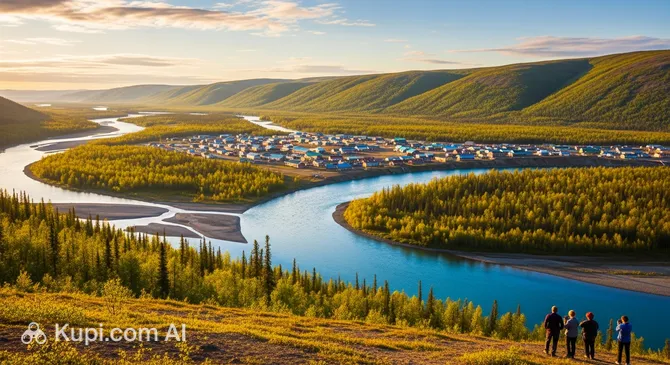
Kiana is a captivating village nestled on the high banks of the Kobuk River in Alaska. Known for its stunning natural beauty and deep cultural roots, this small community offers a glimpse into the authentic lifestyle of the Arctic. Located within the vast wilderness of the United States, Kiana is situated approximately 30 miles north of the Arctic Circle, making it a truly remote and unique destination for adventurous travelers.

Kiana. Source: Kupi.Binoculars

With a population of nearly 400 residents, the village maintains a close-knit atmosphere where traditional Inupiat values are cherished. The name "Kiana" is derived from the Inupiat word "Katyaak," which translates to "a place where three rivers meet," referencing the confluence of the Kobuk, Squirrel, and Little Squirrel rivers. Visitors interested in the region's heritage can explore the rich history of Kiana, which has served as a central settlement for the Kowagmiut Inupiat people for centuries.

The village serves as a gateway to some of Alaska's most impressive natural wonders. It is a prime starting point for excursions to the Great Kobuk Sand Dunes, an unexpected Arctic phenomenon often called the "Sahara of the North." The surrounding wilderness offers exceptional opportunities for fishing, particularly for sheefish and salmon, as well as boating and wildlife viewing. Whether you are chasing the Northern Lights in winter or enjoying the Midnight Sun in summer, Kiana welcomes you to experience the serene beauty of the Last Frontier.

Weather Overview

Kiana experiences a distinctive Arctic climate defined by long, freezing winters and short, mild summers. During the coldest part of the year, particularly in January, the average temperature drops to approximately -21.5°C, with lows plunging even further. Travelers visiting during the winter months should be prepared for deep freezes and short daylight hours typical of this latitude.

In contrast, the summer season brings a pleasant thaw to the region. July is typically the warmest month, with average temperatures reaching 14.2°C and daily highs occasionally climbing to around 17.8°C. For a more detailed breakdown of seasonal patterns and forecasts, you can consult the guide to weather in Kiana before packing for your trip.

While the total volume of precipitation is generally low year-round, visitors should expect frequent damp conditions. The late summer months, such as August, can see up to 15 wet days, though the rainfall is often light. Overall, you can expect cool, breezy summers with occasional light rain and very cold, relatively dry winters.

Interesting Facts

Beyond the main attractions and scenic riverbanks, Kiana holds fascinating secrets that reveal its deep connection to both the land and history. Here are a few unique facts about this remote Arctic community:

  • The Squirrel River Gold Rush: While today it is a peaceful village, Kiana briefly transformed into a bustling boomtown around 1909. It served as the primary supply center for prospectors rushing to the nearby Squirrel River, leaving a legacy of mining history that contrasts with its traditional roots.

  • Sheefish Capital: The village is frequently cited by anglers as the "Sheefish Capital of the World." The Kobuk River here is famous for its massive sheefish (inconnu), a predatory species often called the "tarpon of the North," which can grow to impressive sizes and fights vigorously when hooked.

  • Ancient Foundations: Kiana is believed to be the oldest permanent settlement on the Kobuk River. Archaeologists have identified the "Old Kiana" site nearby, where the remains of traditional semi-subterranean sod houses offer physical proof of centuries of continuous habitation by the Inupiat people.

  • The Ice Highway: Since there are no roads connecting Kiana to the rest of the state, the frozen Kobuk River becomes a vital transportation corridor in winter. Once the ice thickens, it serves as an "ice road" marked for snowmachines, allowing residents to travel between villages and maintain social and trade connections during the long Arctic winter.

How to Get There

Reaching the remote village of Kiana is an adventure in itself, offering travelers a true taste of the Alaskan wilderness. Located north of the Arctic Circle and off the state's road system, Kiana is primarily accessible by air. Visitors typically fly into a larger regional hub before connecting to a smaller bush plane that lands on the local airstrip. For a comprehensive guide on planning your journey, you can read more about how to get to Kiana and the various transport options available.

The city of Kiana does not have its own major airport listed for direct long-haul flights. Instead, the most significant gateway for travelers is the Ralph Wien Memorial Airport (OTZ) located in the city of Kotzebue, approximately 95 km west of Kiana. This regional hub handles a substantial volume of passenger traffic and serves as the primary distribution point for flights heading to surrounding villages. From Kotzebue, scheduled commuter flights or charter services provide the final link to Kiana, a short but scenic aerial journey over the tundra.

Another regional facility in the wider area is the Edward G. Pitka Sr. Airport (GAL) in Galena, situated about 296 km away. While it is a key transport node for the interior, it is significantly further than Kotzebue and less commonly used as a direct transfer point for Kiana. Similarly, Shungnak Airport (SHG) serves the nearby village of Shungnak, roughly 144 km from Kiana, connecting other communities along the river systems.

For clarity, here is a summary of the main airports in the region:

Airport Name City Passenger Traffic Km from City
Ralph Wien Memorial Airport Kotzebue Medium 95.3
Edward G. Pitka Sr. Airport Galena Small 295.9
Nulato Airport Nulato Small 272.6
Shungnak Airport Shungnak Small 143.7

Main Attractions

Kiana serves as an excellent base for exploring the wild and untouched landscapes of the Arctic. While the village itself is small and quiet, its surroundings offer world-class opportunities for adventure, particularly for those interested in unique geological features and pristine wilderness. Here are the main attractions to explore when visiting this remote community.

Kobuk Valley National Park is undoubtedly the region's premier destination. Encompassing a vast area of wetlands, mountains, and tundra, this park is one of the least visited in the national system due to its remote location, offering a true sense of solitude. It is famous for the massive caribou migrations that pass through twice a year. Since there are no roads into the park, visitors typically charter boats or small planes from Kiana to access its rugged interior and witness the raw beauty of the Arctic ecosystem.

Within the national park lies the spectacular Great Kobuk Sand Dunes. Often referred to as the "Sahara of the North," this geological anomaly covers approximately 25 square miles and features rolling golden sands that rise up to 100 feet high. Seeing these desert-like dunes surrounded by boreal forest and tundra is a surreal experience. Travelers can hike the dunes to find ancient artifacts or simply marvel at the contrast between the shifting sands and the surrounding Arctic environment.

The Kobuk River itself is a major attraction for outdoor enthusiasts. As the lifeblood of the community, the river offers exceptional conditions for boating, float trips, and wildlife viewing. In the summer, the slow-moving current is perfect for kayaking or canoeing, allowing visitors to spot moose, bears, and waterfowl along the banks. It is also a legendary destination for sport fishing, drawing anglers from around the world hoping to catch the elusive and giant sheefish.

For those visiting during the darker months, the Northern Lights provide a dazzling natural display. Because Kiana is located north of the Arctic Circle and far from any significant light pollution, it offers some of the clearest views of the Aurora Borealis on the planet. Watching the green and violet bands dance across the vast, star-filled sky is an unforgettable experience that defines the magic of winter in the Far North.

Local Cuisine

The culinary experience in Kiana is deeply rooted in the subsistence lifestyle of the Inupiat people, offering a taste of the Arctic that is both authentic and directly connected to the land. Unlike typical tourist destinations filled with restaurants, the food culture here revolves around what can be harvested from the surrounding wilderness. Visitors will find that the local cuisine is hearty, fresh, and focused on survival and tradition, with recipes passed down through generations.

Given its title as the "Sheefish Capital of the World," it is no surprise that fish plays a central role in the local diet. Sheefish (inconnu) is a staple, prized for its rich, white meat. It is prepared in various ways, including baked, dried, or smoked. A true local delicacy to try is quaq—frozen raw fish served in slices, often dipped in seal oil or salt. During the summer months, salmon is also abundant, often dried in strips to preserve it for the long winter ahead.

Beyond the river, the tundra provides other essential ingredients. Caribou and moose are the primary sources of red meat, often featured in warming soups and hearty stews that are perfect for the cold climate. For dessert, you might encounter Akutaq, commonly known as "Eskimo Ice Cream." This traditional dish is made by whipping fat (historically animal fat, now often vegetable shortening) with sugar and wild berries such as cloudberries (aqpik), blueberries, or cranberries, creating a high-energy treat.

Dining in Kiana is not about visiting formal establishments; there are essentially no standard restaurants or cafes in the village. Instead, the food scene is centered on home cooking and community gatherings. Visitors might find basic snacks and processed foods at the local general store, but the most memorable meals are often shared in the homes of residents or at community feasts. In terms of beverages, hot coffee and tea are the drinks of choice to stay warm, serving as a symbol of hospitality when entering a local home.

Travel Tips

Visiting a remote village north of the Arctic Circle requires a different kind of preparation than a standard vacation, as the wilderness dictates the pace of life here. To help you navigate the unique environment and culture of Kiana, here are some essential practical tips to ensure a safe and respectful journey.

  1. Clothing and Gear: The Arctic weather is unpredictable, so dressing in layers is non-negotiable. Even in summer, bring thermal base layers, a fleece, and a waterproof windbreaker. Waterproof boots (often called "break-up boots" in Alaska) are essential for navigating muddy riverbanks. If visiting in summer, a high-quality mosquito head net and strong insect repellent are crucial, as the bugs can be intense near the river.

  2. Transportation: Kiana is a small, walkable village, and you will not find car rental agencies, taxis, or ride-sharing apps here. Locals get around on ATVs (four-wheelers) in the summer and snowmachines (snowmobiles) in the winter. As a visitor, your primary mode of transport within the village will be walking, while accessing the surrounding wilderness usually requires arranging a boat or plane charter with a local guide.

  3. Finances: Kiana operates on a cash-heavy economy for small transactions, especially if you plan to buy arts and crafts from local artisans. While the general store may accept credit cards, systems can go down due to internet outages. There are no traditional banks, and ATM availability is not guaranteed, so it is highly recommended to bring enough US dollars (USD) in smaller denominations from a hub like Kotzebue or Anchorage.

  4. Health and Safety: The village has a local health clinic staffed by health aides for basic care, but serious medical emergencies require an air evacuation to Kotzebue or Anchorage. Ensure you have travel insurance that covers medevac services. Regarding safety, you are in bear country; always practice "bear aware" behaviors, such as keeping a clean camp and making noise when hiking, and be mindful of extreme cold risks in winter.

  5. Communication: English is the primary language spoken in Kiana, though you may hear Inupiaq spoken by elders. Cell phone coverage can be limited and is often restricted to specific carriers like GCI; do not expect reliable high-speed data or Wi-Fi everywhere. It is a good idea to download offline maps and inform someone of your itinerary before heading out on the river or tundra.

  6. Local Etiquette: The community values respect and privacy. Always greet people you pass on the road with a smile or a wave. Elders hold a position of high esteem; let them speak first and listen attentively. If you are invited into a home, it is customary to remove your shoes at the door.

  7. What to Avoid: Do not photograph residents, their children, or their private property (including fish drying racks and boats) without explicit permission. These are not tourist exhibits but vital parts of their subsistence livelihood. Also, avoid walking on private property or cutting through yards; stick to the established roads and trails.

  8. Alcohol Regulations: Be aware that many rural Alaskan villages have strict local option laws regarding alcohol. Kiana may be a "damp" or "dry" community, meaning the sale or importation of alcohol could be restricted or banned entirely. Check the current specific regulations before you travel, and strictly avoid consuming alcohol in public spaces to avoid offending locals or breaking the law.

By packing the right gear and approaching the community with an open heart and respect for their traditions, you will find Kiana to be a welcoming and unforgettable destination. Enjoy the profound silence of the Arctic and the genuine hospitality of the people along the Kobuk River.

Entertainment & Nightlife

Nightlife & Entertainment:

Travelers arriving in Kiana expecting a vibrant scene of nightclubs, cocktail bars, or late-night discos will find a completely different kind of evening experience. In this remote Arctic village, "nightlife" is defined not by commercial entertainment, but by the profound beauty of the natural world and the quiet, community-focused lifestyle of its residents. There are no bars, pubs, or nightlife districts here; instead, the evening entertainment shifts with the seasons, offering a peaceful retreat into the wilderness.

During the winter months, the primary nocturnal attraction is the sky itself. With minimal light pollution, the banks of the Kobuk River transform into a world-class venue for viewing the Aurora Borealis. The "show" here is the dance of green and violet lights overhead, and the "crowd" consists of fellow travelers and locals standing in awe of the cosmos. In contrast, the summer offers the phenomenon of the Midnight Sun, where the sun refuses to set, allowing for surreal late-night activities like boating or fishing under bright daylight at 2:00 AM.

Social life in Kiana revolves around community gatherings rather than commercial venues. The local school gymnasium or the community hall often serves as the central hub for events, such as traditional Inupiat dancing, potlucks, or bingo nights, which are popular forms of local entertainment. Visitors should be aware that Kiana is traditionally a "damp" or "dry" community regarding alcohol, meaning the sale of alcohol is typically prohibited, and public consumption is frowned upon or illegal. The atmosphere is casual and practical; the dress code is always warm, functional outdoor gear rather than evening wear.

For those looking for practical advice on enjoying the evenings, safety and preparation are key. There are no taxis or public transport services at night, so you will be walking. In winter, temperatures can drop to dangerous lows, so always dress in heavy thermal layers and carry a flashlight, as street lighting is minimal. Be mindful that you are in bear country; even within the village limits, it is wise to stay alert when walking near the river after dark. The best time to experience the social side of the village is during specific festivals or community celebrations, where visitors are often welcomed warmly.

Daytime entertainment in Kiana is equally low-key and centered on the outdoors. Without museums, theaters, or amusement parks, the main activities involve exploring the river and the tundra. Visitors can spend their days boating along the Kobuk River to spot wildlife, hiking the surrounding hills for berries, or simply observing the daily subsistence activities of the village. For a cultural experience, simply walking through the village and chatting respectfully with locals offers a deeper insight into life in the Arctic than any ticketed attraction could provide.

Parks & Museums

In a remote village like Kiana, the concept of parks and museums takes on a different meaning. You will not find manicured city gardens or ticketed art galleries here; instead, the entire surrounding wilderness serves as a vast, open-air park, and the rich history of the Inupiat people is preserved in the land and the living traditions of the community. The village offers a raw, uncurated experience where nature and culture are inextricably linked.

Kobuk Valley National Park acts as the ultimate natural playground for the region. While it is a federally protected area, for the residents of Kiana, it is essentially their backyard. This immense expanse of boreal forest and tundra offers unparalleled freedom for hiking and exploration without the constraints of designated trails or fences. It is a place where you can immerse yourself in the silence of the Arctic, spotting caribou tracks or watching eagles soar above the treeline, offering a connection to nature that is impossible to find in urban parks.

Closer to the village, the banks of the Kobuk River serve as the community's primary recreational space. In the summer, the gravel bars and sandy stretches along the river function as a local "beach" and social gathering point. Families come here to fish, children play near the water, and boats are launched for daily excursions. It is a dynamic natural area that changes with the seasons, offering a scenic spot for a picnic under the Midnight Sun or a front-row seat to the river's breakup in the spring.

Regarding cultural institutions, Kiana does not have a formal building designated as a museum. However, the Old Kiana Site is a significant historical landmark that functions as an archaeological window into the past. Located near the confluence of the Kobuk and Squirrel rivers, this area contains the remains of semi-subterranean sod houses used by the Kowagmiut people centuries ago. Visiting this site with a knowledgeable local guide offers a tangible link to the ancestors who first settled this land, effectively serving as an outdoor museum of Inupiat heritage.

Instead of a brick-and-mortar art gallery, the homes and workshops of local artisans display the artistic soul of the community. Kiana is home to skilled carvers, sewers, and beadworkers who create exquisite traditional crafts. Birch bark baskets, hand-sewn skin boots (mukluks), and intricate ivory or bone carvings are often made within family homes. Engaging with these artists provides a personal and authentic "gallery" experience, where you can learn about the cultural significance behind every stitch and carving directly from the creator.

For a truly authentic insight, ask locals about the Bluff, a high point overlooking the village and the river. It is a favorite spot for residents to scan the landscape for game or simply enjoy the view. A short walk up here offers a moment of reflection and a panoramic perspective of the village against the backdrop of the vast Alaskan wilderness, a view that captures the essence of life in the Arctic better than any exhibit could.

Getting Around

Travelers planning a visit to Kiana should be aware that the village does not possess a public transport system in the traditional sense. There are no subways, buses, trams, or trolleybuses operating within the community, and you will not find scheduled routes or designated stops. Due to its small size and remote location in the Arctic, the infrastructure is completely different from that of a standard city, and visitors should not expect to rely on public transit for getting around.

The primary mode of transportation for visitors within the village is walking. The community is compact, and most key locations, such as the general store, the school, and the clinic, are within a short walking distance of each other. In the summer months, the unpaved roads can be dusty or muddy, while in winter, they are covered in hard-packed snow and ice. Local residents typically travel using all-terrain vehicles (ATVs) or "four-wheelers" during the warmer months and switch to snowmachines (snowmobiles) once the snow falls. These vehicles are essential for the local lifestyle but are generally privately owned rather than available for public hire.

Since there is no formal public transport network, there is no ticketing system, travel card, or mobile app for fares. You will not need to purchase passes or validate tickets. If you require transport for a longer distance—such as moving heavy gear from the airstrip to your lodging—transport is usually arranged informally. Lodges or local hosts often provide a pickup service for their guests using a truck or an ATV trailer. If you need to negotiate a ride with a local resident, it is customary to offer a small amount of cash to cover fuel and time, as there are no metered rates or credit card terminals for such services.

For tourists, the most practical advice is to come prepared with appropriate footwear for walking. In the summer, sturdy waterproof boots are recommended due to the potential for mud, while insulated boots with good traction are mandatory in winter. There are no operating hours to worry about, but visitors should be mindful of the lack of streetlights in many areas; carrying a headlamp or flashlight is essential during the dark winter months. Additionally, always remain alert for snowmachines and ATVs zipping through the streets, as they are the dominant traffic on the road.

Alternatives like Uber, Lyft, or conventional taxi companies do not exist in Kiana. There are no car rental agencies, and bike rentals are not a standard service, though some lodgings might offer a bicycle for guest use. A unique feature of the local transport "system" is the seasonal use of the river. In summer, boats are the main way to access surrounding camps, while in winter, the frozen river becomes an "ice highway" for snowmachines, connecting Kiana to neighboring villages. This natural infrastructure is the closest thing the region has to a major transit corridor.

Accommodation

Accommodation options in Kiana are extremely limited, reflecting the remote and authentic nature of this small Arctic village. Travelers should not expect to find standard hotel chains, luxury resorts, or budget hostels with online booking systems. Instead, lodging is typically provided by a few locally owned bed and breakfasts or small lodges that cater primarily to visiting officials, contractors, and the occasional adventurer. These establishments offer a rustic and homely atmosphere, often consisting of simple rooms within a family home or a converted building.

Given the compact size of the village, location is rarely a deciding factor when choosing where to stay. Almost any accommodation will be situated within the main residential area, placing you within walking distance of the airstrip, the general store, and the Kobuk River. Staying in the heart of the community allows for a more immersive experience, where you are likely to meet residents and learn about the local lifestyle over breakfast or coffee.

Booking accommodation in Kiana requires a proactive approach. Unlike destinations where you can rely on last-minute apps, here it is essential to secure your lodging well in advance of your trip. Most places do not appear on major travel websites, so arrangements are usually made by finding a phone number and calling the proprietors directly. It is highly recommended to confirm your reservation a few days before arrival, as communication systems in the bush can sometimes be unreliable.

Regarding costs, visitors should be prepared for prices that may seem high relative to the amenities provided. The cost of living and doing business in rural Alaska is steep due to freight and energy expenses, and room rates reflect this reality. Prices generally fall into the mid-to-high range. Payment methods can be old-fashioned; while some places may accept credit cards, it is wise to ask beforehand and carry enough cash or checks to cover your stay, just in case electronic systems are down.

Nearby Cities

For those looking to explore the surroundings, Kiana serves as an excellent base for day trips to several interesting nearby locations. While the concept of a "day trip" in rural Alaska often involves a short flight or a boat ride rather than a car drive, the neighboring communities offer unique insights into Inupiat culture and the diverse geography of the region.

Kotzebue is the most prominent destination nearby and serves as the regional hub. Located on the coast of the Chukchi Sea, it offers a different landscape compared to the river environment of Kiana. Visitors can explore the Northwest Arctic Heritage Center to learn about the history and ecology of the area, or walk along the waterfront to see the midnight sun dip towards the ocean. It is a bustling center of commerce and culture for the Northwest Arctic Borough.

Just a short distance away lies Noorvik, situated downriver in the Kobuk Valley. This community is deeply connected to Kiana through family ties and river travel. A visit here offers a chance to see another authentic Inupiat village that relies heavily on subsistence fishing and hunting. The journey itself, often taken by boat in summer or snowmachine in winter, provides scenic views of the river delta and the surrounding wetlands.

Another accessible neighbor is Selawik, located near the Selawik National Wildlife Refuge. This village is known for its unique wooden bridges connecting different parts of the community across the river sloughs. It is an excellent spot for birdwatchers and nature enthusiasts, as the nearby refuge is a critical breeding ground for numerous migratory bird species and home to the Western Arctic Caribou Herd.

City Population Distance (km)
Kotzebue 3300 95
Selawik 830 45
Point Hope 700 308
Noorvik 700 31
Shishmaref 600 262

These nearby destinations offer a glimpse into the diverse culture and landscapes of the region, allowing travelers to experience the subtle but significant differences between the coastal, river, and tundra communities of Northwest Alaska.

Shopping & Souvenirs

Shopping in Kiana is a unique experience that reflects the practical and subsistence-based lifestyle of this remote Arctic community. Visitors should not expect a commercial shopping scene with boutiques, fashion outlets, or souvenir shops. Instead, commerce here is focused on essential survival goods, groceries, and hardware. However, for those interested in authentic culture, the village offers a rare opportunity to purchase exquisite handmade crafts directly from local artisans, providing a connection to the Inupiat heritage that is impossible to find in mass-market stores.

There are no designated shopping districts or bustling high streets in Kiana. The commercial activity is concentrated around a single General Store (often the local Native Store), which serves as the lifeline for the community. This store acts as a catch-all retail hub, stocking everything from canned food and fresh produce to snowmachine parts, ammunition, and winter clothing. It is located centrally in the village and is easily accessible on foot from anywhere in the community.

Travelers looking for shopping malls or department stores will not find them here. The village infrastructure is too small to support large-scale retail. The General Store is the closest equivalent to a "mall," as it houses multiple categories of goods under one roof. For any specialized gear, electronics, or luxury items, residents and visitors typically rely on ordering from Anchorage or Fairbanks, or they bring necessary supplies with them before arriving.

Kiana does not have a permanent marketplace or flea market. However, the spirit of a market exists in the informal economy of the village. Community bulletin boards, often found at the post office or the store, frequently display notices from residents selling homemade goods, baked items, or traditional foods. Occasionally, during community gatherings or holidays, pop-up bazaars may be organized in the community hall, where locals sell arts, crafts, and food.

The true treasure of shopping in Kiana lies in its souvenirs, which are authentic works of art rather than mass-produced trinkets. The village is home to skilled artisans known for their traditional craftsmanship. Look for birch bark baskets, intricate beadwork, and hand-sewn skin items like mukluks (boots) or mittens made from local furs. Carvings made from antler or bone are also prized. Purchasing these items usually involves visiting an artist's home or contacting them directly, ensuring that your money goes straight to the local families.

Opening hours for the General Store are typically standard business hours, often from around 10:00 AM to 6:00 PM, though they may close for lunch or have reduced hours on weekends. It is important to note that hours can be unpredictable due to weather or staffing. Regarding payment, while the main store may accept credit cards, systems can go down due to internet outages. Cash is absolutely essential, especially when buying crafts from local artists who do not have card terminals. Travelers are strongly advised to bring sufficient US dollars in smaller denominations.

Regarding taxes, the United States does not have a national value-added tax (VAT), and the state of Alaska does not impose a state sales tax. However, local municipalities often levy their own sales tax to fund community services. In Kiana, a local sales tax may apply to purchases made at the store. There is no tax refund system for tourists in the US, so the price you see (plus local tax) is the final price.
Reached the end of the page?

That means the route is fully explored