Support

White Mountain

About

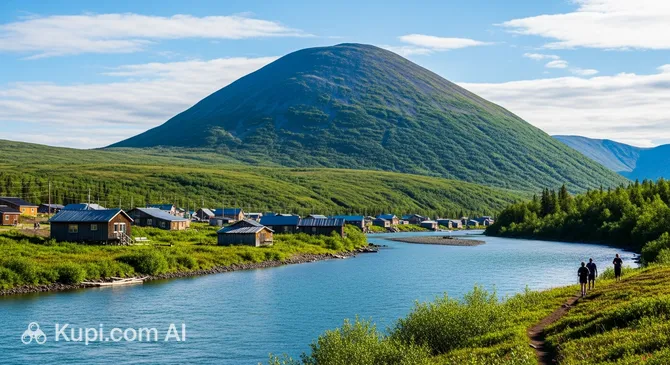
Welcome to White Mountain, a captivating village located on the west bank of the Fish River on the Seward Peninsula. This small, tight-knit community offers a glimpse into the authentic lifestyle of rural Alaska. Known locally as "Natchirsvik," meaning "Mountain Portage," it is surrounded by rolling hills and pristine wilderness, making it a unique destination within the United States for those seeking solitude and connection with nature.

White Mountain. Source: Kupi.Binoculars

With a population of approximately 190 residents, White Mountain maintains a peaceful atmosphere where traditional subsistence activities like fishing and berry picking are part of daily life. The history of White Mountain is deeply rooted in Inupiat culture and the legacy of trade in the region. Visitors are often drawn here by the village's significant role as a mandatory checkpoint for the world-famous Iditarod Trail Sled Dog Race, where mushers take a mandatory eight-hour rest before the final push to Nome.

Travelers can enjoy outdoor adventures such as hiking up the landmark white hill that gives the village its name, offering panoramic views of the river valley. The Fish River provides excellent opportunities for boating and fishing, while the winter months often bring the spectacular display of the Northern Lights. Whether you are following the Iditarod trail or simply exploring the remote beauty of the north, White Mountain welcomes you with warm hospitality.

Weather Overview

The climate in this region is defined by significant seasonal contrasts, featuring long, freezing winters and short, mild summers. January is typically the coldest month, with average temperatures dropping to -17.5°C, while July offers the warmest conditions, averaging around 12.8°C. To ensure you are fully prepared for these extremes, it is advisable to review the detailed forecast for the weather in White Mountain before packing for your trip.

While the actual volume of precipitation is quite low, rarely exceeding 3mm in any given month, damp or snowy conditions are frequent. The late summer months of August and September see the most frequent precipitation, with up to 16 wet days recorded on average. Expect cool summers with frequent light rain and very cold winters where warm layers are essential.

Interesting Facts

Beyond the scenic views and the famous sled dog race, White Mountain holds fascinating details about its geology and local lifestyle that define its unique character. Here are some intriguing facts about this remote Alaskan village:

  • A Geological Rarity: The village's namesake hill owes its striking appearance to crystallized limestone and marble. This geological composition is distinct from the surrounding dark volcanic rock of the Seward Peninsula, making it a natural beacon that has guided travelers for generations.

  • The "Sprint" Launchpad: During the Iditarod Trail Sled Dog Race, the mandatory stop here marks a strategic turning point. Mushers often use this pause not just for rest, but to switch to lighter sleds or specialized runners, preparing their teams for the fast and often icy coastal terrain that leads to the finish line.

  • The Winter Highway: While the Fish River is a waterway in summer, it transforms into a vital transportation corridor in winter. Once frozen, the river becomes a smooth "highway" for snowmachines and dog teams, connecting the isolated community to neighboring villages more effectively than during the warmer months.

How to Get There

Reaching this remote Alaskan village is an adventure that typically begins with air travel, as the community is not connected to the state's road system. For a detailed breakdown of logistics and routes, you can read more about how to get to White Mountain on our dedicated page.

The city of White Mountain does not have its own major commercial airport. The primary gateway for most visitors is Nome Airport (OME), located in the city of Nome, approximately 99.5 km away. As a key regional hub, it handles a significant volume of passengers traveling to the Seward Peninsula. Since there are no roads between Nome and White Mountain, you cannot take a taxi or bus; instead, travelers transfer to small bush planes for the final leg of the journey.

Another significant transport facility in the wider region is Unalakleet Airport (UNK), situated in Unalakleet about 154 km from White Mountain. While further away, it serves as an important connector for Western Alaska. You might also encounter Ralph Wien Memorial Airport (OTZ) in Kotzebue, located roughly 249 km to the north, which supports travel across the Arctic region.

For clarity, here is a summary of the main airports in the region:

Airport Name City Passenger Traffic Km from City
Nome Airport Nome Medium 99.5
Ralph Wien Memorial Airport Kotzebue Medium 248.9
Saint Mary's Airport St Marys Small 292.3
Unalakleet Airport Unalakleet Small 154.0
Nulato Airport Nulato Small 253.8

There are no railway stations in White Mountain or the surrounding area. The railroad network in Alaska does not extend to the western coast or the Seward Peninsula. Consequently, trains are not a viable option for reaching this destination, and most transport relies on aviation or, during winter months, snowmachine trails.

Main Attractions

The attractions in White Mountain are defined by the rugged beauty of the Seward Peninsula and the outdoor opportunities it provides. Visitors here will not find commercial tourist sites but rather a profound connection with the Alaskan wilderness. The village serves as a serene destination within the United States for those looking to experience the Arctic way of life and explore landscapes that remain largely untouched.

  • White Mountain Hill: The village is named after this distinct limestone and marble landmark which rises behind the community. Hiking to the top offers spectacular vantage points over the river valley and is a favorite activity for those seeking panoramic views of the region.

  • Fish River: This waterway is the lifeblood of the community. During the warmer months, it is ideal for boating and fishing for species such as salmon, grayling, and trout. In winter, the frozen river transforms into a vital travel corridor for snowmachines and dog teams.

  • Iditarod Trail: As a mandatory 8-hour rest stop for the famous sled dog race, the village holds a special place in mushing history. Walking along the local trails gives visitors a sense of the endurance required for the "Last Great Race on Earth."

In addition to these landmarks, the area is a prime location for viewing the Northern Lights (Aurora Borealis) during the dark winter months. The lack of light pollution makes the skies above White Mountain incredibly clear, often offering dazzling displays of green and violet lights that dance across the horizon.

Local Cuisine

The culinary experience in White Mountain is far removed from the typical restaurant scene found in larger cities. Instead of browsing menus, food here is defined by the subsistence lifestyle of the Inupiat people. The local diet relies heavily on the land and the river, featuring fresh, organic ingredients harvested directly from the surrounding wilderness. For visitors, this offers a rare chance to taste traditional Alaskan "country food" that is both hearty and deeply connected to the environment.

One of the absolute staples you must try is salmon, caught fresh from the Fish River. It is prepared in various ways, but smoked salmon strips and "dry fish" are local favorites, preserved to last through the long winters. Another unique delicacy is Akutaq, often called "Eskimo Ice Cream." This traditional dessert is a mix of whipped fat (traditionally animal fat, though vegetable shortening is often used today), sugar, and an abundance of locally picked berries like blueberries or salmonberries. It is a high-energy treat perfect for the cold climate.

Given the chilly temperatures, warm beverages are an essential part of daily life. Locals frequently enjoy hot coffee and tea to stay warm, often kept ready in a pot for guests. While you won't find bustling bars or breweries in this quiet village, the focus is on comforting, non-alcoholic drinks shared in the warmth of a home or community gathering. It is important to note that many rural Alaskan communities have strict regulations regarding alcohol, so it is best to stick to these warming staples.

Dining out in White Mountain is not about visiting commercial establishments, as there are no standard restaurants or street food markets. Instead, the food culture is centered around home cooking and community sharing. Visitors typically eat at the place they are staying, such as a school lodging during events or a local host's home. Basic groceries and snacks can be purchased at the local Native Store, which serves as the village's primary source for imported goods and pantry essentials.

Travel Tips

Visiting a remote village like White Mountain requires different preparation than a standard tourist destination. The most critical advice for travelers is to pack appropriately for the Arctic environment. Regardless of the season, dressing in layers is essential. In winter, heavy insulated parkas, windproof trousers, and rated footwear (such as "bunny boots") are mandatory to withstand sub-zero temperatures. Even in summer, the weather can be unpredictable, so waterproof jackets and warm mid-layers should always be in your luggage.

Infrastructure in the village is limited compared to larger towns in the United States. While there is a local store, supplies can be irregular and expensive due to freight costs. It is highly recommended to bring any specific medications, personal hygiene products, or dietary essentials you might need for the duration of your stay. Additionally, credit card processing can be unreliable due to connectivity issues, so carrying sufficient cash (USD) is advisable for small purchases or paying for local crafts.

Connectivity and communication can be challenging in rural Alaska. Cell phone service may be spotty or limited to specific carriers (often GCI), and internet speeds are generally slower than what visitors might be used to. Travelers should be prepared for a "digital detox" and download any necessary maps, documents, or entertainment onto their devices before leaving the regional hub of Nome.

Respecting local customs and regulations is paramount. White Mountain is a tight-knit community where subsistence living is a way of life. Visitors should ask for permission before photographing residents, their homes, or subsistence equipment like drying fish racks. Furthermore, many Alaskan villages have strict "local option" laws regarding the possession and sale of alcohol. It is crucial to verify the current status—whether the village is "dry" (banned), "damp" (limited possession), or "wet"—before attempting to bring any alcoholic beverages, as violations are taken seriously.

Finally, flexibility is the golden rule of travel in this region. Since access is primarily by small bush planes, flights are frequently delayed or cancelled due to fog, wind, or snow. Always build extra buffer days into your itinerary to account for potential weather disruptions, ensuring that a cancelled flight does not cause you to miss your connecting travel home.

Entertainment & Nightlife

Travelers hoping to experience the nightlife in White Mountain should adjust their expectations before arrival. As a small, remote village in rural Alaska, there are no nightclubs, cocktail bars, or bustling entertainment districts here. The concept of "nightlife" in this community is defined not by neon lights and music, but by the profound silence of the wilderness and the company of locals. Evenings are typically spent in the warmth of private homes or community centers, sharing stories and meals rather than hopping between commercial venues.

The primary nocturnal attraction in this region is the sky itself. During the long winter nights, White Mountain becomes a premier "venue" for viewing the Aurora Borealis. With zero light pollution, the banks of the Fish River offer a front-row seat to spectacular displays of green and purple lights dancing overhead. For photography enthusiasts and nature lovers, standing on the frozen river or a nearby hill under the vast, starry canopy provides an experience far more memorable than a typical city night out.

Social life in the village revolves around community events rather than commercial establishments. The White Mountain School often serves as a central hub for gatherings, especially during sports tournaments or local celebrations. During the Iditarod Trail Sled Dog Race in March, the village transforms into a hive of activity at all hours. The checkpoint becomes the liveliest spot in town, where visitors can mingle with mushers, volunteers, and locals in a high-energy atmosphere that lasts well into the early morning.

When it comes to logistics and safety, the rules here are unique. There are no taxi services or public transport at night; the village is small enough that everywhere is accessible by walking or, in winter, by snowmachine. While the streets are safe from urban crime, visitors must remain vigilant regarding wildlife. It is not uncommon for moose or even bears (in warmer months) to wander near the village, so carrying a bright flashlight and staying aware of your surroundings is essential. Additionally, remember that alcohol regulations can be strict in Native villages, so verify the current local laws before looking for a drink.

For daytime entertainment, the focus remains on the outdoors. There are no movie theaters or amusement parks, but the surrounding landscape offers endless opportunities for adventure. Visitors can spend their days hiking the trails up the namesake White Mountain for panoramic views or boating along the river. In this corner of the United States, the entertainment is created by the environment, offering a peaceful retreat from the noise of the modern world.

Parks & Museums

In a remote village like White Mountain, the concept of "parks" and "museums" is redefined by the vast Alaskan wilderness and the living heritage of its people. You will not find manicured city gardens or ticketed exhibitions here. Instead, the entire region functions as an immense natural park, and the community itself serves as a living repository of Inupiat culture and history. For visitors, the appeal lies in the raw, uncurated beauty of the landscape and the authentic traditions that are practiced daily.

White Mountain Hill acts as the village's premier natural recreation area. Towering behind the community, this limestone and marble formation offers the best hiking opportunities in the immediate vicinity. A trek to the summit rewards adventurers with sweeping views of the Fish River winding through the valley and the endless expanse of the Seward Peninsula. In summer, the slopes are a vibrant tapestry of wildflowers and tundra vegetation, making it a perfect spot for photography and berry picking.

The banks of the Fish River serve as the community's central "green space," although the environment is more rugged than a typical park. In the warmer months, the river's edge is a hub of activity where locals launch boats and process their catch, offering a genuine look at subsistence living. Walking along the shore provides a peaceful retreat with the sound of flowing water and the chance to spot local wildlife, such as moose or migratory birds, in their natural habitat.

Regarding cultural institutions, White Mountain does not possess formal museums or art galleries. However, the Iditarod Trail itself is a historic monument that runs directly through the village. During the race season in March, the community hall and checkpoint areas transform into temporary exhibits of mushing history, where the legacy of the trail comes alive. Visitors can witness the deep connection between the locals, the dogs, and the historic mail route that shaped the region.

The village's Covenant Church stands as a significant architectural and historical landmark within the community. While not a museum, it represents a key chapter in the settlement's history and the influence of early missionaries in the region. The simple yet sturdy structure is a focal point for the village, and its presence tells the story of how faith and community have sustained the residents through the harsh Arctic winters for generations.

For a truly unique experience, ask a local about the best spots for berry picking on the tundra behind the school. This activity is not just a pastime but a cultural tradition; spending an afternoon gathering blueberries or salmonberries offers an intimate connection to the land that no guidebook can replicate.

Getting Around

Unlike major urban centers, White Mountain does not possess a formal public transport network. There are no subways, trams, public buses, or trolleybuses operating within the community. Due to the village's small size and remote location, the transportation infrastructure is minimal and adapted to the rugged Arctic environment. Visitors should not expect to find scheduled routes, designated stops, or transport apps typically found in cities.

For most travelers, the primary mode of getting around the village itself is walking. The community is compact, with most homes, the school, and the local store located within a short distance of each other. In the summer months, locals frequently use All-Terrain Vehicles (ATVs) or "four-wheelers" to navigate the gravel paths and surrounding trails. During the winter, when the ground is covered in snow and ice, snowmachines (snowmobiles) become the essential form of motorized transport, replacing cars almost entirely.

Since there is no official ticketing system, there are no travel passes, smart cards, or validation machines. Transport arrangements are generally informal. If you require a ride—for example, to transport heavy luggage from the airstrip to your lodging—it is usually arranged through your host or the airline agent. In these cases, cash is the only accepted method of payment if a fee is requested. Visitors should carry small bills (USD), as credit card readers are non-existent for transport services and drivers do not carry change.

A "special feature" of the local transport landscape is the seasonal transformation of the Fish River. In summer, it serves as a waterway for boats, which are the main way to access hunting or fishing grounds. In winter, the frozen river becomes a natural ice highway, maintained for travel between villages by dog sled teams and snowmachines. This unique seasonal infrastructure is vital for the community and offers a distinct travel experience for visitors.

For tourists arriving by plane, the "airport transfer" is typically a ride in a truck or on a sled attached to a snowmachine, depending on the season. There are no taxi companies or car-sharing services like Uber or Lyft. If you plan to explore beyond the immediate village, such as heading up the hill or along the river, renting a vehicle is generally not an option; most exploration is done on foot or via guided arrangements with local residents.

Accommodation

Finding accommodation in White Mountain is quite different from booking a stay in a typical tourist destination. Visitors should be aware that there are no commercial chain hotels, luxury resorts, or standard hostels in the village. The range of lodging is extremely limited and largely informal, often consisting of community-run facilities or private arrangements. Travelers coming here are usually seeking an authentic wilderness experience, and the accommodation reflects this rustic and communal lifestyle.

Given the small size of the community, there are no distinct "tourist districts" or neighborhoods to choose from. The entire village is compact and walkable, situated along the banks of the Fish River. Any accommodation you secure will be centrally located, providing easy access to the local store, the school, and the airstrip. Staying anywhere in the village places you right in the heart of the community, surrounded by the stunning scenery of the Seward Peninsula.

For many visitors, particularly those following the Iditarod Trail Sled Dog Race, the primary lodging option is the local school. During race season and other major events, the school gymnasium often transforms into a communal sleeping area for tourists, volunteers, and mushers. This "camping-style" indoor lodging usually requires you to bring your own sleeping bag and gear. Occasionally, the city or tribal council may have a building or a small apartment available for rent, but these options are not guaranteed and fluctuate based on local needs.

Booking Tip: You cannot simply arrive in White Mountain and expect to find a room. It is absolutely essential to arrange your accommodation well in advance. Since there are no online booking platforms like Booking.com or Airbnb operating here, you must contact the City of White Mountain or the Native Village office directly by phone to inquire about availability and make reservations.

Regarding costs, prices can be surprisingly high relative to the amenities provided, reflecting the high cost of living and operations in rural Alaska. Payment methods are often limited; while some offices might accept checks or credit cards, it is highly recommended to carry sufficient cash (USD) to cover your stay, as electronic systems can be unreliable. Be prepared for a "mid-range" price tag for what is essentially budget or hostel-style accommodation, and view it as part of the unique cost of exploring one of the most remote corners of the United States.

Nearby Cities

For those looking to explore the surroundings, White Mountain serves as an excellent base for day trips to several interesting nearby locations:

Nome is the most prominent destination in the region, located less than 100 km away. Known globally as the finish line of the Iditarod Trail Sled Dog Race, it offers a fascinating mix of Gold Rush history and modern Arctic life. Visitors can walk along the beaches of the Bering Sea, explore abandoned gold dredges, or visit the Carrie M. McLain Memorial Museum to delve into the rich heritage of the Seward Peninsula.

Unalakleet, situated to the southeast, is another captivating community accessible by a short flight. Known as the "Place Where the East Wind Blows," it is famous for its world-class fishing on the Unalakleet River and its friendly atmosphere. As the first coastal checkpoint on the Iditarod trail, it holds significant cultural importance and offers stunning views of the Norton Sound, making it a rewarding spot for a short visit.

City Population Distance (km)
Nome 3697 98
Kotzebue 3300 250
Selawik 830 265
Emmonak 800 219
Unalakleet 700 155

These nearby destinations offer a glimpse into the diverse culture and landscapes of the region.

Shopping & Souvenirs

General Overview: Shopping in White Mountain is a strictly functional affair, designed to sustain the local community rather than entertain visitors. As a remote village with a subsistence lifestyle, there is no commercial retail scene, fashion boutiques, or browsing for leisure. The village relies on a single general store for imported goods, while much of the food is harvested directly from the land and river. Tourists should come prepared with all necessary supplies, as local stock is limited to basic groceries and household essentials.

Main Shopping Areas/Streets: There are no shopping districts, promenades, or commercial high streets in the village. The "shopping area" is effectively a single building: the Native Store (often referred to simply as the local store). Located centrally within the community, this establishment serves as the grocery store, hardware supplier, and convenience shop all in one. It is the only place to buy food, snacks, or personal hygiene items.

Shopping Malls: Travelers should be aware that there are no shopping malls or department stores in White Mountain. The infrastructure does not support large-scale retail. The nearest facilities resembling a mall are located in Anchorage, which is accessible only by a combination of bush plane and commercial flight.

Markets: The village does not host formal public markets, flea markets, or farmers' markets. The concept of a "food market" is replaced by the wilderness itself, where locals hunt, fish, and gather berries. Occasionally, during community events or festivals, there may be informal tables set up where residents sell homemade baked goods or crafts, but these are sporadic and not a permanent fixture.

Souvenirs: While you will not find a dedicated gift shop, White Mountain is an excellent place to find authentic, high-quality Native Alaskan crafts. Local artisans are known for their skill in skin sewing, creating items such as mukluks (traditional boots), mittens, and fur hats. intricate beadwork and carvings are also common. These items are typically sold directly from artists' homes or at the community hall during events like the Iditarod. Asking a local host is the best way to find out who might have items for sale.

Opening Hours and Payment: The local store operates on a limited schedule compared to urban centers. It typically opens around 10:00 AM or 11:00 AM, closes for a lunch break, and shuts its doors by 5:00 PM or 6:00 PM. It is often closed on Sundays. Cash is the preferred and most reliable method of payment. While the store may have card processing capabilities, transactions rely on satellite internet connections which can be frequently down due to weather or technical issues.

Tax-Free: The state of Alaska does not impose a state-level sales tax, which is a benefit for shoppers. However, local municipalities often levy their own sales tax to fund village services, so do not expect purchases to be entirely tax-free. There is no tax refund mechanism available for international tourists in this region.
Reached the end of the page?

That means the route is fully explored