Support

Nome

About

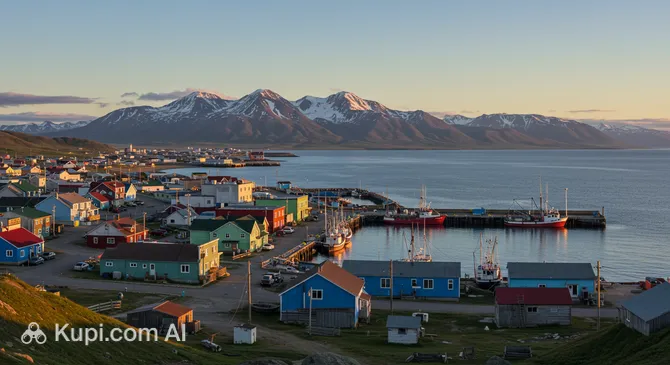
Welcome to Nome, a legendary city located on the edge of the Bering Sea on the southern coast of the Seward Peninsula. Far from being just another dot on the map, this remote outpost in Alaska offers a truly unique atmosphere that blends the rugged spirit of the frontier with the warmth of a close-knit community. Although it is part of the United States, Nome feels like a world apart, accessible only by air or sea, which adds to its allure for adventurous travelers.

Nome. Source: Kupi.Binoculars

With a population of approximately 3,700 residents, Nome is small but vibrant. The city is famous for its subarctic climate and stunning tundra landscapes that stretch as far as the eye can see. Visitors are often captivated by the history of Nome, which exploded onto the world stage during the Gold Rush of 1898. Today, remnants of that golden era can still be seen, including old mining equipment and the famous "Three Lucky Swedes" statue.

Nome is perhaps best known internationally as the finish line of the Iditarod Trail Sled Dog Race, a grueling 1,000-mile event that brings the town to life every March. Beyond the race, the area is a paradise for nature lovers, offering exceptional opportunities for bird watching and experiencing the Midnight Sun during the summer months. Whether you are here to pan for gold on the beach or simply to witness the raw beauty of the Arctic, Nome promises an unforgettable journey into the wild.

Weather Overview

Travelers planning a trip to this remote Alaskan outpost should be prepared for a subarctic climate where the seasons are distinct and the elements play a major role in daily life. The weather in Nome is characterized by long, freezing winters and short, cool summers, requiring visitors to pack ample layers regardless of when they arrive.

Winter is the dominant season, with January typically being the coldest month. During this time, average temperatures hover around -16.8°C, often dipping as low as -19.1°C. The cold persists well into spring, as March still sees averages of -10.4°C. While precipitation volume is generally low during these months—often just 1mm to 3mm—the landscape remains frozen and snowy.

Summer offers a brief but welcome thaw, making it the most popular time for tourism. July is usually the warmest month, with average temperatures reaching 11.5°C and daily highs peaking around 14.1°C. However, visitors should expect cool summers with frequent light precipitation and very cold, dry winters. For instance, August sees about 17 wet days, so a waterproof jacket is just as important as a warm coat.

Interesting Facts

Beyond the excitement of the Iditarod finish line, Nome holds fascinating secrets and quirks that define its unique character. This remote town is full of surprises, from its accidental naming to its unusual recreational activities on the frozen sea.

  • The origin of the name "Nome" is widely believed to be a cartographical error. Legend has it that a British mapmaker misread a handwritten query "? Name" on a nautical chart as "C. Nome," inadvertently giving the cape and the subsequent settlement its permanent title.

  • Nome is not connected to the main highway system, effectively making it an island in terms of transportation. Despite being on the North American mainland, you cannot drive here from other major cities; visitors must arrive by plane or boat, which contributes to the town's self-reliant spirit.

  • The city hosts one of the world's most unusual sporting events, the Bering Sea Ice Golf Classic. Held annually in March, golfers play a six-hole course on the frozen pack ice of the Bering Sea, using bright orange balls to ensure they remain visible against the white snow.

  • Unlike other gold rushes where prospectors had to stake complex claims inland, Nome featured the "Golden Sands." In 1899, gold was discovered right on the beach, allowing anyone with a simple shovel and pan to dig for fortune in the public sands along the coast.

How to Get There

Reaching the remote city of Nome is a unique experience, as the destination is not connected to the state's highway system. The primary and most practical way to arrive is by air. For those planning their journey, you can find all ways to reach the city and prepare for an adventure into the Alaskan wilderness.

The main gateway for visitors is Nome Airport (OME), situated conveniently within the city limits, just 2.1 km from the center. This regional hub handles an annual passenger traffic of approximately 125,000 travelers. Upon arrival, getting to the downtown area is remarkably quick; a taxi or shuttle ride typically takes about 5 to 10 minutes, allowing for luggage collection and a very short drive.

Travelers should be aware that other regional airports listed nearby, such as Ralph Wien Memorial Airport (OTZ) in Kotzebue, are located at a significant distance. For instance, the airport in Kotzebue is about 296 km away. It is important to note that there are no roads connecting these neighboring settlements to Nome, so renting a car or taking a taxi from these locations is not possible; air travel remains the sole link between these communities.

For clarity, here is a summary of the main airports in the wider region:

Airport Name City Passenger Traffic Km from City
Nome Airport Nome Medium 2.1
Ralph Wien Memorial Airport Kotzebue Medium 295.8
Saint Mary's Airport St Marys Small 292.0
Unalakleet Airport Unalakleet Small 234.1

Nome does not have a railway station, and the city is not connected to any rail network in Alaska or North America. The rugged terrain and isolation of the Seward Peninsula mean that trains are not a viable mode of transport for reaching this destination. Visitors rely almost exclusively on scheduled flights or seasonal maritime transport to access the city.

Main Attractions

Nome is a destination where the rugged spirit of the gold rush meets the timeless beauty of the Arctic. The city's attractions offer a fascinating glimpse into its rich history, from the days of prospectors on the beaches to its modern identity as the finish line of the world's most famous sled dog race. Visitors can explore a unique blend of cultural heritage, mining relics, and stunning natural viewpoints that define this remote community.

A perfect starting point for any visit is the Carrie M. McLain Memorial Museum. Located in the modern Richard Foster Building, this facility is widely regarded as one of Alaska's finest community museums. It offers an immersive journey through the region's history, featuring the "Nome: Hub of Cultures and Communities Across the Bering Strait" exhibit. Visitors can explore artifacts ranging from gold rush equipment to indigenous artwork, gaining a deeper understanding of the diverse people who have called the Seward Peninsula home for centuries.

No trip to Nome is complete without visiting the iconic Iditarod Trail Finish Line. Situated on historic Front Street, the famous Burled Arch marks the end of the grueling 1,000-mile race from Anchorage. While the race concludes in March, the arch stands year-round as a symbol of endurance and Alaskan tradition. Standing beneath it offers a powerful connection to the mushers and dogs who brave the wilderness, and it serves as a legendary photo opportunity for travelers.

For a tangible piece of mining history, the Swanberg Dredge is a must-see. Located just outside the city limits, this massive, rusting machine sits in a pond where it ceased operations decades ago. Unlike many other dredges that are difficult to access, the Swanberg Dredge is easily visible from the road, standing as a silent, mechanical giant that reminds visitors of the industrial efforts that once scoured the land for gold. It is particularly striking against the backdrop of the tundra, especially during the long summer days.

For the best panoramic views, travelers should head to Anvil Mountain to see the White Alice Site. These four towering, billboard-like antennas are remnants of a Cold War-era communication system known as "Nomehenge" by locals. Beyond their historical intrigue, the site offers a spectacular vantage point. From the top, you can gaze out over the city of Nome, the vast tundra, and the glittering Bering Sea. It is also an excellent spot for wildlife viewing, with musk oxen frequently spotted grazing on the slopes.

Local Cuisine

Nome's culinary landscape is defined by its isolation and its proximity to the Bering Sea, resulting in a diet that relies heavily on fresh, local resources. The absolute star of the local menu is the Norton Sound King Crab. Unlike the crab found elsewhere, these are often caught by locals through the ice during the winter months. Visitors can expect to find this delicacy served fresh, offering a sweet and tender flavor that is unmatched by frozen alternatives shipped to the lower 48 states.

Another staple of the region is reindeer meat, a nod to the herds that were introduced to the Seward Peninsula over a century ago. You will frequently find reindeer sausage featured in hearty breakfasts or served as a savory main course. For a truly traditional taste, adventurous eaters should look for Akutaq, often called "Eskimo Ice Cream." This indigenous dish is a whipped mixture of fats—traditionally reindeer or seal fat, though often vegetable shortening today—blended with snow, sugar, and an abundance of local berries like cloudberries (known locally as aqpiks) or blueberries.

The dining atmosphere in Nome is casual and steeped in history, centered largely around the famous Front Street. There are no pretenses of fine dining here; instead, you will find cozy diners and historic saloons that serve substantial, warming meals designed to fuel people against the Arctic cold. These establishments are community hubs where mushers, miners, and travelers mingle, offering a genuine slice of frontier life alongside burgers, steaks, and fresh catches.

When it comes to drinks, the coffee culture is strong, providing a necessary comfort during the long, dark winters. For those looking to experience the local nightlife, Nome's bars are legendary. A popular choice in Alaska that you might encounter is the "Duck Fart," a layered shot of Kahlua, Bailey's Irish Cream, and Crown Royal whiskey. Whether you are sipping a hot beverage to thaw out or raising a glass in a saloon, the experience is always warm and welcoming.

Travel Tips

Visiting Nome is an adventure unlike any other, requiring a bit more preparation than your average vacation. To help you navigate this unique frontier town with confidence and ease, we have compiled a set of essential guidelines. These practical tips will ensure you stay safe, comfortable, and respectful of the local way of life while exploring the Seward Peninsula.

  1. Clothing and Gear: Function always trumps fashion here. The weather can change rapidly, so layering is key. In summer, bring a waterproof and windproof jacket, as rain and wind are common. Sturdy, waterproof boots (often called "mud boots" or Xtratufs by locals) are essential for walking on the tundra or unpaved streets. If visiting in winter, you need heavy-duty arctic gear, including a parka, insulated snow pants, and face protection. Don't forget sunglasses, as the sun reflecting off the snow or water can be intense.
  2. Transportation: You cannot drive to Nome from Anchorage or anywhere else; you must fly. Once in the city, the downtown area is walkable, but to explore the surrounding road system, you will need wheels. Car rentals are available but limited, so book well in advance. There is no public metro or bus system. Taxis are the primary way to get around town if you don't rent a car. Ride-hailing apps like Uber or Lyft are generally not available, so keep local taxi dispatch numbers handy.
  3. Finances: The currency is the US Dollar (USD). While credit cards are accepted at hotels, larger stores, and restaurants, cash is king for smaller transactions. You will definitely need cash if you plan to buy authentic arts and crafts from local carvers or pay for short taxi rides. ATMs are available in town, but it is wise to arrive with some cash. Be prepared for higher prices than in the "Lower 48" states, as most goods have to be flown or barged in.
  4. Health and Safety: Nome is home to the Norton Sound Regional Hospital, which provides emergency and routine care. Pharmacies are available but may not have 24-hour service. The biggest safety concern for tourists is often the elements and wildlife. Never approach musk oxen or bears; musk oxen may look slow, but they are dangerous if threatened. Always check weather forecasts before heading out on the road system, as conditions can deteriorate into whiteouts quickly.
  5. Communication: English is the primary language spoken by everyone. Mobile coverage can be spotty; GCI is the main provider in Alaska, and while AT&T may work in the city center, other carriers often have no signal. It is highly recommended to check your roaming plan or buy a prepaid SIM card that uses the local network if staying for a while. Wi-Fi is available in hotels and the library, but speeds may be slower than what you are used to.
  6. Local Etiquette: The community is tight-knit and friendly. It is polite to greet people you pass on the street with a nod or a "hello." The subsistence lifestyle is vital here; if you see fish drying on racks or boats with equipment, look but do not touch. These are food sources and livelihoods, not just photo ops. Always ask for permission before taking close-up photographs of locals or their private property.
  7. What to Avoid: Strictly avoid wandering onto private mining claims. Nome has a rich gold mining history, and many areas along the beach and creeks are still active, privately owned claims. "Recreational mining" or panning is only allowed in designated public areas (like the East Beach). Digging elsewhere without permission is considered trespassing and is taken very seriously.
  8. Alcohol Regulations: While Nome itself allows the sale and consumption of alcohol, it serves as a hub for many surrounding villages that may be "dry" (banned) or "damp" (restricted). If you plan to travel from Nome to a smaller village, do not carry alcohol with you without verifying the specific laws of that community, as bootlegging is a serious offense.

By keeping these tips in mind, you will be well-equipped to embrace the rugged charm of Nome. Whether you are here to watch the sled dogs finish their race or to soak in the midnight sun, a little preparation goes a long way in ensuring your Arctic adventure is both safe and unforgettable.

Entertainment & Nightlife

Nome’s nightlife is legendary, not for high-end clubs or strict dress codes, but for its authentic, rugged frontier spirit. The scene is almost entirely concentrated along Front Street, a historic strip facing the Bering Sea. Here, the entertainment revolves around traditional saloons and bars where the atmosphere is rowdy, welcoming, and steeped in gold rush history. Don't expect velvet ropes or VIP sections; instead, you will find pool tables, jukeboxes playing classic rock or country, and a diverse crowd that includes everyone from crab fishermen and miners to visiting tourists and Iditarod mushers.

To experience the heart of Nome after dark, you must visit the Board of Trade Saloon, affectionately known as the "BoT." It is arguably the most famous watering hole in the Alaskan bush, offering a genuine glimpse into the town's social life, often featuring a bustling dance floor during peak seasons like March. Another local staple is the Anchor Tavern, a spot synonymous with the town's character, perfect for a game of pool and a casual drink. For a classic dive bar experience, the Polar Bar is another venue right on the main drag where locals gather to unwind and share stories.

The dress code in Nome is purely functional; "Alaskan formal" usually means clean work pants and sturdy boots, so there is absolutely no need to dress up. Bars in Alaska have the unique privilege of staying open very late, with closing times often extending until 5:00 AM, allowing for long nights under the Midnight Sun or the Northern Lights. Prices for drinks can be slightly higher than in the contiguous United States due to shipping costs, but they remain reasonable. Most places accept credit cards, but carrying cash is highly recommended for faster service and tipping.

While the downtown area along Front Street is generally populated and safe for walking between venues, it is wise to stay vigilant. The main safety concern is often the elements rather than crime; temperatures can drop drastically at night, so always bring a warm jacket even if you plan to stay indoors. When you are ready to call it a night, do not attempt to walk long distances back to your lodging, especially in winter. Taxis are the primary mode of night transport and are readily available; simply ask the bartender to call one for you, as ride-sharing apps are not an option here.

For daytime entertainment, the pace slows down, focusing on community and indoor activities. The Nome Recreation Center is a hub for family fun, featuring a bowling alley, a sauna, and a gym, making it a great place to relax if the weather turns sour. Movie lovers can catch the latest releases at the Gold Coast Cinema, a small but beloved theater that serves as a primary entertainment venue for residents. While the outdoors is the main draw, these indoor facilities provide a welcome and warm retreat from the Arctic climate.

Parks & Museums

In Nome, the concept of a city park is redefined by the untamed wilderness that surrounds the community. Rather than manicured lawns and flowerbeds, the "green spaces" here are the vast, rolling tundra and the rugged coastline of the Bering Sea. The city's cultural venues serve as vital repositories for the region's rich history, preserving stories of the Gold Rush and the enduring traditions of the Indigenous peoples who have inhabited the Seward Peninsula for millennia.

One of the most unique and humorous natural attractions is the Nome National Forest. Located just a few miles outside of town on the Council Highway, this is likely the smallest "forest" you will ever visit. In a region where the tundra prevents tall vegetation from growing, this small cluster of transplanted spruce trees stands as a whimsical landmark. It is a favorite photo opportunity for visitors, symbolizing the local sense of humor and the harsh realities of the subarctic climate.

For those seeking a more traditional connection with nature, East Beach serves as a primary recreational area. Stretching along the coast, this area is not only a place to relax by the ocean but also a world-class destination for birdwatching. During the migration seasons, the beach and the adjacent wetlands teem with rare waterfowl and shorebirds, drawing enthusiasts from around the globe. It is also a popular spot for locals to set up camps and enjoy bonfires under the Midnight Sun.

The cultural heart of the city is undoubtedly the Katirvik Cultural Center. Housed in the Richard Foster Building, this facility is dedicated to the heritage of the Bering Strait region's Indigenous people—the Inupiaq, Yup’ik, and St. Lawrence Island Yupik. Unlike a static museum, the center is a vibrant gathering place that hosts workshops, dance performances, and educational programs. It offers visitors a profound insight into the living traditions, language, and artistic expressions of the Native communities.

While the Carrie M. McLain Memorial Museum is the city's premier historical institution, history buffs should also visit the Old St. Joseph's Church. This striking white building with its prominent steeple is an architectural gem in downtown Nome. Originally built in the early 20th century, it has been beautifully restored and now serves as a community hall. Its presence offers a glimpse into the spiritual and social life of the early gold mining era, standing in contrast to the rugged industrial machinery often seen around town.

Another significant landmark is the Three Lucky Swedes Statue, located near the visitor center. This monument honors the three Scandinavians—Jafet Lindeberg, Erik Lindblom, and John Brynteson—whose discovery of gold in Anvil Creek ignited the massive stampede to Nome in 1898. It is an essential stop for understanding the chaotic beginnings of the city.

For a truly authentic experience, take a drive along the local road system in mid-summer to witness the tundra wildflowers. During the short growing season, the landscape explodes with color as forget-me-nots, fireweed, and arctic poppies bloom in abundance. It is a fleeting but spectacular natural garden that rivals any carefully planted botanical park elsewhere in the world.

Getting Around

Public transport in Nome is quite different from what travelers might be accustomed to in larger cities. There is no public bus system, metro, tram, or railway service available within the city. The community is small and compact, meaning that the extensive transit networks found in metropolitan areas are simply not needed here. Instead, the transportation infrastructure relies almost entirely on private vehicles, taxis, and walking.

The primary mode of transport for visitors without a rental car is the taxi service. Taxis in Nome operate somewhat differently than in other places; they often function more like a shuttle service. It is common for drivers to pick up multiple passengers going to different destinations along the way, so be prepared to share your ride with locals. There are no hailing apps or digital ride-sharing platforms; to get a cab, you will need to call one of the local dispatch numbers or find a taxi stand, typically located near major hotels or the airport.

Regarding payment, the system is straightforward but old-fashioned. There are no travel passes, transport cards, or mobile ticketing apps. Cash is the standard method of payment, and it is highly recommended to carry small bills. Taxis usually charge a flat rate per person for trips within the city limits, rather than using a meter. Prices are generally reasonable, often around $5 to $7 per person for a short ride across town, though rates increase for trips to the airport or outlying areas.

For those wishing to explore beyond the city center, renting a vehicle is the best alternative. While the downtown area is easily walkable, a car is essential if you plan to drive along the three main gravel roads that extend into the tundra: the Council Highway, the Teller Highway, or the Kougarok Road. Rental agencies are local and fleets are limited, so it is crucial to book a vehicle months in advance, especially during the peak summer season or the Iditarod.

Walking is a viable and pleasant option for getting around the central commercial district, particularly along Front Street where many shops, restaurants, and attractions are located. The town is flat and easy to navigate on foot. Bike rentals are occasionally available during the summer months through local outfitters, offering a leisurely way to see the coast, though this is not a formal public bike-share system.

Since there are no scheduled airport buses, transportation from the airport to the city center is typically handled by taxis or hotel courtesy shuttles. If you have booked accommodation, check in advance if they offer a free pick-up service. Otherwise, taxis meet incoming flights, and the short journey to downtown is quick and efficient.

Accommodation

Accommodation in Nome reflects the city's frontier character: practical, welcoming, and unpretentious. Travelers will not find sprawling luxury resorts or international hotel chains in this remote outpost. Instead, the options consist primarily of locally owned hotels, rustic inns, and a handful of bed-and-breakfasts that offer a warm respite from the Arctic elements. The focus here is on comfort and functionality rather than opulence, providing a cozy base for your adventures on the Seward Peninsula.

The most convenient area to stay is undoubtedly downtown, particularly along or near the historic Front Street. Choosing a hotel in this central district places you within easy walking distance of the city's main dining establishments, bars, and the scenic seawall. Since Nome is a compact city with limited transportation options for those without a rental car, staying centrally allows for greater independence and easy access to local landmarks and the shore of the Bering Sea.

A crucial tip for any visitor is to book well in advance. This is particularly important if your travel dates align with the conclusion of the Iditarod Trail Sled Dog Race in March. During this peak season, the town's population swells significantly, and rooms are often reserved a year or more ahead of time. Even during the popular summer months, capacity can fill up quickly due to the limited number of beds available in the city.

Regarding costs, visitors should be prepared for prices that fall into the mid-range to high category. Due to the high cost of utilities and logistics in rural Alaska, nightly rates are generally higher than what travelers might expect for similar amenities in the contiguous United States. Booking is typically done via phone or standard online platforms, though calling smaller establishments directly can sometimes yield better availability or specific information about amenities like airport shuttles.

Nearby Cities

For those looking to explore the surroundings, Nome serves as an excellent base for day trips to several interesting nearby locations:

One notable destination accessible by a short flight is Kotzebue, located approximately 297 km north of Nome. Situated just above the Arctic Circle, it serves as the hub for the Northwest Arctic region and offers a deep dive into Inupiat culture. Visitors can explore the Northwest Arctic Heritage Center to learn about the local history and the subsistence lifestyle that has sustained the indigenous population for thousands of years in this remote environment.

Another unique option for a visit is Unalakleet, famous globally as the first major checkpoint on the Bering Sea coast for the Iditarod Trail Sled Dog Race. Located about 235 km southeast, this village is renowned for its exceptional fishing, particularly for silver and king salmon in the Unalakleet River. It provides a genuine glimpse into village life where the river meets the sea, offering beautiful coastal landscapes and a warm community atmosphere.

City Population Distance (km)
Kotzebue 3,300 297
Emmonak 800 197
Savoonga 733 263
Alakanuk 700 206
Unalakleet 700 235

These nearby destinations offer a glimpse into the diverse culture and landscapes of the region.

Shopping & Souvenirs

Shopping in Nome is a unique experience that reflects the city's remote location and its rich cultural heritage. Travelers should not expect sprawling shopping malls or high-end fashion boutiques; instead, the retail scene here is practical, authentic, and deeply connected to the local way of life. The city offers a selection of stores that cater to the needs of residents living in the Arctic, alongside specialized shops where visitors can find incredible indigenous art and gold rush memorabilia. It is a place where buying a souvenir often means purchasing a piece of history or a handmade treasure directly from a local artisan.

The primary hub for commerce is the historic Front Street. This iconic thoroughfare, facing the seawall and the Bering Sea, is where you will find the highest concentration of gift shops, outfitters, and local businesses. Walking along this street is convenient and offers the chance to browse for unique items while soaking in the atmosphere of the town. It is the beating heart of Nome, where visitors can easily hop from a cozy diner to a souvenir store, all within a few blocks.

Nome does not have traditional shopping malls found in larger cities. The closest equivalent is the large general stores, such as the AC Value Center or Hanson’s Safeway. These establishments are vital to the community, functioning as "one-stop shops" that sell everything from groceries and heavy-duty winter gear to electronics and hardware. For a tourist, a visit to one of these stores provides a fascinating glimpse into the logistics of life in rural Alaska, where shelf prices reflect the cost of air freight and barging.

While there are no permanent daily markets, the city has a vibrant tradition of craft fairs and pop-up markets, particularly during major events like the Iditarod Trail Sled Dog Race in March or the Midnight Sun Festival in June. During these times, community centers fill with tables where local artists display their work. Additionally, it is not uncommon to find artisans selling their wares informally at local gathering spots, offering a chance to buy directly from the creator.

When it comes to souvenirs, Nome offers treasures you cannot find anywhere else. The most coveted items are Alaskan Native arts and crafts, particularly intricate carvings made from walrus ivory, fossilized whalebone, or baleen. Visitors should also look for gold nuggets and jewelry, a nod to the city's mining roots. Another luxurious local product is items knitted from qiviut, the incredibly soft and warm underwool of the musk ox. Note: If you purchase ivory or marine mammal products, ensure you receive the proper certification, as strict regulations apply to taking these items out of the country.

Store opening hours in Nome are generally standard, with most businesses operating from around 10:00 AM to 6:00 PM. However, grocery and general stores often stay open later to accommodate the community. regarding payment, major credit cards are widely accepted at established stores and hotels. However, if you plan to purchase art directly from local carvers or at a craft fair, cash is the preferred and often the only method of payment. ATMs are available in town, but carrying sufficient cash for small purchases is wise.

Travelers should be aware that while the state of Alaska does not have a state-level sales tax, the city of Nome collects a local sales tax. This tax is added to purchases at the register. There is typically no tax refund system available for tourists for this local municipal tax, so the price you pay at the counter is final.
Reached the end of the page?

That means the route is fully explored