Support

Elim

About

Welcome to Elim, a remote and captivating village located on the southern coast of the Seward Peninsula in Alaska. This small community offers a glimpse into the rugged beauty and traditional lifestyle that defines the northernmost reaches of the United States. With a population of approximately 78 residents, Elim is a tight-knit settlement where the vast wilderness meets the icy waters of Norton Sound, creating a serene and isolated atmosphere perfect for intrepid travelers seeking off-the-beaten-path experiences.
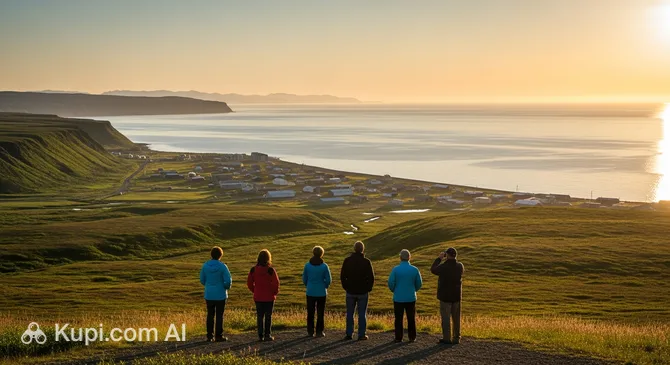
Elim. Source: Kupi.Binoculars

The village is situated approximately 96 miles east of Nome and is surrounded by a landscape of spruce forests and tundra. The geography plays a significant role in the local way of life, with subsistence activities like fishing and hunting being central to the community. While the climate is subarctic, bringing cold winters and cool summers, the stunning natural surroundings provide a breathtaking backdrop year-round. Exploring the history of Elim reveals its deep connection to the land and its evolution from a traditional campsite to a permanent settlement.

One of the village's most famous claims to fame is its role as a checkpoint for the legendary Iditarod Trail Sled Dog Race. Mushers and their teams pass through Elim on their way to Nome, bringing excitement and visitors to the area each March. Apart from the race, visitors can appreciate the pristine environment of Norton Sound, which offers opportunities for viewing local wildlife and experiencing the quiet majesty of the Arctic coast. Whether you are chasing the Northern Lights or interested in indigenous culture, Elim provides a truly unique perspective on life in rural Alaska.

For those looking to escape the hustle and bustle of modern cities, a visit to Elim offers a rare chance to disconnect and immerse yourself in the raw beauty of the North. It is a destination that promises tranquility and a warm welcome from its resilient residents.

Weather Overview

Travelers planning a trip to this remote Alaskan village should be prepared for distinct seasonal changes typical of a subarctic climate. The weather in Elim is characterized by long, freezing winters and short, cool summers. January is generally the coldest month, with average temperatures dropping to -17.1°C and minimums reaching as low as -19.4°C.

Summer brings a brief but welcome thaw, with July being the warmest month, seeing average highs of around 15.7°C. While the volume of precipitation is relatively low year-round, damp conditions are frequent; August, for instance, typically experiences about 17 wet days. Expect cool, mild summers with occasional light rain and bitterly cold winters suitable for snow-based activities.

Interesting Facts

Beyond its reputation as a welcoming stop on the Iditarod Trail, Elim holds a collection of fascinating stories and historical quirks that define its unique character. From its ironic name to its distinct land rights, here are some little-known facts about this resilient Alaskan community:
  • A Biblical Oasis in the Arctic: The name "Elim" was chosen by an early Covenant missionary and references a location in the Book of Exodus described as an oasis with "twelve springs and seventy palm trees." This choice serves as a poetic and slightly humorous contrast to the village's actual subarctic environment, where freezing temperatures and spruce forests replace the desert heat and palms of the scripture.

  • The Ghost of Old Elim: A few miles from the current settlement lies the site of the original village, historically known as Nuviakchak. Travelers and mushers approaching the town often pass by these remnants, where old, weathered cabins and an abandoned airstrip from the mid-20th century stand as silent witnesses to the community's eventual relocation to higher ground.

  • A Unique Land Legacy: Elim stands out in Alaskan history for its decision regarding the Alaska Native Claims Settlement Act (ANCSA) of 1971. Unlike many other villages that accepted a standard mix of land and money, Elim opted to reject the payout in exchange for retaining title to the entire Elim Reindeer Reserve. This bold move secured approximately 300,000 acres of ancestral land, prioritizing territorial integrity and subsistence rights over financial capital.

  • The Fire Hall Checkpoint: During the world-famous Iditarod Trail Sled Dog Race, the village's modest Fire Hall transforms into a bustling international hub. While fans watch from around the globe, this municipal building serves as the official checkpoint where mushers sleep and veterinarians care for the dog teams, offering a warm and intimate atmosphere that is a favorite among racers.

How to Get There

Reaching this remote community on the Seward Peninsula requires careful planning, as the village is completely isolated from the state's contiguous road system. There are no highways connecting the settlement to the outside world, so most visitors arrive via small aircraft from regional hubs. You can find more about how to get to Elim and the specific logistics of travel to this part of Alaska on our detailed page.

Since Elim does not have a major international airport, travelers typically fly first into Unalakleet Airport (UNK), located approximately 108 km away in the city of Unalakleet. It is a key regional hub with annual passenger traffic of around 16,000 people. Because there are no roads between Unalakleet and Elim, the final leg of the journey must be completed by a scheduled or chartered bush plane. Another significant gateway is Nome Airport (OME), situated roughly 153 km away. This larger facility serves about 125,000 passengers annually and functions as a primary distribution point for the region. As with Unalakleet, ground transport is not possible; visitors must rely on connecting flights to cross the roadless wilderness to Elim.

For clarity, here is a summary of the main airports in the region that serve as potential transit points:

Airport Name City Passenger Traffic Km from City
Nome AirportNomeMedium153.2
Ralph Wien Memorial AirportKotzebueMedium253.7
Unalakleet AirportUnalakleetSmall107.8
Edward G. Pitka Sr. AirportGalenaSmall254.4
Nulato AirportNulatoSmall199.8

Main Attractions

While Elim is a small and remote village, its attractions are deeply rooted in the spectacular Alaskan wilderness and the rich cultural heritage of its people. Visitors here do not find typical tourist traps; instead, they discover authentic experiences centered around nature, history, and community life. The village serves as a gateway to the rugged beauty of the Seward Peninsula, offering unique opportunities for those willing to venture off the beaten path.

The most famous highlight for many visitors is the Iditarod Trail. As an official checkpoint for the "Last Great Race on Earth," Elim transforms into a hub of activity every March. Tourists and locals alike gather to watch elite mushers and their dog teams arrive from the frozen wilderness of Norton Sound. Even outside of race season, walking a portion of this historic trail offers a profound sense of connection to the history of the Alaskan frontier and the incredible endurance required to traverse it.

For those seeking relaxation amidst the wild, the Elim Hot Springs (often associated with the nearby Kwiniuk River area) are a true hidden gem. Located roughly 20 miles from the village, these natural geothermal springs provide a warm oasis in the subarctic climate. Reaching them is an adventure in itself, typically requiring a journey by ATV in the summer or snowmachine in the winter, making the soothing soak in the mineral-rich waters a well-earned reward surrounded by pristine nature.

Anglers and nature lovers are drawn to the Kwiniuk River, a vital waterway that sustains the local community and offers world-class fishing opportunities. The river is teeming with various species of salmon, including King, Silver, and Pink salmon, as well as Arctic char and grayling. Beyond fishing, the river corridor is an excellent place for wildlife viewing, where lucky observers might spot brown bears, moose, and migratory birds in their natural habitat.

Finally, the coastline of Norton Sound itself is a major attraction. In the summer, the shoreline offers breathtaking sunsets and opportunities to spot beluga whales and seals in the icy waters. In the winter, the ocean freezes over, creating a dramatic, shifting landscape of sea ice that is integral to the local subsistence lifestyle. Exploring the coast provides a peaceful and visually stunning perspective on life at the edge of the continent.

Local Cuisine

The culinary landscape of Elim is defined not by five-star restaurants or bustling food markets, but by the rhythm of the seasons and the bounty of the surrounding wilderness. In this remote Inupiat community, "farm-to-table" is a way of life rather than a trend, with a diet heavily reliant on subsistence activities. The food here is fresh, organic, and harvested directly from the land and the icy waters of Norton Sound, offering a taste of the Arctic that is both hardy and deeply traditional.

At the heart of the local diet is Pacific salmon, which is harvested in abundance during the summer runs. Visitors lucky enough to share a meal with locals might taste it prepared in various ways: smoked into hearty salmon strips (often referred to as hard smoked salmon), dried for winter preservation, or baked fresh. Another signature protein unique to this area comes from the Elim Reindeer Reserve. Reindeer meat is a staple here, often served as savory steaks, roasts, or in rich stews that provide essential warmth and energy against the subarctic cold.

For a sweet treat, the most iconic dish to try is Akutaq, widely known as "Eskimo Ice Cream." Traditionally made by whipping animal fat or tallow with snow and wild berries, modern versions often incorporate vegetable shortening and sugar. The dish is studded with hand-picked local fruits like cloudberries (locally called salmonberries) or blueberries, creating a unique dessert that is fluffy, high in energy, and culturally significant at community gatherings.

When it comes to beverages, the drink of choice is almost invariably hot coffee or tea, essential for staying warm in the freezing climate. You might also encounter refreshing drinks made from local juices, such as highbush cranberry or blueberry juice, which are packed with vitamins. It is important to note that many rural Alaskan villages have strict regulations regarding the sale and possession of alcohol; in Elim, the focus is on warm, non-alcoholic comforts that bring people together indoors.

Travelers should be aware that Elim does not have commercial restaurants, cafes, or street food vendors. The "dining scene" revolves around home kitchens and the local Native Store, where basic groceries and supplies can be purchased. For tourists, the best way to experience the local cuisine is through the hospitality of residents or by participating in community potlucks if your visit coincides with a local celebration. Always plan to bring some of your own food supplies, but be open to the generous sharing culture that defines this tight-knit community.

Travel Tips

Visiting a remote village like Elim is an adventure that requires significantly more preparation than a typical city break. Because this community of fewer than 100 residents lives a subsistence lifestyle far from the road system, self-sufficiency and respect for local customs are the keys to a successful trip. Here are some practical tips to help you navigate your stay in this unique part of the Alaskan bush.

  1. Clothing and Gear: The weather on the Seward Peninsula can change rapidly, so the "layering system" is essential. Even in summer, bring a waterproof and windproof outer shell, as cold rain and wind from Norton Sound are common. Xtratuf boots (or similar waterproof rubber boots) are highly recommended, as unpaved paths can be very muddy. In summer, high-quality insect repellent and a head net are crucial to protect against swarms of mosquitoes and gnats. If visiting in winter, you will need heavy-duty subarctic gear, including a parka, insulated snow pants, and mittens.
  2. Transportation: There are no taxis, ride-sharing apps, or car rental agencies in Elim. The village is small enough to navigate on foot, which is how most visitors get around. Locals travel primarily by ATV (four-wheeler) in the summer and snowmachine (snowmobile) in the winter. If you need to transport heavy gear from the airstrip, you may be able to arrange a ride with a local resident, but this should be organized in advance.
  3. Finances: Bring enough cash to last your entire trip. While the local Native Store may accept credit cards, telecommunication outages can render card machines useless. There are no banks or ATMs in the village. Be prepared for "bush prices"—groceries and fuel are flown in, making them significantly more expensive than in the lower 48 states.
  4. Health and Safety: Elim has a local health clinic staffed by health aides, but there is no pharmacy or hospital; serious emergencies require a medical evacuation flight to Nome or Anchorage. Bring a full supply of any prescription medications you need, plus a basic first-aid kit. Be "bear aware" if you venture outside the village limits, as both brown and black bears inhabit the area.
  5. Communication: English is the primary language spoken, though you may hear locals speaking Inupiaq, especially elders. Cell phone coverage can be spotty and is often limited to specific carriers like GCI; major national carriers may not have service. Wi-Fi is generally not available for public use, so prepare to be offline or bring a satellite communication device if staying connected is critical.
  6. Local Etiquette: Elim is a close-knit community where everyone knows everyone. It is polite to greet people you pass on the road with a wave or a nod. Always ask for permission before taking photographs of residents, their children, or their property. This includes subsistence gear like fish drying racks, boats, and sleds, which are private property and vital for survival.
  7. What to Avoid: Do not approach or pet sled dogs without the owner's explicit permission. These are working animals, not house pets, and they can be protective of their territory. Additionally, be aware that Elim is a "dry" village, meaning the sale and importation of alcohol are prohibited. strict adherence to these laws is expected and enforced.
  8. Food and Supplies: Since there are no restaurants or cafes, you must plan your meals carefully. The local store stocks basic non-perishable goods, but fresh produce can be scarce. It is highly advisable to bring your own supply of freeze-dried meals or shelf-stable food to ensure you have what you need during your stay.

By packing the right gear and approaching the community with an open mind and respect for their traditional way of life, you will find your time in Elim to be a deeply rewarding experience. Enjoy the incredible silence of the tundra, the warmth of the people, and the raw beauty of rural Alaska.

Entertainment & Nightlife

Travelers accustomed to bustling metropolises should adjust their expectations before arriving in Elim. In this small, remote community, the concept of "nightlife" is vastly different from the neon-lit streets and thumping bass of urban centers. There are no nightclubs, cocktail bars, discos, or late-night entertainment districts here. Instead, the evening entertainment is defined by the rhythms of nature, the warmth of community gatherings, and the serene silence of the Arctic wilderness.

A critical factor defining the evening atmosphere is that Elim is a "dry" village. The sale and importation of alcohol are strictly prohibited by local law. Consequently, you will not find any pubs or liquor stores. The social scene does not revolve around drinking; rather, it centers on family, school events, and subsistence activities that often extend into the twilight hours. Visitors should respect this regulation rigorously, as bringing alcohol into the community is a serious offense.

Despite the lack of commercial venues, the "nightlife" provided by nature is spectacular. During the winter months, the primary evening attraction is the Aurora Borealis. With zero light pollution and a location just south of the Arctic Circle, Elim offers some of the world's best viewing opportunities for the Northern Lights. The Norton Sound shoreline serves as a magnificent natural amphitheater where visitors can stand on the frozen beach and watch the green and purple ribbons dance across the sky.

In the summer, the dynamic shifts to the phenomenon of the Midnight Sun. Although Elim is slightly below the Arctic Circle and the sun does technically set, the nights remain bright with civil twilight, allowing for outdoor activities like hiking, berry picking, or fishing to continue well past midnight. A popular "venue" for locals and visitors alike is the Kwiniuk River banks, where the evening light provides a golden backdrop for late-night angling or simply enjoying a campfire with driftwood.

For social interaction, the hub of activity is often the Elim School gymnasium. In rural Alaskan villages, the school is the heart of the community, frequently hosting basketball tournaments, traditional dance performances, or community bingo nights that run late into the evening. While these are not tourist attractions in the traditional sense, respectful visitors may be welcomed to watch a game and experience the genuine warmth of the local culture.

When venturing out at night, safety is paramount. There are few streetlights, and the darkness in winter is absolute. Always carry a high-lumen flashlight or headlamp. More importantly, be "bear aware" even within village limits, as wildlife can roam the streets after dark. It is advisable to walk in groups and avoid wandering to the outskirts of town alone. Since there are no taxis or night buses, all travel is on foot or by arrangement with a local host.

While daytime entertainment in typical cities might include museums or amusement parks, in Elim, the days are spent exploring the outdoors or observing daily life. Visitors might watch carvers working on ivory or wood, or take walks to see the historic Iditarod Trail markers. The transition from day to night here is seamless, marked not by the opening of club doors, but by the shifting colors of the vast Alaskan sky.

Parks & Museums

In a remote village of fewer than 100 residents like Elim, you will not find manicured city parks with swing sets or formal art galleries with ticket counters. Instead, the entire region functions as a vast, unfenced natural park, and the community itself acts as a living museum of Inupiat culture. The "green spaces" here are the hundreds of thousands of acres of wilderness that surround the settlement, while the history is written into the land and the stories of the people who have inhabited this coast for millennia.

The Elim Reindeer Reserve

Perhaps the most significant "park" in the area is the Elim Reindeer Reserve. Unlike other parts of Alaska where land is a patchwork of state and federal ownership, this massive tract of approximately 300,000 acres is owned by the village itself. It serves as a critical habitat for the community's reindeer herd and local wildlife. For visitors, this area offers unparalleled opportunities for hiking and wildlife photography in a landscape of rolling tundra and spruce forests that has remained virtually unchanged for centuries. It is a place of raw beauty where you are far more likely to encounter a moose or a fox than another human being.

Norton Sound Coastline

The village's natural frontage along Norton Sound acts as the community's central plaza and recreational beach. In the summer, the shoreline is a hub of activity where families gather, children play near the water, and fishermen prepare their nets. Walking along the rocky and sandy beach offers sweeping views of the water and the distant cliffs. It is an ideal spot for beachcombing, watching for beluga whales, or simply admiring the dramatic colors of the subarctic sunset. In winter, this "blue space" transforms into a frozen expanse used for travel and ice fishing, blurring the lines between land and sea.

Nuviakchak (Old Elim)

While there is no building labeled "History Museum," the site of Nuviakchak, or Old Elim, serves as a poignant open-air historical site. Located a few miles from the current village, this is where the community was originally situated before relocating to its present, higher ground. Visitors can see the remnants of the past, including weathered foundations and old structures that are slowly being reclaimed by the earth. It provides a tangible connection to the resilience of the residents and offers a quiet, contemplative atmosphere for understanding the history of settlement in this harsh environment.

Living Culture and Local Art

In lieu of a formal art gallery, the artistic heritage of Elim is found in the hands of its residents. The village is home to skilled carvers and artisans who work with traditional materials such as driftwood, ivory, and bone. You might spot intricate carvings or beadwork being created in home workshops or displayed at the Native Store. Additionally, the local Aniguiin School often features murals and cultural displays created by students, showcasing the vibrant, living nature of Inupiat traditions rather than preserving them behind glass.

Insider Tip: If you are interested in local history, ask a local elder about the Iditarod Trail markers found in the area. The trail is a National Historic Trail, and seeing the physical path that has been used for generations of dog mushing offers a direct link to the "Gold Rush" era and traditional travel methods that a museum exhibit could never replicate.

Getting Around

Visitors arriving in Elim will quickly realize that the public transport infrastructure found in larger cities is entirely absent here. Due to the village's small size and remote location, there are no buses, trams, metros, or scheduled shuttle services. The community functions without a municipal transit system, and the paved roads and stops associated with public transportation do not exist in this rugged environment.

For tourists, the primary and most reliable method of navigating the settlement is walking. The village is compact, with the school, the post office, the store, and residential homes all located within a short distance of one another. Consequently, there is no need to worry about purchasing tickets, validating travel cards, or downloading transport apps. The "network" is a series of gravel paths and trails, and the cost of getting around is free, requiring only a good pair of walking shoes.

While there are no commercial taxis or ride-sharing services, the local mode of mechanized transport is distinct and adapted to the Arctic terrain. In the summer months, residents rely heavily on All-Terrain Vehicles (ATVs), commonly known as four-wheelers, to move people and haul supplies. In the winter, these are replaced by snowmachines (snowmobiles). These are privately owned vehicles rather than public transit, so you cannot simply hail one on the street. However, if you are visiting for a specific purpose or staying with a local host, a ride on the back of an ATV or in a sled pulled by a snowmachine is often the standard way to transfer luggage from the airstrip.

Practical advice for moving around centers on preparation rather than schedules. Since there are no operating hours to memorize, you can explore at your own pace, but you must be dressed for the elements. Waterproof boots are essential, as the unpaved roads can be muddy in summer and snowy in winter. If you are arriving with heavy gear, it is critical to arrange a pickup with a local contact in advance, as there are no rental cars or airport shuttles waiting at the landing strip.

Alternatives like bike rentals are not available in the village, and the terrain is generally not suited for casual city cycling. The closest thing to a "historic transport feature" visitors might encounter is the use of dog sleds. While no longer the primary form of daily commuting for most, dog mushing remains culturally significant, especially given Elim's role as a checkpoint on the Iditarod Trail. Seeing a dog team in action offers a glimpse into the traditional transport methods that sustained the region long before the invention of the engine.

Accommodation

Travelers planning a visit to Elim must adjust their expectations regarding accommodation, as the village does not possess a commercial tourism infrastructure. There are no hotels, motels, hostels, or resorts in the community. The concept of booking a room online through standard travel platforms does not apply here. Instead, accommodation is informal and relies heavily on the hospitality of the local residents and community resources.

For the few visitors who make the journey, the primary option is usually a homestay arrangement. This involves staying with a local family who has an extra room or space available. These arrangements offer a unique and immersive cultural experience but require respect for the host's private home and way of life. In some cases, during major events like the Iditarod Trail Sled Dog Race, public buildings such as the school gymnasium or the community hall may be opened to accommodate racers, support staff, and occasionally visitors, though this is not a guaranteed option for casual tourists.

Because the village is small and compact, location is rarely an issue; any accommodation will be within walking distance of the airstrip, the store, and the beach. However, it is strictly advised not to arrive without a confirmed place to stay. The extreme weather conditions and lack of public facilities make being stranded without shelter dangerous.

Booking Tip: You cannot book accommodation online. All arrangements must be made well in advance by contacting the City of Elim office or the Native Village of Elim tribal council by phone. They can advise if any lodging is available or connect you with a potential host. Be prepared for a slow communication process and plan this weeks or months ahead of your trip.

Regarding costs, prices for homestays are generally informal and can vary. Visitors should be prepared to pay in cash, as credit card processing is often unavailable for private transactions. While there is no standard "price range," expect to contribute a fair amount to cover your share of utilities and food, which are expensive in rural Alaska. Camping may be an option in the summer months for self-sufficient travelers with high-quality gear, but you must obtain permission from the landowner or the tribal council before setting up a tent.

Nearby Cities

For those looking to explore the surroundings, Elim serves as an excellent base for day trips to several interesting nearby locations:

City Population Distance (km)
Nome 3697 152
Kotzebue 3300 255
Selawik 830 244
Emmonak 800 234
Unalakleet 700 109

Among the most notable destinations is Nome, a city steeped in Gold Rush history and famous for marking the finish line of the Iditarod Trail Sled Dog Race. Visitors here can explore historic mining sites, walk along the Bering Sea coast, and experience a larger regional hub that retains a frontier spirit. It offers a stark contrast to the quiet solitude of smaller villages and provides more extensive amenities for travelers.

Located closer to Elim, Unalakleet is another vibrant community that sits at the mouth of the Unalakleet River. Known for its world-class salmon fishing and its pivotal role as the first coastal checkpoint on the Iditarod trail, it is a fantastic place to witness the intersection of subsistence living and modern Alaskan culture. The scenic flight between the two villages offers breathtaking views of the Norton Sound coastline.

For those willing to travel a bit further, Kotzebue serves as a gateway to the Arctic. As a major cultural center for the Inupiat people, it offers unique opportunities to learn about indigenous heritage at the Northwest Arctic Heritage Center. Exploring this town allows visitors to experience life just north of the Arctic Circle, complete with midnight sun in the summer and rich traditions that have thrived for millennia.

These nearby destinations offer a glimpse into the diverse culture and landscapes of the region.

Shopping & Souvenirs

General Overview: Shopping in Elim is a purely functional experience rather than a recreational one. As a small, remote subsistence village, the retail scene is limited to the absolute necessities required for daily life in the Arctic. Visitors will not find boutiques, fashion outlets, or souvenir shops lining the streets. Instead, the "shopping" experience offers a window into the logistics of rural Alaskan life, where goods are flown in and selection is determined by practicality and shipping weight.

Main Shopping Areas: The village does not have districts or commercial streets. The entire commercial sector is essentially comprised of a single location: the local Native Store. This general store serves as the grocery, hardware, and supply depot for the entire community. It is located in the heart of the village, within walking distance of the airstrip and residential homes. Here, you can find shelf-stable foods, basic outdoor gear, and household items, but stock can fluctuate depending on when the last supply plane arrived.

Shopping Malls: There are absolutely no shopping malls, department stores, or chain retailers in Elim. The population of fewer than 100 residents does not support large-scale commercial infrastructure. Travelers looking for branded goods or extensive retail therapy would need to do their shopping in Anchorage before flying to the region, or to a lesser extent in the regional hub of Nome.

Markets: Elim does not host regular flea markets or farmers' markets. However, the community spirit sometimes manifests in fundraising sales, often held at the school or community hall. These sporadic events might feature home-baked goods or gently used items, but they are intended for locals rather than tourists. If your visit coincides with a community festival, you might find a more vibrant exchange of goods, but these are not scheduled commercial events.

Souvenirs: While there are no souvenir shops, Elim is an excellent place to purchase authentic Alaska Native art directly from the artists. The region is known for skilled carvers who work with walrus ivory, bone, and driftwood, as well as artisans who create intricate beadwork and skin sewing (such as slippers or mittens). To find these treasures, you often need to ask a local resident or check notices at the Native Store or Post Office. Purchasing these items supports the local economy directly, but be sure to ask about certification for any ivory products to ensure they comply with regulations.

Opening Hours and Payment: The local store typically operates with limited hours, often closing for a period during lunch and shutting down earlier in the evening compared to city supermarkets. It may also be closed on Sundays. Regarding payment, cash is the most reliable method. While the store may have card processing capabilities, internet and phone line outages can render electronic payments impossible. There are no ATMs in the village, so visitors should bring enough cash from a hub city like Nome or Anchorage to cover all potential purchases.

Tax-Free: The state of Alaska, part of the United States, does not have a state-level sales tax, which is a benefit for travelers. However, local municipalities often levy their own sales tax to fund community services. In remote villages like Elim, prices are already significantly higher than the national average due to the high cost of air freight ("bush prices"), so the lack of state tax does not necessarily equate to cheap shopping.

Reached the end of the page?

That means the route is fully explored