Support

Koyukuk

About

Nestled in the heart of the Alaskan interior, Koyukuk is a remote village that offers a glimpse into the true wilderness of the North. Situated strategically where the Koyukuk River meets the mighty Yukon River, this settlement is defined by its breathtaking natural surroundings and a quiet, traditional way of life that stands in stark contrast to bustling urban centers.
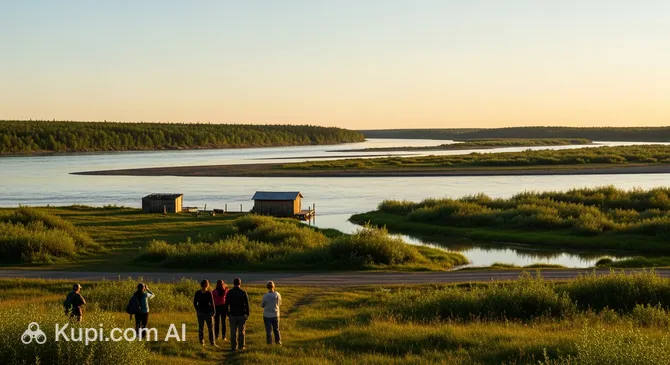
Koyukuk. Source: Kupi.Binoculars

Geographically, this unique community is located in the United States, specifically within the vast expanse of Alaska. With a population of approximately 96 residents, Koyukuk is a tight-knit community where the rhythms of nature dictate daily life. The climate here is typical of the subarctic interior, featuring long, cold winters perfect for viewing the aurora borealis, and short, relatively warm summers that bring the landscape to life.

The village has deep cultural roots. Visitors interested in the past can delve into the history of Koyukuk, which began as a significant trading point and remains a stronghold of Koyukon Athabascan traditions. The local lifestyle is still heavily centered around subsistence activities like fishing and hunting, preserving a heritage that has thrived in this rugged environment for generations.

For those venturing to this secluded destination, the primary allure lies in its pristine environment. The surrounding Koyukuk National Wildlife Refuge is a haven for nature lovers, offering opportunities to spot moose, bears, and migratory waterfowl in their natural habitat. Additionally, the confluence of the two rivers provides excellent opportunities for boating and fishing, allowing travelers to experience the raw power and beauty of Alaska's waterways.

If you are seeking an off-the-beaten-path adventure far from the tourist crowds, Koyukuk welcomes you to experience the serenity and majesty of the Last Frontier.

Weather Overview

Travelers planning a trip to this remote Alaskan village should be prepared for a subarctic climate characterized by significant seasonal contrasts. The weather in Koyukuk dictates the pace of life here, shifting from frigid, snowy winters to surprisingly mild and pleasant summers.

Winter is the dominant season, with January being the coldest month, seeing average temperatures drop to around -20.2°C and minimums reaching -22.8°C. These months are generally dry in terms of total precipitation volume, though snow cover is persistent, requiring heavy thermal gear for any outdoor activities.

Conversely, the summer months offer a welcome respite with much warmer conditions. July is typically the warmest time of year, with average temperatures hovering around 15.8°C and highs occasionally reaching 20.0°C. While rainfall volume remains low throughout the year, August tends to be the dampest month with about 17 wet days, so expect mild summers with occasional rain and very cold winters.

Interesting Facts

Beyond the scenic river views and quiet atmosphere, Koyukuk holds several intriguing details that define its unique character and history.
  • A Historic Communication Hub: Long before modern technology connected the world, this remote village played a crucial role in Alaskan communications. In the late 19th and early 20th centuries, Koyukuk served as a key telegraph station along the Yukon River, helping to relay messages across the vast, frozen territory during the Gold Rush era.

  • The "Ice Highway" Phenomenon: Like many isolated communities in the region, the village is not connected to any road system. However, during the deep freeze of winter, the Yukon and Koyukuk rivers transform into natural ice roads, allowing residents to travel by snowmachine or truck to neighboring villages like Galena and Nulato.

  • A Village on the Move: The community's location at the confluence of two powerful rivers has historically made it susceptible to erosion and ice jams. Because of the dynamic nature of the riverbanks, the village has had to shift its location over time to escape the dangers of spring flooding, demonstrating the resilience of its people.

  • Situated on the Trail: While not always a primary checkpoint, Koyukuk lies directly along the route of the famous Iditarod Trail Sled Dog Race. During even-numbered years when the race follows the "Northern Route," mushers and their dog teams pass right by the village, traveling on the frozen river toward the finish line in Nome.

How to Get There

Reaching the remote village of Koyukuk is an adventure that typically involves connecting through regional Alaskan hubs. Due to its isolated location in the interior, there are no direct roads connecting it to the state's main highway system. Visitors usually arrive by small aircraft or boat during the summer, and by snowmachine or winter trail when the rivers freeze. For a detailed breakdown of routes and logistics, you can read more about how to get to Koyukuk.

While Koyukuk is a small community, it is accessible via aviation facilities in neighboring towns. One of the closest options is Nulato Airport (IATA: NUL), located in the city of Nulato. This facility is situated approximately 25.2 km from Koyukuk. Since there are no connecting roads, the journey from Nulato is typically undertaken by boat along the Yukon River during the open water season, or via snowmachine trails once the river freezes.

Another significant hub in the region is Edward G. Pitka Sr. Airport (IATA: GAL), located in the city of Galena. It is about 39.9 km away from the village. As a regional transport center, it handles a larger volume of passengers and serves as a vital link for the surrounding Yukon-Koyukuk area. Similar to Nulato, access from Galena requires travel by river or winter trail rather than conventional driving.

For clarity, here is a summary of the main airports:

Airport Name City Passenger Traffic Km from City
Unalakleet Airport Unalakleet Regional 186.1
Edward G. Pitka Sr. Airport Galena Regional 39.9
Nulato Airport Nulato Small 25.2
McGrath Airport McGrath Small 238.5
Shungnak Airport Shungnak 224.6

Main Attractions

Since Koyukuk is a small, traditional village with a population of fewer than 100 people, it does not have commercial tourist attractions like museums or theme parks. Instead, the main points of interest here are the spectacular natural landmarks and the opportunities for wilderness exploration that surround the community.

The most significant attraction for visitors is the Koyukuk National Wildlife Refuge. This massive protected area encompasses millions of acres of wetlands and boreal forest, serving as a critical habitat for wildlife. It is particularly famous for its dense population of moose, offering some of the best viewing and hunting opportunities in the state. Birdwatchers also flock here to observe thousands of migratory waterfowl that nest in the lush river lowlands during the summer months.

The geographic heart of the area is the Confluence of the Yukon and Koyukuk Rivers. Standing at the meeting point of these two mighty waterways is a powerful experience, offering breathtaking views of the water stretching into the horizon. In the summer, this area is a hub for boating and fishing, where anglers can try their luck catching sheefish, northern pike, and salmon, which remain a staple of the local subsistence lifestyle.

During the long winter months, the village becomes a prime location for viewing the Northern Lights (Aurora Borealis). Because of its remote interior location far from city light pollution, the skies over Koyukuk are exceptionally dark and clear. On active nights, visitors can witness vivid displays of green and purple dancing overhead, a bucket-list experience that defines the magic of the Alaskan winter.

Local Cuisine

The local cuisine in Koyukuk is defined entirely by the subsistence lifestyle of its residents, offering a culinary experience that is as authentic as it is wild. There are no commercial restaurants, cafes, or supermarkets in this small village. Instead, the food culture revolves around the seasons, with families harvesting their meals directly from the surrounding wilderness. For visitors, this means the "menu" features organic, wild-caught ingredients prepared using traditional Athabascan methods passed down through generations.

Fish is the cornerstone of the local diet, with the Yukon and Koyukuk rivers providing an abundance of high-quality protein. Salmon is the most critical resource, often prepared as smoked strips or dried fish to last through the long winter. Another regional specialty worth asking about is Sheefish (Inconnu). Often called the "tarpon of the North," this large whitefish has a rich, flaky texture and is considered a delicacy, whether grilled fresh or preserved.

On the land, moose meat is a primary staple. It is frequently prepared as a hearty moose soup or stew, often thickened with potatoes and onions, providing essential warmth and nutrition during the cold months. To complement these savory dishes, locals harvest wild berries such as blueberries, cranberries, and cloudberries in late summer. These are eaten fresh, frozen for winter, or mixed with fats and sugar to create a traditional dessert similar to what is known elsewhere in Alaska as Akutaq.

Regarding beverages, travelers should not expect bars or nightlife. The village is focused on community and family, and alcohol is typically not sold within the settlement. The most common drink is hot coffee or tea, which is always brewing in local homes to welcome guests and combat the chill. Because there are no dining establishments, tourists planning a visit must be self-sufficient and bring their own provisions, though lucky visitors might be invited to a community potlatch to share in the bounty of the land.

Travel Tips

Visiting a remote community like Koyukuk requires significantly more preparation than a typical tourist destination, as self-sufficiency is key to a safe and enjoyable experience. These practical tips will help you navigate the unique challenges of the Alaskan interior while respecting the local way of life.

  1. Clothing and Gear: The climate dictates your wardrobe entirely. In winter, extreme cold-weather gear is non-negotiable; bring a heavy down parka, insulated snow pants, and boots rated for at least -40°C. In summer, dress in layers to adapt to fluctuating temperatures, and never forget high-quality rain gear. A head net and strong insect repellent are essential during warmer months to protect against the intense swarms of mosquitoes found near the river.
  2. Transportation: There is no public transit, taxi service, or car rental agency in Koyukuk. The village is small enough to navigate entirely on foot. For travel outside the immediate settlement, locals rely on boats in the summer and snowmachines (snowmobiles) in the winter. If you need to travel along the river, you must arrange this in advance with a local guide or charter, as there are no scheduled commercial ferries.
  3. Finances: You must bring sufficient cash in US Dollars before arriving. There are no ATMs, banks, or currency exchange counters in the village. While a local trading post or general store might exist, reliance on credit cards is risky due to potential connectivity issues. Budget for high costs if you are purchasing supplies locally, as freight charges make goods significantly more expensive than in urban areas.
  4. Health and Safety: There is no hospital or 24/7 pharmacy in Koyukuk; medical care is typically limited to a local clinic with basic services. You must bring a complete personal first-aid kit and an ample supply of any prescription medications. Be aware of wildlife safety; you are in bear and moose country, so carry bear spray and know how to use it. Medevac insurance is highly recommended in case of a serious emergency requiring air transport.
  5. Communication: English is the primary language spoken by residents. Mobile phone coverage can be extremely limited or non-existent depending on your carrier; generally, only specific regional providers offer reliable service in rural Alaska. Do not expect public Wi-Fi. It is advisable to bring a satellite communication device (like inReach or a satellite phone) if you plan to venture into the surrounding wilderness.
  6. Local Etiquette: The community is tight-knit and values privacy. Always ask for permission before photographing residents, their homes, or their equipment (such as boats, fish racks, and sleds). Greeting people with a friendly nod or "hello" is common courtesy. Respect the subsistence lifestyle; never interfere with fishing nets, traps, or woodpiles, as these are vital for the residents' survival.
  7. What to Avoid: Do not wander onto private property or enter buildings without an invitation, even if they look unoccupied. Additionally, avoid bringing alcohol or drugs into the village without verifying local laws first; many rural Alaskan communities have strict "damp" or "dry" statuses prohibiting the sale or possession of alcohol.
  8. Supply Planning: Since there are no restaurants or hotels, you should plan to be largely self-sufficient regarding food and lodging unless you have made specific prior arrangements with a host. Bring non-perishable food items and be prepared to pack out all your trash to keep the environment pristine.

By planning ahead and packing the right gear, you ensure that your visit to Koyukuk is memorable for the right reasons. Respecting the isolation and the land allows you to truly appreciate the quiet beauty and resilience of this remarkable Alaskan community.

Entertainment & Nightlife

Travelers arriving in Koyukuk expecting a vibrant urban nightlife scene with neon lights, pulsing clubs, and cocktail bars will find themselves in a completely different world. As a small, remote village with a population of fewer than 100 people, there are no commercial nightlife venues such as nightclubs, bars, or discos. The village is a quiet, traditional community where the evenings are defined by the rhythms of nature and family life rather than commercial entertainment.

The "nightlife" here is dictated by the seasons. During the long winter months, the primary evening entertainment is looking up. With zero light pollution, the banks of the Yukon River transform into a world-class venue for viewing the Aurora Borealis. Visitors often spend their nights bundled up in thermal gear, watching the green and purple lights dance across the sky. This is a silent, awe-inspiring experience that replaces the noise of a city night out.

In the summer, the concept of "night" disappears entirely due to the Midnight Sun. Under the 24-hour daylight, evening activities blend seamlessly into the day. Locals and visitors alike might be found fishing or boating on the Koyukuk River well past midnight. The atmosphere is peaceful and industrious, with the sun hovering above the horizon, allowing for outdoor adventures at 2:00 AM without the need for a flashlight.

Social life in the village revolves around community gatherings rather than commercial establishments. The Community Hall is often the heart of social interaction, where events like potlatches (traditional feasts), tribal meetings, and highly popular Bingo nights take place. These events are the closest thing to a "night out" in rural Alaska, offering a warm, welcoming atmosphere where the entire village comes together to share food, stories, and news. Note that Koyukuk is typically a "dry" or "damp" community, meaning the sale of alcohol is prohibited or restricted, so you will not find pubs or liquor stores.

For daytime entertainment, the focus remains on the outdoors and culture. There are no movie theaters or amusement parks. Instead, visitors spend their days exploring the surrounding wilderness, observing wildlife, or walking along the river bluffs. Cultural exchange happens informally; engaging with locals to learn about Athabascan traditions, beadwork, or sled dog mushing serves as the primary form of cultural enrichment.

Safety at night in Koyukuk is less about avoiding crime and more about respecting the environment. The village is generally very safe for walking, but the real danger lies in the wildlife and the elements. Bears and moose frequently wander through the settlement, especially near the riverbanks and food sources. Always carry a flashlight (in winter) and bear spray, and stay alert. There are no taxis or ride-sharing services; the village is small enough to walk everywhere, but during extreme cold, ensure you are dressed appropriately to prevent frostbite even on short walks.

Parks & Museums

In the tiny, remote village of Koyukuk, visitors will not find manicured city parks, botanical gardens, or ticketed museums. Instead, the entire region serves as a vast, open-air sanctuary where the "parks" are millions of acres of untouched wilderness and the "museums" are the living traditions of the local Athabascan people. The cultural and natural heritage here is not enclosed within walls or fences but is etched into the landscape and the daily lives of the residents.

The most significant natural area is undoubtedly the Koyukuk National Wildlife Refuge. Surrounding the village, this massive expanse of wetlands, boreal forests, and river lowlands functions as a world-class nature reserve. Unlike a typical urban park, there are no paved paths or picnic benches; instead, it offers raw, unscripted encounters with nature. It is a prime destination for observing moose in their natural habitat and acts as a critical breeding ground for migratory waterfowl. For the adventurous traveler, this is a place to experience the true silence and scale of the Alaskan interior.

Another key natural feature that serves as a recreational hub is the Confluence of the Yukon and Koyukuk Rivers. While not a designated "park," the riverbanks here are the center of outdoor life for the community. In summer, the gravel bars and shorelines provide a scenic setting for boaters and anglers to rest and take in the panoramic views of the water. The dynamic landscape, shaped by the powerful flow of two major rivers, offers a dramatic backdrop that changes with the seasons, from the rushing waters of the breakup in spring to the frozen ice highways of winter.

Regarding cultural institutions, there are no formal museums or art galleries in Koyukuk. However, the village is rich in history as a former Telegraph Station site. Established during the Gold Rush era to facilitate communication across the frozen north, the location holds historical importance as a link between the outside world and the mining camps. While the original infrastructure may have faded, the site represents a pivotal chapter in the development of the Alaskan frontier, connecting the modern village to its settler past.

The true cultural experience here is found in the Living Heritage of the Koyukon Athabascan People. Rather than viewing artifacts behind glass, visitors witness culture in action through subsistence activities like fish drying, beadwork, and sled building. The community's way of life has remained resilient for generations, and respectful interaction with locals often provides deeper insights into the region's history and values than any guidebook could offer. The village atmosphere itself acts as a gallery of survival and tradition in one of the harshest environments on Earth.

For an authentic experience, keep an eye out for the local cemetery or grave sites, often located on higher ground near the village. In many Athabascan communities, these sites are cared for with great respect and sometimes feature "spirit houses" or unique markers that blend indigenous and Christian beliefs. Always observe from a respectful distance, as these are sacred grounds for the families who live here.

Getting Around

Travelers visiting Koyukuk should be aware that this is a small, remote village with a population of fewer than 100 residents, and as such, it does not possess a public transport system. There are no buses, trams, subways, or fixed-route transit services operating within the settlement. The infrastructure is minimal, and the village is compact enough that most destinations within the community are easily accessible on foot.

Because there is no formal public transportation network, there is no need to worry about purchasing tickets, travel cards, or navigating complex payment apps. The concepts of travel zones, validation machines, and operating schedules do not apply here. Movement around the village is informal and dictated by personal necessity rather than a municipal timetable.

For getting around locally, walking is the most reliable and common option for visitors. The distances between the airstrip, the riverbank, and local homes are short. However, tourists should be prepared for unpaved paths that can be muddy in the summer or covered in deep snow during the winter. Sturdy, waterproof footwear is essential for navigating the village terrain comfortably.

While there are no commercial taxi services, ride-sharing apps, or car rental agencies, you will see locals using specific vehicles adapted to the rugged environment. In the summer months, ATVs (All-Terrain Vehicles) and four-wheelers are the standard mode of motorized transport for hauling supplies and people. In the winter, these are replaced by snowmachines (snowmobiles), which are crucial for traveling over snow-packed trails and the frozen river.

A unique feature of transport in this region is the use of the river itself as a primary thoroughfare. During the open-water season, boats are the main vehicles for travel outside the immediate village area. In the depths of winter, the frozen river surfaces often serve as ice highways. Visitors relying on these forms of transport typically do so through private arrangements with local guides or residents, as there are no scheduled public ferries or water taxis.

Accommodation

Finding accommodation in Koyukuk requires a significant adjustment in expectations for the average traveler. As a small, remote village with a population of fewer than 100 people, there is no commercial lodging industry. You will not find hotels, motels, bed and breakfasts, or hostels here, nor are there any properties listed on major online booking platforms. The infrastructure is designed solely for residents, not for tourism.

For those determined to visit, accommodation options are strictly limited to informal arrangements. Visitors typically fall into two categories: those on official business (such as government workers or educators) and independent travelers. Official visitors are often housed in designated facilities within the school or clinic, which are not open to the general public. For tourists, the only viable option is usually a homestay or sleeping space arranged through the local tribal or city council. In the summer months, self-sufficient travelers may choose to camp, but this requires bringing all necessary gear and obtaining permission from landowners.

Since there are no designated tourist zones, the "best area" to stay is simply wherever you can find a warm roof. The village is compact, meaning any accommodation will be within walking distance of the airstrip and the river. Staying within the main settlement is crucial for safety, especially in winter, to remain close to communication and help if needed.

Booking Tip: You cannot simply show up in Koyukuk and expect to find a room. It is essential to contact the Koyukuk Tribal Council or the City Office by phone weeks or even months in advance to inquire about lodging availability. If you arrive without a plan, you risk being stranded without shelter in a harsh environment.

Regarding costs, because there is no standard market, prices are not fixed. If a homestay or council lodging is arranged, payment is typically expected in cash, as credit card facilities are non-existent for such transactions. Rates can vary significantly, so it is polite to agree on a price during your initial phone correspondence. Be prepared to pay a premium for the scarcity of resources, even for basic amenities.

Nearby Cities

Koyukuk is situated in a vast, sparsely populated region where "neighboring" communities are separated by miles of wilderness rather than fences. While there are no roads connecting these settlements, they form a network of regional hubs and villages that travelers might encounter as part of a broader exploration of Western and Interior Alaska. Visiting these locations typically requires air travel or winter overland expeditions, as they are not accessible via a standard highway drive.

City Population Distance (km)
Selawik 830 219
Unalakleet 700 187
Noorvik 700 266
Stebbins 600 269
Buckland 550 200

One of the most prominent destinations in the wider region is Unalakleet, located on the coast of Norton Sound. Famous for its role as a major checkpoint on the Iditarod Trail, this community offers a vibrant mix of Inupiat and Yup'ik cultures. Travelers exploring this part of Alaska often seek out Unalakleet for its exceptional fishing opportunities in the local river, particularly for salmon and arctic char, as well as its stunning coastal sunsets.

For nature enthusiasts, Selawik presents a unique opportunity to experience the deep Alaskan wilderness. Situated near the Selawik National Wildlife Refuge, the village is a prime spot for observing migratory waterfowl and the Western Arctic Caribou Herd. It is also known for its distinct village layout, often described as the "Venice of Northwest Alaska" due to its boardwalks and bridges connecting different parts of the community across the river.

These regional neighbors offer a glimpse into the diverse culture and landscapes that define this remote part of the continent.

Shopping & Souvenirs

General Overview: Visitors arriving in Koyukuk should adjust their expectations significantly regarding shopping. As a remote subsistence village with a population of fewer than 100 people, there is no commercial shopping scene in the traditional sense. You will not find boutiques, souvenir shops, or fashion outlets here. Shopping in this community is strictly utilitarian, focused on providing basic sustenance and essential supplies for residents who live off the land. For tourists, "shopping" usually means picking up a forgotten necessity rather than browsing for leisure.

Main Shopping Areas/Streets: There are no shopping districts or high streets in the village. The commercial activity, if any, is typically concentrated in a single location: the local General Store or trading post. This small facility serves as the lifeline for the community, stocking a limited range of non-perishable foods, hardware, fuel, and basic household goods. It is often located near the center of the village or the airstrip, acting as a gathering point as much as a place of business.

Shopping Malls: It is important to be clear that there are no shopping malls, department stores, or large retail complexes in Koyukuk. The infrastructure required to support such facilities does not exist in this part of the Alaskan interior. Travelers needing specialized gear, electronics, or extensive clothing options must purchase these items in larger cities like Fairbanks or Anchorage before flying into the village.

Markets: Koyukuk does not host formal flea markets, farmers' markets, or food bazaars. The local economy is based on subsistence—hunting, fishing, and gathering—rather than the commercial exchange of produce. Occasionally, during community gatherings or festivals, there may be informal opportunities to trade or buy goods, but these are sporadic and not organized for tourists.

Souvenirs: While there are no dedicated gift shops, visitors have a unique opportunity to purchase authentic, high-quality handicrafts directly from local artisans. The residents of Koyukuk are known for their skill in traditional Athabascan arts. If you ask around respectfully, you may find locals selling exquisite hand-sewn items such as beaded gloves, moose-hide moccasins, or fur-lined winter gear. These items are not mass-produced; they are functional works of art made to withstand the harsh environment, making them incredibly meaningful keepsakes.

Opening Hours and Payment: The village store, if operational, typically maintains limited and sometimes irregular hours, often closing for a lunch break or closing early on weekends. Cash is the only reliable form of payment. Credit card processing requires internet connectivity, which can be spotty or non-existent. Furthermore, visitors should be prepared for "bush prices"—due to the high cost of air freight, everyday items can cost significantly more than they do in urban areas.

Tax-Free: The state of Alaska does not have a statewide sales tax, which is a benefit for shoppers generally. However, given the lack of formal retail infrastructure and the small scale of local commerce in Koyukuk, there are no tax refund desks or "tax-free shopping" schemes available for tourists. The price you see (or negotiate for crafts) is the price you pay.

Reached the end of the page?

That means the route is fully explored