Support

Selawik

About

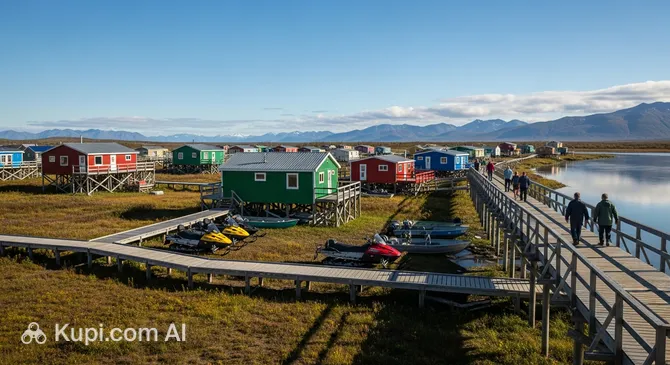
Welcome to Selawik, a captivating village located in the Northwest Arctic Borough of Alaska. Known for its intricate system of wooden boardwalks that connect homes and buildings over the permafrost and waterways, this unique settlement is sometimes affectionately referred to as the "Venice of Northwest Alaska." It offers travelers a rare glimpse into the authentic lifestyle of the rural North, far removed from the hustle and bustle of major cities.

Selawik. Source: Kupi.Binoculars

Situated at the mouth of the Selawik River where it empties into Selawik Lake, the village lies just north of the Arctic Circle. Although it is part of the United States, the atmosphere here is distinctly Arctic, characterized by vast tundra landscapes and a close-knit community of approximately 830 residents. The local climate is subarctic, meaning long, cold winters perfect for viewing the Northern Lights, and short, cool summers that bring the landscape to life.

The cultural heritage of the area is profound, with a lifestyle that revolves around subsistence activities like fishing and hunting. To truly appreciate the resilience and traditions of the local Inupiat people, visitors are encouraged to learn about the history of Selawik. The village is also renowned as the "Sheefish Capital of the World," attracting anglers eager to catch this prized fish.

Nature enthusiasts will find themselves on the doorstep of the Selawik National Wildlife Refuge, a massive sanctuary that provides habitat for migratory birds, caribou, and other wildlife. Whether you are interested in birdwatching, experiencing Inupiat culture, or simply witnessing the raw beauty of the Alaskan wilderness, Selawik invites you to experience a truly unforgettable adventure.

Weather Overview

Travelers planning a visit to this Arctic community should be prepared for distinct seasonal contrasts. The weather in Selawik is defined by long, freezing winters and short, relatively mild summers. January is typically the coldest month, with average temperatures hovering around -21.0°C and minimums often dropping to -23.6°C, requiring heavy winter gear for any outdoor activity.

By contrast, the summer months offer a much gentler climate suitable for exploring the refuge. July is usually the warmest time of year, featuring an average temperature of 15.0°C and highs reaching up to 18.6°C. While the actual volume of precipitation is quite low year-round—ranging from 1mm to 3mm monthly—visitors can expect mild summers with frequent damp days and very cold, generally dry winters.

Interesting Facts

Beyond the scenic waterways and wooden walkways, Selawik holds distinct geographical and natural features that surprise many visitors. This remote community offers more than just a glimpse of Arctic life; it is a gateway to rare phenomena and unique local adaptations.

  • A Village on Three Banks: The settlement is not built on a single continuous piece of land but is actually spread across three separate banks of the river and a central island. This unique geography is the primary reason for the extensive network of bridges and boardwalks that knit the community together, rather than just aesthetic preference.

  • Hidden Hot Springs: Deep within the surrounding wilderness, located upstream on the Selawik River, lie natural geothermal springs. These thermal pools serve as a surprising geological anomaly in the midst of the frozen tundra and have traditionally been a destination for locals seeking warmth and healing.

  • The "Tarpon of the North": While the village is known for its fishing, few realize the sheer physical power of the local catch. The sheefish found here are predatory giants of the whitefish family, often weighing over 20 kilograms (44 pounds) and known for their acrobatic leaps when hooked, earning them a legendary comparison to tropical tarpon.

  • Migration Superhighway: The area sits directly in the path of the Western Arctic Caribou Herd, one of the largest herds in North America. During migration seasons, the surrounding silence can be broken by the movement of hundreds of thousands of caribou, a massive natural spectacle that has sustained the local Inupiat culture for millennia.

How to Get There

Reaching this remote community in the Northwest Arctic Borough requires some planning, as the village is not connected to the state's road system. Most visitors arrive by air, connecting through regional hubs. For a detailed breakdown of routes and logistics, you can read more about how to get to Selawik and prepare for your journey into the Alaskan bush.

The primary gateway for travelers is Ralph Wien Memorial Airport (IATA: OTZ), located in the city of Kotzebue. It is approximately 118 km from Selawik. As the main regional hub, it handles a significant volume of passenger traffic and serves as the transfer point for flights heading to smaller villages. Since there are no roads between Kotzebue and Selawik, the final leg of the journey is typically completed via a short commuter flight rather than by ground transport.

Another facility in the wider region is the Edward G. Pitka Sr. Airport (IATA: GAL), situated in Galena, roughly 252 km away. While it is a key airport for the interior, it is significantly further than Kotzebue and less commonly used for reaching Selawik directly. Travelers should be aware that due to the vast distances and lack of highway infrastructure, travel times are dictated by flight schedules rather than driving distance.

For clarity, here is a summary of the main airports in the region:

Airport Name City Passenger Traffic Km from City
Ralph Wien Memorial Airport Kotzebue Medium 118.3
Edward G. Pitka Sr. Airport Galena Small 251.6
Nulato Airport Nulato Small 227.4
Shungnak Airport Shungnak Small 129.9

Selawik does not have a railway station, and there are no rail lines extending into this part of Alaska. The rugged terrain and permafrost conditions make train travel impossible in the Northwest Arctic region. Visitors rely almost exclusively on air travel, although in winter, local travel is sometimes conducted via snowmachine trails, and in summer, boats are used on the river system.

Main Attractions

In Selawik, the primary allure lies not in man-made monuments but in the breathtaking expanse of the Arctic wilderness and the unique cultural landscape of the village itself. Visitors traveling to this remote destination are typically seeking a connection with nature, world-class fishing, and an authentic insight into Inupiat traditions. Here are the main highlights to experience during your stay.

Selawik National Wildlife Refuge is undoubtedly the crown jewel of the region. Spanning over two million acres, this vast sanctuary sits on the Arctic Circle and offers unparalleled opportunities for wildlife viewing. It is a critical habitat for the Western Arctic Caribou Herd and serves as a breeding ground for countless migratory birds. For nature photographers and birdwatchers, the refuge provides a pristine backdrop to observe species in their natural environment, far removed from human development.

The Selawik River serves as the lifeblood of the community and is a major draw for anglers. Known as the "Sheefish Capital of the World," the river teems with these large, predatory whitefish, which are prized for their fight and size. During the summer months, the river is perfect for boating and fishing excursions, while winter transforms it into a frozen highway for snowmachines and ice fishing, offering a year-round playground for outdoor enthusiasts.

A tour of the Village Boardwalks offers a distinct cultural experience. Because the village rests on permafrost and wetlands, an intricate system of wooden walkways connects the homes and buildings, earning Selawik the nickname "Venice of Northwest Alaska." Strolling along these bridges provides a unique perspective on local architecture and daily life, allowing visitors to appreciate the ingenuity required to thrive in such a challenging environment.

For those willing to venture further afield, the Selawik Hot Springs are a hidden natural wonder located upstream from the village. Nestled within the wilderness, these geothermal springs have traditionally been used by locals for warmth and healing. Reaching them requires a boat or snowmachine trip depending on the season, making it a rewarding adventure for travelers looking to experience the raw, untouched beauty of the Alaskan interior.

Local Cuisine

The culinary landscape of Selawik is defined not by five-star restaurants or bustling food markets, but by the rhythm of the seasons and the bounty of the surrounding wilderness. In this remote Inupiat community, the local cuisine is strictly subsistence-based, meaning the food on the table is almost exclusively harvested from the land and river. For visitors, this offers a rare opportunity to learn about a diet that has sustained the indigenous population for thousands of years, characterized by wild-caught fish, game meat, and organic berries.

Given the village's reputation as the "Sheefish Capital of the World," it is no surprise that fish is the staple of the local diet. Sheefish (Inconnu) is prepared in a variety of ways depending on the season. You might try it dried and smoked, known as paniqtuq, which preserves the fish for long winters. Another traditional delicacy is quaq—fish or meat that is eaten raw and frozen, often dipped in seal oil. This method is cherished for providing quick energy and warmth in the subarctic climate.

Beyond the river, the tundra provides essential ingredients. Caribou is the primary source of red meat, often served in hearty stews or roasted to feed large families. For dessert, the most iconic dish is Akutaq, commonly known as "Eskimo Ice Cream." Unlike dairy-based ice cream, this traditional treat is made by whipping animal fat (or vegetable shortening in modern times) with snow, sugar, and an abundance of locally picked berries such as cloudberries (salmonberries) or blueberries.

Travelers should be aware that there are no standard restaurants, cafes, or bars in Selawik. The dining culture revolves around the home and community gatherings. Visitors are typically expected to bring their own provisions or arrange meals through their lodging hosts. As for beverages, hot tea and coffee are the drinks of choice to combat the cold. It is also important to note that the sale and importation of alcohol are often heavily restricted or banned in many rural Alaskan villages, so tourists should respect local laws and not expect to find alcohol for sale.

Travel Tips

Visiting Selawik is a unique experience that requires significantly more preparation than a standard tourist destination, as you are entering a remote community deeply connected to the Arctic wilderness. To ensure your trip to this "Venice of Northwest Alaska" is safe, respectful, and enjoyable, here are some essential practical tips to guide your planning.

  1. Clothing and Gear: The key to survival and comfort here is layering. In winter, you need high-quality thermal underwear, a heavy down parka, windproof outer layers, and rated insulated boots (often called "bunny boots" locally). In summer, temperatures are mild, but the tundra is wet; bring waterproof hiking boots and rain gear. Crucially, if visiting in summer (June–August), you must pack a mosquito head net and high-strength insect repellent, as the swarms can be intense in the wetlands.

  2. Transportation: Forget about subways, buses, or car rentals. Selawik is a village of boardwalks, rivers, and trails. Within the village, the primary mode of transport is walking on the elevated wooden bridges. Locals use ATVs (four-wheelers) in the summer and snowmachines (snowmobiles) in the winter. If you need to travel further or haul gear, you may be able to arrange a ride with a local, but there are no official taxi services or ride-hailing apps.

  3. Finances: The local currency is the US Dollar (USD). While there may be a small general store that accepts credit cards, systems can go down due to poor connectivity. It is absolutely vital to bring enough cash to cover your entire stay, including food, lodging, and incidental purchases. There are no banks, and relying on a single ATM (if functioning) is risky in such a remote location.

  4. Health and Safety: Medical facilities are limited to a local clinic staffed by health aides; there is no hospital or pharmacy. Bring a full supply of any prescription medications you need, plus a basic first-aid kit. For serious emergencies, patients must be flown to Kotzebue or Anchorage, so travel insurance that covers medical evacuation is highly recommended. Be "bear aware" if you step off the boardwalks into the brush, as wildlife frequently passes near the village.

  5. Communication: English is the primary language spoken by everyone, though you will hear locals speaking Inupiaq, especially elders. Cell phone coverage can be spotty and is often limited to specific carriers like GCI (General Communication Inc.); major national carriers may not have service here. Wi-Fi is rare and slow, so download offline maps and entertainment before you arrive.

  6. Local Etiquette: The community is tight-knit and values respect, particularly towards elders. Always ask for permission before taking photographs of people, their homes, or their drying racks of fish and meat. Subsistence is a way of life, not a tourist exhibit. It is also customary to remove your shoes when entering a home or certain public buildings to keep the mud and snow outside.

  7. What to Avoid: Do not bring alcohol or drugs into the village without strictly verifying the current local laws. Many rural Alaskan villages are "dry" (possession is illegal) or "damp" (sale is illegal, possession limited). violating these laws is a serious offense and is culturally insensitive. Also, avoid walking on the boardwalks in a way that blocks local traffic; step aside for ATVs and snowmachines.

  8. Food and Supplies: Since there are no restaurants, you should plan your meals in advance. The local store has limited stock and high prices due to freight costs. A smart "life hack" is to pack durable snacks, dehydrated meals, or fresh produce from Anchorage or Kotzebue before boarding your final flight to Selawik.

By packing the right gear and approaching the community with an open heart and respect for their traditions, you will find Selawik to be a welcoming and unforgettable destination. Embrace the slower pace of life, listen to the stories of the locals, and enjoy the pristine beauty of the Arctic.

Entertainment & Nightlife

Travelers arriving in Selawik expecting a traditional urban nightlife scene will find themselves in a vastly different, yet equally compelling, environment. There are no nightclubs, bars, pubs, or late-night discos in this remote Arctic village. Furthermore, visitors must be aware that Selawik, like many Native villages in Alaska, typically adheres to strict local option laws regarding alcohol. It is often a "dry" community where the sale of alcohol is banned, and possession may be restricted. Consequently, the evening atmosphere is quiet, peaceful, and centered around nature and the home rather than commercial entertainment.

The true "nightlife" in Selawik takes place overhead. Situated just north of the Arctic Circle, the village offers front-row seats to one of the most spectacular natural phenomena on Earth: the Aurora Borealis. On clear, dark winter nights, the sky comes alive with dancing ribbons of green, violet, and red light. With zero light pollution from skyscrapers or highways, the visibility is unmatched. The best time to witness this display is between 10:00 PM and 2:00 AM during the winter months. The only "dress code" required is extreme warmth—heavy parkas, insulated pants, and rated winter boots are mandatory for standing still in sub-zero temperatures.

Social entertainment in the village is community-driven and deeply welcoming. The hub of activity is often the local school gymnasium, which serves as the premier venue for gatherings. In rural Alaska, basketball is more than just a sport; it is a major social event. If you are visiting during the season, attending a local game is the best way to mingle with residents and experience the village's vibrant spirit. Other evening activities might include community bingo nights, traditional Inupiat dancing, or storytelling sessions where elders share history and legends, though these events occur on a local schedule rather than fixed tourist hours.

When navigating the village at night, safety precautions are primarily environmental. The intricate system of wooden boardwalks that connects the village can be slippery with ice or snow, so sturdy footwear with good traction is essential. Lighting can be sparse in some areas, so carrying a high-quality flashlight or headlamp is highly recommended. While crime is not a major concern for visitors, wildlife is; bears and moose can venture close to the village, so it is wise to stay on the main boardwalks and maintain situational awareness.

During the day, entertainment remains low-key and outdoors. There are no movie theaters or amusement parks; instead, the Selawik National Wildlife Refuge offers endless opportunities for birdwatching, photography, and hiking across the tundra. Visitors can also observe or participate in subsistence activities like ice fishing on the river, which provides a fascinating look into the daily life and survival skills of the local population. For a successful trip, pack your own entertainment—books, cards, or hobbies—and embrace the rare opportunity to disconnect from the noise of the modern world.

Parks & Museums

In Selawik, the concept of a "park" expands to encompass millions of acres of untouched wilderness, while "museums" are found not in glass display cases, but in the living traditions and daily activities of the Inupiat people. Visitors here should not expect manicured gardens or ticketed galleries; instead, they will find themselves immersed in a raw, authentic Arctic landscape where nature and culture are inextricably linked.

Selawik National Wildlife Refuge serves as the region's ultimate natural sanctuary, effectively acting as a massive national park that surrounds the village. Straddling the Arctic Circle, this 2.15-million-acre refuge is a unique transition zone where the boreal forests of the interior give way to the open Arctic tundra. It is a world-class destination for wildlife observation, providing critical habitat for the massive Western Arctic Caribou Herd and serving as a nesting ground for hundreds of thousands of migratory birds. For visitors, the refuge offers boundless opportunities for hiking, photography, and observing the rhythms of the natural world in complete solitude.

The Selawik River is the lifeblood of the community and a stunning natural feature in its own right. Designated as a Wild and Scenic River, it functions as the village's main "green space" and highway combined. In summer, the riverbanks are lush and teeming with activity as locals fish for the legendary sheefish, while the waterways provide a scenic route for boating and birdwatching. The river delta, with its complex maze of wetlands and lakes, offers a picturesque setting that defines the geography of the settlement and provides a direct connection to the subsistence lifestyle.

For the truly adventurous, the Selawik Hot Springs offer a remarkable natural attraction located deep in the wilderness, upstream from the village. Accessible primarily in winter by snowmachine (a journey of about 50 miles), these geothermal springs are a hidden oasis in the frozen landscape. Rustic cabins and a bathhouse maintained by regional organizations allow visitors to soak in the healing thermal waters while surrounded by snow-covered spruce trees, a stark and beautiful contrast to the sub-zero air temperatures.

While there are no formal museums within the village itself, Selawik acts as a "living museum" of Inupiat culture. The entire settlement displays the ingenuity required to survive in the Arctic. A walk along the extensive wooden boardwalk system reveals traditional racks drying fish and caribou meat, sleds prepared for winter travel, and boats ready for the river. The history and culture here are preserved through oral storytelling and the continued practice of subsistence hunting and gathering, rather than through static exhibits.

Travelers interested in the scientific and historical context of the area should visit the Selawik National Wildlife Refuge Visitor Center located in nearby Kotzebue before flying into the village. This facility serves as the educational headquarters for the region, offering interpretive displays, maps, and information about the local ecosystem and the cultural history of the Inupiat people. It provides the essential background knowledge that makes a subsequent visit to Selawik even more meaningful.

For a glimpse into the community's heart, the local School Gymnasium often doubles as a cultural center during special events. It is here that the village gathers for feasts, traditional dances, and basketball tournaments. While not a museum, it is the best place to witness the vibrant, living culture of the community. Visitors are often welcomed to these gatherings, offering a rare chance to see traditional regalia and hear the songs that have echoed across the tundra for generations.

Insider Tip: If you plan to visit the Hot Springs, do not attempt the journey alone. The trail is unmarked and crosses rugged wilderness; it is best to hire a local guide who knows the route and the ice conditions on the river. Also, always ask for permission before photographing anyone's catch or drying racks, as these are vital food sources and private property.
Getting Around

Visitors arriving in Selawik will quickly realize that the public transport system here is unlike anything found in a standard city. There are no buses, trams, metros, or trains operating within the village. Due to the small size of the community and its unique location on permafrost and wetlands, the local infrastructure is not designed for conventional road vehicles. Instead, the primary "transit network" consists of an intricate system of elevated wooden boardwalks that connect homes, the school, the store, and the airport. For the vast majority of travelers, walking is the main and most effective way to navigate the settlement.

Because there is no formal public transportation, there is no ticketing system, and concepts like travel passes, transport apps, or zone maps do not apply. You will not find ticket machines or validators anywhere in the village. Any motorized transport that exists is privately owned. If you are lucky enough to arrange a ride with a local resident to haul gear or travel a longer distance, the transaction would be informal. In such rare cases, cash is the only viable currency, as digital payment methods and credit cards are not used for local transport services.

For practical navigation, tourists should treat the boardwalks as the village's streets. While there are no operating hours for these walkways, there is a specific etiquette to follow. The boardwalks are shared by pedestrians and motorized All-Terrain Vehicles (ATVs or "four-wheelers") in the summer, and snowmachines in the winter. When you hear an engine approaching, it is standard practice to step to the side or onto a designated pull-out area to let the vehicle pass. Be cautious in wet or icy weather, as the wood can become extremely slippery; wearing footwear with excellent traction is essential for safety.

Alternatives such as taxis, ride-sharing apps like Uber, or car rental agencies are non-existent in Selawik. There are no roads connecting the village to the outside world, so bringing a vehicle is impossible, and renting one locally is not an option. Bicycle rentals are also unavailable, although you may see local children riding bikes on the boardwalks. In the winter months, the frozen river and tundra turn into a highway for snowmachines, which function as the primary personal vehicles for residents, while boats serve a similar purpose during the ice-free summer season.

The most distinctive feature of local transport is undoubtedly the boardwalk system itself, which has earned the village the nickname "Venice of Northwest Alaska." These wooden bridges are not just functional paths but feats of engineering designed to float above the shifting permafrost and waterways. Walking along them offers a unique perspective on the village layout, allowing you to cross between the different banks of the river and the central island without ever touching the ground, a necessity in this subarctic wetland environment.

Accommodation

Finding accommodation in Selawik requires a shift in expectations for the average traveler. As a small, remote Inupiat village with no road access to the outside world, there are no commercial hotel chains, luxury resorts, or standard hostels available. The tourism infrastructure is minimal, and lodging options are extremely limited, often catering more to visiting officials, contractors, or education staff than to leisure tourists.

The "range" of accommodation is typically restricted to small, locally run bed-and-breakfast style lodgings or informal arrangements. For many visitors, particularly those arriving in groups or for educational purposes, arrangements are sometimes made to stay at the local school, often requiring guests to bring their own sleeping bags and sleep in the gymnasium. Independent travelers usually need to rely on homestays or small, unadvertised rental units managed by local residents.

In terms of location, the village is compact and connected entirely by wooden boardwalks. There is no "tourist district." Any accommodation you secure will be within walking distance of the airstrip, the general store, and the river. Staying anywhere in the main village area places you right in the heart of the community, offering immediate access to the boardwalk system that functions as the town's streets.

Booking Tip: You cannot simply arrive in Selawik and expect to find a room. It is absolutely critical to secure accommodation well before you board your flight. Since these lodgings are not listed on major travel websites, you must arrange your stay directly. The best approach is to contact the City of Selawik Office or the Native Village of Selawik tribal council by phone in advance; they can provide a list of current lodging hosts or assist in making arrangements.

Regarding costs and payment, travelers should be prepared for higher prices than one might expect for the level of amenities provided. The cost of living in rural Alaska is high due to freight charges, and this is reflected in lodging rates. Prices are generally in the "mid-range" to expensive category relative to the simple facilities offered. Payment is often conducted in cash or by check upon arrival, as credit card processing may not be available. Always confirm the payment method when you make your reservation.

Nearby Cities

For those looking to explore the surroundings, Selawik serves as an excellent base for day trips to several interesting nearby locations:

Kotzebue is the primary regional hub and offers the most developed amenities for visitors. Located just a short flight away, it is home to the Northwest Arctic Heritage Center, a must-visit facility for anyone interested in the history, culture, and ecology of the region. A trip here allows travelers to experience a larger Arctic community while accessing educational resources that provide context for the entire area.

Noorvik is one of the closest neighbors to Selawik and shares strong cultural and family ties with the village. Situated on the Nazuruk Channel of the Kobuk River, it offers another authentic perspective on the Inupiat subsistence lifestyle. Visiting this community provides a chance to see how a neighboring settlement has adapted to the river delta environment, making it an interesting comparison for cultural travelers.

Buckland is located to the southeast on the Buckland River and is known for its unique history related to reindeer herding. The community is slightly smaller than Selawik and offers a peaceful atmosphere where the traditional ways of life are very much alive. It serves as a gateway to the northern reaches of the Nulato Hills, offering a slightly different landscape than the immediate wetlands of the Selawik delta.

City Population Distance (km)
Kotzebue 3300 118
Unalakleet 700 306
Noorvik 700 52
Shishmaref 600 273
Buckland 550 86

These nearby destinations offer a glimpse into the diverse culture and landscapes of the region.

Shopping & Souvenirs

Shopping in Selawik is a strictly utilitarian experience designed to meet the survival needs of a remote Arctic community. Visitors will not find promenade streets, window displays, or luxury brands here. Instead, the retail scene consists of a few small general stores that stock everything from groceries and hardware to winter clothing and fuel. The selection is limited, and prices are significantly higher than in the contiguous states due to the high cost of air freight required to transport goods to the bush.

Given the village's layout on permafrost, there are no traditional paved commercial streets. The "shopping district" is effectively the section of the wooden boardwalk system that leads to the main general stores. These stores serve as the community hubs where residents purchase daily supplies. You will typically find them centrally located near the river or the airstrip, accessible by foot, ATV, or snowmachine depending on the season.

There are absolutely no shopping malls, department stores, or large retail complexes in Selawik. The village infrastructure is built for subsistence living, not consumer tourism. Travelers looking for extensive retail therapy would need to fly to Anchorage, as even the regional hub of Kotzebue has limited options compared to major urban centers.

Selawik does not host formal flea markets or food bazaars. However, the community spirit is strong, and you may occasionally encounter informal sales or fundraisers at the school or community hall. These events might feature homemade baked goods or second-hand items, but they occur on an irregular basis driven by local needs rather than a fixed schedule suitable for tourists.

While there are no dedicated souvenir shops, Selawik is an excellent place to purchase authentic Inupiat arts and crafts directly from local artisans. The region is known for its skilled craftspeople who create beautiful items such as hand-sewn skin boots (mukluks), intricate beadwork, birch bark baskets, and fur garments. To find these treasures, it is best to ask respectfully at the city office or the tribal council building if any locals have items for sale, as transactions are often personal and direct.

The general stores typically operate with limited hours, often closing in the early evening and potentially on Sundays. Cash is the most important form of payment to carry. While the main store may accept credit cards, telecommunication outages are common in the Arctic, rendering card terminals useless. There are no banks and reliance on a single ATM is risky, so visitors should bring sufficient cash for all potential purchases.

The United States does not have a national value-added tax (VAT) refund system for tourists. While Alaska is one of the few states with no state-level sales tax, local municipalities often impose their own sales taxes to fund community services. In remote villages like Selawik, a local sales tax may apply to purchases, but there is no mechanism for tourists to claim a refund on these small amounts.

Reached the end of the page?

That means the route is fully explored