Support

Shungnak

About

Welcome to Shungnak, a serene and remote village located in the vast wilderness of Alaska. Tucked away on the high banks of the majestic Kobuk River, this unique destination offers travelers a rare glimpse into the authentic lifestyle of the United States' far north. With a population of approximately 260 residents, Shungnak is a tight-knit community where traditional values and subsistence living remain central to daily life, creating a welcoming atmosphere for adventurous visitors.
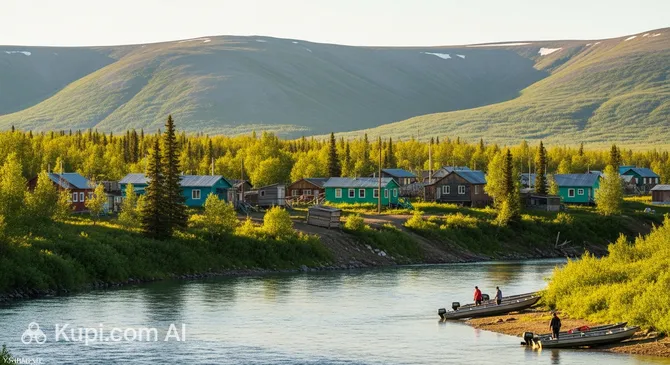
Shungnak. Source: Kupi.Binoculars

The village is situated just north of the Arctic Circle, about 150 miles east of Kotzebue. The climate here is subarctic, characterized by long, snowy winters and short, surprisingly warm summers under the midnight sun. Deeply connected to the land, the history of Shungnak is rooted in Inupiat traditions. The settlement was originally founded further upstream and moved to its current location in the 1920s; its name is derived from the Inupiaq word "Issingnak," meaning jade, a precious stone found in the nearby hills that was historically used to craft tools.

Visitors are drawn to this area primarily for its untouched natural beauty and outdoor activities. The Kobuk River is a paradise for anglers, particularly famous for its sheefish and grayling. The region also serves as a gateway to the spectacular Kobuk Valley National Park, known for the Great Kobuk Sand Dunes—an unexpected sight of rolling sand in the Arctic. In the winter months, the dark, clear skies offer some of the best opportunities in the world to witness the mesmerizing Aurora Borealis dancing overhead.

If you are looking to step off the beaten path and experience the quiet grandeur of the Arctic tundra, Shungnak is an unforgettable destination. Whether you come to fish in pristine waters, learn about local culture, or simply enjoy the solitude of the wild, this Alaskan gem awaits your discovery.

Weather Overview

Travelers heading to this remote Alaskan outpost should be prepared for a climate defined by significant seasonal contrasts. The weather in Shungnak shifts dramatically from the frozen depths of winter to the mild, daylight-filled days of summer. Winter is the dominant season, with January being the coldest month; average temperatures hover around -23.1°C, and lows can easily plunge to a biting -26.0°C.

By the time summer arrives, the landscape transforms completely. July is typically the warmest month, offering a comfortable average temperature of 15.0°C and highs that reach up to 18.7°C. While precipitation is generally low year-round, August is usually the dampest month, seeing about 5mm of precipitation spread across 18 wet days. Overall, you can expect warm summers with occasional rain and cold, dry winters, making proper layering essential for any visit.

Interesting Facts

Beyond the main attractions, Shungnak holds many fascinating secrets that reveal the resilience and ingenuity of its people. From its wandering name to its geological treasures, here are some intriguing details about this Arctic community.
  • The Village That Moved Its Name: The history of Shungnak involves a unique case of identity migration. The settlement originally known as Shungnak was located about 10 miles upstream; however, due to river erosion, residents relocated in the 1920s to a site traditionally called "Kochuk." They brought the name Shungnak with them to the new location, while the original site was eventually repopulated and renamed Kobuk.

  • Masters of Birch Bark: The village is renowned regionally for a specific artistic tradition: the crafting of birch bark baskets. Local artisans skillfully harvest bark from the surrounding forests to create sturdy, watertight containers lashed with spruce roots, a craft that has been passed down through generations and remains a symbol of local heritage.

  • A Mountain of Gemstones: The village's name, derived from the Inupiaq word for "jade," references a very literal geographic feature. The nearby Jade Mountains in the Cosmos Hills are among the few places in the world with significant deposits of nephrite jade. Historically, this tough green stone was not just for decoration but was essential for crafting durable tools like adzes and knife blades before the arrival of metal.

  • The Ice Highway: While the river is a boat route in summer, winter transforms the geography of the region completely. When the Kobuk River freezes solid, it becomes a vital "ice highway" for snowmachines. This frozen thoroughfare connects Shungnak to the neighboring villages of Ambler and Kobuk, allowing for social gatherings and travel that would be impossible overland through the deep snow.

How to Get There

Reaching this remote village in the Alaskan wilderness is a journey that requires planning, as the community is not connected to the state's road system. Air travel is the lifeline of the region, providing the only year-round access for residents and visitors alike. To plan your trip effectively, you can find detailed information and more about how to get to Shungnak on our dedicated page.

The village is served directly by Shungnak Airport (SHG), which is located just 0.7 km from the settlement's center. This small airfield handles local bush flights and charter services. Since the airport is practically within the village, getting to your accommodation upon arrival takes only a few minutes, often by walking or a quick ride on an ATV or snowmachine depending on the season.

Because direct flights from major cities are not available, travelers typically fly first to a regional hub. The most significant nearby hub is Ralph Wien Memorial Airport (OTZ) in Kotzebue, situated approximately 239 km west of Shungnak. This airport handles a moderate volume of passenger traffic and serves as the primary gateway for the Northwest Arctic Borough. From Kotzebue, you will need to book a connecting flight on a smaller commuter airline to reach Shungnak. Another regional option, though less commonly used for this specific route, is Edward G. Pitka Sr. Airport (GAL) in Galena, located about 240 km away.

For clarity, here is a summary of the main airports in the vicinity:

Airport Name City Passenger Traffic Km from City
Ralph Wien Memorial Airport Kotzebue Moderate 239.2
Edward G. Pitka Sr. Airport Galena Low 240.1
Nulato Airport Nulato Low 245.0
Shungnak Airport Shungnak Local 0.7

Regarding rail transport, Shungnak is not accessible by train. The Alaska Railroad system does not extend into the Arctic Circle or the western bush communities. Consequently, there are no railway stations in Shungnak or the surrounding settlements. Visitors should rely exclusively on air travel or, during the ice-free summer months, boat travel along the Kobuk River for local transit.

Main Attractions

The Kobuk River is undoubtedly the centerpiece of life and recreation in Shungnak. For visitors, this majestic waterway offers world-class fishing opportunities that are hard to match elsewhere. It is particularly famous for its massive sheefish, often referred to as the "tarpon of the North," as well as grayling and northern pike. During the summer months, the river serves as a bustling avenue for boating and provides a serene setting for observing local wildlife along the banks.

Just a short distance from the village lies the spectacular Kobuk Valley National Park, one of the most remote national parks in the country. This protected area is renowned for the Great Kobuk Sand Dunes, a surreal landscape of golden sands rising unexpectedly in the middle of the Arctic wilderness. Adventurous travelers can explore this unique ecosystem, which also serves as a major crossing point for the massive Western Arctic Caribou Herd during their seasonal migrations.

The Cosmos Hills provide a stunning scenic backdrop to the village and offer rugged hiking opportunities for those willing to explore the backcountry. This geological formation is historically significant as the source of the region's jade deposits. Hiking in these hills rewards visitors with panoramic views of the river valley and a chance to spot the semi-precious green stones that gave the village its name.

For those interested in cultural heritage, the local tradition of Birch Bark Basketry is a must-see aspect of Shungnak. The village is celebrated across Alaska for its artisans who craft intricate, sturdy baskets from birch bark, lashed together with spruce roots. Viewing these beautiful items is not only a lesson in Inupiat ingenuity and craftsmanship but also offers a chance to connect with the local community and perhaps acquire a unique, authentic keepsake.

Local Cuisine

The culinary experience in Shungnak is distinct from typical tourist destinations. You will not find standard restaurants, cafes, or street food stalls here. Instead, the local cuisine is defined by the subsistence lifestyle of the Inupiat people, who rely on the land and the river for their sustenance. Visitors fortunate enough to share a meal with locals will discover a diet centered on fresh, wild-harvested ingredients that are organic, nutrient-dense, and deeply connected to the seasons.

The crown jewel of the local diet is the Sheefish, often called the "Tarpon of the North." Caught in the Kobuk River, this large whitefish is a staple in Shungnak. It is prepared in various ways: dried, smoked, baked, or eaten as quaq—frozen raw fish cut into bite-sized pieces and dipped in seal oil or soy sauce. Another essential protein is Caribou, harvested from the Western Arctic Caribou Herd. The meat is typically made into hearty soups and stews, often thickened with rice or macaroni, providing warmth and energy during the cold months.

For a taste of something sweet, you might encounter Akutaq, widely known as "Eskimo Ice Cream." Traditionally made by whipping animal fat (such as seal oil or reindeer fat) with snow and wild berries, modern versions often use Crisco or vegetable shortening mixed with sugar and an abundance of locally picked fruit like blueberries, cloudberries (salmonberries), or cranberries. It is a rich, high-energy dessert served at community gatherings and celebrations.

When it comes to beverages, coffee is the undisputed favorite, consumed throughout the day to keep warm and energized. Tea is also common, sometimes brewed from local plants like Hudson's Bay tea (Labrador tea). Travelers should be aware that Shungnak, like many rural Alaskan villages, has strict regulations regarding alcohol. It is generally not sold within the community, and possession may be restricted or banned entirely ("dry" or "damp" status). Visitors should respect these local laws and expect to drink mostly water, tea, or coffee during their stay.

Food culture in Shungnak revolves around sharing and hospitality. Since there are no commercial dining establishments, food is almost exclusively prepared and eaten in private homes. Community feasts, often held at the school or community hall for holidays and funerals, are the main social dining events. If you are visiting, bringing fresh fruit or other perishables from the city as a gift to your hosts is a highly appreciated gesture, as fresh produce is expensive and rare in the village store.

Travel Tips

Visiting a remote community like Shungnak requires significantly more preparation than a typical vacation, as its isolation in the Arctic wilderness presents unique challenges and rewards. To ensure your trip is safe, respectful, and enjoyable, here are some essential practical tips to help you navigate life in this close-knit Inupiat village.

  1. Clothing and Gear: The Arctic climate demands a strategic approach to dressing. In winter, you must bring heavy-duty insulated gear, including a high-quality parka, thermal layers, and rated boots, as temperatures drop dangerously low. If visiting in summer, prepare for the "state bird" of Alaska—the mosquito; a head net and strong insect repellent are absolute necessities. Waterproof boots and rain gear are also recommended for the variable summer weather.
  2. Transportation: Forget about car rentals, taxis, or ride-hailing apps; Shungnak has no paved roads connecting it to the outside world, and the village itself is small enough to navigate on foot. Locals primarily use ATVs (four-wheelers) in the summer and snowmachines (snowmobiles) in the winter. If you need to transport heavy gear from the airstrip, you may be able to arrange a ride with a local host, but walking is the standard way to get around.
  3. Finances: Cash is essential in rural Alaska. While the local general store may accept credit cards, telecommunication outages can happen, rendering card machines useless. There are no banks or ATMs in Shungnak, so you should withdraw sufficient cash in Kotzebue or Anchorage before your final flight. Be prepared for "bush prices"—groceries and fuel are significantly more expensive here than in the lower 48 states due to freight costs.
  4. Health and Safety: Medical facilities are limited to a local clinic staffed by health aides; for any serious medical emergency, you would need to be medevaced by plane to Kotzebue or Anchorage. Bring a full supply of any prescription medications you need, as there is no pharmacy. Additionally, be "bear aware" if you venture outside the village limits, as you are in prime grizzly and black bear country.
  5. Communication: English is the primary language spoken, though you will hear Inupiaq spoken, especially among the elders. Cell phone coverage is often limited to specific carriers (typically GCI in rural Alaska), and international roaming may not work. Wi-Fi is scarce and satellite-based internet can be slow, so it is best to download offline maps and necessary documents before you arrive.
  6. Local Etiquette: The community values respect and privacy. Always ask for permission before taking photographs of residents, their homes, or their activities. It is customary to remove your shoes when entering a home. Showing deference to elders is a core cultural value; listen more than you speak, and you will learn a great deal about the local way of life.
  7. What to Avoid: Shungnak is a "dry" community, meaning the sale, importation, and possession of alcohol are strictly prohibited. Do not attempt to bring alcohol or drugs into the village, as this is a serious offense that disrespects local laws and can lead to legal trouble. Also, avoid walking on private property or disturbing subsistence equipment like fish drying racks or boats without permission.
  8. Food and Supplies: Since there are no restaurants, cafes, or hotels with room service, you must plan your meals in advance. Visitors usually stay with host families or in teacher housing where they cook for themselves. It is highly advisable to bring some non-perishable food items with you, as the selection at the village store can be limited and stock depends on the arrival of freight planes.

By packing the right gear and approaching the community with an open mind and respect for its traditions, you will find Shungnak to be a deeply moving destination. Embrace the slower pace of village life, and you will be rewarded with genuine hospitality and an authentic experience of the Alaskan Arctic.

Entertainment & Nightlife

Travelers hoping for a vibrant scene of nightclubs, bars, or late-night discos will find Shungnak to be a world apart from the typical urban experience. As a small, traditional Inupiat village that is designated as a "dry" community, the sale and importation of alcohol are strictly prohibited. Consequently, there are no bars, pubs, or liquor stores here. Instead of loud music and neon lights, the "nightlife" in Shungnak is defined by the profound silence of the Arctic wilderness, community gatherings, and spectacular natural phenomena.

The concept of evening entertainment here revolves around social connection and nature. During the long winter nights, the primary attraction is the sky itself. With zero light pollution, the village offers a front-row seat to the Aurora Borealis. The best "venue" for this mesmerizing light show is simply the banks of the Kobuk River or the open areas near the airstrip, where the view of the dancing green and purple lights is unobstructed. In the summer, the "night" effectively disappears under the Midnight Sun, allowing for fishing and outdoor activities to continue well into the early morning hours.

When community events do occur, they are wholesome and family-oriented. The Shungnak Community Hall serves as the social heart of the village, often hosting gatherings such as community bingo nights, potlucks, or traditional Inupiat dances. Another central spot is the Shungnak School Gymnasium, which occasionally opens its doors for sports events or local celebrations that bring the entire population together. These gatherings are warm and welcoming, but visitors should be aware that they operate on "village time" and are focused on local residents rather than tourists.

For safety and practical planning, it is crucial to remember that the village is remote and subject to extreme weather. Walking around at night in winter requires serious cold-weather gear, as temperatures can drop to life-threatening levels. Additionally, because the village is surrounded by wilderness, bears can be active near the settlement, especially in shoulder seasons; carrying bear spray and staying alert is advisable even within village limits. There are no taxis or public transport services at night, so you will be relying on walking or your host's snowmachine.

During the day, entertainment remains deeply connected to the land. Visitors can spend their time exploring the surrounding trails, watching locals craft birch bark baskets, or observing the daily rhythms of subsistence living. While there are no museums or amusement parks, the living culture of the village and the pristine environment of the nearby Kobuk Valley National Park provide an immersive experience that far outweighs the need for commercial attractions.

Parks & Museums

In the remote village of Shungnak, the concepts of "parks" and "museums" take on a different meaning than in a bustling city. Here, the entire surrounding wilderness serves as a vast, unmanicured park, and the village itself acts as a living museum of Inupiat culture. Visitors will not find ticketed galleries or fenced-in gardens; instead, they are invited to explore a landscape where nature and tradition are seamlessly funneled into daily life.

Kobuk Valley National Park stands as the most significant natural area accessible from the region. Although it encompasses a massive territory rather than a city park, Shungnak serves as one of the key gateways to this protected wilderness. The park is globally famous for the Great Kobuk Sand Dunes, an Arctic anomaly where golden sands rise up to 100 feet high, surrounded by boreal forest. It is a place of stark beauty, offering hiking and photography opportunities that feel almost otherworldly.

Closer to the settlement, the Banks of the Kobuk River function as the community's central recreational space. In summer, the gravel bars and grassy verges become the hub of activity where families gather, children play, and locals launch their boats. It is an ideal spot for a casual stroll to watch the river flow, observe subsistence fishing in action, and enjoy a picnic with a view of the distant Cosmos Hills. This natural corridor is the lifeline of the village and offers a peaceful retreat for anyone looking to connect with the rhythm of the water.

Regarding cultural institutions, Shungnak does not possess a formal building designated as a museum. Instead, the Shungnak School often serves as an informal cultural center. The school plays a vital role in preserving local heritage, frequently displaying student artwork, traditional crafts, and sometimes historical photographs of the community. It is the heart of the village's educational life, where the Inupiaq language and skills like basket weaving are passed down to the younger generation.

Another venue that reflects the spirit of the community is the Shungnak Community Hall. While not a gallery in the traditional sense, this gathering place is where the living culture of the village is most visible. During potlucks, dances, and town meetings, the hall becomes a showcase of local traditions. Visitors fortunate enough to attend an event here will witness traditional drumming and dancing, which are vibrant expressions of the region's history that no static museum display could replicate.

For those interested in architecture and history, the village's Traditional Caches offer a fascinating glimpse into the past. Scattered throughout the village near family homes, these raised wooden log structures are designed to store food and equipment out of the reach of animals. They are iconic symbols of the subsistence lifestyle and represent a practical architectural style that has survived for generations in the Alaskan bush.

Insider Tip: Since there are no souvenir shops or galleries, the best way to see local art is to ask around about the Birch Bark Basket Makers. Shungnak is renowned for this specific craft. If you are respectful and interested, a local artisan might invite you to see their work process—harvesting the bark, preparing the spruce roots, and stitching the baskets—offering an authentic cultural experience that is far more personal than a museum visit.

Getting Around

Travelers visiting Shungnak must be prepared for a complete absence of a conventional public transport system. In this small, remote community, there are no subways, trams, scheduled bus services, or trolleybuses. The village infrastructure is designed for a subsistence lifestyle in the Arctic wilderness rather than for mass transit, meaning you will not find public stops, route maps, or transport schedules of any kind.

Because there is no commercial public transport, there is no system for tickets, travel cards, or mobile payment apps. You do not need to worry about purchasing passes or validating tickets. If you arrange an informal ride with a local resident—often necessary for moving heavy luggage from the airstrip—payment is usually a matter of private agreement. While hospitality is central to the culture, having some cash on hand is recommended if you wish to offer a contribution for fuel, which is a precious commodity in the bush.

For the majority of your stay, your primary mode of transport will be walking. The village is compact, with the school, post office, and store located within a small radius. Walking is the most practical way to soak in the local atmosphere, but visitors must dress appropriately for the season. In winter, this means heavy insulated boots and thermal layers, while in summer, sturdy shoes and insect repellent are essential for navigating the gravel roads and trails.

Alternatives to walking are motorized but private. You will not find taxis, car rental agencies, bike rentals, or ride-sharing services like Uber. Instead, the local "traffic" consists of ATVs (four-wheelers) in the summer and snowmachines (snowmobiles) in the winter. These vehicles are personally owned by residents and are vital for travel across the rugged terrain. While you cannot rent these commercially in the village, they are the standard way locals commute and haul supplies.

A unique feature of transport in this region is the seasonal use of the natural landscape. During the summer, the Kobuk River acts as a liquid highway for skiffs and boats, connecting families to fishing camps. In the deep winter, the frozen river transforms into an "ice road," allowing snowmachines to travel between villages. These natural thoroughfares are the lifelines of the region, replacing paved highways and offering a distinct, adventurous form of travel that defines life in the Arctic.

Accommodation

Finding a place to stay in Shungnak requires a shift in perspective from typical travel planning. There are no commercial hotel chains, luxury resorts, motels, or budget hostels in this remote village. The accommodation landscape is extremely limited and utilitarian, reflecting the subsistence lifestyle of the community. Visitors should expect rustic, basic facilities rather than tourist-oriented amenities.

Accommodation Options

Since there is no dedicated tourism infrastructure, lodging is generally provided through local government or community entities. The primary options usually involve renting a simple room through the City of Shungnak or the Native Village of Shungnak council. These rooms are often located in multi-purpose community buildings and typically offer a bed and shared bathroom facilities. In some cases, arrangements can be made for "teacher housing" (school district housing) during the summer months when staff are away, or through informal homestays with local families, which offer a deeper connection to the culture.

Areas to Stay

Given the small footprint of the village, location is not a significant factor when choosing where to sleep. Everything in Shungnak—the airstrip, the store, the school, and the river—is within walking distance. Whether you stay in a city-run room or a private home, you will be centrally located and close to the heart of community life.

Booking and Prices

Booking accommodation in Shungnak cannot be done through online travel agencies or apps. You must plan ahead and contact the City Office or the Tribal Council directly by telephone before you arrive. It is crucial to confirm your reservation verbally, as space is scarce and often prioritized for visiting workers or officials.

Prices can be higher than expected for the level of amenities provided, often referred to as "bush prices," due to the high cost of maintaining facilities in the Arctic. Payment methods are often limited; while some offices may take checks, it is highly recommended to bring sufficient cash to cover your stay, as credit card processing may not always be available.

Nearby Cities

For those looking to explore the surroundings, Shungnak serves as an excellent base for day trips to several interesting nearby locations:

City Population Distance (km)
Kotzebue 3300 239
Selawik 830 131
Noorvik 700 171
Buckland 550 205
Kivalina 400 332

While travel in this remote region typically requires a bush plane or a boat journey, visiting neighboring communities offers a deeper understanding of life in the Arctic. Kotzebue is the primary regional hub and the most accessible destination for a short visit. Located on the coast of the Baldwin Peninsula, it is home to the Northwest Arctic Heritage Center, where visitors can learn extensively about the history and ecosystem of the entire region. Unlike the river-based geography of Shungnak, Kotzebue offers a coastal atmosphere and more extensive services.

Another interesting destination is Selawik, located to the south. This village is situated near the Selawik National Wildlife Refuge, a massive protected area that is a haven for migratory birds and the Western Arctic Caribou Herd. A visit here highlights the subtle differences between the riverine and delta ecosystems. Similarly, Noorvik, positioned on the Kobuk River delta, provides a glimpse into a community that, like Shungnak, relies heavily on the river but is located closer to the coast, influencing its subsistence patterns and landscape.

These nearby destinations offer a glimpse into the diverse culture and landscapes of the region.

Shopping & Souvenirs

Shopping in Shungnak is a unique experience defined by the village's remote location and subsistence lifestyle. Unlike typical tourist destinations, you will not find promenades lined with boutiques, souvenir shops, or fashion outlets here. Instead, the retail scene is purely utilitarian, designed to provide residents with essential goods needed for survival in the Arctic. For visitors, this offers a fascinating look at the logistics of life in the bush, where every item on the shelf has been flown in by plane.

The main shopping area is essentially limited to the village's single general store. This establishment serves as the community's lifeline, stocking a mix of groceries, hardware, cold-weather clothing, and household supplies. It is the social and commercial hub of the village, where you can buy everything from canned food and fuel to fishing tackle. Do not expect to find a shopping district or specific streets for browsing; the entire commercial sector is contained within this one building.

There are absolutely no shopping malls, department stores, or chain retailers in Shungnak. The nearest facilities of that nature are hundreds of miles away in Anchorage or Fairbanks. Travelers should be aware that the selection of goods is limited to basics, and "luxury" items are virtually non-existent. It is highly advisable to bring any specific personal items, toiletries, or specialized gear you might need with you, rather than counting on finding them locally.

While there are no formal markets or flea markets, the village is a hidden gem for authentic local crafts. Shungnak is regionally famous for its exquisite birch bark baskets. These are not mass-produced souvenirs but functional works of art created by local elders and artisans using materials harvested from the surrounding land. You may also find handmade items such as beaded jewelry, skin sewing (like mukluks or mittens), and carvings made from caribou antler or locally sourced jade.

If you are looking for souvenirs, the best approach is to ask around the community respectfully. There is no gift shop; instead, transactions often happen directly with the artists in their homes or at the community hall during events. Buying a birch bark basket or a piece of jade jewelry directly from the maker is a meaningful way to support the local economy and take home a piece of Inupiat culture. Be prepared for prices that reflect the immense skill and time required for these handcrafted items.

Regarding opening hours and payment, the general store typically operates on standard business hours, though these can be subject to change based on staffing or weather conditions. It is crucial to carry cash. While the store may accept credit cards, internet outages can occur, rendering card readers useless. Furthermore, if you are purchasing crafts from locals, cash is almost exclusively the only accepted method of payment. Visitors should also be prepared for "bush prices"—due to the high cost of air freight, everyday items are significantly more expensive than in the contiguous United States.

One financial benefit for travelers is that Alaska has no state sales tax. While some local municipalities in the state impose their own taxes, the lack of a statewide tax generally simplifies purchases. However, given the remote nature of Shungnak and the informal nature of buying crafts, tax refund schemes for tourists are not applicable here.

Reached the end of the page?

That means the route is fully explored