Support

Buckland

About

Buckland, known locally as Nunatchiaq, is a small and remote village that offers a truly authentic glimpse into the Arctic way of life. Situated in the Northwest Arctic Borough of Alaska, this close-knit community is deeply rooted in Inupiat traditions and surrounded by a vast, untouched wilderness. For travelers seeking to step off the beaten path and experience a destination defined by its relationship with nature rather than commercial tourism, Buckland provides a rare opportunity to witness the resilience and warmth of the far north.

Geographically, the city is located on the west bank of the Buckland River, approximately 75 miles southeast of Kotzebue. With a population of around 550 residents, the community is small enough that life here revolves closely around the seasons and the land. The climate is typical of the Arctic region, featuring long, cold winters perfect for viewing the aurora borealis, and short, vibrant summers where the midnight sun allows for around-the-clock outdoor activities. While it is part of the United States, the lifestyle here feels worlds away from the hustle of major American cities, relying heavily on subsistence hunting and fishing.
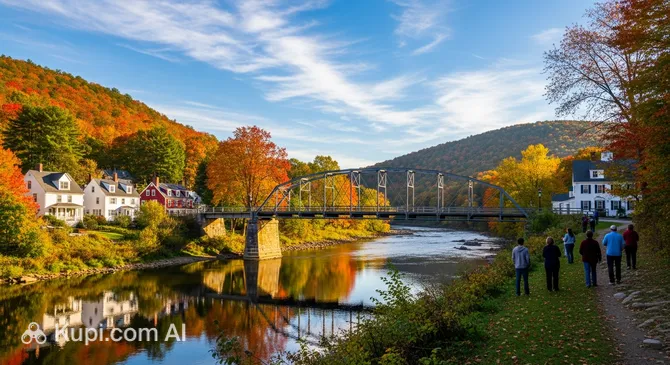
Buckland. Source: Kupi.Binoculars

The settlement has a fascinating past characterized by mobility and adaptation. The residents and their ancestors have moved the village location at least five times along the river to better access resources or manage reindeer herds. To learn more about these relocations and the fossil-rich site of Elephant Point, you can explore the history of Buckland, which details how the community eventually settled at its current site and incorporated in 1966.

Visitors to Buckland are often drawn by the pristine natural environment and the abundance of wildlife. The Buckland River serves as the community's lifeblood, acting as a boating highway in the summer and an ice road for snow machines in the winter. It is an excellent spot for observing local fishing practices or simply enjoying the serene Arctic landscape. The surrounding tundra is also famous for its massive herds of caribou, which migrate through the area, as well as opportunities to spot beluga whales and seals near the river mouth.

If you are an adventurous traveler looking for a destination that prioritizes culture and nature over luxury, Buckland welcomes you. It is a place to respect and observe the traditional Inupiat lifestyle, watch the Northern Lights dance over the frozen river, and experience the profound quiet of the Alaskan wilderness.

Weather Overview

Buckland features a climate typical of the Arctic region, defined by long, freezing winters and short, cool summers. The winter months are particularly harsh, with January being the coldest time of year, seeing average temperatures around -21.0°C and lows dipping to -23.7°C. Despite the extreme cold, precipitation during this period is minimal, often recorded at just 1mm, though the snow remains on the ground for months.

The weather warms up significantly as spring transitions into summer. By July, the warmest month, the average temperature rises to 13.6°C, with daytime highs occasionally reaching 17.4°C. While warmer, the summer season also brings more frequent moisture; August, for example, experiences about 16 wet days, contrasting with the drier winter months. Generally, you can expect cool summers with frequent light rain and very cold, dry winters.

Travelers planning a visit should be prepared for rapid changes in conditions and pack layers regardless of the season. To help you choose the best time for your Arctic adventure, you can consult the detailed guide on the weather in Buckland.

Interesting Facts

Beyond its quiet exterior, Buckland holds a history full of ancient giants and shifting landscapes. This remote community is not just a static dot on the map but a place where the past is literally frozen in the ground and the village itself has traveled to survive.
  • The "Elephant" in the Room: Just 20 miles from the city lies a site known as Elephant Point. It was named in 1826 by Captain Frederick Beechey, who discovered massive fossilized tusks there. While he named the spot after elephants, the bones actually belonged to woolly mammoths that once roamed the Arctic. The fossils were preserved in a unique geological feature—a bluff that looked like earth but was actually a "mountain of ice" covered in a thin layer of soil.

  • A Wandering Village: Unlike most cities that grow around a central point, Buckland has been a mobile community. In living memory, the village has relocated at least five times along the river. The residents moved the entire settlement to various sites, including Old Buckland and Elephant Point, to escape river erosion, avoid ice jams, or be closer to reindeer grazing grounds.

  • The Great Reindeer Escape: Buckland has a deep connection to reindeer herding, but this practice comes with a unique Arctic challenge. The local domestic reindeer are often drawn away by massive herds of wild caribou migrating through the area. In one famous instance during the 1980s, thousands of domestic reindeer simply wandered off to join their wild cousins, drastically reducing the local herd size in a phenomenon known as "run-off."

How to Get There

Reaching the remote village of Buckland is an adventure in itself, as the community is not connected to the rest of Alaska by road. Visitors typically arrange their travel through regional hubs, relying on small aircraft to cover the final leg of the journey over the tundra. For a comprehensive guide on logistics and flight options, you can read more about how to get to Buckland.

The city of Buckland does not have its own major airport capable of handling large commercial jets. The primary gateway for travelers is Ralph Wien Memorial Airport (IATA: OTZ), located in the city of Kotzebue, approximately 121 km from Buckland. This regional hub handles traffic from larger cities like Anchorage. Since there are no roads connecting Kotzebue to Buckland, the "travel time" is not measured by driving but by flight duration; a connecting bush plane flight typically takes about 30 to 45 minutes. With an annual passenger traffic of over 120,000, this airport is the essential lifeline for the region.

Another regional airport in the wider vicinity is Unalakleet Airport (IATA: UNK), situated in Unalakleet, roughly 234 km away. While further afield, it serves as another key transport node in western Alaska. Similarly, Edward G. Pitka Sr. Airport (IATA: GAL) in Galena, about 239 km from Buckland, supports regional connectivity. Travelers utilizing these alternative hubs would still need to arrange complex onward travel to reach the village, making the Kotzebue route the standard path.

For clarity, here is a summary of the main airports in the region:

Airport Name City Passenger Traffic Km from City
Ralph Wien Memorial AirportKotzebueMedium120.9
Unalakleet AirportUnalakleetSmall233.6
Edward G. Pitka Sr. AirportGalenaSmall239.1
Nulato AirportNulatoSmall199.0
Shungnak AirportShungnakSmall204.0

Buckland is located far from the state's railway network. There are no train stations in the village or the surrounding wilderness, and the Alaska Railroad system does not extend to the Northwest Arctic Borough. Access is exclusively by air or, in winter, by snow machine for locals traveling between nearby villages.

Main Attractions

For visitors making the journey to this remote corner of Alaska, the attractions are not defined by ticket booths or lines, but by the raw, unpolished beauty of the Arctic landscape and the deep cultural heritage of its people. The main draw of Buckland is the opportunity to witness a way of life that has adapted to one of the most extreme environments on Earth. From geological wonders to wildlife migrations, the points of interest here offer a profound connection to nature and history.

One of the most significant and fascinating sites in the area is Elephant Point, located approximately 20 miles away. This unique geological feature is famous for the discovery of fossilized woolly mammoth tusks in the 19th century, which early explorers initially mistook for elephant bones. Beyond its paleontological importance, the point is geologically remarkable because what appears to be a standard bluff is actually a massive core of ancient ice covered by a thin layer of soil. It also serves as a historical marker, having been a former settlement site for the community before they relocated to the current village.

The Buckland River acts as the central artery for local activity and outdoor recreation. In the summer months, the river is bustling with skiffs as residents fish for salmon, sheefish, and whitefish, offering visitors a chance to observe or participate in subsistence fishing traditions. When winter sets in, the frozen river transforms into a vital ice highway for snowmobiles, connecting the village to the surrounding tundra and neighboring communities. It is an excellent vantage point for experiencing the silence and vastness of the Arctic wilderness.

Wildlife enthusiasts will find the region teeming with activity, particularly during the migration of the Western Arctic Caribou Herd. Thousands of these majestic animals pass through the surrounding hills and tundra, a spectacle that has sustained the Inupiat people for generations. Closer to the coast and the river mouth, lucky observers may also spot beluga whales and spotted seals, which are often hunted by locals during the warmer seasons as part of their traditional diet.

Finally, the sky itself is a major attraction in Buckland. During the long, dark winter nights, the lack of light pollution makes this an ideal location for viewing the Aurora Borealis. The Northern Lights frequently dance overhead in vibrant shades of green and purple, illuminating the snow-covered landscape in a way that feels otherworldly. Conversely, the summer offers the phenomenon of the midnight sun, allowing for exploration and photography at any hour of the day.

Local Cuisine

The culinary experience in Buckland is defined not by commercial restaurants or trendy cafes, but by the subsistence lifestyle of the Inupiat people. Here, food is harvested directly from the land and river, creating a "tundra-to-table" culture that has sustained the community for generations. Visitors should not expect standard dining establishments; instead, the local cuisine revolves around "country food"—wild game, fish, and plants gathered according to the seasons.

The staple of the local diet is undoubtedly caribou, harvested from the massive Western Arctic Herd that migrates through the region. You may find it prepared in various ways, from hearty stews and roasts to dried meat (jerky), which serves as a high-energy snack for hunters and travelers. The Buckland River provides an abundance of fish, including salmon, whitefish, and the prized sheefish. A local delicacy worth knowing about is dried fish, often dipped in seal oil, a traditional condiment that provides essential fats and nutrients in the cold climate.

For a taste of something sweet, the most iconic dish is Akutaq, widely known as "Eskimo ice cream." This unique treat is traditionally made by whipping animal fat (such as reindeer or seal fat) or commercial shortening with snow, sugar, and an abundance of local berries. In Buckland, families spend the summer months gathering cloudberries (often called salmonberries locally) and blueberries to store for this beloved dessert, which is a fixture at community gatherings and celebrations.

Travelers must be aware that there are no restaurants, bars, or fast-food chains in the village. The food scene is entirely domestic. Visitors typically purchase groceries at the local general store to cook for themselves or rely on the hospitality of local hosts. Because of this, dining in Buckland is an intimate affair, often taking place in family kitchens where a pot of coffee is always brewing. Hot coffee and tea are the primary social drinks, essential for warming up after a day in the Arctic air, while alcohol is generally restricted in many rural Alaskan communities and is not part of the public dining culture.

Travel Tips

Visiting Buckland is a rare privilege that offers a window into the authentic Inupiat lifestyle of the Arctic, but it requires significantly more preparation than a standard vacation. Because this is a remote village with limited infrastructure rather than a commercial tourist hub, these practical tips are essential for ensuring a safe, respectful, and comfortable journey into the Alaskan bush.

  1. Clothing and Gear: The Arctic environment demands respect. In winter, you must bring "extreme cold" gear: a heavy down parka, insulated snow pants, thermal base layers, and rated boots (like "bunny boots") capable of withstanding temperatures well below zero. In summer, the tundra comes alive with insects, so a high-quality mosquito head net and strong insect repellent are absolute necessities, along with waterproof boots and rain gear. Dress is always casual and practical; function outweighs fashion here.
  2. Transportation: Forget about rental cars, taxis, or ride-sharing apps; they do not exist here. The village is small enough to navigate on foot, which is how most visitors get around. Locals primarily use ATVs (four-wheelers) in the summer and snow machines in the winter. If you are staying with a host or visiting for a specific program, they may offer you a ride, but generally, be prepared to walk on gravel roads or boardwalks.
  3. Finances: Cash is king in rural Alaska. While the local general store (Native Store) may accept credit cards, telecommunication outages can render card readers useless. There are no banks and likely no reliable ATMs available for tourists, so you should withdraw sufficient cash in a hub city like Kotzebue or Anchorage before flying in. Be prepared for "bush prices"—groceries and supplies are significantly more expensive than in the lower 48 states due to air freight costs.
  4. Health and Safety: Medical facilities are limited to a local health clinic, which is staffed by health aides and generally open during business hours, with an on-call system for emergencies. For serious medical issues, patients must be medevaced by plane to Kotzebue or Anchorage, which is weather-dependent. Always carry a personal supply of essential medications. Be "bear aware" if you venture outside the village proper, as wildlife frequently roams near the settlement.
  5. Communication: English is the primary language spoken by all residents, though you will also hear Inupiaq, the traditional language, especially among elders. Cell phone coverage is often limited to specific regional carriers (like GCI), and visitors with major national carriers may find themselves with "Roaming" or no signal at all. Wi-Fi is scarce and relies on satellite connections, which can be slow and expensive, so plan for a digital detox.
  6. Local Etiquette: The community is close-knit and values respect. Always greet people you pass on the road; a simple smile and "hello" go a long way. It is customary to remove your shoes when entering a home or the school. If you see locals processing fish or game, observe from a respectful distance and ask for permission before taking close-up photographs of people or their subsistence gear.
  7. What to Avoid: Do not bring alcohol or drugs into the village without strictly verifying the local laws. Many rural Alaskan communities are "dry" (banning the sale and importation of alcohol) or "damp" (strictly limiting possession amounts). Violating these local option laws is a serious offense and is culturally insensitive.
  8. Additional Tip: Embrace "Village Time." Life here is dictated by the weather and the seasons, not by the clock. Flights may be delayed for days due to fog or wind, and meetings may start late. Patience and flexibility are the most valuable tools in your travel kit when visiting the Arctic.

By packing the right gear and approaching your visit with an open mind and a respectful attitude, you will find that the challenges of remote travel are far outweighed by the warmth of the community. Buckland is a place where you can truly disconnect from the modern rush and experience the timeless rhythm of life in the North.

Entertainment & Nightlife

Travelers arriving in Buckland expecting a bustling scene of nightclubs, cocktail bars, or late-night discos will find a completely different reality. As a small, remote Inupiat community, Buckland does not have a commercial nightlife industry. There are no bars, pubs, or liquor stores in the village. In fact, like many communities in rural Alaska, it is subject to strict local option laws regarding alcohol, often designated as "dry" or "damp," meaning the sale and sometimes possession of alcohol is restricted or banned. Consequently, "nightlife" here is not about partying; it is about community connection and the awe-inspiring natural world.

The true "night club" in Buckland is the sky itself. During the long winter months, when darkness dominates, the village becomes a prime location for viewing the Aurora Borealis. Without the light pollution of a city, the Northern Lights appear with startling clarity. The best "venue" for this spectacle is simply the frozen banks of the Buckland River. Locals and visitors alike can step just outside the main cluster of homes to watch green and purple ribbons dance across the stars. It is a silent, majestic experience that rivals any man-made entertainment.

In terms of social gatherings, the community’s social calendar revolves around the Buckland School. In rural Alaska, the school gymnasium is often the heartbeat of the village, hosting events that run into the evening. High school basketball games are incredibly popular and draw nearly the entire town. attending a game is the best way to immerse yourself in the local atmosphere, cheer alongside residents, and witness the strong community spirit. Additionally, community Bingo nights are a beloved pastime, offering a warm, indoor activity where people gather to socialize and pass the dark winter evenings.

During the summer, the concept of "night" disappears entirely under the Midnight Sun. With 24 hours of daylight, entertainment shifts to outdoor activities that can happen at any hour. It is not uncommon to see families heading out on skiffs to fish, children playing outside, or residents berry picking well past midnight. The "nightlife" district is effectively the surrounding tundra and river, where the rhythm of life follows the sun and the seasons rather than a clock.

Regarding logistics and safety, there are no taxis, Ubers, or public transport options for getting around at night. The village is compact, and you can walk everywhere, though locals often use ATVs or snow machines. If you are walking at night, especially in winter, extreme cold protection is mandatory. Furthermore, you must be vigilant about wildlife; bears and foxes can venture near or into the village, so it is wise to carry a flashlight and stay aware of your surroundings.

While evening options are limited to nature and community events, daytime entertainment is equally focused on the outdoors. Visitors can explore the vast tundra, observe the unique architecture of the village on stilts (to protect against permafrost and flooding), or watch the daily activities of subsistence living. For a cultural experience, simply spending time near the river watching the fishing boats or snowmobiles offers a genuine look at life in the Arctic.

Parks & Museums

In the remote village of Buckland, the concept of "parks" and "museums" takes on a different meaning. You will not find manicured city gardens with fountains or glass-walled art galleries here. Instead, the entire region serves as a vast, unfenced national park, and the land itself acts as a living museum, preserving centuries of history and geological wonders. For visitors, the experience is about stepping directly into the wild and witnessing history etched into the landscape rather than viewing it through a display case.

Selawik National Wildlife Refuge

While not a city park in the traditional sense, this massive protected area borders the region and influences much of the local ecosystem. Encompassing over 2 million acres, the refuge is a transition zone where boreal forests meet the Arctic tundra. It is a critical habitat for the Western Arctic Caribou Herd and countless migratory birds. For tourists, this is the ultimate destination for wildlife viewing and experiencing the sheer scale of the Alaskan wilderness. It offers unparalleled opportunities for hiking and photography in a landscape that has remained virtually unchanged for thousands of years.

The Buckland River Banks

The riverbanks function as the community’s central recreational space. In summer, the gravel bars and grassy edges become the focal point for families and visitors. It is a place to watch the midnight sun dip toward the horizon or to observe the daily rhythm of subsistence fishing. The area provides a serene, natural setting where you can walk for miles, skipping stones and enjoying the fresh Arctic breeze. It serves the same social and recreational purpose as a town square, connecting the people to the water that sustains them.

Elephant Point (Ivnarjuq)

Located approximately 20 miles from the village, Elephant Point is arguably the region's most significant "open-air museum." This site is world-renowned among paleontologists for its frozen cliffs that contain the fossilized remains of woolly mammoths, bison, and horses from the Pleistocene era. Visiting this site offers a rare glimpse into the Ice Age, where history is not behind velvet ropes but eroding out of the permafrost. It is a profound location for understanding the deep geological history of the United States Arctic.

The Living Museum of Inupiat Culture

Buckland itself is often described as a living museum of Inupiat heritage. Without a formal building to house artifacts, the culture is displayed through the daily activities of the residents. Walking through the village, you may see racks of drying sheefish, traditional skin sewing, or the preparation of seal oil. The elders of the community are the curators of this history, holding stories of the old nomadic ways and the previous village locations. Engaging respectfully with locals offers a cultural education far richer than any guidebook can provide.

Insider Tip: If you are interested in the fossil history of the area, ask at the school or the tribal council office if there are any small displays or if a local guide is willing to share stories about recent finds. While you cannot legally remove fossils from federal or native land, seeing a mammoth tooth held in the hands of a local resident who found it on the riverbank is an unforgettable experience.

Getting Around

Travelers arriving in Buckland should immediately adjust their expectations regarding public transportation. As a small, remote village in the Alaskan bush, the city does not have a public transit network. There are no buses, trams, metros, or fixed-route shuttles operating here. The infrastructure is designed for a small population living in a rugged environment, meaning the standard urban commuting options found in larger cities are entirely absent.

In place of a formal transport system, the "vehicles of choice" for locals change with the seasons. During the summer months, All-Terrain Vehicles (ATVs) or "four-wheelers" are the primary mode of motorized travel, buzzing along the gravel roads and boardwalks. In the winter, when snow covers the ground and the river freezes, snow machines (snowmobiles) become essential, serving as the main way to travel between homes, to the school, or out for hunting. For a tourist, these are not typically available for rent, but they define the flow of traffic in the village.

Regarding payment and ticketing, there is no system to navigate because there is no public service to pay for. You will not need travel passes, transit cards, or mobile apps. If you need to transport heavy gear or travel a distance that is too far to walk, you may be able to arrange an informal ride with a local resident. In such cases, cash is the only accepted currency, and prices are negotiated on the spot rather than set by a meter. However, reliance on such informal arrangements should not be your primary plan.

For most visitors, the most reliable way to get around Buckland is simply walking. The village is compact, and key locations like the school, the store, and the clinic are within a reasonable distance of one another. When walking, it is important to stay on designated paths or boardwalks to avoid damaging the tundra or stepping into mud. Be mindful that in winter, walking requires heavy-duty cold-weather gear, as you will be fully exposed to the Arctic elements.

Alternatives like commercial taxis, car-sharing services (such as Uber or Lyft), or bike rentals do not exist in Buckland. There are no car rental agencies, and bringing a vehicle is impossible as there are no roads connecting the village to the outside world. Your transport strategy should be simple: pack light enough to carry your own luggage, dress warmly enough to walk, and be prepared to experience a community where the pace of life is determined by foot traffic and the hum of snow machines.

Accommodation

Travelers planning a visit to Buckland must adjust their expectations regarding accommodation. As a small, remote Inupiat community with a population of around 550, the village does not possess the commercial tourism infrastructure found in larger cities or established tourist hubs. There are no chain hotels, luxury resorts, motels, or hostels in Buckland. Instead, lodging options are extremely limited, functional, and often informal, requiring visitors to be proactive and adaptable.

Because the village is compact, there are no specific "tourist areas" to consider. The community is small enough that any accommodation will be within walking distance of the airstrip, the store, and the river. For independent travelers, the primary option is usually to contact the Native Village of Buckland (Tribal Council) or the City of Buckland office. These organizations sometimes manage a limited number of transient housing units or apartments intended for visiting professionals, such as health workers or contractors. These facilities are typically basic, offering a place to sleep and shared amenities rather than hotel-style services.

In the absence of commercial lodgings, homestays with local families are another potential option. This arrangement offers a culturally immersive experience but requires a high degree of respect for the host's privacy and way of life. Large groups visiting for events often stay at the local school, sleeping on the gymnasium floor, though this is generally not an option for individual tourists.

Booking Tip: You cannot book accommodation in Buckland using online travel agencies or apps. All arrangements must be made directly by telephone weeks or even months in advance. It is critical that you do not fly into the village without a confirmed place to stay, as there are no "walk-in" vacancies available.

Regarding costs, prices can be higher than expected for the level of amenities provided, reflecting the high cost of maintaining infrastructure in the Arctic. Payment is almost exclusively handled in cash. Credit card processing may be unavailable due to connectivity issues, so visitors should agree on a price when booking and bring sufficient funds to cover their entire stay.

Nearby Cities

Nearby Cities:

In the vast expanse of the Northwest Arctic Borough, the concept of "nearby" is relative. Buckland is situated in a remote region where communities are separated by miles of tundra rather than connected by highways. The closest settlements are not accessible by road; instead, travel between them relies on small bush planes, boats during the summer, or snow machines over frozen trails in the winter. Despite the distances, these villages share strong cultural ties and a similar subsistence lifestyle.

The most significant neighbor is Kotzebue, located approximately 122 km to the northwest. With a population of around 3,300, it serves as the regional hub for transportation, healthcare, and commerce. Residents of Buckland frequently travel there for supplies and services that are unavailable in the village. Other neighboring communities, such as Selawik and Noorvik, are smaller and located closer, within a 100 km radius, often engaged in similar seasonal activities like caribou hunting and fishing.

The following table lists the closest cities and villages to Buckland, providing a sense of the region's geography and population distribution:

City Population Distance (km)
Selawik 830 86
Noorvik 700 96
Kotzebue 3,300 122
Shishmaref 600 225
Unalakleet 700 235

Travelers planning to explore these neighboring areas should be aware that distances listed are direct linear measurements. The actual travel time can vary significantly depending on weather conditions and the availability of flights.

Shopping & Souvenirs

Shopping in Buckland is a strictly utilitarian affair, reflecting the remote and subsistence-based lifestyle of the village. Visitors should not expect a commercial shopping experience with boutiques, promenades, or variety stores. Instead, the retail scene is limited to the absolute essentials required for life in the Arctic. For tourists, "shopping" here usually means picking up basic groceries, snacks, or perhaps a pair of gloves at the general store. The primary focus of commerce in the village is survival and provision rather than leisure or luxury.

There are no shopping districts or high streets in Buckland. The commercial activity is concentrated entirely within the village's one or two general stores, such as the Native Store. These establishments serve as the community's lifeline, stocking everything from canned food and fresh produce (when flights arrive) to hardware, ammunition, and fuel. This is the only "area" where you can purchase goods, and it also functions as a social hub where residents catch up on news while picking up their mail or supplies.

Travelers looking for shopping malls, department stores, or branded fashion outlets will not find them in Buckland. The infrastructure simply does not support large-scale retail. The nearest shopping centers are hundreds of miles away in Anchorage or Fairbanks. Even the regional hub of Kotzebue has limited retail options compared to the lower 48 states. In Buckland, the retail footprint is minimal and purely functional.

While there are no formal markets like flea markets or farmers' markets, an informal economy thrives within the community. Locals often sell homemade baked goods or prepared foods through "pop-up" sales announced on community bulletin boards (often found at the post office or store) or via VHF radio. Occasionally, during community gatherings or holidays at the school, you might find small bazaars where residents sell crafts or food to fundraise for local causes. These events offer a much more authentic glimpse into local life than any commercial market could.

For those seeking souvenirs, the best treasures are handmade Inupiat crafts. Although there are no dedicated souvenir shops, many local artisans create exquisite items such as hand-sewn skin boots (mukluks), fur parkas, beaded jewelry, and carvings. To purchase these, you typically need to ask around or look for signs posted in public areas. Buying directly from a local artist not only provides you with a unique, high-quality memento but also directly supports the local economy. Be aware that authentic native crafts are valuable and priced accordingly.

Opening hours in Buckland can be limited and subject to change based on staffing and weather. The general store typically operates during standard business hours, roughly 10:00 AM to 6:00 PM, but may close for lunch or have reduced hours on weekends. Payment is a critical consideration: Cash is the most reliable method. While the store may have card readers, internet and phone line outages are common in the bush, rendering electronic payments impossible. Visitors are strongly advised to bring enough cash from a hub city to cover all potential purchases.

Regarding tax-free shopping, the state of Alaska is known within the United States for not imposing a state-level sales tax. However, local municipalities are permitted to levy their own sales taxes. In remote villages, prices are already significantly higher than the national average due to the extreme cost of air freight. Tourists should not expect any "tax refund" schemes similar to those in Europe; the price you see is the price you pay, and it reflects the logistical challenges of the Arctic.

Reached the end of the page?

That means the route is fully explored